Free Adoption of African Grey Parrots in Bath
There are 2 African Grey Parrot listings live right now, last updated 30 Apr 2026. Find African Grey... There are 2 African Grey Parrot listings live right now, last updated 30 Apr 2026. Find African Grey parrots for free adoption in Bath by checking much more than talking ability, age or a friendly pho... There are 2 African Grey Parrot listings live right now, last updated 30 Apr 2026. Find African Grey parrots for free adoption in Bath by checking much more than talking ability, age or a friendly photo on a perch. The African Grey is a parrot, not a novelty pet; it is an intelligent, emotionally sensitive bird that can live for decades, bond strongly, become noisy, pluck feathers, bite when stressed and need daily enrichment, routine, space, specialist diet and avian vet care. On Petopic, compare African Grey rehoming listings across Bath, Bristol, Trowbridge, Chippenham, Frome, Wells, Keynsham, Melksham, Warminster, Swindon, Salisbury and wider Somerset by species type, Congo or Timneh background, age, sex, closed ring or microchip details, CITES or Article 10 paperwork where relevant, previous home history, talking ability, handling level, feather condition, diet, cage setup, out-of-cage routine, noise level, biting history, health records, adoption fee or no-fee terms, home-check expectations and whether the bird is genuinely suitable for your household.
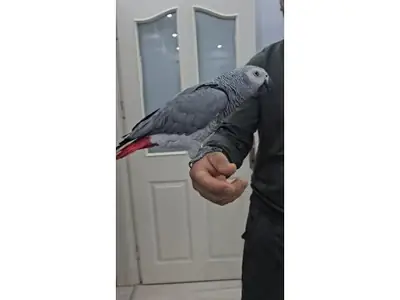
Social African Grey Parrot looking for a patient new home
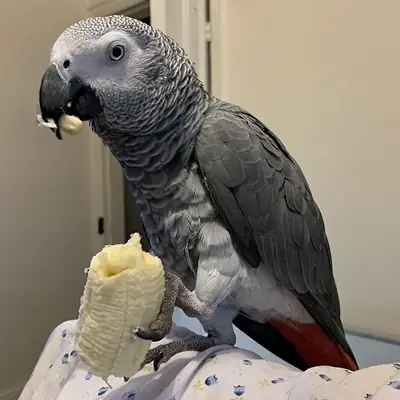
African Grey Parrot for Adoption | Intelligent and Talkative
Haven't found the pet you're looking for? Let people who want to find a new home for their pet reach out to you.
Create your free pet adoption request listing now and be seen by thousands of pet owners.
Other listings in your area
Popular Searches
Free African Grey parrot adoption Bath
Free African Grey parrot adoption in Bath should be treated with more caution than a paid listing, not less. A free African Grey may come with a long history, missing paperwork, stress behaviours, feather damage, biting, screaming, diet problems or a family situation that needs a careful handover.
On Petopic, strong listings should explain the bird’s age, species type, ring or microchip details, CITES or Article 10 paperwork where relevant, diet, cage size, talking ability, handling level, feather condition, health history, reason for rehoming and what kind of adopter is suitable. A “free talking parrot, collect today” advert is not attractive; it is a red flag.
African Grey parrot adoption Bath
African Grey parrot adoption in Bath should focus on compatibility, not whether the bird can copy words. This parrot may be brilliant, sensitive, suspicious of new people, bonded to one person or unsettled by household changes.
Ask how the bird reacts to hands, visitors, children, dogs, cats, new rooms, cage cleaning, travel and being left alone. The right African Grey adoption happens when the adopter understands the bird’s routine and limits before collection, not after the first bite.
African Grey rescue Bath
African Grey rescue in Bath is not a soft “save a bird and enjoy talking” story. Rescue Greys can carry grief, boredom, poor diet, old trauma, lack of handling, over-bonding, fear of strangers or years of under-stimulation.
Look for listings that describe current behaviour honestly: stepping up, biting, screaming, feather plucking, food preferences, cage aggression, sleep routine, bathing, toy interest and vet history. A rescue African Grey does not need a hero; it needs a stable, informed home.
African Grey rehoming Bath
African Grey rehoming in Bath often happens because of noise, owner illness, bereavement, housing changes, biting, feather plucking, time pressure or the bird bonding to one person and rejecting others. The reason matters because it tells you what problem may continue in the new home.
Ask why the bird is being rehomed, how long the owner has had it, whether documents exist, what words or sounds it uses, whether it bites, whether it has plucked feathers and what its daily routine looks like. A responsible owner should answer slowly and clearly, not push for a fast handover.
African Grey parrot free to good home UK
African Grey parrot free to good home UK searches are high-risk because scammers and unprepared owners know these birds attract emotional buyers. Free does not remove the need for identity, paperwork, vet history and careful adopter screening.
Ask for current videos, proof of ownership, closed ring or microchip details, species identification, paperwork where relevant, cage and diet information, health notes and a safe viewing or collection plan. If the seller refuses proof but asks for courier money, transport fees or urgency, stop.
Talking parrot adoption Bath
Talking parrot adoption in Bath usually means people are searching for an African Grey because of mimicry. That is the wrong starting point if the buyer only wants entertainment. Talking ability can come with noise, repetition, alarm calls, emotional dependency and unwanted sounds learned from a previous home.
Ask what the bird says, when it vocalises, whether it screams, whether it copies alarms or rude words, and whether it becomes louder when ignored. A talking African Grey is still a demanding parrot first and a performer never.
African Grey parrot rescue Somerset
African Grey parrot rescue searches around Somerset may include Bath, Bristol, Frome, Wells, Trowbridge, Chippenham, Keynsham, Melksham, Warminster, Swindon and Salisbury. Local access helps because this is not a bird you should collect blindly from a distant delivery promise.
Use the distance properly: observe the bird, listen to its normal sound, check the cage, review documents, ask about diet and confirm how it reacts to people. A nearby Grey with no paperwork and vague behaviour answers is still a weak adoption option.
Congo African Grey adoption Bath
Congo African Grey adoption in Bath should be clearly labelled because people often mix up African Grey types. The Congo African Grey is usually the larger grey parrot with a red tail, but identification still needs more than a casual photo.
Ask for species confirmation, age, ring or microchip details, paperwork where relevant, health history, diet, handling notes and previous ownership background. A listing that cannot clearly identify the bird should be handled carefully.
Timneh African Grey adoption UK
Timneh African Grey adoption UK searches need precise wording because Timneh Greys are often confused with Congo African Greys. Size, tail colour and origin details may differ, but the care commitment is still serious.
Ask for exact species, documentation, permanent identification, age, previous home history, diet, behaviour and health records. Do not accept vague “African Grey type” wording when paperwork and long-term care are involved.
African Grey CITES paperwork UK
African Grey CITES paperwork in the UK is not a side detail. These parrots are protected, and listings should make identity, lawful origin and paperwork status clear before any adoption, sale, fee, donation or transfer conversation becomes serious.
Ask whether the bird has an Article 10 certificate where relevant, whether it has a closed ring or microchip, whether the details match the bird, and whether the adopter receives copies or originals that apply. “Paperwork later” is not a strong answer.
Article 10 African Grey parrot
Article 10 African Grey parrot searches usually come from cautious adopters, and that caution is correct. If there is money, commercial use or sale-style transfer involved, Article 10 status may matter heavily.
Ask to see the certificate where relevant before agreeing to collect, and check that identification details match the bird’s ring or microchip. A seller who claims to have paperwork but refuses to show it should not be trusted.
Closed ring African Grey adoption
A closed ring African Grey adoption listing is stronger when the ring details are clear and match the paperwork. A ring can help show identity and captive-bred background, but it must be readable and properly connected to the bird.
Ask for the ring number, photos if appropriate, certificate details where relevant and whether the ring has ever been damaged or removed. Identity matters because African Grey adoption is not just a casual pet handover.
Microchipped African Grey parrot
A microchipped African Grey parrot should come with chip details and transfer guidance. Microchipping can support identity, paperwork and recovery if the bird escapes.
Ask for the microchip number, who implanted it, whether it appears on paperwork and how keeper details are updated. A bird with a chip that no one can document is not properly traceable.
African Grey adoption fee Bath
African Grey adoption fee Bath searches need careful wording because “free” adoption can still involve legitimate care costs, cage inclusion, transport or rescue-style donation, while commercial sale rules and protected-species paperwork may also matter.
Ask exactly what the fee covers, whether the bird is being sold or rehomed, whether paperwork is included, whether the cage is included and whether any donation is optional or required. A fee is not automatically wrong; unclear terms are the problem.
African Grey home check Bath
An African Grey home check in Bath should be serious. This bird needs more than a cage in a corner. The home must be safe from fumes, non-stick cookware risks, candles, sprays, open windows, ceiling fans, unsupervised pets and chaotic handling.
Be ready to discuss cage size, out-of-cage time, diet, sleep routine, noise tolerance, work hours, children, dogs, cats, avian vet access and what happens if the bird bonds to only one person. A home check should protect the parrot, not just filter people randomly.
African Grey parrot cage size
African Grey parrot cage size should be judged by movement, wing stretch, perch layout, toy space and time outside the cage. A tall narrow cage full of toys may still be poor if the bird cannot move properly.
Ask what cage the bird currently uses, whether it is included, whether the bird leaves the cage daily and whether it shows cage aggression. A Grey kept locked away for years may need careful rehabilitation, not a sudden flood of freedom.
African Grey diet adoption
African Grey diet should be one of the first adoption questions. A seed-heavy diet, human snacks, low-calcium routine or no fresh food history can affect health and behaviour.
Ask what the bird eats now, whether it accepts pellets, vegetables, safe fruit, calcium sources, foraging food and clean water routines. Sudden diet change after adoption can create stress, so transition needs patience and avian vet guidance where needed.
African Grey feather plucking adoption
African Grey feather plucking adoption needs honesty. Plucking can be linked to stress, boredom, poor diet, medical issues, hormonal triggers, past trauma or long periods without enrichment.
Ask when plucking started, whether an avian vet checked the bird, whether feathers regrow, what triggers it and what routine helps. A plucked Grey can still be deeply adoptable, but the adopter must not expect instant cosmetic recovery.
African Grey biting adoption
African Grey biting should not be hidden in an adoption listing. A bite from a Grey can be serious, and the behaviour often has context: fear, over-bonding, cage guarding, hormones, rough handling or poor reading of body language.
Ask who the bird bites, when it bites, whether it gives warnings, whether it steps up, whether it is cage aggressive and how the current owner handles it. A biting Grey needs an experienced, patient home, not someone who thinks confidence will fix everything.
African Grey screaming adoption
African Grey screaming can break an adoption if the home is not ready. Greys may call at certain times, demand contact, react to household noise, copy alarms or become louder when routines change.
Ask for a natural video with sound, not a quiet clip. Ask when the bird is loud, how long it lasts, what triggers it and whether neighbours have complained. If you live in a flat or shared wall home, this is not a small detail.
African Grey one person bird
African Grey one person bird searches match a real adoption issue. Some Greys bond strongly to one person and may reject, threaten or bite others in the household.
Ask who the bird likes, who it dislikes, whether it attacks partners, whether it guards a favourite person and whether it has lived with more than one handler. If your home needs a bird everyone can handle, do not ignore one-person bonding warnings.
African Grey with children
An African Grey with children is not automatically safe just because the bird talks sweetly. Greys can be startled by fast movement, loud voices, poking fingers, unpredictable handling and children trying to make the bird perform.
Ask whether the bird has lived with children, what ages, whether it bites, whether it screams at noise and whether children can follow rules. In many cases, adult-only or older-child homes are a safer match.
African Grey with dogs and cats
African Grey with dogs and cats requires strict safety. A cat or dog can injure a bird quickly, and a frightened parrot can crash, bite or refuse to leave the cage.
Ask whether the bird has lived near pets, whether it panics at barking, whether it has ever been chased and whether out-of-cage time can happen in a closed, predator-free room. “My dog is friendly” is not a safety plan.
African Grey avian vet Bath
African Grey avian vet planning should happen before adoption. General pet experience is not enough when the bird may need bloodwork, beak and nail checks, feather assessment, diet advice, respiratory checks or behaviour support.
Ask whether the bird has seen an avian vet, whether records exist, whether it has had blood tests, whether it has calcium or vitamin issues and whether any medication is ongoing. A new-bird check is a sensible part of responsible adoption.
African Grey lifespan adoption
African Grey lifespan is one of the biggest adoption realities. This bird can outlive marriages, house moves, jobs and sometimes owners. Adopting one casually is irresponsible.
Ask the bird’s age, how many homes it has had, what long-term plan the adopter has and who would care for the bird if life changes. A Grey needs a continuity plan, not a short burst of enthusiasm.
Older African Grey adoption Bath
Older African Grey adoption in Bath can be rewarding because older birds may have known routines, words, preferences and clear dislikes. But they may also carry grief, fixed habits, arthritis, diet issues or long-standing feather damage.
Ask about age proof, previous homes, vet history, sleep routine, food, favourite people, fears and whether the bird accepts change. An older Grey does not need to be reset; it needs to be understood.
African Grey parrot toys and enrichment
African Grey enrichment is not optional. These birds need foraging, chewing, puzzle work, safe toys, training, bathing, social interaction, predictable sleep and variety. Boredom can turn into screaming, plucking or aggression.
Ask what toys the bird actually uses, whether it destroys wood, forages, bathes, plays alone or only waits for people. A Grey sitting quietly all day in a bare cage is not “easy”; it may be shut down.
African Grey parrot sleep routine
African Grey sleep routine can affect behaviour heavily. Poor sleep, late household noise, constant TV, lights, visitors and interrupted dark time can make a bird more reactive.
Ask when the bird sleeps, whether it is covered, whether it has a quiet room, whether it wakes early and whether it becomes hormonal or aggressive in certain seasons. A stable sleep routine is part of behaviour care.
African Grey transport Bath
African Grey transport in Bath should be calm, secure and planned. This is not a bird to move loose in a car or hand over in a noisy car park without preparation.
Ask whether the bird uses a travel carrier, whether it panics in transport, whether the cage is being moved too and whether collection can happen slowly. Good transport reduces stress before the bird even reaches the new home.
African Grey scam UK
African Grey scams in the UK often use stolen photos, fake rescue stories, free adoption bait, courier fees, missing paperwork, urgency, emotional pressure and sellers who refuse current videos or identity proof.
Ask for current video with the bird and seller context, ring or microchip details, paperwork where relevant, safe viewing, clear rehoming reason and no payment before proof. If the story changes or documents are “coming later”, walk away.
Bath Bristol Frome African Grey adoption
African Grey adoption searches around Bath, Bristol, Frome, Trowbridge, Chippenham, Wells, Keynsham, Melksham, Warminster, Swindon and Salisbury usually come from adopters looking for a realistic viewing or collection distance.
Use local access to ask harder questions: watch behaviour, hear natural sound, check cage condition, review paperwork, confirm diet and discuss aftercare. Regional convenience only helps when the bird’s welfare and documents are already clear.
Frequently Asked Questions
What should I check before adopting an African Grey parrot in Bath?
Check the bird’s age, species type, closed ring or microchip details, CITES or Article 10 paperwork where relevant, diet, cage setup, handling level, feather condition, noise level, biting history, health records and reason for rehoming.
Do not adopt only because the bird talks. African Grey parrots need specialist care, long-term commitment and a stable routine.
Is an African Grey a parrot?
Yes, an African Grey is a parrot. It is a highly intelligent, sensitive bird known for mimicry and strong social bonds.
It should not be treated like a talking toy. It needs space, enrichment, routine, safe handling and avian vet care.
Is free African Grey adoption safe?
It can be safe if the listing is transparent and the bird’s identity, paperwork, health and behaviour are clear.
Be careful with free adoption adverts that avoid documents, refuse current videos, push delivery fees or demand urgent collection.
Do African Grey parrots need CITES paperwork in the UK?
African Grey parrots are protected, so paperwork and identity details should be checked carefully. Article 10 may be relevant where commercial sale or transfer rules apply.
Ask for species identification, ring or microchip details and any documents that apply before agreeing to adopt or collect.
What is an Article 10 certificate for an African Grey?
An Article 10 certificate is linked to commercial use of protected Annex A species. For African Greys, it may matter if the bird is being sold or transferred in a way that counts commercially.
Ask to see the certificate where relevant and make sure its identification details match the bird.
Should an African Grey be closed rung or microchipped?
A closed ring or microchip helps identify the bird and connect it to paperwork. The details should match any certificate or ownership record.
Ask for the ring number or microchip details before collection.
What is the difference between Congo and Timneh African Greys?
Congo African Greys and Timneh African Greys are different types of African Grey parrots. They may differ in size, appearance and identification details.
Ask the seller to state the exact type and provide matching paperwork or identity information where relevant.
Are African Grey parrots good for beginners?
Usually, they are not ideal beginner birds. African Greys are intelligent, sensitive and demanding, and they can develop serious behaviour problems if their needs are ignored.
New adopters should only consider one after learning about diet, enrichment, noise, biting, paperwork, avian vet care and long-term commitment.
Do African Grey parrots always talk?
No. Many African Greys mimic words and sounds, but not every bird talks clearly or performs on demand.
Adopt for the bird’s welfare and suitability, not because you expect constant speech.
Are African Greys noisy?
They can be noisy. They may call, scream, copy alarms, repeat sounds or vocalise when routines change.
Ask for a natural video with sound and ask when the bird is loudest before adopting.
Why do African Greys pluck feathers?
Feather plucking can be linked to stress, boredom, poor diet, medical issues, hormones, past trauma or lack of enrichment.
Ask when plucking started, whether an avian vet has checked the bird and what routine helps reduce it.
Do African Grey parrots bite?
They can bite, especially when frightened, over-bonded, hormonal, mishandled or guarding their cage.
Ask who the bird bites, what triggers it, whether it gives warning signs and whether it steps up reliably.
Can African Greys become one-person birds?
Yes, some African Greys bond strongly to one person and may reject or bite other household members.
Ask who the bird likes, who it dislikes and whether it has lived safely with multiple handlers.
Can African Grey parrots live with children?
Some can live around calm, respectful older children, but many are not suitable for young or noisy children.
Children must not poke fingers through bars, chase the bird, force handling or try to make it talk.
Can African Greys live with dogs or cats?
Only with strict separation and supervision. Dogs and cats can injure or kill birds quickly, even if they seem friendly.
Out-of-cage time should happen in a closed, predator-free room.
What cage does an African Grey need?
An African Grey needs a spacious, safe cage with room to move, stretch, climb and use toys. It also needs daily out-of-cage time where safe.
Ask what cage the bird currently uses and whether it shows cage aggression before adopting.
What should an African Grey eat?
An African Grey needs a balanced parrot diet, usually including suitable pellets or seed mix, safe vegetables, some fruit, calcium support and foraging opportunities.
Ask what the bird currently eats and transition carefully instead of changing everything immediately.
Should I take an adopted African Grey to an avian vet?
Yes, a new-bird check with an avian vet is sensible. Birds can hide illness, and African Greys may need specialist diet, feather, bloodwork or behaviour advice.
Ask for previous vet records before the appointment if they exist.
How long do African Grey parrots live?
African Greys can live for decades, so adoption is a long-term commitment.
Before adopting, think about future housing, work changes, illness, family changes and who would care for the bird if your life changes.
How do I avoid African Grey adoption scams?
Watch for stolen photos, fake free adoption stories, courier fees, missing paperwork, urgent payment, no current videos and sellers who avoid identity details.
Ask for ring or microchip details, paperwork where relevant, current video, proof of ownership and a safe viewing or collection plan before paying anything.