Birmingham African Grey Parrot For Sale
There's 1 African Grey Parrot listing live right now, last updated 10 Feb 2026. Find African Grey pa... There's 1 African Grey Parrot listing live right now, last updated 10 Feb 2026. Find African Grey parrots for sale in Birmingham with clear listings for this intelligent, long-lived and highly social ... There's 1 African Grey Parrot listing live right now, last updated 10 Feb 2026. Find African Grey parrots for sale in Birmingham with clear listings for this intelligent, long-lived and highly social companion bird: Congo or Timneh type, age, sex, CITES Article 10 certificate, closed ring or microchip, hatch details, hand-tame behaviour, talking ability, diet, cage routine, feather condition, vet history, price, seller transparency and safe handover across the West Midlands.
Haven't found the pet you're looking for? Let people who want to find a new home for their pet reach out to you.
Create your free pet adoption request listing now and be seen by thousands of pet owners.
Quick Information
Other listings in your area
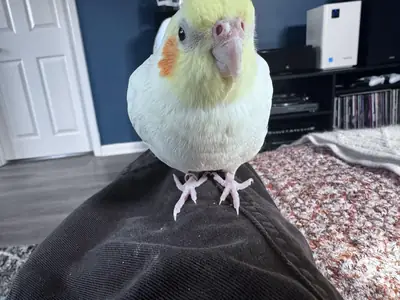
Cockatiel raised in a busy living room
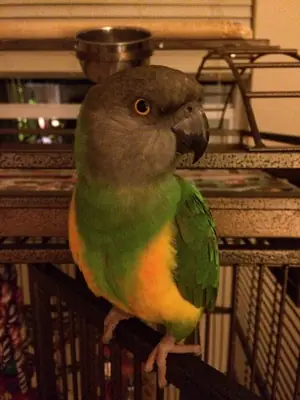
Jardine’s Parrot for Sale | Calm Temperament | Home Raised
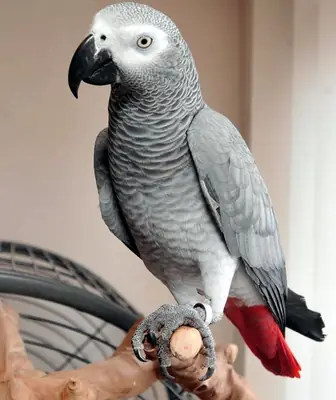
African Grey Parrot for Sale | Intelligent, Home Raised | Experienced Owner Preferred
Popular Searches
African Grey parrot for sale Birmingham
An African Grey parrot for sale in Birmingham should never be treated like a normal pet advert with a nice photo and a price. This is a highly intelligent companion parrot, not a cage decoration, and the buyer must check legal paperwork, identity marking, health history, behaviour and long-term care before making contact.
On Petopic, a strong listing should explain the bird’s age, species type, sex if known, CITES Article 10 certificate status, closed ring or microchip, hatch details, diet, cage routine, hand-tame behaviour, talking ability, feather condition, vet history, reason for sale and handover process. An advert that says only “talking African Grey, ready now” is not strong enough.
Buy African Grey Birmingham
Buying an African Grey in Birmingham means checking whether the bird is legally saleable, properly identified and emotionally suitable for your home. African Greys can bond deeply, learn sounds and routines, and react badly to boredom, rough handling or unstable households.
Before buying, ask for paperwork, proof of identity, diet details, daily routine, cage size, out-of-cage time, noise level, biting history, feather plucking history, avian vet notes and whether the bird is used to children, dogs, cats or busy rooms. If the seller gets vague around documents, walk away.
African Grey parrots Birmingham
African Grey parrots Birmingham searches can include buyers, current owners, people rehoming a bird and people comparing legal requirements. The page should make the difference clear: this is not just “a grey talking bird”; it is a regulated, demanding and long-lived parrot.
Listings should include whether the bird is a Congo African Grey or a Timneh type, whether documents match the ring or microchip, how the bird behaves with strangers, what it eats, how it sleeps, what words or sounds it responds to and whether it has any stress behaviours. Real detail is what separates a serious advert from a risky one.
African Grey parrot price Birmingham
The price of an African Grey parrot in Birmingham depends on age, legal paperwork, identity marking, species type, tameness, speech ability, health record, feather condition, cage or accessories, and seller transparency. A high price does not automatically mean the bird is legal, healthy or well cared for.
A useful listing should explain what the price includes: Article 10 certificate details, closed ring or microchip information, cage if included, toys, diet transition, vet records, ownership history and handover support. Price without paperwork is a trap, not a bargain.
African Grey parrot CITES certificate UK
African Grey parrot CITES certificate UK is one of the most important search intents for this page. If the bird is being sold commercially, the buyer should expect proper Article 10 documentation or a valid equivalent that allows the sale.
The advert should not say “papers can be sorted later” or “certificate not needed”. It should clearly state what document exists, whether it matches the bird’s ring or microchip and whether the buyer can view it before payment. No certificate, no serious sale.
African Grey Article 10 certificate
An African Grey Article 10 certificate is not optional decoration in a sale listing. It is the paperwork buyers should ask about before arranging a visit, paying a deposit or accepting delivery.
A strong advert should mention whether the certificate is specimen-specific or transaction-specific where relevant, what identity mark is listed, and whether the seller’s details match the paperwork. If the seller refuses to show the certificate before payment, the listing is not safe enough.
African Grey closed ring or microchip
An African Grey closed ring or microchip helps connect the bird to its paperwork. The number on the ring or chip should match the documents, and the buyer should not rely on verbal claims alone.
The listing should say whether the bird is closed rung, microchipped or both, and whether the identifying details are readable and consistent. Do not post every sensitive number publicly, but the buyer must be able to verify identity before completing the purchase.
Congo African Grey for sale Birmingham
Congo African Grey for sale Birmingham is a high-intent search because many buyers specifically want the larger grey parrot with a bright red tail. The listing should still focus on legality, health and behaviour, not just the classic look.
The advert should explain age, ring or microchip, Article 10 certificate, diet, speech, socialisation, feather condition, bite history and whether the bird is used to being handled. “Congo Grey, talks, cash only” is exactly the kind of thin advert buyers should avoid.
Timneh African Grey for sale Birmingham
Timneh African Grey for sale Birmingham catches buyers who know the darker, smaller grey parrot often described separately from the Congo type. Many everyday buyers confuse the names, so the advert should be clear and factual.
A useful Timneh listing should include type, age, legal documents, identity marking, beak and tail description, behaviour, speech, diet, vet history and reason for sale. The bird’s identity should not be guessed from a blurry photo.
Hand tame African Grey Birmingham
Hand tame African Grey Birmingham is a phrase buyers love, but “hand tame” needs proof. A bird may step up for one person and still bite strangers, fear hands, scream when left alone or reject a new owner during transition.
The listing should describe who can handle the bird, whether it steps up, whether it accepts head scratches, whether it bites, how it reacts to visitors, how it behaves outside the cage and what triggers stress. A two-word claim is not behaviour history.
Talking African Grey for sale Birmingham
Talking African Grey for sale Birmingham is a strong search, but buying only for speech is a bad reason. African Greys may mimic words, sounds, phones, alarms and household routines, but speech does not guarantee friendliness or easy care.
A proper advert should list what the bird says or responds to, but also explain noise level, sleep routine, bonding, stress behaviours, bite history, feather condition and how much daily attention it needs. A talking bird with poor welfare is not a good purchase.
Baby African Grey for sale Birmingham
Baby African Grey for sale Birmingham needs careful wording because inexperienced buyers can be pulled in by young age and feeding claims. A young parrot should be properly weaned, stable, healthy and legally documented before handover.
The listing should state hatch date, weaning status, current diet, weight, ring or microchip, Article 10 paperwork, breeder details, vet check and socialisation. Avoid any advert that suggests taking an unweaned bird because “it will bond better”. That is not responsible buying.
Hand reared African Grey Birmingham
Hand reared African Grey Birmingham is often used to make a bird sound easier to own. It may help with early handling, but it does not remove the need for training, boundaries, sleep, enrichment and a stable routine.
The advert should explain how the bird was raised, when it was weaned, how it reacts to hands, whether it has lived in a busy home, whether it accepts multiple people and whether it has learned independent play. Hand reared is not a lifetime behaviour guarantee.
African Grey rehoming Birmingham
African Grey rehoming Birmingham is different from a simple sale. Many African Greys are rehomed because of noise, bonding problems, owner illness, housing changes, feather plucking, biting or time demands.
The listing should be brutally honest about why the bird is being rehomed. A buyer can work with a known issue; they cannot prepare for a hidden one. Rehoming a parrot responsibly means protecting the bird from another failed home.
African Grey rescue Birmingham
African Grey rescue Birmingham searches often come from people who want to avoid fuelling poor trade and instead offer a home to an existing bird. That is a stronger mindset, but it still requires proper preparation.
A rescue-style listing should explain the bird’s routine, trust level, cage behaviour, diet, medical history, feather condition, noise, handling limits and home requirements. Rescue does not mean easy; it often means more patience and better boundaries.
African Grey parrot West Midlands
African Grey parrot West Midlands covers Birmingham, Solihull, Wolverhampton, Walsall, Dudley, Coventry and nearby areas. Local search helps with viewing and handover, but distance should never matter more than paperwork and welfare.
A good advert should state location clearly, explain whether the bird can be viewed in its current home, show legal documents, identify the bird, and describe the daily routine. A seller who refuses viewing but pushes delivery and deposit is a red flag.
African Grey parrot legal sale UK
African Grey parrot legal sale UK is a core buying question. The buyer must check whether the sale is allowed, whether the bird has the right certificate and whether the identification mark matches the paperwork.
Listings should not hide behind “family pet, no papers needed” if money is changing hands. Commercial sale needs proper documentation. If the seller cannot explain the legal status, the buyer should not rescue the deal with wishful thinking.
African Grey parrot deposit scam
African Grey parrot deposit scam searches are common because expensive, regulated birds attract fake adverts. Stock photos, copied descriptions, urgent courier claims, refusal to show paperwork and pressure for quick payment are all dangerous signs.
A serious listing should allow document checks, video proof, current photos, identity verification, seller details and safe viewing. Do not send a deposit for an African Grey because a stranger says “many people are interested”. That is pressure, not proof.
African Grey delivery Birmingham
African Grey delivery Birmingham should be treated carefully. Delivery can hide bad sellers, prevent proper viewing and make paperwork harder to verify. A parrot should not be shipped around like a parcel.
The advert should explain whether viewing is possible, how transport is handled, whether the cage or carrier is safe, how stress is reduced and when documents are checked. If the seller only offers courier delivery and no real verification, the deal is weak.
African Grey cage size Birmingham
African Grey cage size is not a small detail. This bird needs room to move, stretch, climb, play and rest safely, plus regular supervised time outside the cage. A tiny cage with a bored Grey is a welfare problem waiting to happen.
The listing should mention current cage size, whether a cage is included, perch setup, toys, foraging, out-of-cage routine, sleep area and whether the bird is used to a busy room or quiet corner. Buying the bird without preparing the space is poor planning.
African Grey diet and calcium
African Grey diet and calcium should be written into serious sale listings. A seed-only diet is not enough for long-term health, and sudden diet changes after purchase can create stress and refusal to eat.
The advert should describe current pellets or seed mix, vegetables, fruit, safe treats, supplements if used, water routine and foods the bird refuses. A buyer needs a transition plan, not a bag of mystery seed handed over at the door.
African Grey feather plucking
African Grey feather plucking must be disclosed in a sale or rehoming advert. Plucking can be connected to stress, boredom, medical issues, diet, environment, bonding, hormones or past handling, and hiding it only sets up a failed home.
The listing should say when plucking started, whether a vet has checked the bird, whether feathers regrow, what triggers it, what routine helps and whether the bird is on medication or supplements. A buyer cannot prepare for a problem the seller pretends does not exist.
African Grey biting and screaming
African Grey biting and screaming are not reasons to write the bird off, but they must be described honestly. Greys can bite from fear, overbonding, hormonal behaviour, poor sleep, rough handling or lack of routine.
The advert should explain bite triggers, loud-call times, bedtime, cage aggression, territorial behaviour, preferred person and whether the bird accepts multiple handlers. “Can be nippy” is too vague for a parrot with a strong beak and a long memory.
African Grey with children
An African Grey with children needs careful management. A Grey may tolerate calm older children but become stressed by shouting, grabbing, sudden movement or fingers pushed through cage bars.
The listing should say whether the bird has lived with children, whether it bites, whether it startles easily, whether it screams at noise and whether children have been taught safe distance. This is not a pet for careless handling.
African Grey with dogs and cats
An African Grey with dogs and cats can be risky if the home is not managed properly. Even a friendly dog or curious cat can injure or terrify a bird, and stress alone can damage the bird’s routine.
The advert should explain whether the bird has lived around dogs or cats, whether it reacts by screaming, lunging, freezing or flying, and whether the cage can be placed safely away from predators. A parrot home must be designed, not improvised.
African Grey avian vet Birmingham
African Grey avian vet Birmingham is a practical search buyers should make before purchase. A normal pet check is not always enough for parrots; buyers need access to a vet comfortable with birds.
The listing should mention last vet check, beak and nail condition, feather condition, weight, diet, droppings, breathing, previous illness and any medication. If the seller cannot remember the last proper bird vet visit, budget for one immediately.
African Grey long-term commitment
African Grey long-term commitment is not marketing language; it is the main decision. These parrots can live for decades, form strong habits and suffer when passed from home to home.
A serious advert should not sell the bird to anyone who only wants a talking pet. It should attract people ready for daily attention, enrichment, cleaning, diet management, vet costs, noise, training and a stable home. If that sounds too much, the buyer should not buy an African Grey.
Safe African Grey handover Birmingham
A safe African Grey handover in Birmingham should include legal documents, ring or microchip verification, diet notes, cage routine, sleep routine, vet history, behaviour notes, favourite words or sounds, toy preferences and emergency contact information.
At home, the first days should be calm: familiar food, stable cage placement, quiet sleep, no crowd of visitors, no forced handling and no sudden diet change. A Grey needs trust and routine, not a dramatic welcome show.
Frequently Asked Questions
What type of animal is an African Grey?
An African Grey is a companion parrot, not a dog, cat or simple cage bird. It is known for intelligence, social bonding, vocal learning and a high need for routine and mental stimulation.
Buying one means preparing for legal paperwork, daily care, diet, enrichment, noise, vet costs, long lifespan and a home that can handle a sensitive parrot properly.
What should I check before buying an African Grey in Birmingham?
Check CITES Article 10 certificate status, closed ring or microchip, age, type, sex if known, health record, diet, feather condition, behaviour, tameness, bite history, noise level, cage routine and reason for sale.
You should also verify that the documents match the bird and that the seller is willing to show the bird, paperwork and current living setup before payment.
Does an African Grey need an Article 10 certificate to be sold in the UK?
For commercial sale, an African Grey should have the correct CITES Article 10 certificate or valid equivalent paperwork that allows the transaction.
Do not buy if the seller says papers will arrive later, refuses to show them or claims they are unnecessary while asking for payment.
Why do closed rings and microchips matter for African Greys?
A closed ring or microchip helps identify the bird and connect it to its paperwork. The identifying mark should match the documents used for the sale.
Buyers should verify identity before payment. Sensitive numbers do not need to be posted publicly, but they must be checkable during the purchase process.
What is the difference between a Congo African Grey and a Timneh African Grey?
Congo African Greys are usually the classic grey parrots with a bright red tail, while Timneh Greys are often smaller and darker with a different tail tone and beak appearance.
Listings should state the type clearly and provide photos, documents and identity details. The buyer should not have to guess from a poor image.
Is a talking African Grey easier to own?
No. Speech ability does not mean the bird is easy, friendly or low-maintenance. A talking African Grey can still bite, scream, pluck feathers, become overbonded or struggle with change.
Buyers should ask about behaviour, routine, handling, triggers, diet, sleep and health, not just words and sounds.
Should I buy an unweaned baby African Grey?
No inexperienced buyer should take an unweaned African Grey. A young bird should be properly weaned, stable, healthy, legally documented and ready for a safe handover.
Claims that an unweaned bird will bond better are not a good reason to accept serious feeding and health risks.
What diet does an African Grey need?
An African Grey needs a balanced diet, not just a bowl of seed. Buyers should ask about pellets, vegetables, fruit, safe treats, calcium support if used and foods the bird already accepts.
Do not change diet suddenly after purchase. The seller should provide a clear transition plan and current food details.
How large should an African Grey cage be?
The cage should be large enough for the bird to move, stretch, climb, play and rest safely, with suitable perches, toys and foraging opportunities.
The bird also needs supervised time outside the cage. A large parrot kept in a cramped cage with no enrichment is a welfare problem.
Are African Greys noisy?
Yes, they can be noisy. They may talk, whistle, copy household sounds, call for attention or scream when stressed, bored, overtired or overbonded.
Before buying, ask when the bird is loud, what triggers it, how it sleeps and whether neighbours or household members can handle the noise.
Why do African Greys pluck feathers?
Feather plucking can be linked to stress, boredom, medical issues, diet, hormones, lack of sleep, environmental change or previous handling problems.
If a bird has plucked feathers, the listing should explain when it started, whether a vet has checked it, what helps and whether it is ongoing.
Do African Greys bite?
They can bite, especially if frightened, overbonded, hormonal, territorial, poorly handled or pushed beyond their comfort. A bite from an African Grey can be serious.
Ask about bite history, triggers, who can handle the bird, cage aggression and whether the bird steps up reliably.
Can an African Grey live with children?
It depends on the bird and the children. African Greys should not be grabbed, teased, chased or handled by children without strict supervision.
The listing should say whether the bird has lived with children, whether it startles easily, whether it bites and how it reacts to noise and sudden movement.
Can an African Grey live with dogs or cats?
It can be risky. Dogs and cats are predators from the bird’s perspective, and even a curious pet can injure or terrify a parrot.
Ask whether the bird has lived around dogs or cats and whether the home can keep the bird’s cage and out-of-cage time fully protected.
Should an African Grey see an avian vet?
Yes, buyers should plan for an avian vet check, especially after purchase or rehoming. Birds can hide illness, and a specialist bird-aware vet is valuable.
Ask for previous vet records, medication history, weight, diet notes, feather condition and any known health concerns before handover.
How should an African Grey be handed over in Birmingham?
The handover should be calm, documented and unhurried. The buyer should receive legal paperwork, ring or microchip verification, diet notes, cage routine, sleep routine, vet history and behaviour details.
At home, keep the first days quiet with familiar food, stable cage placement, no forced handling and no sudden routine changes. Trust matters more than excitement.