Birmingham British Shorthair Cat For Sale
There's 1 British Shorthair listing live right now, last updated 22 Jan 2026. Find British Shorthair... There's 1 British Shorthair listing live right now, last updated 22 Jan 2026. Find British Shorthair cats for sale in Birmingham with clear listings for this sturdy, round-faced and dense-coated cat b... There's 1 British Shorthair listing live right now, last updated 22 Jan 2026. Find British Shorthair cats for sale in Birmingham with clear listings for this sturdy, round-faced and dense-coated cat breed: kitten or adult age, sex, colour, microchip status, vaccination record, pedigree papers, breeder details, mum viewing, health checks, temperament, indoor routine, grooming needs, price and responsible handover across the West Midlands.
Haven't found the pet you're looking for? Let people who want to find a new home for their pet reach out to you.
Create your free pet adoption request listing now and be seen by thousands of pet owners.
Other listings in your area
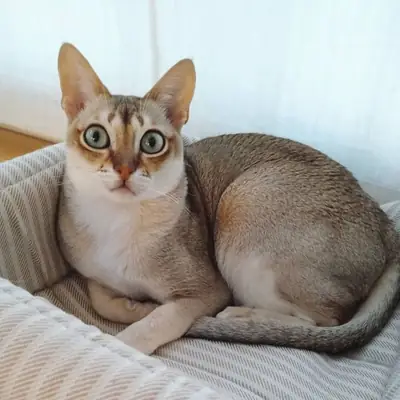
Singapura Cat for Sale | Small and Loving
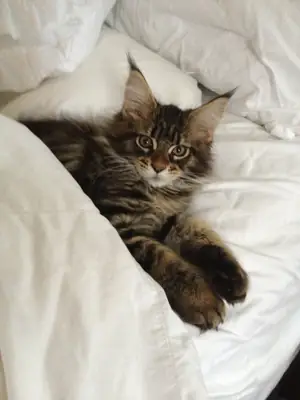
Maine Coon for Sale | Gentle Giant | Raised Inside the Home
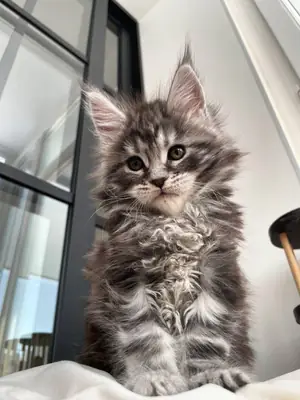
Maine Coon male kitten, calm temperament, raised indoors
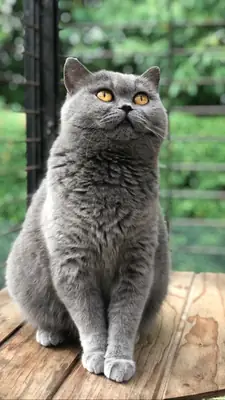
British Shorthair Kitten – Plush Coat, Calm Personality, Home Raised
Popular Searches
British Shorthair for sale in Birmingham
A British Shorthair for sale in Birmingham should never be judged only by a round face, plush coat or “teddy bear” photo. This is a cat breed with a solid body, calm presence and independent streak, so the right listing must show more than cuteness.
On Petopic, a strong advert should explain age, sex, colour, microchip status, vaccination record, pedigree papers if available, breeder details, whether the kitten can be seen with mum, litter habits, indoor routine, health checks and handover terms. A British Shorthair listing with vague documents and perfect photos is not trustworthy enough.
Buy British Shorthair cat Birmingham
Buying a British Shorthair cat in Birmingham means looking past the chunky cheeks and asking whether the cat has been raised properly, handled gently and prepared for real home life. British Shorthairs are often calm and steady, but they are not always needy lap cats.
Before contacting a seller, check whether the advert covers home environment, socialisation, litter training, feeding routine, vet checks, vaccination dates, microchip plans and how the cat behaves with children, other cats and visitors. A buyer needs the cat’s real routine, not just a staged sofa photo.
British Shorthair kittens Birmingham
British Shorthair kittens in Birmingham attract buyers who want a round, plush and gentle-looking kitten. The mistake is assuming every calm-looking kitten has been well bred, well socialised and safely prepared for a new home.
The advert should include date of birth, age at collection, vaccination status, worming, microchip status, current food, litter training, mum viewing, kitten temperament and any registration paperwork. If the seller cannot clearly explain the kitten’s early life, the listing is weak no matter how perfect the photos look.
British Shorthair kitten for sale West Midlands
British Shorthair kitten for sale West Midlands searches usually come from buyers willing to travel around Birmingham, Solihull, Wolverhampton, Coventry, Walsall or nearby areas for the right kitten. That wider search should not lower the standard of checks.
A good listing should make collection location, viewing process, documents, health records, mum viewing and kitten readiness clear before travel. If a seller keeps changing the meeting place, avoids home viewing or pushes a fast deposit, the buyer should slow down immediately.
British Blue kitten Birmingham
British Blue kitten Birmingham is one of the strongest colour-led searches, because many buyers picture the classic grey-blue coat and round copper eyes. That colour is popular, but it should not distract from health, documents and temperament.
The listing should show natural-light photos, clear eyes, clean nose, dense coat, body shape, movement, mum if possible and full health information. A British Blue kitten with unclear background is not a better purchase because the colour is fashionable.
Blue British Shorthair for sale
Blue British Shorthair for sale adverts often get the most attention, but too many weak listings lean on colour instead of information. The buyer needs to know whether the cat is healthy, properly socialised and genuinely British Shorthair, not just blue and round-faced.
Ask for age, parent details, pedigree status, vet checks, vaccination record, microchip status, diet, litter habits and temperament. “Blue British Shorthair” is a search term; it is not proof of quality by itself.
Golden British Shorthair Birmingham
Golden British Shorthair Birmingham searches are rising because golden shaded and warm-toned cats look striking in photos. This is exactly where buyers can be pulled into colour-first decisions and ignore the actual cat.
A serious advert should explain colour clearly, show photos without heavy filters, provide parent information, registration details if available, health notes and temperament. “Golden” should not become a shortcut for inflated price and missing records.
Silver tabby British Shorthair for sale
Silver tabby British Shorthair for sale searches catch buyers who want a patterned coat rather than the classic blue look. The tabby markings may be beautiful, but pattern does not replace proper breeding, health checks or honest socialisation notes.
The listing should include photos from multiple angles, coat pattern description, age, sex, vaccination record, microchip status, parent details, litter training and how the kitten behaves when handled. A pretty pattern without paperwork is just a pretty risk.
Lilac British Shorthair kitten
Lilac British Shorthair kitten listings appeal to buyers looking for a softer, rarer-looking colour. But “rare” language is often used to push quick decisions, especially when documents and health information are thin.
The advert should still cover mum viewing, vaccination record, microchip status, worming, pedigree papers if available, feeding routine and personality. Lilac colouring may draw attention, but it does not excuse missing basics.
GCCF registered British Shorthair Birmingham
GCCF registered British Shorthair Birmingham searches usually come from buyers who want traceable pedigree information. Registration can help with origin and records, but it does not replace seeing how the kitten was raised or checking its health and temperament.
The advert should state what papers exist, whether the details match the kitten, who the parents are, whether mum can be viewed and what documents will be handed over. “Registered lines” without proof should not impress a serious buyer.
Pedigree British Shorthair for sale
Pedigree British Shorthair for sale adverts must be clear. A pedigree claim should come with registration papers, parent information, transfer details if relevant and a seller willing to explain the kitten’s background properly.
Pedigree does not automatically mean perfect health, but it should mean better traceability. If the advert says “pure British Shorthair” but cannot show documents, parents, health records or a proper home viewing, the wording is not strong enough.
British Shorthair price Birmingham
The price of a British Shorthair in Birmingham depends on age, colour, pedigree status, registration, parent information, health checks, vaccination status, microchip, socialisation and seller reliability. The cheapest kitten is not automatically the best deal, and the most expensive one is not automatically the best bred.
A useful advert should explain what is included: vaccinations, worming, microchip status, health check, food transition, litter training, documents, contract and support after collection. Price without context is not enough for a responsible purchase.
British Shorthair kitten seen with mum
A British Shorthair kitten should be seen with mum in the home environment before the buyer commits. This helps confirm the kitten was not simply moved for a sale and gives the buyer a better idea of temperament, health and early care.
The advert should say whether mum can be viewed, how the litter has been raised, whether the kittens are handled daily and how they react to household sounds. If the seller gives excuses about why mum is unavailable, that is a serious warning sign.
British Shorthair microchipped kitten
British Shorthair microchipped kitten searches are more important now because cat identification is not optional long term in England. Buyers should ask whether the kitten is already chipped, when the chip will be registered and how details will be updated after handover.
The listing should include microchip status, vaccination record, vet check dates, worming and collection age. If a seller dismisses microchipping as something the buyer can think about later, the advert is not responsible enough.
Vaccinated British Shorthair kitten Birmingham
A vaccinated British Shorthair kitten in Birmingham should come with clear dates, vet details and next-step guidance. “Vaccinated” should not be a vague line in the advert; the buyer needs to know what has been done and what remains due.
The advert should also cover worming, general health, appetite, litter use, socialisation and any reaction to previous vet visits. A kitten with proper records is easier to settle into a new home safely.
British Shorthair temperament
British Shorthair temperament is often described as calm, steady and independent, but every cat is still an individual. Some enjoy sitting nearby rather than being carried, and many prefer respectful handling over constant cuddling.
A good listing should explain whether the kitten is bold, shy, playful, food-motivated, used to children, comfortable with visitors and happy being handled. “Friendly” is too thin unless the seller describes real behaviour.
British Shorthair indoor cat Birmingham
British Shorthair indoor cat Birmingham searches come from buyers living in flats, terraced homes or busy roads where indoor life feels safer. Indoor living can work, but only if the cat has space, scratching posts, window views, play routine and weight control.
The advert should explain whether the cat is already indoor-only, litter trained, used to household sounds, comfortable alone for short periods and happy with enrichment. Indoor does not mean inactive; it means the home must do more work.
British Shorthair with children
A British Shorthair can suit a family home, but children must understand that this cat may not enjoy being picked up, chased or squeezed. Calm handling matters more than the breed’s soft appearance.
The listing should say whether the cat has lived with children, how it reacts to noise, fast movement, stroking, being lifted and busy rooms. A round face does not mean the cat will tolerate rough handling.
British Shorthair with other cats
A British Shorthair may live with other cats, but introductions still need patience. Some are relaxed, some are territorial, and some prefer their own space once they mature.
The advert should mention whether the kitten or adult cat has lived with other cats, how it behaves around food, litter trays, shared spaces and play. A multi-cat home should prepare slow introductions rather than expecting instant friendship.
British Shorthair with dogs
British Shorthair with dogs depends on the individual cat, the dog’s behaviour and how carefully introductions are managed. A calm dog and a well-socialised kitten may work, but a chasing dog can make the cat fearful quickly.
The listing should say whether the cat has seen dogs, whether it hides, hisses, approaches, ignores or panics. A home with dogs needs safe rooms, scent swapping and slow introductions, not a same-day experiment.
British Shorthair grooming and coat care
British Shorthair grooming is easy to underestimate because the coat is short. The coat is dense, plush and can shed, so brushing, weight control and skin checks still matter.
The advert should describe coat condition, shedding, grooming tolerance, any skin issues and whether the kitten is used to being handled. Short-haired does not mean zero maintenance, especially as the cat becomes heavier and less flexible with age.
British Shorthair weight and diet
British Shorthairs can become solid, heavy cats, so buyers should not confuse breed build with permission to overfeed. A chunky British Shorthair is not automatically healthy if the weight is poorly managed.
The listing should mention current food, feeding schedule, appetite, body condition, activity level and whether the cat is indoor-only. A calm indoor British Shorthair needs play and measured meals, not endless treats because it looks cuddly.
British Shorthair PKD and HCM checks
British Shorthair buyers should ask about inherited health concerns, especially kidney and heart screening where relevant. A responsible seller should be comfortable discussing parent health, test information, vet checks and any known issues in the line.
The advert should not rely on “healthy parents” without detail. Ask for what checks were done, what records exist and whether the kitten has had a vet assessment. Health transparency matters more than colour language.
Adult British Shorthair for sale Birmingham
An adult British Shorthair for sale in Birmingham can be a sensible choice if the cat’s history is clear. With an adult, you can often see true temperament, weight, litter habits, grooming tolerance and how the cat behaves around children, visitors or other pets.
The advert must explain why the cat is being sold, whether it is neutered, microchipped, vaccinated, indoor-only, insured, litter trained and healthy. An adult cat with missing history is not a bargain; it is a risk.
Safe British Shorthair handover Birmingham
A safe British Shorthair handover in Birmingham should include vaccination records, microchip details or plan, worming information, food routine, litter information, documents, contract terms and enough time for the buyer to ask questions.
When the cat arrives home, the first day should be quiet: one safe room, familiar food, clean litter tray, water, hiding place and no crowd of visitors. A British Shorthair may look composed, but a new home is still a major change.
Frequently Asked Questions
What type of animal is a British Shorthair?
A British Shorthair is a pedigree cat breed known for its sturdy body, round face, dense short coat and calm, independent nature. It is not a dog, not a toy and not a cat to buy only because it looks like a teddy bear.
The breed needs proper feeding, grooming, enrichment, litter care, health checks and a home that respects its temperament and space.
What should I check before buying a British Shorthair in Birmingham?
Check age, sex, colour, microchip status, vaccination record, worming, health checks, pedigree papers if advertised, breeder details, parent information, kitten socialisation, litter training and handover terms.
You should also ask whether the kitten can be seen with mum, what food it eats, how it behaves when handled and whether it has lived around children, other cats, dogs or normal household noise.
Should a British Shorthair kitten be seen with its mother?
Yes. A kitten should be seen with its mother in the home environment before the buyer commits. This helps confirm the kitten has not simply been moved for a quick sale.
If the seller avoids showing mum, changes the meeting location or gives vague excuses, treat that as a serious warning sign.
What documents should come with a British Shorthair kitten?
A kitten should come with vaccination details, worming information, vet check notes where available, microchip information or plan, feeding guidance, breeder contact details and pedigree or registration papers if advertised.
The documents should match the kitten being handed over. Do not accept vague promises that paperwork will be sorted later.
Does a British Shorthair kitten need a microchip in England?
Cats in England must be microchipped before they reach 20 weeks of age, with keeper details kept up to date on an approved database. Buyers should ask about the kitten’s microchip status before collection.
If the kitten is too young to be chipped at viewing, the seller should still explain the plan clearly and the new owner must understand the deadline.
Is a British Blue the same as a British Shorthair?
British Blue usually refers to the blue-grey colour of a British Shorthair, not a separate breed. The British Shorthair comes in more colours and patterns than blue.
Buyers should still check health, documents, temperament, mum viewing and breeder honesty instead of choosing only by coat colour.
Is a British Shorthair a good indoor cat?
A British Shorthair can live well indoors if the home provides space, scratching posts, toys, window views, safe hiding spots, regular play and weight control.
Indoor life should not mean boredom. The cat still needs enrichment, movement, routine and social contact on its own terms.
Are British Shorthairs good with children?
Many British Shorthairs can live with children, but children must handle them calmly and respectfully. This breed may not enjoy being carried, chased or squeezed.
Before buying, ask whether the kitten or cat has lived with children, how it reacts to noise and whether it tolerates gentle handling.
Can a British Shorthair live with other cats?
It can, but introductions should be slow. Some British Shorthairs are relaxed with other cats, while others prefer their own space, especially as adults.
Ask whether the cat has lived with other cats, how it behaves around food and litter trays, and whether it is confident or shy in shared spaces.
Can a British Shorthair live with dogs?
Some British Shorthairs can live with calm, cat-safe dogs, but the introduction must be controlled. A dog that chases or crowds the cat can quickly create stress.
Ask whether the cat has seen dogs before and prepare a safe room, high resting places and gradual scent-based introductions.
Do British Shorthairs need much grooming?
The coat is short but dense, so regular brushing is still useful. Grooming helps with shedding, coat condition and checking skin or body condition.
Buyers should ask whether the kitten is used to handling, brushing and nail checks. Short-haired does not mean care-free.
Are British Shorthairs prone to weight gain?
British Shorthairs can become heavy, especially if they live indoors and are overfed. Their solid build should not be confused with healthy weight.
Ask about current food, feeding routine, treats, activity level and body condition. A calm cat still needs play and measured meals.
What health checks matter for a British Shorthair?
Ask about general vet checks, vaccination history, worming, eyes, nose, breathing, coat, weight, appetite, litter habits and any inherited health screening relevant to the parents.
For pedigree kittens, parent health information and clear records matter. A seller should be comfortable answering health questions in detail.
At what age should a British Shorthair kitten leave for a new home?
A kitten should not leave too young. It should be eating independently, using the litter tray, properly socialised for its age and ready for a gradual move to a new home.
The advert should state date of birth, collection age, feeding routine, litter training, health record and how the kitten has been handled.
How should a British Shorthair be handed over in Birmingham?
The handover should be calm, documented and unhurried. The buyer should receive vaccination information, worming notes, microchip details or plan, feeding routine, litter information, documents and seller contact details.
At home, start with one quiet room, familiar food, clean litter tray, water, hiding place and no overwhelming visitors. A steady first day helps the cat settle safely.