Birmingham Jeju Dog Adoption
There's 1 Jeju listing live right now, last updated 15 Dec 2025. Find Jeju Dog adoption listings in ... There's 1 Jeju listing live right now, last updated 15 Dec 2025. Find Jeju Dog adoption listings in Birmingham and compare rare Korean dogs looking for experienced, responsible homes across the West M... There's 1 Jeju listing live right now, last updated 15 Dec 2025. Find Jeju Dog adoption listings in Birmingham and compare rare Korean dogs looking for experienced, responsible homes across the West Midlands. On Petopic, you can review Jeju Dog puppies, adults and rehoming profiles by age, temperament, health, microchip status, training level, prey drive, stranger reaction, secure garden needs, family suitability, other-pet compatibility and daily exercise requirements before choosing a loyal Korean spitz-type dog that truly fits your lifestyle.
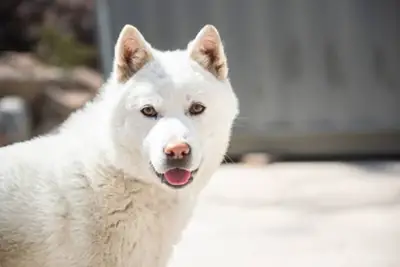
Haven't found the pet you're looking for? Let people who want to find a new home for their pet reach out to you.
Create your free pet adoption request listing now and be seen by thousands of pet owners.
Other listings in your area
French Bulldog puppies ready for their new home.
Gift male and female Labrador Retriever puppies
Chow chow puppies available
Goldendoodle Puppies

Adorable Dachshund Puppies For Adoption
independent dog, not ideal for a typical routine
Popular Searches
Jeju Dog for adoption in Birmingham
Looking for a Jeju Dog for adoption in Birmingham is a niche search, so the listing has to do more than repeat the breed name. This is a rare Korean dog with a loyal, alert and independent character, not a casual choice for someone who only wants an unusual-looking pet.
On Petopic, Birmingham Jeju Dog adoption listings should be checked for age, health, microchip status, temperament, training level, prey drive, reaction to strangers, behaviour around children and ability to settle at home. A strong listing explains the individual dog clearly instead of relying on rarity to attract attention.
Adopt a Jeju Dog in the West Midlands
Because Jeju Dogs are extremely uncommon in the UK, searching across the West Midlands is more realistic than looking only inside Birmingham. Areas such as Solihull, Wolverhampton, Walsall, Dudley, West Bromwich, Sutton Coldfield, Coventry and Redditch may be relevant when a rare Korean dog appears for rehoming.
Distance still should not beat suitability. A Jeju Dog may need secure fencing, calm handling, structured training and an owner who understands independent dogs. The best adoption match is not the closest dog; it is the dog whose behaviour, needs and background match the adopter’s home.
Korean Jeju Dog adoption UK
People searching for Korean Jeju Dog adoption in the UK are usually looking for a rare native Korean breed rather than a common rescue dog. That rarity makes proper screening more important, not less. Breed curiosity should never replace a serious look at temperament, training and daily care.
A useful adoption listing should explain whether the dog is confident or cautious, people-focused or independent, sociable with dogs, safe around small pets and manageable on lead. With a rare Korean breed, the name gets attention; the individual dog’s behaviour decides whether the adoption works.
Jeju Dog rescue near Birmingham
Jeju Dog rescue searches near Birmingham may also overlap with Korean rescue dog, spitz-type rescue or rare breed rehoming searches. A genuine rescue profile should give enough information to understand the dog’s confidence, history, health, social behaviour, training and ideal home.
Weak listings that only say “loyal”, “rare” or “good dog” are not enough. The profile should explain stranger behaviour, lead manners, prey drive, dog compatibility, separation tolerance and whether the dog needs an experienced adult home. Rare dogs still need ordinary daily care, rules and patience.
Jeju Dog puppy for adoption Birmingham
A Jeju Dog puppy in Birmingham may look easier to shape than an adult, but that is where careless owners get caught. A puppy from an alert, independent breed type needs early socialisation, calm exposure, handling practice, recall foundations, lead training and clear home rules from the start.
Before adopting a puppy, check the exact age, vaccination stage, parasite treatment, microchip status, feeding routine, early environment and confidence around people. A cute puppy photo tells you almost nothing about the adult dog. The future owner needs time, structure and consistency.
Adult Jeju Dog for adoption
An adult Jeju Dog can be a stronger choice than a puppy for someone who wants to see the real temperament before committing. With an adult dog, it is easier to assess confidence, guarding behaviour, prey drive, visitor reaction, lead control, grooming tolerance and ability to settle indoors.
Adult adoption is not a downgrade. For a rare, independent dog, it can reduce guesswork. A proper listing should explain why the dog is being rehomed, what kind of home it has lived in, how it behaves with other animals and whether it needs a quieter or more experienced owner.
Rare Korean dog adoption Birmingham
Rare Korean dog adoption in Birmingham may attract people comparing Jeju Dog, Jindo, Sapsali, Pungsan or similar native Korean breeds. That search intent can be dangerous if it is driven only by appearance or rarity. Many Korean breed types can be loyal, alert and intelligent, but they may also be independent, selective and unsuitable for weak handling.
The listing should explain the dog’s actual needs instead of leaning on an exotic breed label. Can the dog live with cats? Is it wary of strangers? Does it need secure fencing? Can it be left alone? Is it suitable for children? These answers matter more than the fact that the breed is unusual.
Jeju Dog secure garden and exercise needs
A Jeju Dog may need more than short pavement walks and a casual garden. This type of dog can be active, alert and interested in movement, scent and territory. Weak fencing, open gates and uncontrolled off-lead spaces can create real problems if recall is not reliable.
Before adopting in Birmingham or the wider West Midlands, check whether the dog has escaped before, how it reacts to wildlife, whether it jumps or digs, and what level of exercise keeps it calm indoors. Secure space is not a luxury for some dogs; it is part of responsible ownership.
Jeju Dog suitable for families
A Jeju Dog may be loyal to its family, but that does not automatically make it suitable for every family home. Children, visitors, noise, fast movement and rough handling all need to be considered honestly before adoption.
A useful listing should say whether the dog has lived with children, how it reacts to being touched, whether it guards food or toys, how it behaves around guests and whether it needs a calmer adult home. Family suitability is not a breed promise; it is an individual behaviour profile.
Jeju Dog with cats and small pets
Anyone with cats, rabbits or small pets should take Jeju Dog adoption seriously. A dog with hunting or chase interest may not be safe around smaller animals unless there is proven history, careful management and controlled introductions.
The listing should say whether the dog has lived with cats, how it reacts to squirrels, birds, small dogs or running animals, and whether it can disengage when called. “May be fine with cats” is not enough. Compatibility must be based on real observation, not hope.
Jeju Dog for experienced owners
A Jeju Dog is usually better suited to someone who understands alert, independent or spitz-type dogs. Heavy-handed training can damage trust, but weak boundaries can create a dog that makes its own decisions in difficult moments.
Before applying, be honest about your experience. Can you manage recall, lead work, visitor control, socialisation, grooming and safe introductions? Can you provide structure every day? Choosing a rare dog because it sounds impressive is a bad reason to adopt.
Jeju Dog rehoming in Birmingham
Jeju Dog rehoming in Birmingham should be handled slowly and carefully. A rare, bonded and sensitive dog can struggle if moved into the wrong home without preparation. Rehoming details should explain the current routine, known triggers, health, training level and ideal next environment.
A responsible rehoming profile should not hide difficult details. If the dog is wary, prey-driven, noisy, selective with dogs, anxious alone or unsuitable for cats, that must be clear. Honest information may reduce enquiries, but it increases the chance of a permanent home.
Frequently Asked Questions
How can I adopt a Jeju Dog in Birmingham?
To adopt a Jeju Dog in Birmingham, start by reviewing listings that give clear details about age, health, microchip status, temperament, training, previous home, behaviour around strangers, children and other animals. This is a rare breed, so vague listings are not good enough.
Before arranging a meeting, ask whether the dog is vaccinated, microchipped, neutered if relevant, used to lead walking, able to settle indoors and suitable for your home setup. Adoption should be based on real compatibility, not breed rarity.
Is a Jeju Dog suitable for first-time owners?
A Jeju Dog is usually not the easiest choice for a first-time owner. This breed type can be loyal and intelligent, but also independent, alert and difficult for someone expecting an effortless family pet.
It is better suited to owners who understand positive training, secure management, recall work, calm boundaries and careful socialisation. If the listing mentions reactivity, poor socialisation or strong prey drive, experience becomes even more important.
Can a Jeju Dog live in a flat?
A Jeju Dog may live in a flat only if its exercise, mental stimulation and calm routine are properly managed. Size alone is not the issue. Alertness, noise sensitivity, prey drive, boredom and lack of secure outdoor access can become problems.
Before adopting, ask whether the dog has lived in a flat before, whether it barks at hallway noise, how long it can be left, how it behaves around neighbours and how much exercise it needs to settle. Flat suitability depends on the individual dog, not the breed name.
What kind of home does a Jeju Dog need?
A Jeju Dog usually needs a stable home with secure boundaries, patient handling, daily exercise, mental stimulation and clear routines. A secure garden, calm household and owner with experience around independent dogs can be a strong advantage.
The ideal home depends on the dog’s individual history. Some may be people-focused and adaptable, while others may be wary, prey-driven or selective with other dogs. The listing should state these details clearly.
Is a Jeju Dog good with children?
A Jeju Dog may live with children if it has the right temperament, history and management, but this should not be assumed. Alert or independent dogs may dislike rough handling, chaotic play or unpredictable movement.
Before adoption, ask whether the dog has lived with children, how it reacts to noise, fast movement, touching, food handling and visitors. Homes with young children should be cautious unless the dog’s behaviour is clearly known.
Can a Jeju Dog live with cats or small pets?
Some Jeju Dogs may live with cats if they have proven experience and careful introductions, but this cannot be assumed. Dogs with chase or hunting interest can be risky around cats, rabbits and other small animals.
Before adopting, ask whether the dog has lived with cats or small pets, how it reacts to wildlife and whether it can disengage when called. If there is no clear history, introductions must be controlled and safety must come first.
How much exercise does a Jeju Dog need?
A Jeju Dog needs regular exercise and mental stimulation. Walks, scent work, training, controlled exploration and structured play are usually more useful than chaotic overexcitement or risky off-lead freedom.
Before adoption, ask about the current routine, lead behaviour, recall, reaction to wildlife and what level of activity keeps the dog settled indoors. A bored, under-managed dog can become noisy, destructive or difficult to control.
Does a Jeju Dog need a secure garden?
A secure garden can be very important for a Jeju Dog, especially if the dog has prey drive, weak recall or a habit of patrolling boundaries. Open gates, low fences and shared entrances can create avoidable risks.
Before adopting, ask whether the dog has escaped, jumped, dug, chased wildlife or reacted to people passing the fence. If the dog needs secure outdoor space, that requirement should be respected from the start.
What health details should I check before adopting a Jeju Dog?
Before adopting a Jeju Dog, ask about vaccinations, microchip status, parasite treatment, weight, mobility, skin, coat condition, dental health, previous veterinary care and any known injuries or behavioural concerns.
If the dog is described as a rare Korean breed, also ask for any known origin, previous ownership history and rehoming background. A responsible listing should make health and background as clear as possible.
What questions should I ask before adopting a Jeju Dog in Birmingham?
Ask why the dog is being rehomed, where it has lived, whether it has experience with children, dogs, cats or small pets, how it behaves with strangers, whether it can be left alone and whether it is manageable on lead.
Also ask about health, microchip status, vaccinations, neutering, grooming, recall, prey drive, secure garden needs and the ideal home. If the answers are vague, slow down. With a rare independent breed, missing information becomes a real problem after adoption.