Norwegian Forest Cats for Free Adoption in Birmingham
There's 1 Norwegian Forest Cat listing live right now, last updated 17 Apr 2026. Find Norwegian Fore... There's 1 Norwegian Forest Cat listing live right now, last updated 17 Apr 2026. Find Norwegian Forest cats for free adoption in Birmingham with the details that actually matter before you enquire: ag... There's 1 Norwegian Forest Cat listing live right now, last updated 17 Apr 2026. Find Norwegian Forest cats for free adoption in Birmingham with the details that actually matter before you enquire: age, microchip status, neutering, vaccinations, grooming needs, indoor or outdoor suitability, litter habits, temperament and whether the cat can live with children, other cats or calm dogs. This large, semi-longhaired cat breed can be gentle, playful and quietly affectionate, but it needs space to climb, regular coat care and a home that understands its independent nature rather than choosing only because of its wild-looking coat.
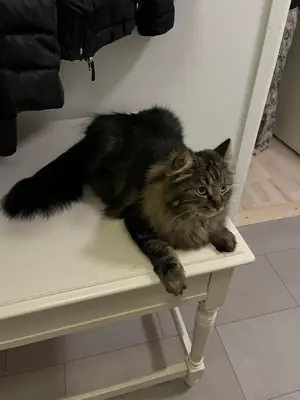
Haven't found the pet you're looking for? Let people who want to find a new home for their pet reach out to you.
Create your free pet adoption request listing now and be seen by thousands of pet owners.
Other listings in your area
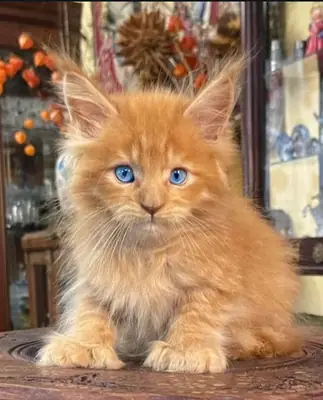
Maine Coon kittens ready for their forever home
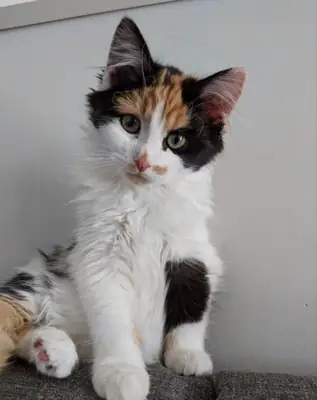
Cymric cat
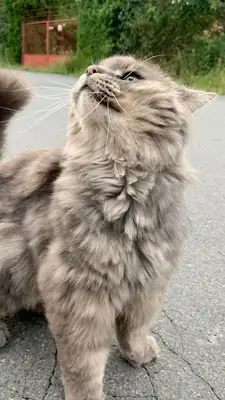
Kurilian Bobtail for Adoption | Confident, Playful | Free to Right Home
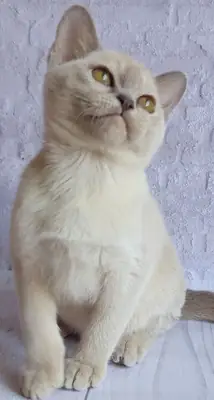
Сharming Lilac Burmese Kitten Archie is Waiting for his Family
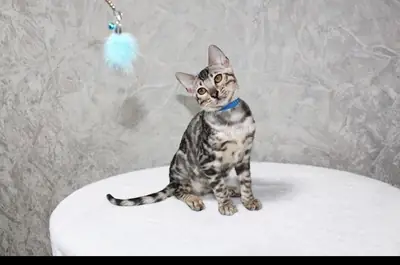
Bengal Kitten for sale
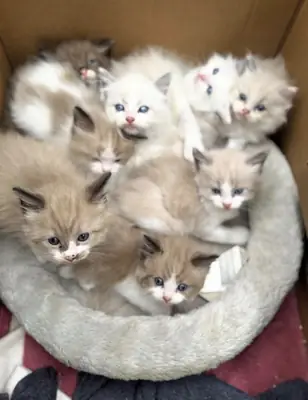
Ragdolls
Popular Searches
Norwegian Forest Cat adoption Birmingham
Norwegian Forest Cat adoption in Birmingham attracts people who want a striking, calm and substantial cat, but this is not a breed to choose from photos alone. A good adoption match should make the cat’s age, confidence level, coat condition, litter routine, health notes and home needs clear before contact.
These cats can be gentle and family-friendly, yet they are also independent, athletic and slow to fully mature. The right home should be ready for climbing space, patient introductions, regular grooming and a stable routine rather than expecting a decorative lap cat.
Free Norwegian Forest Cat adoption Birmingham
Free Norwegian Forest Cat adoption in Birmingham should still be treated as a serious commitment. No adoption fee does not remove the cost of food, grooming tools, flea and worm treatment, vet checks, insurance, dental care, microchip updates and safe home setup.
The strongest Petopic listings help adopters judge the real fit: whether the cat is indoor-only, used to outdoor access, shy with strangers, comfortable with handling, good with other pets and ready for a calm move into a new home.
Norwegian Forest cats for adoption Birmingham
Norwegian Forest cats for adoption in Birmingham may suit adopters who want a larger cat with a natural, rugged look and a quieter type of affection. Many are not constantly demanding, but they still need attention, enrichment and a home that respects their boundaries.
Look beyond coat colour and size. A useful listing should show whether the cat enjoys being brushed, uses a litter tray reliably, climbs furniture, hides from visitors, accepts children and has any known health or mobility concerns.
Norwegian Forest Cat rescue Birmingham
Norwegian Forest Cat rescue searches in Birmingham often come from people hoping to avoid buying while giving a cat a second chance. That intent is good, but rare or distinctive-looking cats can attract rushed enquiries, so the adoption details need to be strong.
A rescue-style match should explain why the cat needs a new home, how it behaves on a normal day, whether it has lived with children or pets, how it handles grooming and whether it needs a quiet room while settling in.
Norwegian Forest Cat rehoming Birmingham
Norwegian Forest Cat rehoming in Birmingham needs honest context because the reason for rehoming changes the adoption risk. A cat being rehomed due to a house move is different from one struggling with children, other pets, toileting stress or grooming neglect.
Adopters should expect clear information about temperament, coat maintenance, indoor or outdoor history, feeding, litter habits, vet records and microchip transfer. Vague urgency is a weak sign for a breed that needs careful placement.
Norwegian Forest Cat adoption West Midlands
Norwegian Forest Cat adoption across the West Midlands can include Birmingham, Solihull, Coventry, Wolverhampton, Walsall, Dudley, Sutton Coldfield, West Bromwich and nearby areas. Local distance helps because adopters can ask better questions and plan a calmer handover.
Regional convenience should not replace proper checks. The cat’s health notes, microchip details, coat condition, temperament and home suitability matter more than finding the nearest available cat.
Adult Norwegian Forest Cat adoption Birmingham
Adult Norwegian Forest Cat adoption in Birmingham can be the smarter choice for many homes because the cat’s size, confidence, grooming tolerance and daily personality are easier to understand than with a kitten.
An adult cat may already show whether it is affectionate, independent, shy, playful, vocal, food-motivated, child-tolerant or better suited to a quieter household. That clarity is valuable when adopting a large longhaired cat.
Norwegian Forest kitten adoption Birmingham
Norwegian Forest kitten adoption in Birmingham needs caution because this breed is slow to mature and can become a large, powerful adult cat. A kitten listing should never rely only on cuteness.
Important details include age, feeding, litter progress, socialisation, vet checks, vaccination plan, microchip status and whether the kitten is confident with normal household sounds. A young Norwegian Forest cat also needs climbing outlets, play and gentle handling from the start.
Indoor Norwegian Forest Cat Birmingham
An indoor Norwegian Forest Cat in Birmingham can settle well when the home gives enough height, scratching areas, window views, play and calm resting spaces. The issue is not only indoor living; it is whether the cat has enough enrichment for its size and energy.
A strong match should make clear whether the cat is already used to indoor life, whether it tries to door-dash, how active it is at night and whether it needs a large cat tree or secure balcony-style enrichment.
Norwegian Forest Cat for flat living Birmingham
A Norwegian Forest Cat can live in a flat only when the setup respects the breed’s need for movement and height. A cramped, empty space with no climbing structure is a poor match for a large athletic cat.
Flat adopters should look for cats already comfortable indoors, calm around corridor noise and happy with litter tray life. Tall scratching posts, strong shelves, daily play and predictable routines are not extras; they are part of making the adoption work.
Longhaired cat adoption Birmingham
Longhaired cat adoption in Birmingham brings extra responsibility because coat neglect can quickly become painful. Norwegian Forest cats have a dense coat that needs regular brushing, especially when shedding increases.
Before adopting, the cat’s grooming tolerance matters. Some cats enjoy brushing, some only allow short sessions, and some need patient desensitisation. A longhaired cat with mats, skin irritation or fear of handling may need extra care from day one.
Large cat adoption Birmingham
Large cat adoption in Birmingham is not just about liking an impressive appearance. A bigger cat needs strong furniture, stable scratching posts, larger litter trays, safe carriers and enough space to move comfortably.
Norwegian Forest cats can look wild, but the adoption decision should be practical: weight, mobility, grooming, diet, temperament, handling comfort and whether the home can safely support an athletic semi-longhaired cat.
Norwegian Forest Cat grooming adoption
Norwegian Forest Cat grooming should be discussed before adoption, not after mats appear. This breed’s coat can look low-effort when it is healthy, but regular brushing helps prevent tangles and gives owners a chance to notice skin issues, parasites or soreness.
Ask whether the cat accepts brushing around the belly, chest, tail and back legs. Those are the places where problems often become obvious when a longhaired cat has not been handled properly.
Norwegian Forest Cat with children Birmingham
A Norwegian Forest Cat with children can be a good match when the cat is confident and the children are respectful. This breed can be gentle, but no cat should be grabbed, chased, carried constantly or disturbed while sleeping.
The most useful adoption details are specific: whether the cat has lived with children, what ages it knows, whether it tolerates being stroked, whether it hides from noise and whether it needs quiet spaces to retreat.
Norwegian Forest Cat with other cats Birmingham
A Norwegian Forest Cat with other cats may work well, but size and confidence can affect the dynamic. Some are sociable, some prefer their own space, and some need slow introductions after rehoming.
Adopters should look for real behaviour detail: whether the cat has lived with other cats, shares resources, guards food, chases, hides or prefers being the only cat. Introductions should be slow, scent-based and controlled.
Norwegian Forest Cat with dogs Birmingham
A Norwegian Forest Cat with dogs in Birmingham depends on the cat’s history and the dog’s behaviour. A calm, cat-aware dog is very different from a chasing, barking or excitable dog.
The listing should make clear whether the cat has lived with dogs, whether it stands its ground, hides, swipes, panics or ignores them. A large cat still needs safe escape routes and control over introductions.
Norwegian Forest Cat temperament adoption
Norwegian Forest Cat temperament is often described as gentle, friendly and independent, but adoption should focus on the individual cat in front of you. Breed traits help, but they do not replace behaviour history.
The strongest matches explain whether the cat seeks attention, follows people, avoids visitors, enjoys play, climbs often, dislikes being picked up or prefers calm company from a distance.
Norwegian Forest Cat health checks adoption
Norwegian Forest Cat health checks before adoption should cover more than whether the cat looks bright in photos. Ask about weight, appetite, dental condition, coat quality, mobility, eyes, breathing, litter habits and any past vet treatment.
For a breed with a large frame and long coat, subtle problems can be hidden under appearance. Clear vet notes and honest health information make the adoption safer for both the cat and the adopter.
Microchipped Norwegian Forest Cat adoption
A microchipped Norwegian Forest Cat adoption should include a clear keeper transfer process. In England, owned cats should be microchipped, and the contact details should be kept up to date.
This matters even for indoor cats. A newly adopted cat can slip through a door, panic in an unfamiliar area or hide outside. Correct microchip details are basic protection, not a small administrative extra.
Neutered Norwegian Forest Cat adoption Birmingham
Neutered Norwegian Forest Cat adoption in Birmingham can make the move easier, especially for adult cats, but the listing should still state clearly whether the cat is neutered and whether proof is available.
If the cat is not neutered, adopters need to understand timing, cost and vet advice. For outdoor or mixed indoor-outdoor cats, neutering status becomes even more important before rehoming.
Vaccinated Norwegian Forest Cat rehoming
Vaccinated Norwegian Forest Cat rehoming should state what has been given, what is due next and whether a vaccination card or vet record exists. “Healthy” is too vague for a confident adoption decision.
Adopters should also check flea and worm treatment, recent illness, appetite, weight, dental care and whether the cat has any medication or follow-up needs. Clear health history beats emotional wording every time.
Norwegian Forest Cat litter trained Birmingham
A litter trained Norwegian Forest Cat in Birmingham should still be given a proper setup after adoption. Bigger cats may need a larger tray, low-stress placement and enough privacy to settle in a new home.
Ask whether the cat uses clumping or non-clumping litter, covered or open trays, whether it has accidents, whether stress affects toileting and whether outdoor habits may change after moving indoors.
Norwegian Forest Cat adoption fee Birmingham
Norwegian Forest Cat adoption fee searches in Birmingham often compare free adoption, private rehoming and rescue-style arrangements. A free cat is not automatically the cheapest option if grooming, dental work, vaccinations or vet checks are missing.
Judge the evidence, not the price. A transparent adoption with clear records and calm communication is stronger than an urgent free listing with no health detail and no microchip transfer plan.
Norwegian Forest Cat adoption scam Birmingham
Norwegian Forest Cat adoption scams can use rare-breed appeal, stolen photos, emotional stories, delivery-only offers, pressure for deposits and vague answers about age, ownership or health records.
Serious adopters should expect current photos or videos, consistent details, proof that the cat exists, microchip information where relevant and a safe handover plan. A rushed rare-breed offer with missing basics is not a bargain; it is a warning sign.
Norwegian Forest Cat near me Birmingham
Norwegian Forest Cat near me Birmingham searches usually come from adopters who want a realistic viewing or collection distance. Local access is useful because it allows better questions and a less stressful transfer for the cat.
Still, “near me” should not override suitability. The right match depends on temperament, grooming, indoor or outdoor needs, health history and whether the cat’s routine can fit the adopter’s home.
Birmingham Solihull Coventry Norwegian Forest Cat adoption
People searching Birmingham, Solihull, Coventry and the wider West Midlands for Norwegian Forest Cat adoption usually want a cat they can meet without travelling across the country. That is sensible when the adoption process is calm and transparent.
Compare listings by the details that protect the cat: age, sex, microchip, neutering, coat care, litter habits, confidence, children, other pets, indoor suitability and the real reason the cat needs a new home.
Frequently Asked Questions
What should I check before adopting a Norwegian Forest Cat in Birmingham?
Check the cat’s age, microchip status, neutering, vaccinations, flea and worm treatment, litter habits, grooming tolerance, indoor or outdoor history, temperament and reason for rehoming.
Because the Norwegian Forest Cat is a large semi-longhaired cat, also ask about climbing needs, coat condition, weight, mobility and whether the cat has lived with children, other cats or dogs.
Is a Norwegian Forest Cat a good adoption cat?
Yes, a Norwegian Forest Cat can be a very good adoption cat for the right home. Many are gentle, playful and quietly affectionate.
The adopter should still be ready for regular grooming, strong climbing furniture, patient settling time and a cat that may be independent rather than constantly attention-seeking.
Can I find Norwegian Forest cats for free adoption in Birmingham?
Yes, free adoption listings may appear in Birmingham, but this breed is not always common, so availability can change.
Free adoption should still include clear information about the cat’s health, microchip, neutering, vaccinations, coat care, behaviour and home needs.
Are Norwegian Forest cats suitable for indoor living?
Some Norwegian Forest cats can live indoors if they have enough space, enrichment, climbing areas, scratching posts, play and calm resting places.
Before adopting an indoor cat, ask whether it is already used to indoor life, whether it tries to escape and how much activity it needs each day.
Can a Norwegian Forest Cat live in a flat?
A Norwegian Forest Cat may live in a flat if the home is properly prepared with strong climbing furniture, a large litter tray, scratching areas and daily play.
A flat with no vertical space or enrichment is a weak match for a large, athletic cat.
Do Norwegian Forest cats need a lot of grooming?
They need regular grooming because they are semi-longhaired cats with a dense coat. Brushing helps prevent tangles and keeps the coat comfortable.
Ask whether the cat accepts brushing, whether it has had mats before and whether it allows handling around the belly, tail and back legs.
Are Norwegian Forest cats good with children?
Many can live with respectful children, but the individual cat’s history matters more than the breed label.
Ask whether the cat has lived with children, what ages it knows, whether it tolerates being touched and whether it needs quiet places away from noise.
Can Norwegian Forest cats live with other cats?
Some Norwegian Forest cats live well with other cats, while others prefer being the only cat.
Ask whether the cat has shared a home with cats before, whether it guards food or space and whether slow introductions will be needed.
Can Norwegian Forest cats live with dogs?
They can sometimes live with calm, cat-friendly dogs, but the match depends on both animals.
Ask whether the cat has dog experience, whether it hides or reacts defensively and whether the dog can remain calm during slow introductions.
Should an adopted Norwegian Forest Cat be microchipped?
Yes. In England, owned cats should be microchipped and keeper details should be kept up to date.
Before adoption, ask how the microchip transfer will be handled and make sure the cat’s details are updated after rehoming.
Should a Norwegian Forest Cat be neutered before adoption?
Adult cats are often neutered before rehoming, but not always. The listing should state the cat’s neutering status clearly.
If the cat is not neutered, ask whether a vet has advised timing and whether the adopter is expected to arrange it.
What health questions should I ask before adopting a Norwegian Forest Cat?
Ask about weight, appetite, dental health, coat condition, mobility, eyes, breathing, litter habits, vaccinations, flea and worm treatment and any medication.
Also ask whether the cat has had any inherited health concerns discussed by a vet, especially if the cat came from a known pedigree background.
Are Norwegian Forest cats affectionate?
Many Norwegian Forest cats are affectionate in a calm, steady way, but they may not be needy or constantly on your lap.
Ask whether the cat seeks attention, enjoys being stroked, follows people, prefers sitting nearby or dislikes being picked up.
Do Norwegian Forest cats need outdoor access?
Some enjoy outdoor access, but it must be safe. Others can live indoors with enough enrichment and climbing space.
Before adopting, ask whether the cat is used to going outside, whether it is road-aware and whether it would adapt to indoor-only living.
Is a Norwegian Forest kitten a good choice for adoption?
A Norwegian Forest kitten can be a good choice for an adopter with time, patience and a safe home setup.
Kittens need socialisation, litter training, play, vet care and supervision. This breed also grows into a large cat, so the long-term commitment should be clear from the start.
Is an adult Norwegian Forest Cat better than a kitten?
For many homes, yes. An adult cat’s temperament, grooming tolerance, size, confidence and routine are easier to judge.
Adult Norwegian Forest cats should not be treated as second choice. They can be the best match for adopters who want a clearer personality before committing.
How do I avoid Norwegian Forest Cat adoption scams?
Be careful with stolen-looking photos, delivery-only offers, urgent deposits, vague ownership details and missing health or microchip information.
Ask for current photos or videos, clear rehoming reasons, consistent answers, microchip transfer details where relevant and a safe handover plan.
What should I prepare before bringing a Norwegian Forest Cat home?
Prepare a quiet starter room, strong cat tree, large litter tray, scratching posts, food and water bowls, familiar food, grooming tools, toys, carrier and a vet registration plan.
Keep the first week calm. Let the cat explore slowly instead of forcing handling, visitors or full-house access immediately.