Birmingham Scottish Fold Cat Adoption
There are 2 Scottish Fold listings live right now, last updated 29 Apr 2026. Adopt a Scottish Fold c... There are 2 Scottish Fold listings live right now, last updated 29 Apr 2026. Adopt a Scottish Fold cat in Birmingham by checking clear rehoming listings for this folded-ear cat breed with serious welf... There are 2 Scottish Fold listings live right now, last updated 29 Apr 2026. Adopt a Scottish Fold cat in Birmingham by checking clear rehoming listings for this folded-ear cat breed with serious welfare needs: age, sex, microchip, vaccination record, neuter status, joint comfort, tail flexibility, walking ability, pain history, vet notes, indoor routine, temperament, children, other pets, adoption conditions and safe handover across the West Midlands.
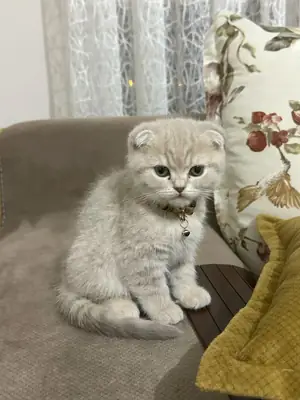
Scottish Fold for free adoption – quiet, affectionate, indoor cat
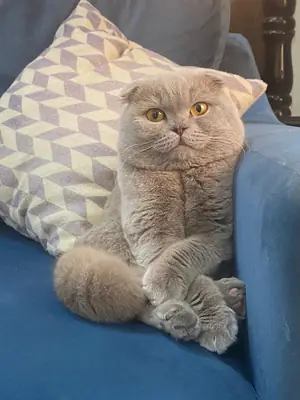
Quiet Scottish Fold cat looking for a calm home
Haven't found the pet you're looking for? Let people who want to find a new home for their pet reach out to you.
Create your free pet adoption request listing now and be seen by thousands of pet owners.
Other listings in your area
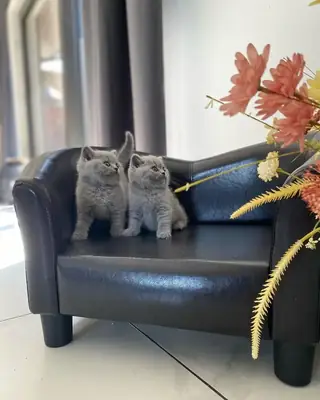
Lovely British Shorthair Kittens Seeking Caring Families
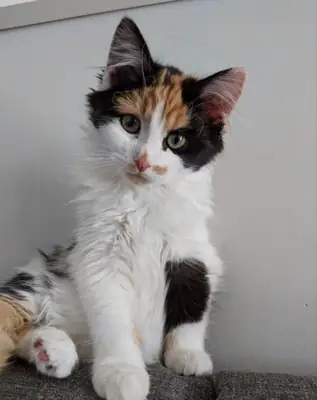
Cymric cat
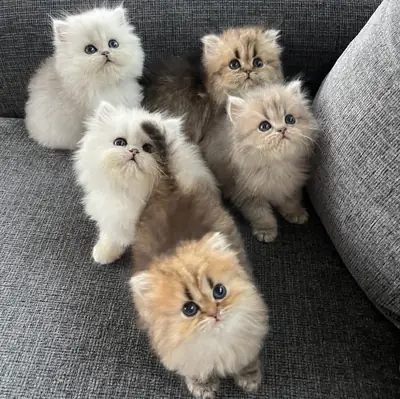
Persian Kitten
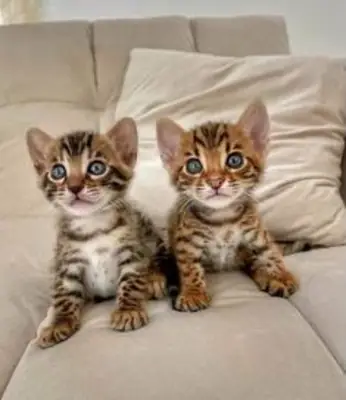
Bengal kittens
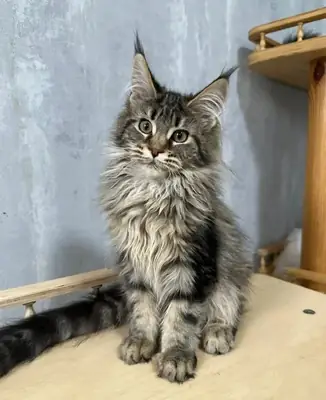
Maine Coon Cats For Sale – Whispers of Elegance Await You!
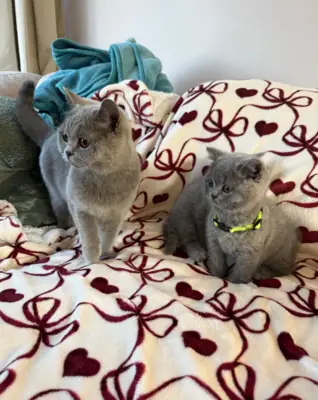
Adorable British Shorthair Kittens
Popular Searches
Scottish Fold adoption Birmingham
Scottish Fold adoption in Birmingham should never be treated as a cute-ear search. This is a cat breed with folded ears, a rounded look and a calm image, but the same feature that creates the folded ear can be linked with painful cartilage and joint problems.
On Petopic, a useful adoption listing should explain the cat’s age, sex, microchip status, vaccination record, neuter status, vet history, mobility, tail flexibility, jumping ability, pain medication, indoor routine, temperament and handover conditions. A Scottish Fold rehoming advert that only says “lovely folded ears” is not good enough.
Adopt Scottish Fold Birmingham
People searching adopt Scottish Fold Birmingham usually want a calm, indoor-friendly cat with a distinctive look. The real decision is whether the adopter can handle possible lifelong vet care, mobility monitoring and a home set up for comfort rather than appearance.
The listing should describe how the cat walks, jumps, climbs, uses the litter tray, reacts to touch around the tail and legs, and whether it has ever shown stiffness, limping or pain. Adoption is not about getting a rare-looking cat cheaply; it is about taking responsibility for the cat already here.
Scottish Fold rescue Birmingham
Scottish Fold rescue Birmingham searches often come from people who want to avoid buying and instead offer a home to a cat that needs rehoming. That is the right angle, but the health questions still cannot be skipped.
A rescue-style advert should make the cat’s reason for rehoming clear: owner illness, relocation, allergy, landlord issue, multi-pet stress, medical cost or behaviour mismatch. It should also state whether the cat is stable, anxious, painful, insured, on medication or due for vet follow-up.
Scottish Fold rehoming West Midlands
Scottish Fold rehoming West Midlands covers Birmingham, Solihull, Wolverhampton, Walsall, Dudley, Coventry and nearby areas. A wider local search helps adopters find the right cat, but it should not turn into rushing the first folded-ear listing available.
Good rehoming information should include location, viewing process, transport expectations, vet records, microchip transfer, home requirements, adoption fee if any and follow-up support. If the owner avoids health history or refuses to explain mobility, the listing is weak.
Scottish Fold cat for adoption near me
Scottish Fold cat for adoption near me is a convenience-led search, but distance should not be the main filter. The closest cat is not automatically the safest match if the listing hides pain history, documents or behaviour details.
Adopters should compare age, health, temperament, indoor needs, other-pet history, children tolerance, vet notes and handover transparency before location. For Scottish Fold cats, a slightly longer trip for a clearer history is better than a quick local adoption with missing information.
Folded ear cat adoption Birmingham
Folded ear cat adoption Birmingham catches users who may not know the breed name but recognise the look. The content must connect that visual trait with the right welfare warning: folded ears are not just a cute detail.
A listing should explain whether the cat is definitely Scottish Fold, mixed Scottish Fold, Scottish Straight relative or simply a cat with unusual ears. It should also include vet history and movement notes. The ear shape may attract attention, but comfort and health decide suitability.
Adult Scottish Fold adoption Birmingham
Adult Scottish Fold adoption in Birmingham can be more realistic than kitten adoption because the cat’s movement, temperament, pain signs and indoor habits are easier to assess. With this breed, adult history is valuable.
The advert should explain age, neuter status, weight, joint comfort, jumping ability, litter habits, grooming tolerance, appetite, medication, insurance and how the cat behaves around visitors or other animals. An adult Scottish Fold with clear vet notes is far stronger than a vague “healthy and cute” listing.
Scottish Fold kitten adoption Birmingham
Scottish Fold kitten adoption Birmingham needs careful wording because kitten demand can encourage poor decisions. If a kitten is being rehomed, the listing must be clear about age, mum, early care, vet checks, microchip, vaccinations and why adoption is needed.
For this breed, adopters should also ask whether a vet has checked movement, tail flexibility and early signs of discomfort. A kitten with folded ears may look adorable, but the adopter must think about the cat’s adult body, not just the first photo.
Free Scottish Fold adoption Birmingham
Free Scottish Fold adoption Birmingham is a risky search if the user only wants to avoid purchase cost. A free rehoming can still involve vet bills, pain management, insurance limits, mobility support and long-term care.
The listing should be honest about any adoption fee, included items, vet records, medication, microchip transfer, food, litter, carrier and follow-up contact. Free adoption is not free ownership, especially with a breed that may need careful monitoring.
Microchipped Scottish Fold adoption
Microchipped Scottish Fold adoption should include a clear transfer plan. In England, pet cats must be microchipped by 20 weeks, so the adopter needs to know whether the chip exists and how keeper details will be updated.
The advert should state microchip status, vaccination record, neuter status, vet practice notes, medication and any existing insurance information. “The new owner can sort it later” is poor wording for a responsible cat handover.
Scottish Fold joint problems
Scottish Fold joint problems must be central to any adoption page. Stiffness, reluctance to jump, thickened legs or paws, tail sensitivity, limping, reduced play or hiding may all be signs the adopter should ask about before committing.
A strong listing should describe how the cat moves, whether it jumps onto furniture, whether it uses stairs, whether it tolerates tail handling and whether a vet has discussed arthritis or pain relief. Pretending this topic does not exist is irresponsible.
Scottish Fold osteochondrodysplasia adoption
Scottish Fold osteochondrodysplasia adoption is a serious welfare search. The term may be technical, but adopters need to understand that this breed’s ear fold is linked with cartilage issues that can affect joints and comfort.
Listings should not hide behind soft wording. If the cat has mobility issues, pain medication, stiff tail, paw changes or reduced jumping, say it clearly. The right adopter can plan; the wrong adopter will return the cat when the reality appears.
Scottish Fold arthritis signs
Scottish Fold arthritis signs may be subtle. A cat may stop jumping, sleep more, avoid stairs, resist being touched, groom less, miss the litter tray, hide, become irritable or move with a shorter stride.
The adoption advert should mention any behaviour change, mobility score, vet comment, pain relief, supplements or home adjustments. A calm cat is not automatically a comfortable cat; low movement can sometimes be pain, not laziness.
Scottish Fold tail stiffness
Scottish Fold tail stiffness is one of the details adopters should not ignore. A stiff or painful tail can signal wider cartilage and joint discomfort, and the cat may dislike being touched around the back end.
The listing should say whether the cat’s tail is flexible, whether it reacts when touched, whether it walks normally and whether a vet has checked it. This is not a cosmetic detail; it is a welfare clue.
Scottish Fold indoor cat adoption
Scottish Fold indoor cat adoption can work well if the home is calm, enriched and mobility-friendly. Indoor life should include soft resting areas, low-entry litter trays, ramps or steps if needed, scratching options and gentle play.
The advert should state whether the cat is indoor-only, has balcony experience, uses litter reliably, copes with visitors and tolerates being left for reasonable periods. Indoor does not mean no needs; it means the home must carry more responsibility.
Scottish Fold flat adoption Birmingham
Scottish Fold flat adoption in Birmingham can suit many cats if the space is safe, quiet and adapted. The main issue is not square metres; it is whether the cat can move comfortably and rest without being disturbed.
The listing should explain whether the cat is used to flats, lifts, hallway noise, indoor-only life and small spaces. For a cat with joint discomfort, slippery floors, high furniture and hard-to-access litter trays can make daily life worse.
Scottish Fold with children
A Scottish Fold may live with children, but children must be gentle and understand that this cat may not enjoy being picked up, squeezed or touched around painful joints. The folded-ear look can make people treat the cat like a toy, which is exactly the wrong mindset.
The advert should say whether the cat has lived with children, how it reacts to noise, fast movement, being lifted, cuddling, food and play. A child-friendly match depends on behaviour and comfort, not the breed’s soft expression.
Scottish Fold with other cats
A Scottish Fold can live with other cats if introductions are slow and the home has enough space, litter trays and resting areas. A cat with pain may be less tolerant of rough play or being chased.
The listing should describe whether the cat has lived with other cats, shares food, uses litter confidently, hides, hisses, plays or prefers to be alone. A multi-cat home must be calm, not crowded.
Scottish Fold with dogs
A Scottish Fold may live with a calm cat-safe dog, but a chasing or noisy dog can create stress, especially if the cat has mobility issues and cannot escape comfortably.
The advert should say whether the cat has seen dogs, whether it hides, freezes, approaches, hisses or becomes stressed. Homes with dogs need safe rooms, high resting spots or low escape routes, and patient introductions.
Scottish Fold temperament adoption
Scottish Fold temperament is often described as calm and affectionate, but adoption listings must avoid lazy stereotypes. Pain, stress, previous home changes or poor handling can affect behaviour more than breed label.
A useful listing should explain whether the cat is shy, confident, lap-loving, independent, playful, vocal, food-motivated, nervous with visitors or sensitive to being lifted. “Lovely cat” is too thin unless the owner gives real behaviour examples.
Scottish Fold grooming and weight
Scottish Fold grooming and weight matter because reduced movement can make weight gain easier, and extra weight can make joint discomfort worse. Coat type, brushing tolerance and body condition should be part of the listing.
The advert should mention current food, feeding routine, weight, grooming needs, shedding, nail checks and whether the cat tolerates being brushed. A cat that moves less still needs enrichment and measured meals.
Scottish Fold insurance adoption UK
Scottish Fold insurance adoption UK is a practical search because this breed can carry higher vet-care risk. Existing conditions, arthritis, pain medication and mobility issues may affect cover or exclusions.
The listing should say whether the cat has insurance, past claims, diagnosed conditions, medication or regular vet follow-up. Adopters should budget before adoption, not after the first painful flare-up.
Rehome my Scottish Fold Birmingham
Rehome my Scottish Fold Birmingham is the intent of owners who need to place their cat safely. The advert should not hide problems to make the cat easier to adopt; hiding pain, anxiety or medication only creates failed adoption later.
Write the cat’s real routine: feeding, litter, favourite resting spots, pain signs, vet history, children, pets, handling tolerance and what kind of home it needs. A truthful listing may get fewer messages, but better ones.
Safe Scottish Fold handover Birmingham
A safe Scottish Fold handover in Birmingham should include microchip transfer, vaccination record, neuter status, vet notes, medication, food routine, litter information, insurance details if any and the cat’s pain or mobility history.
At home, the first day should be quiet: one room, low-entry litter tray, familiar food, water, soft bed, hiding place and no crowd of visitors. For a Scottish Fold, comfort and calm matter more than excitement.
Frequently Asked Questions
What type of animal is a Scottish Fold?
A Scottish Fold is a domestic cat breed known for its folded ears, rounded look and calm image. It is not a dog, not a toy and not a cat to choose only because the ears look cute.
The breed needs careful welfare awareness, vet history checks, mobility monitoring, gentle handling, indoor comfort and a home that understands possible joint and cartilage-related problems.
What should I check before adopting a Scottish Fold in Birmingham?
Check age, sex, microchip, vaccination record, neuter status, vet history, pain history, joint comfort, tail flexibility, walking ability, jumping ability, litter habits and temperament.
You should also ask whether the cat has lived with children, other cats, dogs, visitors, indoor-only routines and whether it needs medication, ramps, low litter trays or regular vet follow-up.
Why are Scottish Fold ears a welfare concern?
The folded ear shape is linked with cartilage changes, and those changes can also affect joints elsewhere in the body. This is why adoption content should never treat the ears as only a cute feature.
Before adopting, ask about movement, stiffness, pain, tail sensitivity, jumping, stairs and veterinary advice. The cat’s comfort matters more than the folded-ear look.
Is adopting a Scottish Fold better than buying one?
Adopting an existing Scottish Fold can give a home to a cat that already needs care, but it still requires serious preparation. Adoption should not be used as a way to get a rare-looking cat cheaply.
The adopter must understand possible vet costs, pain management, indoor adjustments and long-term welfare responsibilities before taking the cat home.
What signs of pain should I ask about in a Scottish Fold?
Ask about limping, stiffness, reluctance to jump, hiding, irritability, reduced play, grooming changes, litter tray accidents, tail sensitivity and thickened or painful paws or legs.
A calm cat is not always a pain-free cat. Low activity can sometimes be discomfort, so vet notes and daily behaviour details matter.
Why is tail flexibility important in a Scottish Fold?
Tail stiffness or pain can be a warning sign of wider cartilage and joint issues. Some Scottish Folds may dislike being touched around the tail or back end.
Before adoption, ask whether the cat’s tail moves normally, whether it reacts to touch and whether a vet has checked its mobility.
Does a Scottish Fold need to be microchipped in England?
Pet cats in England must be microchipped by 20 weeks of age, and keeper details should be kept up to date on an approved database.
During adoption, confirm whether the cat is already microchipped and how the keeper details will be transferred after handover.
Is a Scottish Fold suitable for indoor life?
Yes, a Scottish Fold can suit indoor life if the home is calm, enriched and mobility-friendly. Soft beds, low-entry litter trays, scratching posts, ramps and gentle play can help.
Indoor life should not mean boredom. The cat still needs mental stimulation, routine and a comfortable space that respects its body.
Can a Scottish Fold live in a flat?
It can, if the flat is safe, quiet and adapted to the cat’s mobility. Hard floors, high furniture, steep jumps and difficult litter access may be a problem for a cat with joint discomfort.
Ask whether the cat is used to indoor-only life, hallway noise, lifts, visitors and being left for reasonable periods.
Are Scottish Folds good with children?
Some Scottish Folds can live with children, but handling must be gentle. Children should not pick up, squeeze, chase or touch painful areas of the cat.
Before adoption, ask whether the cat has lived with children, how it reacts to noise and whether it dislikes being lifted or touched around the legs and tail.
Can a Scottish Fold live with other cats?
It can, depending on the individual cat and the home setup. A cat with pain or low mobility may dislike rough play, chasing or crowded spaces.
Ask whether the cat has lived with other cats, how it shares food and litter areas, and whether it prefers company or quiet space.
Can a Scottish Fold live with dogs?
A Scottish Fold may live with a calm cat-safe dog, but a chasing, loud or pushy dog can create stress. A cat with joint pain may not escape quickly or comfortably.
Ask about previous dog experience and prepare safe rooms, hiding spaces and slow introductions before allowing direct contact.
What home setup helps a Scottish Fold?
A helpful setup includes soft beds, low-entry litter trays, non-slip surfaces, gentle ramps or steps, easy food and water access, calm hiding places and moderate play.
The home should reduce unnecessary jumping and slipping while still giving the cat enrichment and choice.
Is pet insurance important for a Scottish Fold?
Insurance is worth considering carefully because joint pain, arthritis monitoring, medication and veterinary follow-up can become expensive. Existing conditions may affect cover.
Before adoption, ask whether the cat has past diagnoses, current medication, previous claims or regular vet needs.
How should a Scottish Fold be handed over in Birmingham?
The handover should be calm, documented and honest. The adopter should receive microchip details, vaccination record, neuter status, vet notes, medication information, food routine, litter details and behaviour history.
At home, start with one quiet room, familiar food, water, low-entry litter tray, soft bed and hiding space. Avoid crowds, rough handling and forcing the cat to explore too quickly.