Maine Coon Cats for Free Adoption in Blackpool
Find Maine Coon cats for free adoption in Blackpool with the details serious adopters need before ma... Find Maine Coon cats for free adoption in Blackpool with the details serious adopters need before making contact: age, microchip status, neutering, vaccinations, grooming tolerance, indoor or outdoor ... Find Maine Coon cats for free adoption in Blackpool with the details serious adopters need before making contact: age, microchip status, neutering, vaccinations, grooming tolerance, indoor or outdoor history, litter habits, temperament, health notes and whether the cat can live with children, dogs or other cats. Maine Coons are large, sociable, semi-longhaired cats with a gentle presence, but a good adoption match should look beyond size and beauty to space, strong climbing furniture, coat care, heart and hip awareness, diet control and a calm settling routine on the Fylde Coast.
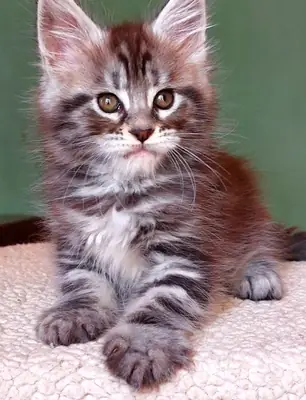
Very Gentle and Tame Beauty Maine Coon Galaxy
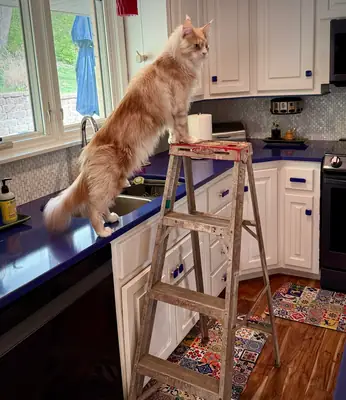
taking my time to find the right home
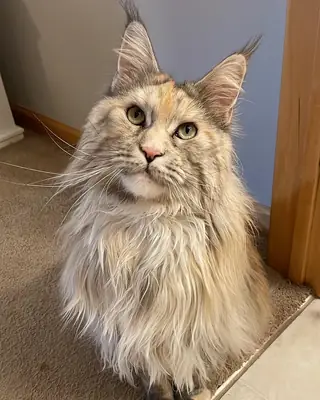
Large maine coon cat looking for a calm home
Haven't found the pet you're looking for? Let people who want to find a new home for their pet reach out to you.
Create your free pet adoption request listing now and be seen by thousands of pet owners.
Quick Information
Other listings in your area
Playful Bengal cat used to apartment life
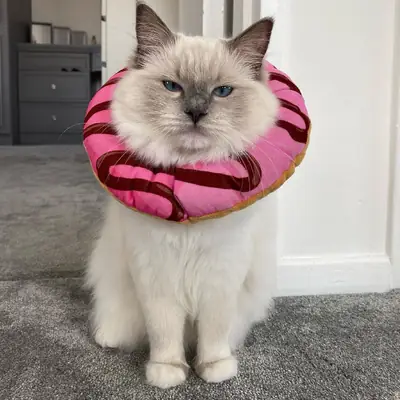
🏆GCCF REG. EXTENSIVELY TESTED RAGDOLL KITTENS 🌟
easy cat, just doesn’t match my current routine
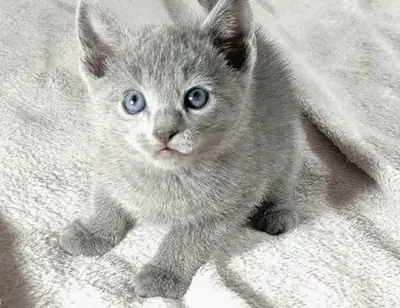
Russian Blue Cat Thomas — Handsome Boy with a Blue Coat
Cyprus Cat Adoption | Friendly and Healthy Cat
not urgent, just want a better setup for her
Popular Searches
Maine Coon cats for free adoption Blackpool
Maine Coon cats for free adoption in Blackpool should be judged by home fit, not by how impressive the cat looks in photos. A no-fee adoption still needs clear information about the cat’s age, microchip, neutering, vaccinations, coat condition, litter habits, health history and reason for rehoming.
This is a large, semi-longhaired cat breed that needs space, sturdy climbing options, regular grooming and an adopter who understands that “gentle giant” does not mean low-maintenance.
Free Maine Coon adoption Blackpool
Free Maine Coon adoption in Blackpool can be a brilliant opportunity for the right home, but free should not mean careless. Large cats can bring higher food costs, bigger litter trays, stronger furniture, grooming tools, vet checks and transport needs.
Before enquiring, look for honest details about temperament, whether the cat is indoor-only, whether it has lived with children or pets, whether it tolerates brushing and whether there are any heart, hip, weight or mobility concerns.
Maine Coon adoption Blackpool
Maine Coon adoption in Blackpool usually attracts people looking for a friendly, impressive family cat. That intent is understandable, but the adoption decision should be based on routine, health evidence and the individual cat’s behaviour.
Ask whether the cat follows people, chirps for attention, dislikes being picked up, climbs high, hides from noise, guards food or needs a slow introduction period. Breed reputation helps, but the individual cat decides the match.
Maine Coon rescue Blackpool
Maine Coon rescue in Blackpool can involve cats that need more than a beautiful new home. Some are rehomed because of owner illness, housing changes, grooming neglect, conflict with other pets, cost, stress or lifestyle mismatch.
A strong rescue-style listing should explain the cat’s background, normal-day behaviour, handling comfort, coat condition, vet notes, litter routine and whether the cat needs a quiet starter room before exploring the whole home.
Maine Coon rehoming Blackpool
Maine Coon rehoming in Blackpool needs direct questions because the reason for rehoming changes the adopter’s future. A cat rehomed due to a house move is different from one rehomed because it cannot cope with children, dogs, grooming or being kept indoors.
Ask why the cat needs a new home, how long the current owner has had it, whether vet records exist, whether the microchip can be transferred and what the cat is like when it is relaxed, stressed and handled.
Maine Coon kittens for free adoption Blackpool
Maine Coon kittens for free adoption in Blackpool will receive fast attention, so the checks must be strict. A kitten listing should include age, microchip status, vaccination plan, worming, flea treatment, feeding routine, litter progress, socialisation and a clear reason for adoption.
This breed grows slowly and can become a very large adult cat. A kitten that looks cute now still needs long-term space, grooming, food, insurance planning and safe climbing outlets.
Adult Maine Coon adoption Blackpool
Adult Maine Coon adoption in Blackpool can be more realistic than chasing kittens because the cat’s size, coat, confidence, grooming tolerance and personality are already clearer.
An adult cat may show whether it is sociable, vocal, independent, shy, dog-friendly, child-friendly, active at night or better suited to a quiet home. That clarity matters more than having the youngest cat available.
Senior Maine Coon adoption Blackpool
Senior Maine Coon adoption in Blackpool can be deeply rewarding for a calm home, but older large cats need honest care planning. Dental work, arthritis, weight control, grooming support, heart checks, mobility issues and litter tray access can all matter.
Ask about stairs, jumping, appetite, weight, breathing, medication, recent vet notes, litter habits and whether the cat still enjoys brushing. A senior Maine Coon can be wonderful, but only if the adopter is ready for the real care load.
Maine Coon adoption near me Blackpool
Maine Coon adoption near me searches around Blackpool usually include South Shore, North Shore, Bispham, Layton, Poulton-le-Fylde, Cleveleys, Fleetwood, Lytham St Annes, Preston and the wider Fylde Coast.
Local distance helps with a calmer handover, but it should not override suitability. A nearby Maine Coon with vague health notes, poor coat condition or unclear rehoming reasons is still a weak adoption option.
Large cat adoption Blackpool Maine Coon
Large cat adoption in Blackpool often leads people to Maine Coons because the breed has size, presence and a calm reputation. The practical side is where many adopters underestimate the cat.
A large cat needs a bigger litter tray, strong scratching posts, a secure carrier, sturdy shelves or cat trees and enough floor space to move comfortably. If the home is built for a tiny cat, it may not be ready for a Maine Coon.
Gentle giant cat adoption Blackpool
Gentle giant cat adoption in Blackpool is a common way people describe the Maine Coon they want. The phrase is useful, but it can also make adopters too relaxed about checks.
Gentle cats still need boundaries, quiet space, safe introductions and proper handling. Ask whether the cat enjoys people, follows family members, accepts brushing, tolerates being picked up or prefers affection on its own terms.
Longhaired cat adoption Blackpool
Longhaired cat adoption in Blackpool brings a real grooming responsibility. Maine Coons have a coat that can tangle around the belly, trousers, chest, tail and armpits if brushing is inconsistent.
Ask whether the cat accepts grooming, whether mats have been shaved before, whether a groomer was needed and whether the cat becomes defensive when handled. A beautiful coat can become painful if the adopter is lazy.
Maine Coon grooming adoption Blackpool
Maine Coon grooming should be discussed before adoption, not after the cat arrives with knots. Some cats enjoy brushing as attention, while others only tolerate short sessions and need patience.
Ask how often the cat is brushed, which brush it accepts, whether it allows belly handling, whether claws are trimmed and whether there are any skin, flea, dandruff or coat-thinning issues.
Indoor Maine Coon adoption Blackpool
Indoor Maine Coon adoption in Blackpool can work if the home gives enough height, play, window views, scratching surfaces and calm resting areas. The issue is not indoor living by itself; it is whether the cat has enough enrichment for its size and energy.
Ask whether the cat is already indoor-only, whether it tries to door-dash, whether it gets bored at night and whether it needs secure outdoor-style enrichment such as a safe garden setup or enclosed balcony routine.
Maine Coon for flat living Blackpool
A Maine Coon can live in a flat in Blackpool only if the flat is prepared for a large, active cat. A small room with no climbing frame, weak furniture and a cramped litter tray is a poor fit.
Flat adopters should think about vertical space, noise, litter tray placement, escape prevention, daily play and whether the cat has already lived happily indoors. Space quality matters more than the postcode.
Maine Coon with children Blackpool
A Maine Coon with children in Blackpool can be a strong family match when the cat is confident and the children respect space. This breed may be gentle, but it should not be climbed on, chased, grabbed or treated like a large toy.
Ask whether the cat has lived with children, what ages it knows, whether it hides from noise, whether it swipes when overstimulated and whether it has safe high places to retreat.
Maine Coon with dogs Blackpool
A Maine Coon with dogs in Blackpool can work if the cat has dog experience and the dog is calm. Size does not mean the cat should be forced to “stand up for itself” around a pushy dog.
Ask whether the cat has lived with dogs, whether it hides, swipes, chases, freezes or relaxes around them. Introductions should be slow, supervised and built around escape routes.
Maine Coon with other cats Blackpool
A Maine Coon with other cats may be sociable, but the match depends on territory, confidence, age and resource sharing. A large friendly cat can still intimidate a smaller resident cat without meaning to.
Ask whether the Maine Coon has shared food, litter trays, sleeping areas and owner attention before. Slow scent introductions are safer than dropping cats into the same room and hoping they sort it out.
Microchipped Maine Coon adoption Blackpool
Microchipped Maine Coon adoption in Blackpool should include a clear keeper transfer process. A newly adopted cat may hide, slip outside or panic in an unfamiliar area, so correct identification matters immediately.
Ask for the microchip number process, whether the current details are accurate and how the transfer will be completed after adoption. Indoor cats need this protection too.
Neutered Maine Coon adoption Blackpool
Neutered Maine Coon adoption in Blackpool can make adult rehoming simpler, especially if the cat has outdoor history or has lived with other cats. The listing should still state neutering clearly and not leave the adopter guessing.
If the cat is not neutered, ask whether a vet has advised timing, whether there are behaviour issues linked to hormones and whether the adopter is expected to arrange it quickly after adoption.
Vaccinated Maine Coon rehoming Blackpool
Vaccinated Maine Coon rehoming in Blackpool should state what has been given, what is due next and whether a vet record is available. “Healthy” without detail is too thin for a large pedigree-type cat.
Ask about boosters, flea and worm treatment, dental checks, weight, appetite, coat condition, heart notes, mobility and any medication. Good adoption detail prevents bad surprises.
Maine Coon HCM adoption
Maine Coon HCM adoption searches come from people who understand that heart history matters in this breed. A cat with a heart concern is not automatically unadoptable, but the adopter needs clear vet information and a realistic budget.
Ask whether the cat has had a heart murmur, scan, genetic test, medication, fainting, breathing changes or exercise intolerance. Heart history should never be hidden behind pretty photos.
Maine Coon hip dysplasia adoption
Maine Coon hip dysplasia adoption checks matter because large cats can show discomfort through subtle changes: avoiding jumps, moving stiffly, sleeping more, hesitating on stairs or disliking being touched around the back end.
Ask whether a vet has checked mobility, whether X-rays were ever done, whether the cat limps and whether pain relief or weight control has been discussed. Big cats need mobility taken seriously.
Overweight Maine Coon adoption
Overweight Maine Coon adoption should not be brushed off as “just a big cat”. This breed is naturally large, but extra weight can put more strain on hips, joints, grooming ability and daily comfort.
Ask current weight, body condition, feeding routine, treat habits, mobility and whether a vet has advised weight loss. A Maine Coon should be substantial, not neglected into heaviness.
Maine Coon litter tray adoption Blackpool
Maine Coon litter tray needs are easy to underestimate. A large cat may need an extra-large tray, open access, stable placement and a litter type it already accepts.
Ask whether the cat uses a covered or open tray, whether it has accidents, whether stress affects toileting and whether the current tray is actually big enough. Bad litter setup can create problems that look like behaviour issues.
Maine Coon personality adoption Blackpool
Maine Coon personality is often described as friendly, playful and people-oriented, but adopters need the real cat, not the breed brochure. Some are confident greeters; others are cautious watchers who need time.
Ask whether the cat follows people, chirps, plays fetch, climbs often, dislikes closed doors, wants company or prefers affection without being picked up. The best adoption match respects the cat’s actual style.
Private Maine Coon rehoming Blackpool
Private Maine Coon rehoming in Blackpool can be genuine, but it needs more caution than a structured rescue process. Some owners are honest; others may minimise grooming problems, vet costs, stress behaviour or conflict with other pets.
Ask for vet records, microchip transfer, neutering proof, vaccination status, normal-day videos and the exact reason for rehoming. A responsible owner should care where the cat goes, not just how quickly it leaves.
Maine Coon adoption scam Blackpool
Maine Coon adoption scams in Blackpool can use stolen photos, rare-breed urgency, fake rescue stories, delivery-only offers and requests for holding or transport fees before proper proof exists.
Ask for current videos, proof of ownership, microchip details, vet records, a clear rehoming reason and a safe handover plan. If the cat is rare-looking but the evidence is weak, stop.
Blackpool Fleetwood Lytham Maine Coon adoption
Maine Coon adoption searches around Blackpool, Fleetwood, Cleveleys, Poulton-le-Fylde, Lytham St Annes, Preston and the Fylde Coast usually come from adopters wanting a realistic local handover distance.
Use that local reach properly: check health notes, coat condition, microchip transfer, litter routine, home suitability and whether the cat can cope with your household before arranging collection.
Frequently Asked Questions
What should I check before adopting a free Maine Coon in Blackpool?
Check the cat’s age, microchip status, neutering, vaccinations, flea and worm treatment, litter habits, grooming tolerance, health history, temperament and reason for rehoming.
For a Maine Coon, also ask about heart notes, hip or mobility issues, weight, coat condition, indoor or outdoor history and whether the cat needs a large litter tray and strong climbing furniture.
Is a Maine Coon a good adoption cat?
Yes, a Maine Coon can be a very good adoption cat for the right home. Many are friendly, playful, sociable and gentle.
The adopter must still be ready for grooming, space, strong furniture, bigger equipment, regular vet care and a settling routine that respects the cat’s confidence level.
Can I adopt a Maine Coon for free in Blackpool?
Free Maine Coon adoption listings may appear in Blackpool, but availability can be limited because the breed is popular and distinctive.
Do not choose only because there is no adoption fee. Check the cat’s health, documents, behaviour, coat condition and rehoming reason before committing.
Should an adopted Maine Coon be microchipped?
Yes. An adopted Maine Coon should be microchipped, and the keeper details should be transferred correctly after adoption.
Ask how the microchip transfer will be handled before collection, even if the cat is indoor-only.
Should a Maine Coon be neutered before adoption?
Many adult rehomed cats are neutered, but not all. Ask whether the Maine Coon is neutered and whether proof or vet notes are available.
If the cat is not neutered, ask whether a vet has advised timing and whether the adopter is expected to arrange it soon after adoption.
Should a Maine Coon be vaccinated before rehoming?
Vaccination status should be clear before adoption. Ask what has been given, what is due next and whether a vet record is available.
Also ask about flea treatment, worming, recent illness, appetite, weight, coat condition and any current medication.
Do Maine Coons need a lot of grooming?
Yes. Maine Coons are semi-longhaired cats and need regular brushing to prevent knots and mats.
Before adoption, ask whether the cat accepts grooming, whether it has mats, whether it has needed shaving and whether it allows handling around the belly, tail and back legs.
Can a Maine Coon live indoors?
Yes, some Maine Coons can live indoors if they have enough space, climbing areas, scratching posts, play, window views and calm resting places.
Ask whether the cat is already indoor-only, whether it tries to escape and whether it needs secure outdoor-style enrichment.
Can a Maine Coon live in a flat in Blackpool?
A Maine Coon can live in a flat if the home is prepared for a large, active cat with vertical space, strong furniture and a suitable litter setup.
A cramped flat with no climbing areas or enrichment is a poor match, even if the cat is calm.
Are Maine Coons good with children?
Many Maine Coons can be good with respectful children, but the individual cat’s history matters.
Ask whether the cat has lived with children, what ages it knows, whether it hides from noise and whether it dislikes being picked up or overhandled.
Can Maine Coons live with dogs?
Some Maine Coons can live with calm, cat-friendly dogs, especially if they have previous dog experience.
Ask whether the cat hides, swipes, chases, freezes or relaxes around dogs, and use slow supervised introductions after adoption.
Can Maine Coons live with other cats?
Some Maine Coons live well with other cats, but the match depends on territory, confidence, age and resource sharing.
Ask whether the cat has shared food, litter trays and sleeping areas before, and introduce cats slowly using scent and separate spaces first.
What health problems should I ask about in a Maine Coon?
Ask about heart history, HCM, hip dysplasia, patellar issues, weight, mobility, dental health, breathing, appetite, coat condition and any medication.
A Maine Coon does not need a perfect health history to be adoptable, but the history must be honest and clear.
What is HCM in Maine Coons?
HCM means hypertrophic cardiomyopathy, a heart condition that can affect some Maine Coons.
Ask whether the cat has had a murmur, scan, genetic test, medication, fainting, breathing changes or exercise intolerance.
Do Maine Coons get hip problems?
Some Maine Coons can have hip or mobility issues. Large cats may show discomfort by avoiding jumps, moving stiffly or becoming less active.
Ask whether a vet has checked mobility, whether the cat limps and whether weight control or pain management has been discussed.
Is a senior Maine Coon a good adoption choice?
A senior Maine Coon can be a wonderful adoption choice for a calm home, especially if the adopter wants an established personality.
Ask about mobility, stairs, dental care, weight, grooming, heart checks, medication, litter habits and recent vet notes.
What equipment does a Maine Coon need?
A Maine Coon may need an extra-large litter tray, strong scratching posts, a sturdy cat tree, a secure carrier, grooming tools, wide bowls and enough space to move comfortably.
Weak kitten-sized furniture is usually a bad fit for a large adult Maine Coon.
How do I avoid Maine Coon adoption scams in Blackpool?
Watch for stolen photos, rare-breed urgency, delivery-only offers, emotional pressure, transport fees, missing microchip details and vague health records.
Ask for current videos, proof of ownership, microchip information, vet records, a clear rehoming reason and a safe handover plan.
What should I prepare before bringing a Maine Coon home?
Prepare a quiet starter room, large litter tray, sturdy cat tree, strong scratching posts, grooming tools, familiar food, water bowls, toys, secure carrier and vet registration.
Keep the first week calm. Let the cat explore slowly instead of forcing full-house access, visitors or constant handling immediately.