Free Pomeranian Adoption in Blackpool
There are 2 Pomeranian listings live right now, last updated 14 Apr 2026. Find free Pomeranian dogs ... There are 2 Pomeranian listings live right now, last updated 14 Apr 2026. Find free Pomeranian dogs for adoption in Blackpool with the details that matter before you enquire: age, microchip status, ne... There are 2 Pomeranian listings live right now, last updated 14 Apr 2026. Find free Pomeranian dogs for adoption in Blackpool with the details that matter before you enquire: age, microchip status, neutering, vaccinations, grooming needs, barking habits, toilet routine, separation anxiety, health history and whether the dog can live with children, other dogs or in a flat. Pomeranians are tiny companion dogs with a bold personality and a high-maintenance fluffy coat, so a good adoption match should be based on temperament, daily routine, safe handling and honest rehoming information rather than just a cute face.
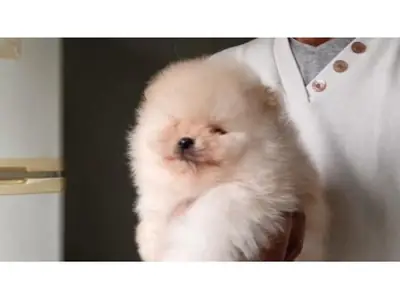
White adult Pomeranian female looking for a calm home
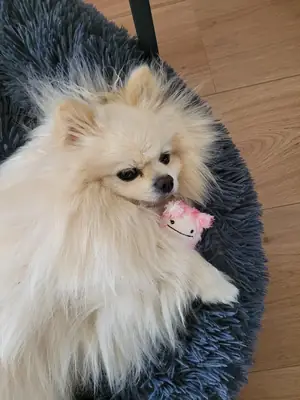
Small pomeranian looking for a more active home
Haven't found the pet you're looking for? Let people who want to find a new home for their pet reach out to you.
Create your free pet adoption request listing now and be seen by thousands of pet owners.
Quick Information
Other listings in your area
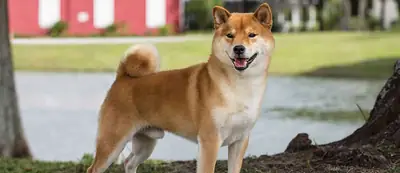
2-Year-Old Male Shiba Inu Up for Adoption
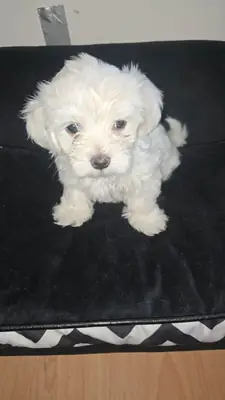
Gift male and female Maltese puppies
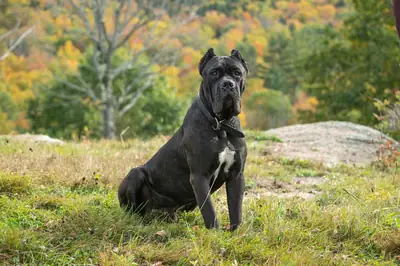
Strong and Noble Cane Corso
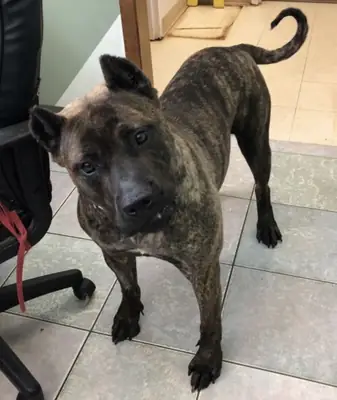
Presa Canario for Adoption in the UK | Strong Guardian Breed
Brown Poodle looking for a stable and caring family
high energy dog, needs someone more active than me
Popular Searches
Free Pomeranian adoption Blackpool
Free Pomeranian adoption in Blackpool should be treated as a careful home match, not a quick way to get a small fluffy dog without paying. A no-fee listing still needs clear details about the dog’s age, microchip, vaccinations, neutering, coat care, barking, toilet routine, health history and reason for rehoming.
Pomeranians can be affectionate, lively and loyal, but they are not effortless lap dogs. The right adopter needs patience for grooming, training, safe handling and a routine that suits a small dog with a big voice and strong opinions.
Pomeranian dogs for adoption Blackpool
Pomeranian dogs for adoption in Blackpool can suit people who want a compact companion for a house, flat or quieter coastal routine, but the breed needs more than affection. A good match should explain whether the dog is confident, nervous, barky, clingy, independent, house-trained or used to being left alone.
Look closely at grooming tolerance, dental history, knee issues, eye condition, weight, coat condition and how the dog behaves around visitors, children and other dogs. Small size should never make the checks smaller.
Pomeranian rescue Blackpool
Pomeranian rescue in Blackpool often appeals to adopters who want to give a small dog a second chance. That is a strong intent, but it still needs calm judgement because Poms can arrive with barking problems, separation anxiety, grooming neglect, dental needs or fear caused by poor handling.
The strongest rescue-style listings give real background: why the dog needs a new home, how long it can be left, whether it has lived with children or pets, what vet records exist and how much grooming it will tolerate.
Pomeranian rehoming Blackpool
Pomeranian rehoming in Blackpool needs direct questions because the reason for rehoming changes everything. A dog being rehomed due to owner illness, housing rules or working hours is different from one being moved because of biting, constant barking, toileting problems or hidden vet costs.
Ask what the dog is like on an ordinary day, not just when it is being photographed. A responsible rehoming listing should make the dog’s routine, temperament, health and limits clear before anyone gets emotionally attached.
Free Pomeranian puppies Blackpool
Free Pomeranian puppies in Blackpool will attract heavy attention, so the checks must be stricter, not softer. A puppy should have age clarity, microchip details, vaccination plan, worming, flea treatment, vet notes, feeding routine and a clear reason for being available for adoption.
Do not let the word free switch off your brain. Very young, tiny or urgent puppy listings with missing documents can become expensive, stressful and unsafe fast.
Adult Pomeranian adoption Blackpool
Adult Pomeranian adoption in Blackpool can be smarter than chasing puppies because the dog’s size, coat, barking, confidence, toilet habits and personality are already visible. You can often judge whether the dog is lively, clingy, anxious, calm, defensive or suitable for your home.
Ask about grooming, teeth, knees, eyes, microchip transfer, neutering, vaccinations, walking routine and how the dog behaves when left. Adult Pomeranians are not second-choice dogs; they are often the most realistic adoption match.
Senior Pomeranian adoption Blackpool
Senior Pomeranian adoption in Blackpool can be a beautiful choice for a quieter home, but the adopter must be honest about vet costs and daily care. Older Poms may need dental work, joint support, shorter walks, coat maintenance, weight control or medication.
Ask about coughing, mobility, stairs, appetite, teeth, vision, hearing, toileting, sleep routine and recent vet notes. A senior Pom can give huge companionship, but only to someone ready for the responsibility.
Pomeranian adoption near me Blackpool
Pomeranian adoption near me in Blackpool usually means adopters want a dog close enough for a sensible meeting and handover. Searches may include Blackpool, South Shore, North Shore, Bispham, Layton, Poulton-le-Fylde, Fleetwood, Cleveleys, Lytham St Annes and Preston.
Local distance helps, but it should not override the adoption match. A nearby Pomeranian with missing health records, vague behaviour details or rushed collection is still a weak option.
Small dog adoption Blackpool Pomeranian
Small dog adoption in Blackpool often leads people to Pomeranians because they are compact, bright and easy to imagine in smaller homes. The trap is assuming small means simple.
A Pomeranian may bark at hallway noise, dislike rough handling, need careful dental care, struggle with long hours alone and require regular brushing. Choose the dog by routine fit, not by size alone.
Pomeranian free to good home Blackpool
Pomeranian free to good home Blackpool searches need a serious mindset. “Good home” should mean more than liking small dogs; it should mean a safe routine, grooming time, vet budget, calm handling and realistic expectations around barking and separation.
Before adopting, ask why the dog is being rehomed, whether the owner has vet records, whether the microchip can be transferred and whether the dog has any behaviour that made rehoming difficult.
Teacup Pomeranian adoption Blackpool
Teacup Pomeranian adoption in Blackpool is a risky search phrase because “teacup” is often used to sell the idea of extreme smallness. Very tiny Pomeranians can be more fragile and may need extra care around feeding, handling, stairs, sofas and play with larger dogs.
Ask for the dog’s actual weight, age, health history, eating routine, vet notes and whether it has ever had weakness, injury, dental issues or mobility problems. Tiny is not automatically better.
Toy Pomeranian adoption Blackpool
Toy Pomeranian adoption in Blackpool usually comes from people searching for a very small companion dog. Pomeranians are already toy dogs, so the useful question is not whether the dog is tiny; it is whether the dog is healthy, stable and suited to the adopter’s home.
Focus on temperament, grooming, teeth, knees, barking, toilet training and whether the dog can cope with your household noise, work hours and handling style.
Orange Pomeranian adoption Blackpool
Orange Pomeranian adoption in Blackpool appeals to people who want the classic fox-like Pom look. Colour is fine as a preference, but it should come after the dog’s health, temperament and rehoming story.
Ask about coat condition, skin, eyes, teeth, knees, microchip, vaccinations and whether the dog is comfortable being brushed. A pretty orange coat does not make a weak adoption safe.
White Pomeranian adoption Blackpool
White Pomeranian adoption in Blackpool can attract attention because the coat looks rare and clean in photos. In real life, a light coat can show tear staining, dirt, skin irritation and grooming neglect quickly.
Ask for clear recent photos, coat-care detail, eye condition, skin notes, grooming tolerance and whether the dog has any allergies or recurring irritation. Colour should never outrank care needs.
Black Pomeranian adoption Blackpool
Black Pomeranian adoption in Blackpool may suit adopters looking for a striking small dog, but dark coats can hide skin flakes, thinning, mats and grooming problems in poor lighting.
Ask about brushing routine, coat density, skin health, flea treatment, recent grooming and whether the dog tolerates handling around the chest, tail and back legs.
Microchipped Pomeranian adoption Blackpool
Microchipped Pomeranian adoption in Blackpool should include transfer details. A small dog can slip through a door, panic in a new area or be picked up by someone else, so identification is not a minor detail.
Ask for the chip number process, whether the current keeper details are accurate and how the transfer will be completed after adoption. If the answers are vague, slow down.
Vaccinated Pomeranian rehoming Blackpool
Vaccinated Pomeranian rehoming in Blackpool should state what has been given, what is due next and whether a vet record is available. “Healthy” is not enough detail for a dog with small-breed care needs.
Ask about boosters, flea and worm treatment, cough, dental checks, eye discharge, skin issues, appetite and any current medication. Good adoption content makes the dog’s health picture clear before collection.
Neutered Pomeranian adoption Blackpool
Neutered Pomeranian adoption in Blackpool can make rehoming simpler for some adult dogs, but it does not automatically solve barking, anxiety, marking, weight gain or behaviour problems.
Ask whether the dog is neutered, when it was done, whether recovery was normal and whether any behaviour or weight changed afterwards. If not neutered, ask whether a vet has advised timing.
Pomeranian grooming adoption Blackpool
Pomeranian grooming should be understood before adoption because the fluffy double coat is a real responsibility. Mats, undercoat build-up and neglected skin can become painful, especially if the dog dislikes brushing.
Ask whether the Pomeranian accepts grooming, how often it is brushed, whether a groomer has been used and whether the dog is sensitive around the belly, legs, tail or ears.
Pomeranian barking adoption Blackpool
Pomeranian barking matters in Blackpool homes, especially flats, terraces and shared buildings. Many Poms are alert and reactive to doors, visitors, other dogs, windows, hallway noise and being left alone.
Ask what triggers the barking, how long it lasts, whether neighbours have complained and whether the dog settles after correction. A tiny dog can still create a serious noise problem.
Pomeranian separation anxiety adoption
Pomeranian separation anxiety can be a major rehoming reason. Some dogs bark, cry, scratch doors, toilet indoors or panic when left, especially if they have been carried everywhere or never taught independence.
Ask how long the dog can be left, what happens when the owner leaves and whether the dog settles with another pet. If you work long hours, do not adopt a dog that cannot cope alone and hope love will fix it.
Pomeranian toilet training adoption
Pomeranian toilet training should be checked before adoption because small dogs can have accidents hidden or excused for too long. Moving home can also cause regression, even in dogs that were previously clean.
Ask whether the dog goes outside, uses pads, marks indoors, has accidents overnight or struggles in bad weather. After adoption, routine beats punishment.
Pomeranian with children Blackpool
A Pomeranian with children in Blackpool can work when the dog is confident and the children are calm. This breed is small enough to be injured by rough play, grabbing, dropping or being treated like a toy.
Ask whether the dog has lived with children, what ages, whether it guards food or toys, whether it snaps when picked up and whether it needs a child-free quiet space.
Pomeranian with other dogs Blackpool
A Pomeranian with other dogs can be confident, bossy, playful or nervous depending on its history. Size difference matters because a larger friendly dog can still hurt a Pom by accident.
Ask whether the dog has lived with dogs, whether it barks on lead, guards attention, prefers calm companions or reacts badly to large dogs. Introductions should be slow and supervised.
Pomeranian with cats Blackpool
A Pomeranian with cats in Blackpool can be a good match if the dog has previous cat experience and the cat has escape routes. Some Poms ignore cats, some chase through excitement and some guard owner attention.
Ask whether the dog has lived with cats, whether it chases, barks, respects space and settles when the cat moves. Do not test this casually after adoption without a plan.
Pomeranian for flat living Blackpool
A Pomeranian can live in a Blackpool flat if barking, toileting, stairs, lifts, hallway noise and time alone are managed properly. Small body size helps with space, but it does not remove behavioural needs.
Ask whether the dog barks at doors, can handle stairs, uses pads or outdoor toileting, and how it reacts when left. Flat suitability is about routine, not just square footage.
Pomeranian for older people Blackpool
A Pomeranian for older people in Blackpool can be a strong match when the dog is calm, manageable and already settled into adult habits. A puppy or very barky Pom may be harder than expected.
Ask whether the dog pulls, jumps, needs carrying, struggles with stairs, needs frequent grooming, takes medication or barks when left. A stable adult or senior Pom may fit better than a young puppy.
Pomeranian dental care adoption
Pomeranian dental care should be checked before adoption because small dogs can develop tartar, gum disease, retained teeth, bad breath and painful mouths. Dental work can become one of the first real costs after rehoming.
Ask when the dog last had a dental check, whether teeth have been removed, whether it eats comfortably and whether tooth brushing or dental chews are tolerated.
Pomeranian luxating patella adoption
Pomeranian luxating patella adoption checks matter because small dogs can have kneecap issues. The dog may skip, lift a back leg, avoid jumping, move unevenly or show discomfort after exercise.
Ask whether a vet has checked the knees, whether the dog has ever limped and whether stairs or sofas are a problem. Cute movement videos are not enough; watch the legs properly.
Overweight Pomeranian adoption
Overweight Pomeranian adoption should be taken seriously because extra weight can make movement, breathing, knees and general comfort worse. Small dogs gain visible strain quickly when overfed.
Ask current weight, target weight, food amount, treat habits, walking routine and whether a vet has advised weight loss. Loving a Pom does not mean feeding it into problems.
Private Pomeranian rehoming Blackpool
Private Pomeranian rehoming in Blackpool can be genuine, but it needs more caution than a structured rescue process. Some owners are honest; others may hide barking, biting, toileting problems, vet bills or anxiety.
Ask for vet records, microchip transfer, vaccination status, medication details, behaviour notes and the exact rehoming reason. A responsible owner should care where the dog goes, not just how fast it leaves.
Pomeranian adoption scam Blackpool
Pomeranian adoption scams in Blackpool can use stolen photos, fake rescue stories, urgent delivery, tiny-size claims, emotional pressure and requests for transport or holding fees before proper proof exists.
Ask for current videos, proof of ownership, microchip details, vet records, a clear rehoming reason and a safe meeting plan. If the story is emotional but the evidence is weak, walk away.
Blackpool Fleetwood Lytham Pomeranian adoption
Pomeranian adoption searches around Blackpool, Fleetwood, Cleveleys, Poulton-le-Fylde, Lytham St Annes, Preston and the Fylde Coast usually come from adopters looking for a realistic local handover distance.
Use that local reach properly: check the dog’s routine, documents, health, grooming needs, barking triggers and suitability before arranging collection. A closer dog is not automatically the right dog.
Frequently Asked Questions
What should I check before adopting a free Pomeranian in Blackpool?
Check the dog’s age, microchip, vaccination status, neutering, vet records, grooming needs, dental history, knee health, barking, toilet routine, separation anxiety and reason for rehoming.
A free Pomeranian still needs a serious home, a vet budget and an adopter who understands small-dog handling and coat care.
Is a Pomeranian a good adoption dog?
Yes, a Pomeranian can be a lovely adoption dog for the right home. Many are affectionate, playful, alert and strongly attached to their people.
The adopter must still be ready for grooming, barking management, dental care, safe handling, training and possible separation anxiety.
Can I adopt a Pomeranian for free in Blackpool?
Free Pomeranian adoption listings may appear in Blackpool, but availability can change quickly because small companion dogs often receive many enquiries.
Do not choose only because there is no fee. Check the dog’s health, documents, behaviour and rehoming reason before committing.
Should an adopted Pomeranian be microchipped?
Yes, the dog should be microchipped and the keeper details should be transferred correctly after adoption.
Ask for the microchip process before collection, especially because small dogs can slip away easily in a new area.
Should a Pomeranian be vaccinated before adoption?
Vaccination status should be clear before adoption. Ask what has been given, what is due next and whether a vet record is available.
Also ask about flea treatment, worming, recent illness, coughing, skin issues and any current medication.
Should a Pomeranian be neutered before rehoming?
Many adult rehomed dogs are neutered, but not all. Ask whether the Pomeranian is neutered, when it was done and whether recovery was normal.
If the dog is not neutered, ask whether a vet has advised timing and whether the adopter is expected to arrange it.
Do Pomeranians need a lot of grooming?
Yes. Pomeranians have a fluffy double coat that needs regular brushing and careful maintenance.
Before adoption, ask whether the dog accepts grooming, whether it has mats and whether it is sensitive around the belly, legs, tail or ears.
Do Pomeranians bark a lot?
Many Pomeranians are alert and can be vocal, especially around doors, visitors, other dogs, windows and hallway noise.
Ask what triggers the barking, how long it lasts and whether the dog settles when left alone.
Are Pomeranians prone to separation anxiety?
Some Pomeranians struggle when left alone because they can become very attached to their owners.
Ask how long the dog can be left, whether it cries, barks, scratches doors, toilets indoors or panics when the owner leaves.
Can a Pomeranian live in a flat in Blackpool?
Yes, a Pomeranian can live in a flat if barking, toilet routine, exercise, stairs, neighbours and alone time are managed well.
Small size does not automatically make a dog easy for flat living, so ask about noise sensitivity and daily routine before adopting.
Are Pomeranians good with children?
Pomeranians can live with respectful children, but they are small dogs and can be hurt by rough handling.
Ask whether the dog has lived with children, what ages it knows and whether it snaps, hides or guards toys when handled.
Can Pomeranians live with other dogs?
Some Pomeranians live well with other dogs, but the match depends on confidence, size difference and previous experience.
Ask whether the dog has lived with dogs, whether it barks on lead, guards attention or becomes nervous around larger dogs.
Can Pomeranians live with cats?
Some Pomeranians can live with cats, especially if they have previous cat experience and the cat has safe escape routes.
Ask whether the dog chases cats, barks at them, ignores them or guards owner attention around them.
What health problems should I ask about in a Pomeranian?
Ask about knees, teeth, eyes, breathing, coat and skin condition, weight, mobility, coughing, past injuries and any current medication.
A Pomeranian does not need a perfect health history to be adoptable, but the history must be honest.
Is a senior Pomeranian a good adoption choice?
A senior Pomeranian can be a wonderful choice for a calm home, especially if the adopter wants a smaller companion with an established personality.
Ask about teeth, mobility, medication, stairs, vision, hearing, appetite, toilet habits and recent vet notes before adopting.
Is a “teacup Pomeranian” adoption safe?
The phrase “teacup Pomeranian” should be treated carefully because it usually refers to very tiny dogs and can be used as a marketing label.
Ask the dog’s actual age, weight, feeding routine, vet history and whether it has any weakness, injury or health concerns linked to its small size.
How do I avoid Pomeranian adoption scams in Blackpool?
Watch for stolen photos, urgent delivery, emotional pressure, transport fees, missing microchip details, vague health records and sellers who avoid safe meetings.
Ask for current videos, proof of ownership, microchip information, vet records, a clear rehoming reason and a calm handover plan.
What should I prepare before bringing a Pomeranian home?
Prepare a safe sleeping area, harness, lead, bowls, familiar food, grooming brush, toys, dental-care plan, vet registration and a quiet first-week routine.
Because Pomeranians are small, also make stairs, sofas, gaps, balconies and rough play safer before the dog arrives.