Blackpool Poodle Dog Adoption
There are 4 Poodle listings live right now, last updated 24 Apr 2026. Browse Poodle dog adoption lis... There are 4 Poodle listings live right now, last updated 24 Apr 2026. Browse Poodle dog adoption listings in Blackpool on Petopic and compare each dog by the details that actually matter: size, age, t... There are 4 Poodle listings live right now, last updated 24 Apr 2026. Browse Poodle dog adoption listings in Blackpool on Petopic and compare each dog by the details that actually matter: size, age, temperament, grooming needs, microchip status, vaccination history, neutering, health notes, walking routine, recall, separation tolerance, barking level, house training, coat condition, and compatibility with children, cats, and other dogs. Whether you are looking around Blackpool, South Shore, North Shore, Layton, Bispham, Marton, Cleveleys, Fleetwood, Lytham St Annes, Poulton-le-Fylde, Thornton, or the wider Lancashire coast, choose a Poodle because the dog fits your home, schedule, budget, and experience — not because the coat looks cute in one photo.
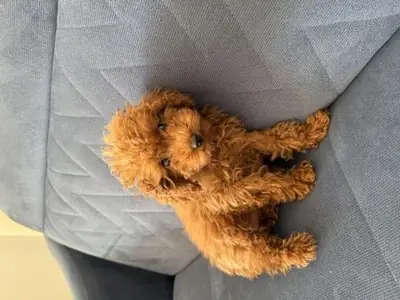
Brown Poodle looking for a stable and caring family
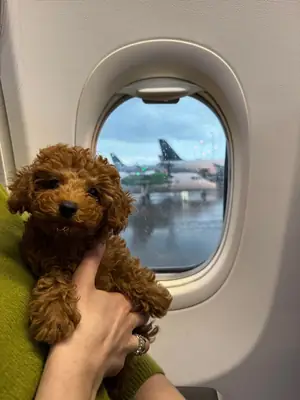
Toy Poodle for Adoption
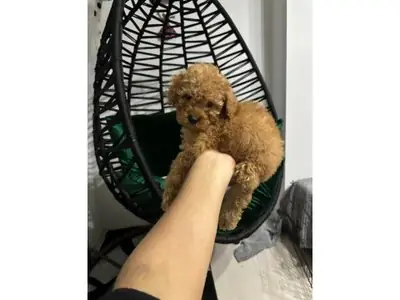
Brown adult Poodle male looking for a new home
Brown adult Poodle male seeking long-term home
Haven't found the pet you're looking for? Let people who want to find a new home for their pet reach out to you.
Create your free pet adoption request listing now and be seen by thousands of pet owners.
Other listings in your area

looking for someone who actually has time for him
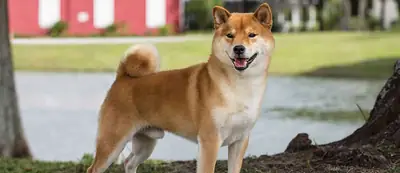
2-Year-Old Male Shiba Inu Up for Adoption
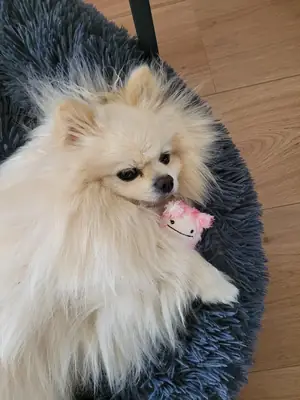
Small pomeranian looking for a more active home
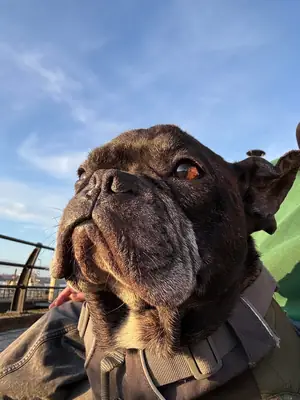
great dog but I’m not home enough anymore
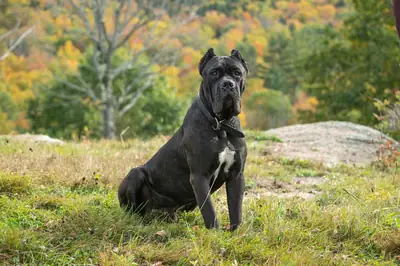
Strong and Noble Cane Corso
White adult Pomeranian female looking for a calm home
Popular Searches
Poodles for adoption in Blackpool
Poodles for adoption in Blackpool should be judged by far more than a smart haircut or the idea that they are “easy” because they shed less. A Poodle is an intelligent, people-focused dog that needs regular grooming, daily exercise, training, attention, and a home that understands the difference between Toy, Miniature, and Standard Poodles.
On Petopic, compare each Poodle listing by age, size, microchip status, vaccinations, neutering, grooming history, coat condition, walking routine, barking level, ability to stay home alone, reaction to children, cats, other dogs, and the real reason for rehoming. A strong listing explains the dog’s daily life; a weak listing hides behind cute photos and vague words like “lovely” or “hypoallergenic”.
Adopt a Poodle in Blackpool
Adopting a Poodle in Blackpool makes sense only if your routine can handle the dog behind the coat. Poodles are clever and responsive, but that also means they can become bored, vocal, clingy, or frustrated when left without structure, company, exercise, or mental work.
Before replying to a listing, check whether the dog walks calmly on lead, settles indoors, accepts grooming, copes with visitors, travels well, uses the toilet reliably, and can be left alone without panic. A good Poodle adoption is not about finding the prettiest dog; it is about matching the dog’s needs to a realistic household.
Poodle rehoming Blackpool Lancashire
Poodle rehoming in Blackpool and Lancashire should always include a clear reason for the move. A dog may need a new home because of illness, relocation, family changes, grooming costs, separation issues, barking, behaviour around children, or conflict with another pet.
The reason matters because it tells you what kind of home the Poodle needs next. If a listing only says “sad sale”, “no fault of their own”, or “urgent rehome” without behaviour and health details, the listing is too thin to trust quickly. The more honest the description, the lower the risk of the dog being moved again.
Toy Poodle adoption Blackpool
Toy Poodle adoption in Blackpool attracts people looking for a small dog for a flat or quieter home, but Toy Poodles are not low-effort pets. Their size makes them delicate, their minds are sharp, and some can be sensitive to rough handling, cold weather, noisy homes, or long periods alone.
A Toy Poodle listing should state weight, age, dental health, grooming tolerance, toilet routine, barking triggers, confidence outdoors, and whether the dog has lived with children. “Tiny”, “teacup”, “mini”, or “handbag size” should never impress you more than clear health and behaviour information.
Miniature Poodle adoption near Blackpool
A Miniature Poodle can be a strong fit for many homes around Blackpool, Cleveleys, Fleetwood, Lytham St Annes, and Poulton-le-Fylde, but only if the dog has the right temperament for your lifestyle. Miniature does not mean automatically calm, silent, or easy.
Check whether the dog enjoys walks, handles grooming, copes with traffic and seaside crowds, settles after exercise, and behaves well around dogs. A Miniature Poodle can suit a flat, house, couple, single owner, or family, but the listing must prove that with real behaviour details.
Standard Poodle adoption Blackpool
Standard Poodle adoption is a bigger commitment than many people expect. This is a larger, athletic, intelligent dog that needs space to move, proper lead manners, training, grooming, and enough daily activity to stay relaxed indoors.
A Standard Poodle listing should explain size, weight, exercise needs, recall, behaviour with other dogs, transport habits, grooming schedule, joint health, and whether the dog has lived in a busy home. A large Poodle with no training information is not a safe guess; it is an unanswered question.
Poodle puppy adoption Blackpool
A Poodle puppy in Blackpool may look perfect on a listing, but puppy adoption means months of work. Toilet training, bite inhibition, grooming desensitisation, lead walking, socialisation, alone-time practice, vet visits, and safe play all need consistency from the first week.
The listing should include exact age, microchip details, vaccination and worming status, current food, toilet progress, temperament, contact with the mother and littermates, and why the puppy is being rehomed. A puppy listing without these details is not ready to be acted on.
Adult Poodle adoption Blackpool
An adult Poodle can be a smarter adoption choice than a puppy because the dog’s real temperament is easier to assess. You can ask about grooming tolerance, barking, home-alone behaviour, lead walking, toilet training, children, cats, other dogs, and routine.
The listing should explain whether the dog is neutered, microchipped, vaccinated, used to a groomer, crate trained, nervous, vocal, food motivated, or anxious when alone. Adult does not mean difficult; it means there should be enough information to make a sensible decision.
Poodle rescue dog Blackpool
A Poodle rescue dog near Blackpool may come with a known past, an unknown past, or a mix of both. That does not make the dog less valuable; it means the listing needs to be honest about fears, training gaps, medical history, grooming tolerance, and the kind of home that will help the dog settle.
Look for details about assessment, current foster or home behaviour, reactions on walks, comfort with handling, and whether the dog needs a quiet home, another dog, no cats, no young children, or gradual introductions. Rescue-style adoption works best when expectations are clear before the dog moves.
Poodle for flat living in Blackpool
A Poodle can live in a flat if the dog gets exercise, grooming, mental stimulation, toilet breaks, and quiet rest. The problem is not the flat itself; the problem is an intelligent dog left bored, ungroomed, under-exercised, or anxious in a noisy building.
A flat-friendly Poodle listing should mention barking at neighbours, lift or stair confidence, toilet routine, ability to settle after walks, home-alone behaviour, and reaction to hallway sounds. “Good in a flat” means proven calm behaviour, not just small size.
Poodle for families with children
A Poodle can be a wonderful family dog, but the right match depends on the individual dog and the age of the children. Small Poodles can be fragile around rough handling, while larger Poodles may be too bouncy for young children if not trained.
The listing should state whether the dog has lived with children, what ages, whether it guards food or toys, jumps up, mouths during play, dislikes being picked up, or needs a quiet space. “Good with children” is not enough unless the listing shows what that means in real life.
Poodle compatible with cats
A Poodle may live well with cats, but it depends on the dog’s prey drive, past experience, excitement level, and training. Some Poodles ignore cats, some try to play too intensely, and some chase movement unless carefully managed.
If you already have a cat, the listing should say whether the Poodle has lived with cats, chases cats outdoors, responds to recall, settles around small animals, and needs slow introductions. Cat compatibility should never be assumed from breed alone.
Poodle compatible with other dogs
Poodles can be social with other dogs, but social does not mean suitable for every dog household. Energy level, play style, size, age, sex, neutering status, and past experiences all affect the match.
The listing should explain whether the dog has lived with dogs, how it greets dogs on lead, whether it guards food or toys, whether it plays gently or intensely, and whether it needs another calm dog or would prefer being the only dog. A good match is built on behaviour, not guesswork.
Poodle grooming needs Blackpool
Poodle grooming is not optional. Their curly coat can mat, pull on the skin, hide irritation, and become uncomfortable if neglected. Blackpool’s rain, sand, wind, and coastal walks can make coat care even more important.
A listing should state the last groom, coat condition, brushing routine, whether the dog tolerates clippers, bathing, drying, ear care, nail trimming, and handling. If a Poodle has heavy matting or fear of grooming, the new home needs patience, budget, and a gradual plan.
Poodle that does not shed much
Poodles are often chosen because they shed less than many dogs, but low shedding does not mean no maintenance. Loose hair can stay in the coat and form mats, so brushing and clipping are part of normal care.
The listing should be honest about grooming frequency, coat texture, matting, skin issues, ear problems, and whether the dog has ever been shaved down because the coat became tangled. A low-shedding dog can still become high-maintenance if the coat is ignored.
Poodle for allergy sufferers
Poodles are often searched by people with allergies, but no dog should be treated as guaranteed allergy-safe. Reactions can come from dander, saliva, skin, household dust, grooming products, or the individual dog.
If allergies matter in your home, spend time with the dog before committing, check how every household member reacts, and think about cleaning, bedding, grooming, and where the dog will sleep. A listing that promises “no allergies” is making a claim you should test carefully.
Poodle separation anxiety adoption
Poodles can bond closely with people, so home-alone behaviour must be taken seriously. A dog with separation-related problems may bark, howl, pace, scratch doors, toilet indoors, chew, drool, or panic when left.
The listing should state how long the dog can be left, whether there have been neighbour complaints, whether the dog is crate trained, whether another dog helps, and what routine currently works. Hiding separation issues creates a failed adoption before the dog has even arrived.
Poodle with microchip and vaccines
A responsible Poodle adoption listing should clearly mention microchip status, vaccination history, worming, flea treatment, neutering, vet records, current medication, and any known health issues. These details are not extras; they are the foundation of a safe handover.
Before adoption, confirm that microchip details can be transferred correctly and that the dog’s medical notes match what the listing says. A dog can look perfect in photos and still have missing paperwork, overdue care, or hidden costs.
Poodle adoption near Blackpool
The right Poodle may be in Blackpool, South Shore, North Shore, Bispham, Layton, Marton, Cleveleys, Fleetwood, Lytham St Annes, Poulton-le-Fylde, Preston, or wider Lancashire. Expanding the search can help, but only if the listing stays detailed and honest.
Do not choose only by distance. A Poodle slightly farther away with clear health, grooming, behaviour, and rehoming information is a safer lead than a nearby listing with a cute photo and no real answers.
Frequently Asked Questions
What should I check before adopting a Poodle in Blackpool?
Before adopting a Poodle in Blackpool, check the dog’s age, size, microchip status, vaccinations, worming, flea treatment, neutering, vet history, grooming routine, coat condition, behaviour with children, cats and other dogs, walking habits, barking level, toilet training and reason for rehoming.
A Poodle listing should give enough detail to understand the dog’s real daily life. If the advert only says “lovely”, “cute”, “hypoallergenic” or “good family dog”, it is not detailed enough for a serious adoption decision.
Are Poodles good dogs for flats?
Poodles can live in flats if they get enough exercise, enrichment, grooming, toilet breaks, training and calm rest. The flat itself is not the main issue; the dog’s routine and behaviour are.
Ask whether the Poodle barks at neighbours, reacts to hallway sounds, uses stairs or lifts confidently, settles indoors and can be left alone without stress. A flat-friendly dog should have proven calm behaviour, not just a small size.
Which Poodle size is best for adoption?
The best Poodle size depends on your home, handling ability, exercise routine and family setup. Toy Poodles are small and delicate, Miniature Poodles can suit many homes, and Standard Poodles need more space, strength management and activity.
Do not choose by size alone. Look at the individual dog’s temperament, grooming needs, health, confidence, training, children compatibility and home-alone behaviour.
Do Poodles need a lot of grooming?
Yes. Poodles need regular coat care because their curly coat can mat and become uncomfortable if ignored. Brushing, clipping, bathing, drying, ear care and nail trimming should be part of the long-term plan.
Before adopting, ask when the dog was last groomed, whether the coat is matted, whether the dog accepts clippers and drying, and whether the dog becomes anxious or reactive during grooming.
Are Poodles suitable for allergy sufferers?
Poodles may shed less than many dogs, but no dog is guaranteed to be suitable for every allergy sufferer. Allergic reactions can be caused by dander, saliva, skin, dust, grooming products or the individual dog.
If allergies are a concern, spend time with the dog before adoption and check how everyone in the home reacts. Do not rely on a listing that simply says “hypoallergenic”.
Can Poodles be left alone?
Some Poodles can be left for reasonable periods if they are trained gradually and have a calm routine, but others struggle with separation-related problems. This can show as barking, howling, chewing, pacing, scratching doors or toileting indoors.
Ask how long the dog is currently left alone, whether there have been neighbour complaints, whether the dog uses a crate or safe space, and what routine helps the dog settle.
Are Poodles good with children?
Poodles can be good with children, but it depends on the individual dog and the children’s age and behaviour. Small Poodles may be too delicate for rough handling, while larger Poodles may be too bouncy without training.
The listing should state whether the dog has lived with children, what ages, whether it jumps, mouths during play, guards food or toys, and whether it needs a quiet space away from busy family activity.
Can a Poodle live with cats?
A Poodle may live with cats if it has the right temperament and past experience, but this should not be assumed. Some dogs chase cats, some try to play too intensely, and some ignore them completely.
Ask whether the Poodle has lived with cats, chases cats outside, responds to recall around small animals and can settle calmly in the same room. Introductions should be slow and supervised.
Is it better to adopt a Poodle puppy or an adult Poodle?
A Poodle puppy needs toilet training, socialisation, grooming practice, lead training, bite control, alone-time training and regular vet care. Puppies are not easier; they are more work.
An adult Poodle may be easier to assess because grooming tolerance, barking, home-alone behaviour, temperament and health history are clearer. The better choice is the dog whose needs match your home, not the youngest dog available.
What documents should a Poodle adoption listing mention?
A responsible listing should mention microchip status, vaccination history, worming, flea treatment, neutering, vet records, current medication and known health conditions. The microchip transfer should be handled properly when the dog changes home.
If documents are missing or unclear, ask before visiting. A safe adoption starts with clear health and identification information.
What health issues should I ask about before adopting a Poodle?
Ask about skin, ears, teeth, eyes, joints, allergies, digestive issues, weight, previous surgery, medication, grooming-related problems and any breed-specific health notes the current owner or vet has mentioned.
For smaller Poodles, dental health and handling sensitivity can be especially important. For larger Poodles, ask about mobility, exercise tolerance and any joint concerns. The listing should not hide medical history behind the word “healthy”.
How do I recognise a reliable Poodle adoption listing in Blackpool?
A reliable Poodle listing includes real photos, clear location, age, size, microchip status, vaccinations, neutering, vet history, grooming routine, coat condition, behaviour at home, lead walking, barking, separation tolerance, children and pet compatibility, and the reason for rehoming.
A weak listing only says “beautiful”, “loving”, “non-shedding”, “urgent” or “perfect family dog” without facts. For a Poodle, transparency about grooming, behaviour and health is not optional; it is the basis of a good adoption.