Blackpool Shiba Inu Adoption Listings
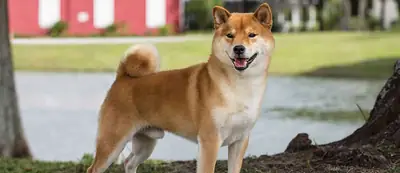
There's 1 Shiba Inu listing live right now, last updated 25 Oct 2025. Looking for a Shiba Inu to ado... There's 1 Shiba Inu listing live right now, last updated 25 Oct 2025. Looking for a Shiba Inu to adopt in Blackpool means checking far more than a fox-like face, curled tail and compact size; this ind... There's 1 Shiba Inu listing live right now, last updated 25 Oct 2025. Looking for a Shiba Inu to adopt in Blackpool means checking far more than a fox-like face, curled tail and compact size; this independent dog needs patient handling, secure walking, careful socialisation and an owner who understands that recall, prey drive, grooming, noise sensitivity and personal space can matter more than appearance. Petopic helps you browse Shiba Inu adoption and rehoming listings across Blackpool, South Shore, North Shore, Bispham, Layton, Marton, St Annes, Fleetwood, Poulton-le-Fylde and nearby Lancashire areas, so you can compare age, temperament, microchip details, vet history, neutering status, lead manners, behaviour around children, cats, other dogs, visitors, busy promenades and home routines before deciding whether this clever but stubborn breed truly fits your lifestyle.
Haven't found the pet you're looking for? Let people who want to find a new home for their pet reach out to you.
Create your free pet adoption request listing now and be seen by thousands of pet owners.
Other listings in your area
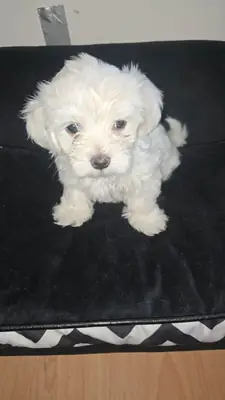
Gift male and female Maltese puppies
high energy dog, needs someone more active than me
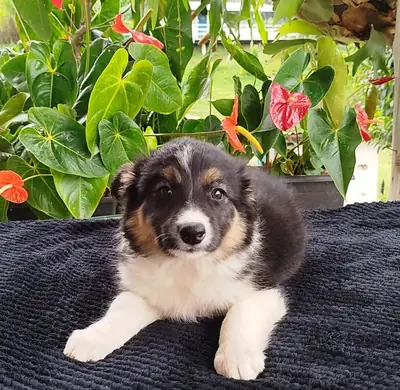
Gift male and female Border Collie puppies
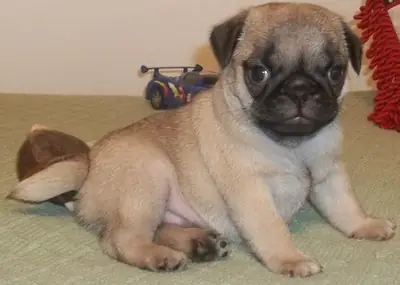
Well trained pug puppy ready for adoption
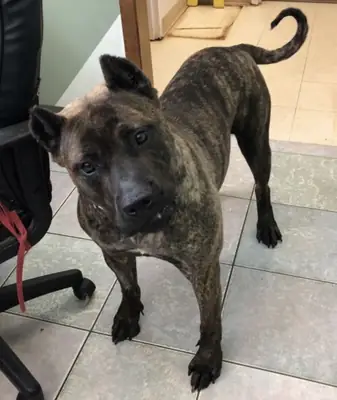
Presa Canario for Adoption in the UK | Strong Guardian Breed
Brown adult Poodle male looking for a new home
Popular Searches
Shiba Inus for adoption in Blackpool
A Shiba Inu can look like an easy small-to-medium dog, but that is exactly where bad adoption decisions start. This breed is sharp, clean, alert and often very independent, so the listing should tell you how the dog behaves in real life, not just how cute it looks in photos.
In Blackpool, you need to think about seaside crowds, narrow pavements, visitors, dogs on leads, traffic, wind, noise and busy public areas. A Shiba that is calm at home may still be difficult if it pulls, refuses recall, reacts to dogs or tries to chase cats, birds or small animals.
Adopt a Shiba Inu in Blackpool
Before you adopt a Shiba Inu in Blackpool, ask whether you want a dog that follows instructions easily or a dog that often thinks for itself. Shibas can bond strongly with their people, but they are not usually the type to obey just because you asked nicely.
The right home is patient, consistent and realistic. You need secure lead habits, calm introductions, a predictable routine and a home setup that does not rely on the dog being perfectly obedient off lead. If you want a constantly eager-to-please dog, this breed may frustrate you.
Shiba Inu rescue Blackpool
A rescue Shiba may come with missing history, anxiety, handling sensitivity, dog selectiveness or a strong escape instinct. That does not make the dog unsuitable, but it does mean the adopter must read the details carefully and ask direct questions.
Useful rescue information includes bite history, lead behaviour, vet handling, grooming tolerance, reactions to strangers, separation issues, guarding behaviour and experience with cats or children. “Needs an experienced home” should never be left unexplained.
Shiba Inu rehoming in Lancashire
Looking across Lancashire can give you more realistic options than only searching inside Blackpool. A suitable Shiba may be in Poulton-le-Fylde, Fleetwood, Lytham St Annes, Preston or another nearby area, especially if the dog is being privately rehomed.
Distance should not be the deciding factor. A nearby dog with vague behaviour notes is weaker than a slightly farther listing that clearly explains health, temperament, routine, training and the reason for rehoming.
Adult Shiba Inu for adoption
An adult Shiba can be a better choice than a puppy if the dog’s personality is already clear. You can often learn whether it is aloof, affectionate, reactive, calm indoors, vocal, selective with dogs or uncomfortable with handling.
The key is honesty. Ask why the dog is being rehomed, whether it has escaped before, how it reacts to being picked up, groomed or examined by a vet, and whether it can settle alone. Missing answers are not small details with this breed.
Shiba Inu puppy adoption Blackpool
A Shiba puppy may look easier to shape, but the early months are where future problems are either prevented or created. Toilet training, bite inhibition, handling practice, calm alone time, lead work and socialisation must start early.
Ask about age, microchip, vaccinations, worming, vet checks, parent temperament and why the puppy is available for adoption. A cute puppy with no structure can become an adult that ignores recall, guards objects or refuses routine handling.
Shiba Inu in a flat or small home
A Shiba can live in a flat or smaller home if the routine is right. The problem is not only space; it is noise, visitors, stairwells, boredom, barking, frustration and whether the dog can settle without constant stimulation.
In a Blackpool flat, ask how the dog reacts to corridor noise, neighbours, doors, lifts, stairs and being left alone. A compact dog is still a bad match if it screams, scratches doors or becomes defensive when surprised.
Shiba Inu with children
Some Shibas can live with respectful children, but they are often not tolerant of rough handling, sudden grabbing or chaotic play. This is not a breed to choose just because it is small enough to fit into a family home.
The listing should say whether the dog has lived with children, how it reacts to noise, toys, running, visitors and being touched while resting. Children must learn not to crowd the dog, pick it up, pull its tail or disturb food and sleep.
Shiba Inu with cats
A Shiba may live with cats if it has the right history and introductions are handled carefully, but the breed’s prey drive means you cannot assume safety from appearance alone. A dog that stares, stalks or lunges at cats outside needs serious assessment.
Use barriers, leads, separate rooms and safe escape routes for the cat. The first meeting should be boring and controlled, not dramatic. If the listing gives no cat history, treat the situation as unknown rather than safe.
Shiba Inu with other dogs
Shibas can be selective with other dogs. Some are playful and social, while others dislike rude greetings, same-sex dogs, intense puppies or crowded dog parks. A listing should explain the dog’s actual behaviour, not just say “fine with dogs”.
Ask about lead reactivity, resource guarding, off-lead history and previous multi-dog homes. Introductions should happen slowly, ideally through parallel walks and controlled distance before sharing indoor space.
Shiba Inu recall and off-lead safety
Recall is one of the biggest adoption questions for a Shiba. Many owners use secure fields, long lines or fenced areas rather than trusting full off-lead freedom, especially where wildlife, birds, bikes, dogs or roads are nearby.
In Blackpool and surrounding coastal areas, distractions can be intense. Ask whether the dog has ever bolted, slipped a harness, chased animals or ignored recall. A Shiba with unreliable recall should be managed, not tested.
Shiba Inu escape-proof garden
A secure garden matters with this breed. Shibas can be agile, curious and determined, so low fencing, loose gates, gaps under panels and open doors can become real risks.
If the dog has escaped before, that must be in the listing. A good adopter checks fencing, uses safe entry routines and does not assume the dog will stay because it has bonded with the family. Love does not replace management.
Shiba Inu grooming and shedding
Shibas are generally clean dogs, but their coat sheds heavily during seasonal coat changes. Adoption listings should mention grooming tolerance, brushing routine, skin issues and whether the dog accepts handling around paws, ears and tail.
Do not assume a neat-looking coat means low maintenance. If the dog hates being brushed or handled, grooming becomes stressful unless the new owner builds trust gradually and uses calm, regular sessions.
Shiba Inu health before adoption
Before adopting a Shiba, ask about vet history, vaccinations, microchip details, neutering, skin allergies, eye checks, knees, hips, dental health and any medication. A healthy-looking dog can still have hidden or recurring issues.
Health information matters because adoption is not only an emotional choice. It affects insurance, routine care, walking plans and long-term costs. A vague listing is not enough if you are expected to commit for years.
Shiba Inu near South Shore and North Shore
South Shore and North Shore can be busy, especially around tourist routes and seafront walks. For a Shiba, the question is whether the dog can handle noise, crowds, dogs passing closely and sudden movement without becoming tense or reactive.
A nearby listing is useful only if the dog’s lifestyle matches your own. If the dog needs a quiet home and you live in a high-traffic area, distance is not the real issue. Temperament fit is.
Shiba Inu near Bispham and Layton
Bispham, Layton and nearby neighbourhoods may offer calmer routines than the busiest parts of Blackpool, but a Shiba still needs secure walking, consistent rules and careful introductions. A quieter area does not remove the breed’s independence.
Before adopting, ask whether the dog is used to residential streets, gardens, visitors, deliveries and regular neighbourhood dogs. Those details tell you far more than a polished photo.
Rehome a Shiba Inu in Blackpool
If you need to rehome a Shiba Inu in Blackpool, write the listing with brutal clarity. Include age, microchip, health, neutering, bite history, escape history, lead behaviour, handling tolerance, separation issues, dog selectiveness and the real reason for rehoming.
Do not hide the hard parts behind “typical Shiba”. The right adopter needs to know whether the dog is aloof, vocal, reactive, possessive, anxious or simply independent. Honest detail prevents failed placements.
Frequently Asked Questions
Is a Shiba Inu a good dog to adopt in Blackpool?
A Shiba Inu can be a good match in Blackpool if the adopter understands independence, prey drive, secure lead walking, grooming and careful socialisation.
It is a poor match for someone who expects easy recall, constant obedience or a dog that enjoys rough handling from everyone it meets.
Can a Shiba Inu live in a flat?
Yes, some Shibas live well in flats if they get regular walks, calm routines, mental activity and enough quiet space to rest.
Before adopting, ask how the dog reacts to corridor noise, neighbours, being left alone, visitors and busy streets. Size alone does not make a dog easy in a flat.
Are Shiba Inus good with children?
Some Shibas can live with respectful children, but many do not enjoy rough handling, grabbing, loud chaos or being picked up.
The listing should say whether the dog has lived with children before. Children must respect the dog’s bed, food, toys and personal space.
Can Shiba Inus live with cats?
They can in some homes, but it depends on the individual dog’s history and prey drive. A Shiba that chases or fixates on cats needs careful assessment.
Introductions should be slow, controlled and supported with safe escape routes for the cat.
Do Shiba Inus get along with other dogs?
Some do, but Shibas can be selective. They may dislike rude greetings, pushy dogs or crowded dog-park situations.
Ask about lead reactivity, previous multi-dog homes, resource guarding and how the dog behaves around unfamiliar dogs before adopting.
Can a Shiba Inu be walked off lead?
Many Shiba owners avoid off-lead walking unless the area is securely fenced. The breed can have strong prey drive and selective recall.
Ask whether the dog has ever escaped, chased animals, ignored recall or slipped a collar or harness. Management is safer than gambling.
What should I check before adopting a Shiba Inu?
Check microchip details, vaccinations, vet history, neutering, temperament, bite history, escape history, grooming tolerance, lead behaviour and compatibility with children, cats and other dogs.
Also ask why the dog is being rehomed. A vague answer is a weak signal.
Are Shiba Inus suitable for first-time owners?
They can be difficult for first-time owners because they are independent, alert and often less eager to please than many companion breeds.
A first-time adopter should only consider a Shiba with clear behaviour notes, strong rescue support and a realistic plan for training, recall and handling.
How should I write a Shiba Inu rehoming listing?
Include age, sex, microchip, health, neutering, behaviour, lead manners, escape history, grooming tolerance, dog and cat compatibility, child experience and the real reason for rehoming.
Do not hide difficult behaviour behind cute photos. Shiba adopters need honest detail to prevent a failed placement.