Free Molly Fish Adoption in Boston
There's 1 Molly listing live right now, last updated 5 Mar 2026. Find free Molly fish adoption listi... There's 1 Molly listing live right now, last updated 5 Mar 2026. Find free Molly fish adoption listings in Boston with the details aquarium keepers need before adding new fish to a tank: molly type, c... There's 1 Molly listing live right now, last updated 5 Mar 2026. Find free Molly fish adoption listings in Boston with the details aquarium keepers need before adding new fish to a tank: molly type, colour variety, male or female sex, age, group size, fry availability, tank size, water temperature, pH, hardness, heater use, filtration, current diet, behaviour, fin condition, signs of illness, pregnancy status, tank mates, pickup safety and the real reason for rehoming. Molly fish are peaceful, active livebearers that do best in warm, stable, well-filtered aquariums with suitable water hardness, so the right Boston adoption match should focus on healthy fish, honest tank history, safe acclimation and responsible rehoming rather than choosing only because the fish are free, colourful or easy to breed.
Haven't found the pet you're looking for? Let people who want to find a new home for their pet reach out to you.
Create your free pet adoption request listing now and be seen by thousands of pet owners.
Other listings in your area
Popular Searches
Free Molly fish adoption Boston
Free Molly fish adoption in Boston should be about finding healthy aquarium fish that can move safely into a suitable tank, not just grabbing free fish quickly. A good listing should explain the molly type, group size, sex, age, current tank conditions and reason for rehoming.
Before adopting, compare water temperature, hardness, pH, tank size, filtration, tank mates and signs of illness. Molly fish are hardy when kept properly, but unstable water and rushed acclimation can turn a free adoption into a dead fish problem.
Molly fish rehoming Boston
Molly fish rehoming in Boston is usually searched by people who want to take in fish from an overstocked tank, unexpected fry, a moving owner or a hobbyist changing setups. The best rehoming posts are honest about the tank history.
Ask whether the mollies are eating well, swimming normally, showing clean fins, living in heated water and compatible with community fish. Rehoming works best when the adopter’s tank is ready before pickup.
Free aquarium fish Boston
Free aquarium fish in Boston can include mollies, guppies, platies and other community fish, but every fish still needs the right tank conditions. Free does not mean low-care.
For Molly fish, check whether your aquarium is heated, cycled, filtered and stable. Do not mix them into cold, soft, dirty or overcrowded tanks just because they are available nearby.
Molly fish near me Boston
Molly fish near me in Boston should lead to local adoption options where the fish can be transported quickly and safely. Shorter pickup distance helps reduce bag time, temperature swings and stress.
Look for listings that clearly mention neighborhood, pickup timing, number of fish, current water conditions and whether the mollies are adults, juveniles or fry.
Molly fish adoption Massachusetts
Molly fish adoption in Massachusetts should be handled through responsible aquarium rehoming, not release into ponds, streams, drains or local waterways. Aquarium fish belong in prepared tanks, not the wild.
Search beyond Boston when needed, but prioritize healthy fish, proper transport, honest tank history and an adopter who already has a suitable aquarium running.
Black Molly fish adoption Boston
Black Molly fish adoption in Boston is popular because black mollies are bold, easy to spot and active in community tanks. Their colour should not be the only thing you check.
Ask whether the fish has clean fins, strong swimming, normal appetite, no white spots, no clamped fins and no signs of shimmying. A glossy black molly still needs warm, stable water and suitable tank mates.
Dalmatian Molly fish adoption Boston
Dalmatian Molly fish adoption in Boston attracts keepers who want spotted black-and-white mollies for a peaceful community aquarium. The pattern is attractive, but health and water stability matter more.
Ask whether the fish has been kept with other mollies, whether it is male or female, whether it has produced fry and whether the current tank had stable temperature and filtration.
Balloon Molly fish adoption Boston
Balloon Molly fish adoption in Boston should be approached carefully because balloon-bodied fish can be more sensitive than standard mollies. Do not adopt only because they look cute or rounded.
Check swimming ability, breathing, appetite, belly shape, fin condition and whether the fish can compete for food. A balloon molly needs calm tank mates and clean, stable water.
Sailfin Molly adoption Boston
Sailfin Molly adoption in Boston should focus on tank size and water quality because sailfin mollies can grow larger and need more swimming room than small common mollies.
Ask how large the fish is, whether it is a male with a developed dorsal fin, whether it is being kept with other males and whether your tank has enough space to avoid stress and chasing.
Gold Molly fish adoption Boston
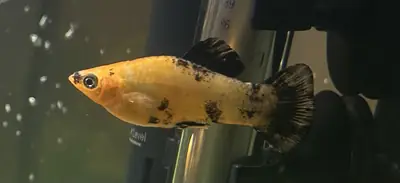
Gold Molly fish adoption in Boston is a strong search for people who want bright yellow or orange mollies in a community aquarium. Bright colour should come with clear health signs.
Look for active swimming, clean fins, full body condition, steady breathing and normal feeding. Avoid fish that hide constantly, scratch against objects or show fuzzy patches.
White Molly fish adoption Boston
White Molly fish adoption in Boston needs extra attention because pale fish can make it harder to notice early marks, fungus or stress. Ask for clear photos and a recent feeding video.
Check that the fish is not clamped, gasping, flashing, bloated or covered in cottony growth. A clean white molly should look active and alert, not washed out and weak.
Molly fry adoption Boston
Molly fry adoption in Boston usually happens when a livebearer tank suddenly has too many babies. Fry need more care than many beginners expect.
Ask how old the fry are, what they eat, whether they are large enough to move safely, whether they are separated from adults and whether your tank has gentle filtration or protected intake.
Baby Molly fish free Boston
Baby Molly fish free Boston searches should lead to adopters who understand growth, feeding and survival. Baby mollies are small, vulnerable and easy to lose in an unprepared community tank.
Use a mature tank, gentle flow, small foods and safe hiding places. Do not add tiny fry to tanks with fish that can swallow them.
Pregnant Molly fish adoption Boston
Pregnant Molly fish adoption in Boston can quickly turn one free fish into a crowded tank. Female mollies can produce fry, and adopters should be ready before taking one home.
Ask whether the fish is visibly gravid, when she last gave birth, whether she has been with males and whether you have space for fry or a responsible plan for rehoming them later.
Male Molly fish adoption Boston
Male Molly fish adoption in Boston should include questions about chasing and tank balance. Male mollies can harass females or compete with other males in cramped tanks.
Ask how many males are being rehomed, whether they chase constantly, whether they have damaged fins and whether your aquarium has enough space and cover to reduce stress.
Female Molly fish adoption Boston
Female Molly fish adoption in Boston is common because livebearer tanks often become overstocked. Female mollies may already be pregnant even if no male is coming with them.
Ask whether the female has been kept with males, whether she recently dropped fry, whether she looks bloated or healthy and whether your tank can handle possible babies.
Molly fish community tank Boston
Molly fish community tank Boston searches should focus on peaceful but compatible tank mates. Mollies often do well with calm fish that enjoy similar warm, stable water.
Avoid mixing them with fin nippers, aggressive fish, cold-water species or fish that need very soft acidic conditions. Compatibility is water chemistry plus behaviour, not just size.
Molly fish tank mates Boston
Molly fish tank mates in Boston should be chosen around temperature, pH, hardness, activity level and aggression. Mollies are active livebearers and need tank mates that will not bully them or get bullied by them.
Ask what fish they currently live with, whether any fins are damaged, whether males chase too much and whether your existing fish can handle the same water conditions.
Molly fish tank size Boston
Molly fish tank size matters because mollies are active and produce waste. A tiny bowl or unheated desktop tank is not suitable for a group of mollies.
Before adopting, check how many fish you are taking, how large they are and whether your aquarium has enough space, filtration and swimming room for adults and possible fry.
Molly fish water temperature Boston
Molly fish water temperature in Boston is important because homes can get cool, especially outside summer. Mollies are tropical fish and usually need a heated, stable aquarium.
Ask the current temperature, whether a heater is used and whether the fish has been kept stable. Sudden temperature drops during pickup or acclimation can stress mollies fast.
Molly fish hard water Boston
Molly fish hard water Boston searches are useful because mollies generally do better in mineral-rich, stable water than in very soft water. Weak mineral levels can contribute to stress and poor condition.
Ask what water the fish currently lives in and test your own tank before pickup. The goal is a smooth transition, not a sudden chemistry shock.
Molly fish pH Boston
Molly fish pH in Boston should be stable and suitable rather than constantly adjusted. Mollies usually prefer neutral to alkaline conditions, but sudden changes are worse than a slightly imperfect number.
Ask the current pH and acclimate slowly. Do not dump adopted mollies straight into a tank with very different water.
Do Molly fish need salt
Do Molly fish need salt is a common search because mollies can tolerate some brackish conditions, but salt is not a magic fix for every tank. The real priority is stable, clean, mineral-rich water and compatible tank mates.
Ask whether the mollies were kept in freshwater or salted water. If your tank has plants, snails or sensitive fish, do not add salt blindly.
Freshwater Molly fish adoption Boston
Freshwater Molly fish adoption in Boston should clarify whether the fish are currently kept in freshwater, lightly salted water or brackish-style conditions. That matters for acclimation.
Ask the owner what water they use, how often they change it, whether the fish have ever shown shimmying and whether the adopted fish can move into your freshwater community tank safely.
Molly fish disease signs adoption
Molly fish disease signs should be checked before adoption. Look for clamped fins, white spots, fuzzy patches, heavy breathing, flashing, bent spine, severe bloating, red streaks or fish sitting at the bottom.
Healthy mollies should swim actively, eat well and interact with the group. If the whole tank looks sick, do not move those fish into your main aquarium without quarantine.
Molly fish quarantine Boston
Molly fish quarantine in Boston is smart when adopting from another home. Even healthy-looking fish can carry parasites, stress damage or early illness.
Use a separate cycled tank when possible, observe feeding and behaviour, check fins and breathing, and avoid adding new mollies directly into a valuable established community tank.
Molly fish acclimation Boston
Molly fish acclimation in Boston should be slow enough to handle temperature and water chemistry changes. Transport stress can hit mollies quickly when the bag cools down or the new tank is very different.
Keep pickup short, protect the bag from cold, match temperature carefully and avoid pouring dirty transport water into your aquarium.
Free livebearer fish Boston
Free livebearer fish in Boston often means mollies, guppies, platies or swordtails. These fish can breed fast, so adoption should include a plan for male-female balance and future fry.
Ask how many males and females are included, whether the females are pregnant and whether your tank can handle more fish later. Livebearer adoption can multiply fast.
Free fish for community aquarium Boston
Free fish for a community aquarium in Boston should be chosen by compatibility first. Molly fish can fit peaceful community tanks, but only when water conditions and tank mates match.
Check your tank size, heater, filtration, water hardness, aggression level and current fish before adopting. Free fish are still living animals, not spare decoration.
Boston aquarium fish rescue Molly
Boston aquarium fish rescue Molly searches often come from people trying to help fish from an overcrowded, neglected or closing tank. Rescue is useful only if the new setup is genuinely better.
Prepare clean, heated, cycled water before pickup. Do not rescue sick or stressed mollies into another unstable tank and call it help.
Do not release Molly fish Boston
Do not release Molly fish in Boston ponds, streams, rivers, drains or outdoor water. Aquarium fish can suffer, spread disease or harm local ecosystems when dumped outside.
If you cannot keep mollies, find a responsible adopter, aquarium hobbyist or safe rehoming option. Releasing fish is not kindness; it is careless disposal.
Molly fish adoption Cambridge MA
Molly fish adoption near Cambridge MA can be useful for Boston aquarium keepers who want a short pickup route. Shorter transport helps reduce stress and temperature swings.
Still check tank conditions, fish health, sex ratio, fry risk and whether the mollies have been kept in similar water to your own aquarium.
Molly fish adoption Brookline
Molly fish adoption in Brookline is relevant for Boston-area keepers looking for local rehoming without long travel. The fish still need proper bagging, temperature protection and quick transfer.
Ask how many mollies are available, whether any are pregnant, what they eat and what tank conditions they are used to before arranging pickup.
Molly fish adoption Somerville
Molly fish adoption in Somerville works well for nearby Boston hobbyists when the adopter already has a cycled tank. Do not pick up fish first and build the tank later.
Check whether the fish are adults or fry, whether they are mixed sex and whether your aquarium can handle their activity, waste load and possible breeding.
Frequently Asked Questions
What should I check before adopting free Molly fish in Boston?
Check the molly type, number of fish, sex, age, current tank size, water temperature, pH, hardness, filtration, diet, tank mates, pregnancy status and reason for rehoming.
Also check for illness signs such as clamped fins, white spots, heavy breathing, fuzzy patches, bloating, damaged fins or fish sitting weakly at the bottom.
Are Molly fish good for beginners?
Molly fish can be good for beginners who already have a heated, filtered and cycled aquarium.
They are not suitable for bowls, cold tanks, dirty water or unstable setups. Beginners should learn water testing and proper acclimation before adopting.
Do Molly fish need a heater in Boston?
Yes, Molly fish usually need a heater because they are tropical aquarium fish.
Boston homes can get too cool for stable tropical conditions, especially in colder months. A steady temperature is safer than relying on room warmth.
What tank size is best for Molly fish?
Molly fish need enough swimming room, filtration and water volume to stay stable. A tiny bowl or small unheated tank is not suitable.
Use a properly sized aquarium based on the number and type of mollies, especially if adopting sailfin mollies, multiple adults or pregnant females.
Can Molly fish live in a community tank?
Yes, Molly fish can live in peaceful community tanks when water conditions and tank mates are compatible.
Avoid aggressive fish, fin nippers, cold-water species and fish that need very soft acidic water.
What fish can live with Molly fish?
Good tank mates are peaceful fish that enjoy similar warm, stable water and will not nip fins or bully mollies.
Before adopting, compare temperature, pH, hardness, adult size, activity level and aggression rather than choosing tank mates only by appearance.
Do Molly fish need salt?
Molly fish can tolerate some salt and some lines do well in mineral-rich or lightly brackish conditions, but salt is not required for every molly tank.
Do not add salt blindly if the aquarium has plants, snails or sensitive tank mates. Stable, clean, suitable water matters more than chasing a shortcut.
Can Molly fish live in freshwater?
Yes, many Molly fish live well in freshwater when the water is warm, stable, clean and mineral-rich enough.
Ask whether the adopted fish are currently kept in freshwater, salted water or brackish-style water so you can acclimate them safely.
What water conditions do Molly fish prefer?
Molly fish generally prefer warm, stable, well-filtered water with suitable mineral content and neutral to alkaline conditions.
Sudden changes are dangerous, so match temperature carefully and avoid moving adopted fish straight into very different water.
How should I acclimate adopted Molly fish?
Keep transport short, protect the bag from cold, match temperature carefully and introduce the fish gradually to the new tank conditions.
Do not pour dirty transport water into the aquarium. If possible, quarantine adopted fish before adding them to a main community tank.
Should I quarantine free Molly fish before adding them to my tank?
Yes, quarantine is smart when adopting fish from another home.
Even healthy-looking mollies can carry parasites, stress damage or early illness. A separate observation tank protects your established aquarium.
What are warning signs of sick Molly fish?
Warning signs include clamped fins, white spots, fuzzy patches, heavy breathing, flashing, severe bloating, bent spine, red streaks, damaged fins, shimmying or sitting weakly at the bottom.
Do not add sick fish directly to your main aquarium.
Why do Molly fish shimmy?
Shimmying can happen when mollies are stressed by poor water quality, unsuitable hardness, unstable temperature, illness or bad acclimation.
If an adopted molly shimmies, test the water, check temperature, inspect for disease and avoid making sudden chemical changes.
Can I adopt a pregnant Molly fish?
Yes, but you should be ready for fry. A pregnant female molly can quickly increase the number of fish in your aquarium.
Ask whether she has been kept with males, when she last gave birth and whether you have enough space or a plan for future fry.
How can I tell male and female Molly fish apart?
Male mollies usually have a modified anal fin called a gonopodium, while females have a more fan-shaped anal fin and often a fuller body.
Knowing the sex matters because mixed groups can breed quickly and males may chase females in small tanks.
Will Molly fish breed after adoption?
Yes, Molly fish are livebearers and can breed readily when males and females are kept together.
Female mollies may already be pregnant when adopted, so plan for possible fry even if you adopt only one female.
Can Molly fry go into a community tank?
Very small Molly fry can be eaten by larger fish, including peaceful community fish.
Use safe hiding places, gentle filtration and suitable small foods if you want fry to survive.
Are balloon Molly fish harder to keep?
Balloon Molly fish can be more sensitive because of their body shape.
Check swimming ability, appetite, breathing, belly shape and whether the fish can compete for food before adopting.
Are sailfin Mollies good for small tanks?
Sailfin mollies are usually better for larger aquariums because they can grow bigger and need more swimming space.
Do not adopt sailfin mollies into a cramped tank just because they are free.
What should Molly fish eat?
Molly fish do well with a varied diet that includes quality prepared foods and plant-based foods.
Ask what the fish currently eat and avoid sudden diet changes immediately after adoption.
Can Molly fish live with bettas?
Sometimes, but it depends on tank size, temperament, fin nipping, water conditions and individual behaviour.
Do not assume a betta and mollies will work together. Watch for chasing, stress, fin damage and food competition.
Can Molly fish live with guppies?
Mollies and guppies can sometimes live together because both are livebearers, but tank size, sex ratio, water conditions and aggression still matter.
Male-heavy livebearer tanks can become stressful, so monitor chasing and fin damage.
Can I keep only one Molly fish?
Molly fish usually do better with compatible company, but the group must be balanced and the tank must be large enough.
Keeping one molly alone is less ideal than a properly planned group, but overcrowding a tank is worse.
How many Molly fish should I adopt at once?
Adopt only as many as your cycled aquarium can safely support.
Consider adult size, sex ratio, filtration, tank mates and possible fry before taking a full group from someone else’s tank.
How should Molly fish be transported during adoption pickup?
Molly fish should be transported in clean fish bags or safe containers with enough water and air space.
Keep them out of cold drafts, direct sun and long delays. Go straight home and acclimate them carefully.
Can I release unwanted Molly fish into Boston waters?
No. Do not release Molly fish into ponds, rivers, drains, lakes, streams or outdoor water.
If you cannot keep them, rehome them responsibly to another aquarium keeper. Releasing aquarium fish can harm fish, spread disease and damage local ecosystems.
What should I do if I cannot keep my Molly fish anymore?
Find a responsible adopter with a prepared aquarium, clear tank experience and suitable water conditions.
Share the fish’s type, number, sex, age, diet, tank conditions, health status and reason for rehoming so the move is safer.
Where near Boston can I search for Molly fish adoption?
Useful nearby searches can include Cambridge, Somerville, Brookline, Quincy, Medford, Newton, Malden, Everett, Watertown and Revere.
Location helps reduce transport stress, but tank readiness and fish health matter more than the closest pickup.