Brighton Cat Adoption
There are 7 Cat listings live right now, last updated 5 days ago. Find cat adoption listings in Brig... There are 7 Cat listings live right now, last updated 5 days ago. Find cat adoption listings in Brighton and nearby East Sussex areas with clear details before you contact. On Petopic, you can review ... There are 7 Cat listings live right now, last updated 5 days ago. Find cat adoption listings in Brighton and nearby East Sussex areas with clear details before you contact. On Petopic, you can review cats and kittens for adoption around Brighton, Hove, Kemptown, Preston Park, Portslade, Rottingdean, Saltdean, Shoreham-by-Sea, Lewes and Worthing by checking age, temperament, health, microchip status, neutering, vaccinations, litter tray habits, indoor or outdoor suitability, experience with children, dogs, other cats and the kind of home each cat genuinely needs. This page is built for people who want to adopt a cat responsibly, not rush into the cutest photo without understanding the animal’s real routine, safety needs and long-term care.
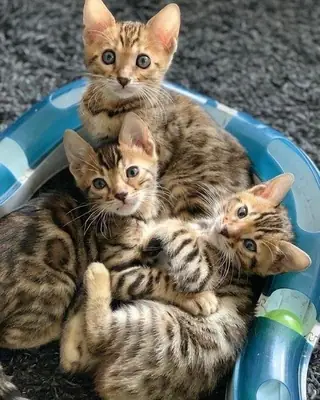
Bengals kittens (jessicabaynton2@gmail.com)
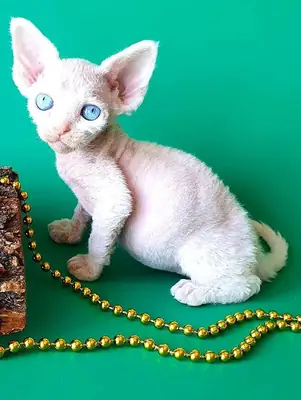
Meet Gucci — a charming Devon Rex boy
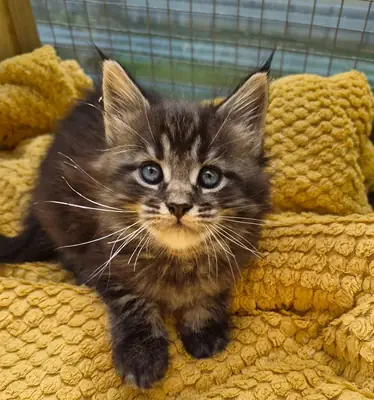
beautiful maine coon kittens
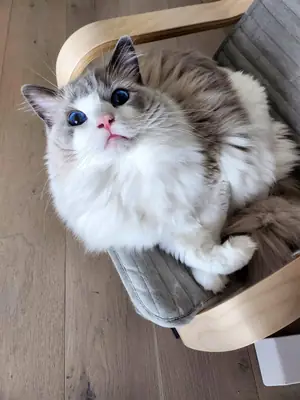
ragdoll
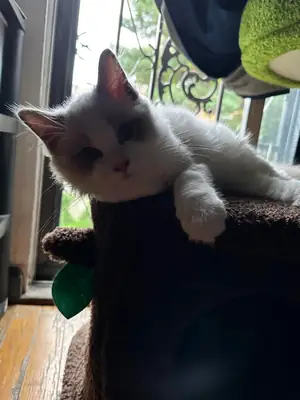
Gentle Ragdoll cat that quietly became part of our daily routine
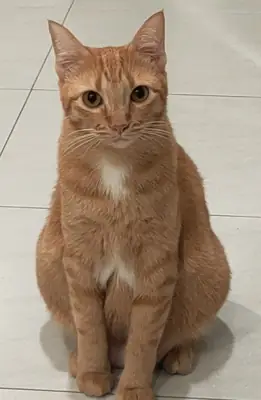
Arabian Mau Adoption | Active and Intelligent Cat
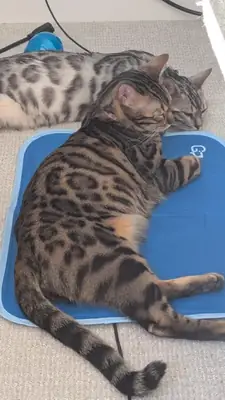
bengal cat
Haven't found the pet you're looking for? Let people who want to find a new home for their pet reach out to you.
Create your free pet adoption request listing now and be seen by thousands of pet owners.
Other listings in your area
beautiful maine coon kittens
Gentle Ragdoll cat that quietly became part of our daily routine
Meet Gucci — a charming Devon Rex boy
Bengals kittens (jessicabaynton2@gmail.com)
Arabian Mau Adoption | Active and Intelligent Cat
bengal cat
Popular Searches
Cats for adoption in Brighton
Finding cats for adoption in Brighton should not mean choosing the first sweet face that appears in the listings. A proper adoption advert needs to explain the cat’s age, sex, health, microchip status, neutering, vaccinations, litter tray habits, temperament and reason for rehoming. Without those details, you are not choosing responsibly; you are guessing.
Brighton homes are not all the same. A cat living near the seafront, in a flat in Kemptown, a house in Hove, a busy shared home or a quieter place near Preston Park may need very different conditions. Some cats need indoor-only safety, some need calm adults, some can live with children, and some need a home with no other pets. A strong listing helps you understand the cat’s real life before you message.
Adopt a cat in Brighton
People searching to adopt a cat in Brighton usually want a safe, local and trustworthy way to bring a cat home. The right approach is to compare more than appearance. You need to know whether the cat is confident, nervous, playful, independent, affectionate, used to indoor living, settled with children or better suited to a quieter home.
Before contacting about an advert, check whether the cat uses a litter tray reliably, how it reacts to visitors, whether it has lived with dogs or other cats and whether it needs a slow settling-in period. A good adoption process starts with clear information. A rushed handover with vague details is not good enough.
Kittens for adoption in Brighton
Kittens for adoption in Brighton attract fast attention, but a kitten is not the easy option just because it is small. Kittens need feeding routines, litter training, parasite treatment, vaccination planning, safe windows, scratch posts, play time, socialisation and future neutering. If the home is not prepared, the cute stage becomes chaos quickly.
A strong kitten listing should include approximate age, whether the kitten is eating independently, litter tray progress, vet checks, microchip status if old enough, vaccination details and how confident it is with people. The real question is not whether the kitten is adorable. The real question is whether you can raise it properly after the first excitement fades.
Rescue cats in Brighton and Hove
Rescue cats in Brighton and Hove may come from shelters, foster homes, private rehoming situations or cats that have been assessed after a difficult start. That background matters. A rescue cat can be confident and affectionate, but it may also need patience, a quiet room, gradual introductions and a home that understands stress after moving.
Look for listings that explain behaviour clearly: does the cat hide at first, enjoy being stroked, dislike being picked up, need to be the only cat, or settle quickly with routine? Rescue adoption should not be driven only by pity. It should be driven by an honest match between the cat’s needs and the adopter’s home.
Cat rehoming in Brighton
Cat rehoming in Brighton should be handled carefully because a change of home can unsettle even a friendly cat. The listing should explain why the cat is being rehomed, what its daily routine looks like, what food and litter it uses, whether it is neutered and whether it has any known medical or behavioural needs.
Useful details include how the cat reacts to being left alone, visitors, children, other cats, dogs, car travel and vet visits. Rehoming is not just passing an animal to the next person. It is transferring a living routine, and the more honestly that routine is described, the better the chance of a stable home.
Cats needing homes in Brighton
Cats needing homes in Brighton may include kittens, adult cats, senior cats, bonded pairs, indoor cats, outdoor cats and cats that need quieter homes. The weak way to choose is to respond to the saddest wording. The stronger way is to read the cat’s actual needs and ask whether you can meet them.
A cat that needs a home quickly may still require careful matching. Some cats cannot live with dogs, some need no young children, some must stay indoors, and some need outdoor access away from busy roads. The right advert does not just say “urgent”; it explains what kind of home will stop the situation becoming urgent again.
Adult cats for adoption in Brighton
Adult cats for adoption in Brighton can be a better choice than kittens for many homes. With an adult cat, the personality is usually clearer: affectionate, shy, independent, playful, talkative, calm, confident or nervous. That makes matching much more realistic.
A good adult cat listing should explain whether the cat is neutered, microchipped, litter trained, used to children, used to other cats or dogs, and whether it prefers indoor or outdoor life. Adult cats are not second-best. A well-described adult cat can be the most sensible adoption on the page.
Indoor cats for adoption in Brighton
Indoor cats for adoption in Brighton may suit flats, busy roads, health needs or cats that have never safely lived outside. But indoor life must be managed properly. A cat kept indoors needs enrichment, scratching areas, climbing spaces, play, window safety, hiding places and a routine that stops boredom from turning into stress.
The listing should explain whether the cat has always lived indoors, whether it tries to escape, whether it is happy with windows, whether it needs a calm home and how active it is. Indoor-only does not mean low-effort. It means the home must provide enough stimulation and safety inside.
Outdoor cats for adoption in Brighton
Outdoor cats for adoption in Brighton need careful thought because roads, seafront movement, garden access, shared entrances and neighbourhood layout can affect safety. Some cats are confident outdoor explorers, while others should not be placed where traffic, dogs or busy streets create too much risk.
A good listing should say whether the cat has outdoor experience, whether it uses a cat flap, whether it returns reliably, whether it has lived near traffic and whether it still needs a settling-in period indoors before any outdoor access. Letting a newly adopted cat out too soon is a bad decision. The cat must first learn that the new home is safe.
Neutered cats for adoption in Brighton
Neutered cats for adoption in Brighton are often easier to plan for because a major part of responsible ownership is already handled. Still, neutering should not be the only thing you check. You also need health history, microchip details, vaccinations, temperament, litter tray habits and whether the cat needs any ongoing care.
If the cat is not yet neutered, the listing should explain why and what the plan is. Kittens may be too young, but adult cats should have a clear explanation. A responsible adoption listing does not leave basic care questions hanging.
Microchipped cats for adoption in Brighton
Microchipped cats for adoption in Brighton give the new keeper a clearer starting point, especially because contact details must be updated when a cat changes home. The listing should say whether the cat is microchipped and how the keeper transfer will be handled.
Before adopting, ask about chip status, vet records, vaccinations, neutering, parasite treatment and any known health issues. If the cat is not microchipped and is old enough to require it, that should be resolved or clearly explained. Adoption should not happen with basic identification left vague.
Cat adoption for flats in Brighton
Cat adoption for flats in Brighton needs more thought than people admit. A flat can be perfect for the right cat, but only if windows, balconies, escape routes, enrichment and litter tray placement are handled properly. A bored indoor cat in a flat can become stressed, vocal or destructive if the environment is empty.
The advert should say whether the cat has lived in a flat before, whether it tries to escape, whether it is nervous with corridor noise and whether it needs a quiet home. Brighton has many rented and shared living setups, so it is also worth being honest about landlord rules, housemates and long-term stability before adopting.
Cat adoption for families with children in Brighton
Cat adoption for families with children in Brighton needs more detail than “good with kids”. Some cats enjoy gentle children, some tolerate older children only, and some need an adult-only home. A cat that is overwhelmed by noise or grabbing may hide, scratch or become stressed.
The listing should explain whether the cat has lived with children, what ages, how it reacts to noise, whether it likes being picked up, whether it guards food or sleeping spaces and whether it needs somewhere quiet to retreat. A good family match protects both the child and the cat.
Adopt a cat with dogs or other cats
Adopting a cat when you already have dogs or other cats can work, but it should never be based on hope. The listing should say whether the cat has lived with dogs, cats or small pets, whether it is territorial, whether it hides, whether it plays roughly and whether it needs to be the only animal.
Introductions should be slow, with separate spaces, scent swapping and controlled meetings. Putting animals together on the first day is a weak plan. The right advert gives enough behavioural detail to decide whether introductions are even sensible.
Cats for adoption near Brighton and Hove
Searching for cats for adoption near Brighton and Hove can include Kemptown, Preston Park, Portslade, Rottingdean, Saltdean, Shoreham-by-Sea, Lewes, Worthing and nearby East Sussex areas. Expanding the search can help you find a cat that fits better than the closest listing.
Distance still should not beat detail. A nearby listing with no health, temperament or home-suitability information is weak. A well-described cat a little further away may be a safer adoption because you can understand the animal before you arrange a visit.
Frequently Asked Questions
What should I check before adopting a cat in Brighton?
Before adopting a cat in Brighton, check the cat’s age, sex, health, microchip status, neutering, vaccinations, litter tray habits, temperament, reason for rehoming and whether it is suited to indoor or outdoor life. You should also ask whether the cat has lived with children, dogs or other cats.
A good listing should help you understand the cat’s real routine and needs before you arrange a visit. Choosing only from a cute photo is a poor way to make a long-term adoption decision.
Is it better to adopt a kitten or an adult cat?
A kitten may suit someone with time for play, training, vaccination planning, safe home setup and future neutering. Kittens are lively and appealing, but they need more supervision and patience than many people expect.
An adult cat often has a clearer personality. You may already know whether it is calm, affectionate, shy, independent, good with children or better as the only pet. The better choice depends on your home and routine, not just age.
Do cats in England need to be microchipped?
In England, owned cats must be microchipped by the required age, and keeper details should be kept up to date. When adopting, ask whether the cat is microchipped and how the keeper transfer will be completed.
If the cat is not microchipped and is old enough to need it, the situation should be clearly explained. A responsible adoption should not leave identification details vague.
Can an adopted cat live indoors only?
Some adopted cats can live indoors only, especially if they have always been indoor cats, have health needs, are nervous outside or live near busy roads. Indoor life must still include enrichment, scratching areas, play, resting spaces and safe windows.
Before adopting, ask whether the cat tries to escape, whether it is happy indoors and how active it is. Indoor-only care is not low-effort care. It needs planning.
How long should I keep a newly adopted cat indoors?
A newly adopted cat should be kept indoors during the settling-in period so it learns that the new home is safe. The exact timing depends on the cat’s confidence, history and whether it was previously indoor or outdoor.
Start with one quiet room, a litter tray, food, water, hiding places and a calm routine. Outdoor access should only be considered once the cat is settled, confident and reliably bonded to the new home.
Can I adopt a cat if I live in a Brighton flat?
You can adopt a cat if you live in a Brighton flat, but the cat’s temperament and safety needs matter. Some cats are happy indoors, while others need safe outdoor access or become frustrated without enough stimulation.
Before adopting, check balcony safety, window security, landlord permission, litter tray placement and whether the cat has lived in a flat before. A flat can work well, but only if the setup matches the cat.
Can I adopt a cat if I have children?
You can adopt a cat if you have children, but the cat must be suitable for that kind of home and the children must respect boundaries. Ask whether the cat has lived with children, what ages, and how it reacts to noise, handling and play.
A cat should not be chased, grabbed or treated like a toy. Even a friendly cat needs a safe place to retreat. The best family match is based on real behaviour, not a vague “good with kids” phrase.
Can I adopt a cat if I already have another cat or a dog?
It may be possible, but the new cat’s history matters. Ask whether it has lived with cats or dogs before, whether it is territorial, whether it hides, whether it fights and whether it needs to be the only pet.
Introductions should be gradual, with separate spaces, scent swapping and controlled meetings. Rushing animals together on the first day can create avoidable stress and conflict.
What should I prepare before bringing an adopted cat home?
Prepare a litter tray, food, water, bowls, carrier, scratch post, bed, hiding places, toys and a quiet first room. You should also secure windows, balconies and any risky areas before the cat arrives.
If you know the cat’s previous food or litter type, avoid changing everything immediately. Familiar smells and routines can make the first few days much easier.
How should I evaluate cat adoption listings on Petopic?
On Petopic, start with cat listings that clearly describe location, age, health, microchip status, neutering, litter tray habits, temperament, indoor or outdoor suitability, children, other pets and reason for rehoming.
The best listing is not always the cutest or most urgent one. It is the one that describes a real cat clearly enough for you to decide whether the match is safe, realistic and fair to the animal.