Bristol Australian Cattle Dog Adoption
There's 1 Australian Shepherd listing live right now, last updated 27 Apr 2026. Adopt an Australian ... There's 1 Australian Shepherd listing live right now, last updated 27 Apr 2026. Adopt an Australian Cattle Dog in Bristol by checking clear rehoming listings for this intelligent, high-drive and energ... There's 1 Australian Shepherd listing live right now, last updated 27 Apr 2026. Adopt an Australian Cattle Dog in Bristol by checking clear rehoming listings for this intelligent, high-drive and energetic herding dog breed: age, sex, blue or red coat, microchip transfer, neuter status, vaccination record, hearing notes, eye history, hip and elbow comfort, recall, lead manners, nipping behaviour, reactivity, children, other pets, exercise needs and safe handover across the South West.
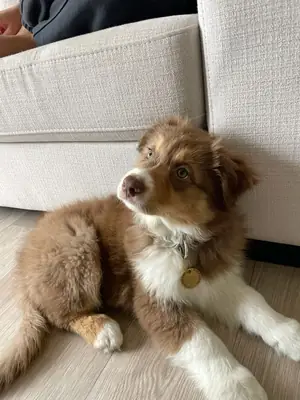
Haven't found the pet you're looking for? Let people who want to find a new home for their pet reach out to you.
Create your free pet adoption request listing now and be seen by thousands of pet owners.
Other listings in your area
Adoption
Dachshund puppy available for Adoption
Gift male and female French Bulldog puppies
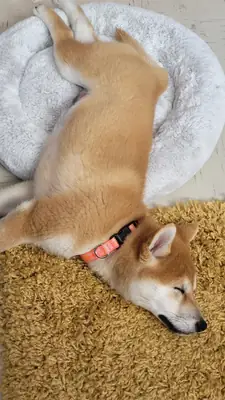
Independent shiba inu used to apartment life
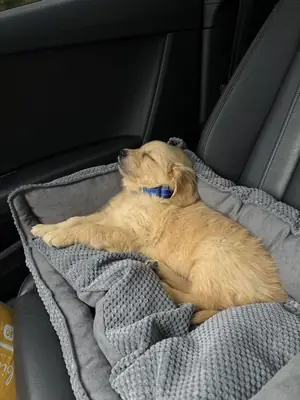
Healthy Golden Retriever
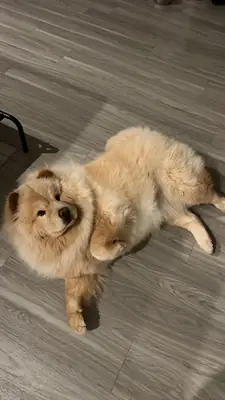
We are looking for a quiet home for a Chow Chow.
Popular Searches
Australian Cattle Dog adoption Bristol
Australian Cattle Dog adoption in Bristol should not be treated like a normal “nice active dog” search. This is a dog breed built for work, movement, decision-making and close handler focus, so the listing needs to show whether the dog can actually live in a modern home without frustration.
On Petopic, a useful adoption advert should explain the dog’s age, sex, coat colour, microchip transfer, neuter status, vaccination record, hearing, eye history, hip and elbow comfort, recall, lead manners, nipping, reactivity, crate routine, children, cats, other dogs and daily exercise needs. A vague “needs an active home” line is too weak for this breed.
Adopt Cattle Dog Bristol
People searching adopt Cattle Dog Bristol usually want a loyal, clever and athletic companion. The mistake is thinking intelligence makes the dog easy. With this breed, intelligence without structure can turn into chasing bikes, barking at movement, guarding space, nipping heels or dismantling the house out of boredom.
The listing should tell adopters what the dog is like on real Bristol streets: traffic, scooters, runners, children, cyclists, parks, cafés, buses, dogs on lead and busy pavements. This breed does not need a soft sales pitch; it needs a brutally honest match.
Blue Heeler adoption Bristol
Blue Heeler adoption Bristol catches a very real UK search habit because many people know the Australian Cattle Dog by its blue coat name. A Blue Heeler is still the same serious working-type dog, not a casual blue-speckled pet for someone who just wants a cool-looking rescue.
The advert should describe coat colour naturally, but the stronger content is behaviour: heel nipping, herding instinct, response to livestock, dog selectivity, frustration, recall, off-lead reliability, car travel and ability to settle indoors. Colour gets the click; behaviour decides whether the adoption succeeds.
Red Heeler adoption Bristol
Red Heeler adoption Bristol should cover people looking for the red speckled version of the Australian Cattle Dog. The red coat may stand out, but the adoption questions stay the same: drive, nerves, prey chase, handler focus, boundaries and home suitability.
A strong listing should mention whether the dog is red speckled, red mottled or mixed, but should not stop there. It should explain exercise history, training, recall, livestock exposure, children, cats, other dogs and any bite or nip history. Red coat marketing without behaviour detail is empty.
Australian Cattle Dog rescue Bristol
Australian Cattle Dog rescue Bristol searches often come from people who want to give a working breed a second chance. Good intention is not enough. This dog may have been surrendered because the previous home underestimated exercise, herding behaviour, reactivity or the need for daily mental work.
The listing should explain why the dog is being rehomed, what has been tried, what triggers problems and what kind of home is realistic. “Through no fault of his own” is not enough. The adopter needs the truth: bikes, strangers, dogs, children, livestock, separation, guarding, noise and handling.
Cattle Dog rehoming South West
Cattle Dog rehoming South West covers Bristol, Bath, Weston-super-Mare, Gloucester, Cheltenham, Somerset, Wiltshire and nearby areas. A wider search makes sense because this breed is not common, but distance should not replace careful screening.
A rehoming advert should state location, viewing process, home requirements, whether rural or urban life suits the dog, transport tolerance, microchip transfer, vet records and adoption terms. If the owner only wants the dog gone quickly, that is not responsible rehoming.
Adult Australian Cattle Dog adoption
Adult Australian Cattle Dog adoption can be a better match than taking on a puppy if the dog’s history is honest. With an adult, you can often see the real temperament: dog tolerance, visitor behaviour, recall, chase drive, settling ability and how the dog handles frustration.
The advert should include age, neuter status, health history, training level, known commands, bite or nip record, muzzle training if relevant, crate routine, time alone, lead reactivity and home environment. An adult Cattle Dog with clear history is stronger than a cute unknown puppy.
Australian Cattle Dog puppy adoption Bristol
Australian Cattle Dog puppy adoption in Bristol needs strict honesty because a puppy may look manageable before the working brain turns on. The adopter must be ready for biting, chasing movement, noise sensitivity, socialisation, impulse control and daily training from the beginning.
The listing should state age, microchip, vaccinations, worming, parents if known, hearing notes, socialisation, bite inhibition, litter behaviour, food routine and what kind of home is being prioritised. “Cute cattle dog pup” without preparation is how failed adoptions start.
Australian Cattle Dog mix adoption Bristol
Australian Cattle Dog mix adoption Bristol should not hide behind the word “mix” to soften the reality. Even a crossbreed can carry strong herding, chasing, suspicion of strangers, noise sensitivity or high exercise needs.
The listing should explain what is known about the dog’s background, size, coat, energy, handling, dog tolerance, child history, prey drive, training and triggers. If the dog looks like a Cattle Dog and behaves like one, the advert should say so clearly.
High energy dog adoption Bristol
High energy dog adoption Bristol is a broader intent that fits Australian Cattle Dogs well, but energy alone is not the whole story. This breed needs purposeful work: training, scent games, obedience, structured walks, controlled play and calm recovery time.
A good listing should explain what the dog does after exercise. Can it switch off indoors, or does it pace, bark, mouth, steal items and demand more? A Cattle Dog that cannot settle is not simply energetic; it needs a better routine and a more skilled home.
Working dog adoption Bristol
Working dog adoption Bristol should make it clear whether the Australian Cattle Dog needs an actual job or just an active pet home. Some dogs can adapt to sport, training and structured family life; others need experienced working-breed handlers.
The listing should describe livestock exposure, farm history, chase drive, stamina, handler focus, whistle or verbal cues, recall, impulse control and how the dog behaves when under-stimulated. “Would suit active home” is too lazy for a working breed.
Herding dog adoption Bristol
Herding dog adoption Bristol is important because many behaviour issues in Australian Cattle Dogs are not random. Chasing children, nipping ankles, circling dogs, staring at movement and reacting to bikes can all come from unmanaged herding instinct.
The advert should say whether the dog herds people, livestock, cats, cars, scooters, runners or other dogs. The right adopter can train and redirect; the wrong adopter will punish a behaviour they should have understood before adopting.
Australian Cattle Dog nipping behaviour
Australian Cattle Dog nipping behaviour must be written plainly. Heel nipping, mouthing, grabbing clothing or chasing feet may be manageable with training, but it is not a small detail in a family home.
The listing should explain when nipping happens: excitement, visitors, children running, other dogs playing, lead frustration, doorways or overstimulation. Do not write “a bit mouthy” if the dog is using its teeth to control movement. Say it properly so the right adopter responds.
Australian Cattle Dog with children
An Australian Cattle Dog with children can work in the right home, but it is not a safe assumption. Fast movement, screaming, footballs, scooters and rough play can trigger chasing or nipping.
The listing should state whether the dog has lived with children, what ages, whether it guards toys or food, whether it herds running children and whether it can relax in a busy room. “Good with kids” without detail is not enough for this breed.
Australian Cattle Dog with other dogs
An Australian Cattle Dog with other dogs may be social, selective, pushy, controlling or reactive. This breed often plays with intensity, and not every dog enjoys being stared at, chased or managed.
The advert should describe lead greetings, off-lead play, same-sex tolerance, resource guarding, dog park behaviour, frustration barking and whether the dog can disengage. “Fine with dogs” is too vague if the dog only copes with calm dogs after slow introductions.
Australian Cattle Dog with cats
An Australian Cattle Dog with cats needs serious caution. Some can live with confident dog-savvy cats, but others may chase, stalk, herd or fixate on movement.
The listing should say whether the dog has lived with cats, whether it chases wildlife, whether it can be called away, whether it guards spaces and whether the cat has escape routes. A home with cats should not guess with this breed.
Australian Cattle Dog reactivity
Australian Cattle Dog reactivity should not be hidden in soft wording. Reactivity might appear around dogs, strangers, bikes, cars, skateboards, livestock, doorbells or handling, and Bristol’s busy streets can make it worse if unmanaged.
The listing should say what the dog reacts to, how close triggers can be, whether it recovers quickly, whether it is muzzle trained, whether it can walk in quieter areas and what training has already been done. Serious adopters need details, not surprises.
Australian Cattle Dog recall and off lead
Australian Cattle Dog recall and off-lead reliability should be described honestly. A dog that comes back in a quiet field may not come back when it sees bikes, sheep, dogs, birds or runners.
The listing should mention recall history, long-line use, prey drive, livestock response, whistle cues, traffic awareness and whether the dog has ever bolted. Off-lead freedom is earned; it is not included with the adoption.
Australian Cattle Dog in a flat Bristol
An Australian Cattle Dog in a flat in Bristol is not impossible, but it is a hard match unless the owner has time, structure and quiet decompression built into the day. This breed can struggle if every trip outside means stairs, lifts, busy pavements and constant triggers.
The advert should state whether the dog has lived in a flat, how it handles communal halls, neighbours, lifts, barking, time alone and toilet breaks. A flat home with excellent routine may beat a garden home with no training, but the listing must be honest.
Australian Cattle Dog garden needed
A garden is useful for an Australian Cattle Dog, but it is not a replacement for training. A bored Cattle Dog in a garden may bark, dig, fence-run, guard boundaries or chase movement through the fence.
The listing should explain fence height, escape history, boundary guarding, reaction to neighbours, livestock nearby and whether the dog settles after outdoor time. A secure garden helps, but the breed still needs work for its brain.
Australian Cattle Dog exercise needs
Australian Cattle Dog exercise needs are high, but the answer is not endless ball throwing. Repetitive high-arousal exercise can create a fitter, more intense dog that still cannot switch off.
A strong listing should describe the dog’s current routine: walk length, training games, scent work, recall, tug rules, rest periods, crate time and how it behaves after exercise. The best adopter will balance movement with impulse control and calmness.
Australian Cattle Dog mental stimulation
Australian Cattle Dog mental stimulation is not optional. This dog needs tasks: training sessions, problem-solving, scent work, controlled games, trick training, obedience, agility-style foundations or structured jobs around the home.
The listing should explain what the dog already knows and what it enjoys. Food puzzles alone will not fix a frustrated working brain, but structured learning can turn intensity into partnership.
Australian Cattle Dog separation anxiety
Australian Cattle Dog separation anxiety or isolation distress should be disclosed clearly. These dogs often bond strongly and may struggle when left with no gradual training, especially after a rehoming change.
The advert should say how long the dog can be left, whether it barks, howls, chews, soils, paces, escapes crates or settles with a routine. An adopter with full-time office hours and no plan is likely to fail this dog.
Australian Cattle Dog microchip transfer
Australian Cattle Dog microchip transfer is a basic adoption requirement. The dog should already be microchipped, and the keeper details must be updated properly during or immediately after handover.
The listing should state microchip status, current keeper details, vaccination record, vet practice, insurance notes and whether the adoption agreement includes transfer responsibilities. “You can sort the chip later” is not responsible wording.
Australian Cattle Dog deafness and hearing
Australian Cattle Dog deafness and hearing should be mentioned because hearing issues can affect training, recall, startle response and safety. A deaf or partially deaf dog can live well, but the adopter must know and adjust communication.
The advert should state whether hearing has been checked, whether the dog responds to voice, whistle, hand signals, door sounds and traffic noise, and whether any vet or BAER test information exists. Hiding hearing concerns is unfair to both dog and adopter.
Australian Cattle Dog eye problems PRA
Australian Cattle Dog eye problems and PRA should be part of serious adoption checks, especially if the dog’s parent history or breeder background is known. Vision changes can affect confidence, reactivity and navigation.
The listing should mention any eye test history, night vision issues, bumping into objects, hesitation in new places or known DNA information. Even in adoption, health transparency matters more than making the dog sound perfect.
Australian Cattle Dog hip and elbow health
Australian Cattle Dog hip and elbow health matters because this breed is active, athletic and often intense in movement. Joint pain can turn into reluctance, irritability, reduced stamina or defensive behaviour if ignored.
The listing should describe movement, lameness history, vet notes, exercise tolerance, previous injuries, stairs, jumping, agility or ball-chasing history. A dog that runs hard is not automatically sound; adrenaline can hide discomfort.
Australian Cattle Dog for experienced owner
Australian Cattle Dog for experienced owner is often the correct angle. This breed can be brilliant in the right home and a disaster in the wrong one. The right adopter understands working drive, boundaries, calm handling and daily training.
The advert should be explicit if the dog needs breed experience, no young children, no cats, rural space, single-dog home, training support or a sport outlet. Filtering out unsuitable homes is not negative; it protects the dog.
Safe Australian Cattle Dog handover Bristol
A safe Australian Cattle Dog handover in Bristol should include microchip transfer, vaccination record, vet history, diet, routine, walking equipment, known commands, trigger list, bite or nip history, behaviour notes and adoption terms.
The first days should be quiet and structured: no busy park test, no instant off-lead run, no visitors crowding the dog and no sudden freedom in a new home. This breed needs a controlled start, not a dramatic welcome tour.
Frequently Asked Questions
What type of animal is an Australian Cattle Dog?
An Australian Cattle Dog is a dog breed from the herding and working background, also commonly searched as Blue Heeler or Red Heeler. It is not a cat, not a toy breed and not a low-effort family pet.
The breed is usually intelligent, energetic, loyal, tough and highly driven. It needs training, mental work, exercise, boundaries and a home that understands herding behaviour.
What should I check before adopting an Australian Cattle Dog in Bristol?
Check age, sex, microchip transfer, neuter status, vaccination record, vet history, hearing, eyes, movement, hip and elbow comfort, recall, lead manners, reactivity, bite or nip history and time-alone ability.
You should also ask whether the dog has lived with children, cats, other dogs, livestock, traffic, cyclists, visitors and busy urban environments.
Is an Australian Cattle Dog suitable for first-time owners?
Usually, this is not an easy first dog. Some individuals may suit a very committed first-time owner with strong support, but many need experienced handling, structure and working-breed understanding.
If the listing mentions reactivity, nipping, guarding, high chase drive or poor recall, a first-time adopter should be extremely cautious.
Are Australian Cattle Dogs good with children?
They can live with children in the right home, but herding and nipping can be a problem around running, shouting or rough play. Young children and high-drive Cattle Dogs are often a difficult match.
Before adoption, ask what ages of children the dog has lived with, whether it nips heels, guards toys or food, chases movement or becomes overstimulated in busy rooms.
Can an Australian Cattle Dog live with other dogs?
Some can, but many are selective, intense or controlling with other dogs. Play style, lead greetings, same-sex tolerance and resource guarding should be checked carefully.
Ask for real examples, not just “good with dogs”. A dog may be fine with calm dogs but reactive to rude, fast or pushy dogs.
Can an Australian Cattle Dog live with cats?
It depends on the dog and the cat. Some Cattle Dogs can live with dog-savvy cats, while others may chase, herd, stalk or fixate on them.
Ask whether the dog has lived with cats before, whether it chases wildlife and whether it can be called away from moving animals.
How much exercise does an Australian Cattle Dog need?
It needs a lot of structured physical exercise and mental work, but endless ball throwing is not the answer. The dog also needs to learn calmness and impulse control.
A good routine may include walks, training, scent work, controlled games, rest periods and clear rules. Exercise without training can create a fitter but more difficult dog.
Why do Australian Cattle Dogs nip?
Nipping can come from herding instinct, excitement, frustration, lack of impulse control or attempts to control movement. It may show around running children, bikes, dogs, visitors or play.
The listing should describe when nipping happens and how severe it is. This is not a detail to hide because it affects home suitability.
Can an Australian Cattle Dog live in a flat?
It can be possible for the right dog with the right owner, but it is not an easy setup. Communal halls, lifts, neighbours, street noise and limited decompression space can make life harder.
Ask whether the dog has lived in a flat, how it handles barking, time alone, toilet breaks, stairs, lifts and busy pavements.
Does an Australian Cattle Dog need a garden?
A secure garden helps, but it does not replace walks, training and mental stimulation. A bored Cattle Dog may bark, dig, guard boundaries or chase movement through the fence.
The garden should be secure, and the adopter still needs a daily plan for training, enrichment and calm indoor settling.
What health issues should I ask about before adoption?
Ask about hearing, eye history, PRA, hip and elbow comfort, lameness, skin problems, allergies, previous injuries, medication, weight, dental health and vet records.
If parent history is known, ask whether any health testing information exists. In adoption, full history is not always available, but known information should be shared honestly.
Can Australian Cattle Dogs have hearing problems?
Yes, hearing issues can occur and should be asked about. Hearing affects recall, startle response, safety near roads and training methods.
Ask whether the dog responds to voice, whistle, hand signals, traffic, door sounds and whether any vet or hearing test information is available.
Does an adopted Australian Cattle Dog need microchip transfer?
Yes. Dogs in the UK should be microchipped, and keeper details should be kept up to date. During adoption, the microchip transfer should be handled properly.
The adopter should receive the microchip information, vet records, vaccination details and clear responsibility for updating keeper details.
Is an adult Australian Cattle Dog easier than a puppy?
An adult can be easier to assess because temperament, triggers, recall, dog tolerance, nipping and settling ability are more visible. But an adult may also come with established habits.
A clear adult history is valuable. Ask why the dog is being rehomed, what training has been done and what kind of home has already failed or worked.
What kind of home suits an Australian Cattle Dog?
The best home is usually active, structured, consistent and experienced with working or herding breeds. The dog needs exercise, training, mental jobs, boundaries and calm rest.
Homes with very young children, no time for training, long working hours or no plan for reactivity may struggle badly with this breed.
How should an Australian Cattle Dog be handed over in Bristol?
The handover should include microchip transfer, vaccination record, vet history, diet, routine, walking equipment, known commands, triggers, behaviour notes and adoption terms.
At home, start calmly with structure, short lead walks, no busy park test, no forced introductions and no instant off-lead freedom. The first days should build trust, not chaos.