Bristol Cat Adoption Listings
There are 7 Cat listings live right now, last updated 22 Jul 2026. Find cats for adoption in Bristol... There are 7 Cat listings live right now, last updated 22 Jul 2026. Find cats for adoption in Bristol and compare listings for kittens, adult cats, senior cats, indoor cats, rescue cats, bonded pairs a... There are 7 Cat listings live right now, last updated 22 Jul 2026. Find cats for adoption in Bristol and compare listings for kittens, adult cats, senior cats, indoor cats, rescue cats, bonded pairs and pets looking for a new home across areas such as Clifton, Bedminster, Redland, Bishopston, Fishponds, Easton, Southville, Horfield and nearby parts of the South West. On Petopic, you can look beyond the photo and check the cat’s age, temperament, health notes, neutering status, microchip details, vaccinations, flea and worming history, litter training, indoor or outdoor needs, confidence around children, dogs and other cats, settling-in requirements and adoption conditions, so you can choose a cat that genuinely fits your home, routine and long-term care plans.
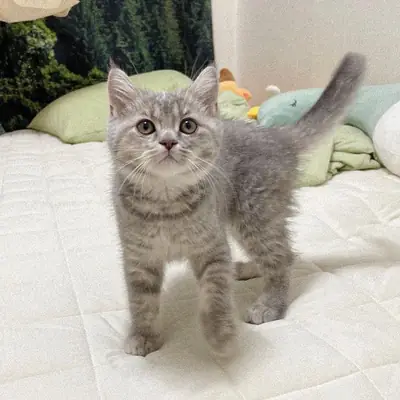
British Shorthair
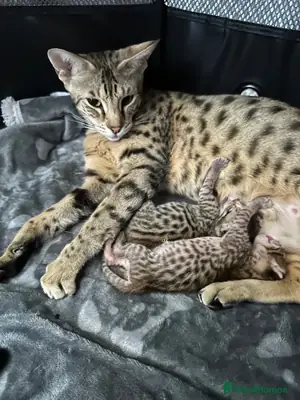
Bengal kitten
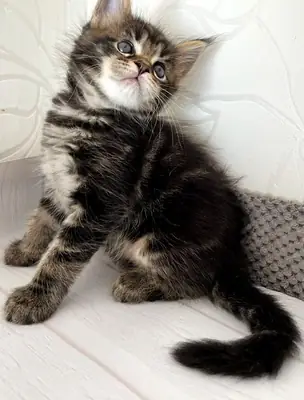
charming black tabby Maine Coon boy
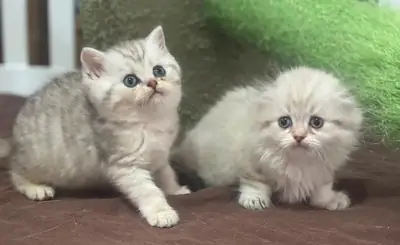
✨ Adorable Munchkin Kittens ✨
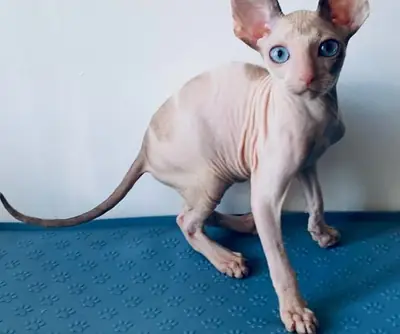
Cornish Rex Laska — Very Affectionate and Companionable Kitty
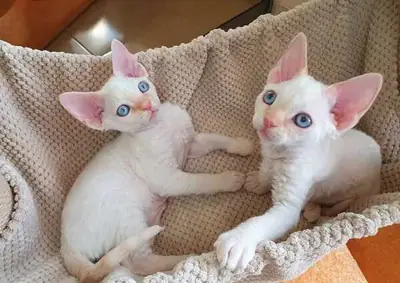
Devon Rex Kittens available now
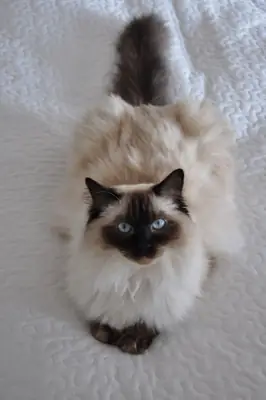
Himalayan Cat Adoption | Calm & Affectionate
Haven't found the pet you're looking for? Let people who want to find a new home for their pet reach out to you.
Create your free pet adoption request listing now and be seen by thousands of pet owners.
Other listings in your area
Devon Rex Kittens available now
Cornish Rex Laska — Very Affectionate and Companionable Kitty
✨ Adorable Munchkin Kittens ✨
Himalayan Cat Adoption | Calm & Affectionate
charming black tabby Maine Coon boy
Bengal kitten
Popular Searches
Cat adoption in Bristol
Adopting a cat in Bristol should start with the cat’s real needs, not just a nice photo. A strong listing should show age, temperament, health notes, neutering status, microchip information, vaccination history, litter habits and whether the cat is suited to indoor-only life or needs safe outdoor access.
Bristol homes vary a lot, from busy flats near the centre to quieter houses in surrounding neighbourhoods. The listing should help someone understand whether the cat can cope with children, dogs, other cats, visitors, noise, being left alone and the daily rhythm of the home.
Adopt a cat in Bristol
People searching to adopt a cat in Bristol usually want a clear match, not a vague advert. They need to know if the cat is confident, shy, playful, independent, cuddly, nervous, elderly, bonded with another cat or recovering from a difficult start.
The best listings answer practical questions early: does the cat use a litter tray, need a quiet room at first, enjoy being handled, hide from strangers, scratch furniture, need medication or prefer an adult-only home? That is the information that turns interest into a responsible enquiry.
Cats for adoption Bristol
Cats for adoption in Bristol can include kittens, young adults, older cats, former strays, rescue cats, indoor cats, pairs and cats being rehomed because of a change in family circumstances. Each one needs a different description.
A useful advert should explain what kind of home the cat needs. Some cats want a calm flat with one person, some enjoy a busy family, some need outdoor access after settling, and some are best as the only pet. Generic wording does not help the adopter or the cat.
Rescue cats Bristol
Rescue cats in Bristol may have been abandoned, surrendered, found outside, fostered or cared for after a stressful period. The important part is not only the story, but how the cat behaves now and what support it needs next.
A good rescue cat listing should say whether the cat is nervous, affectionate, used to handling, comfortable indoors, scared of sudden noises, settled in foster care or still learning to trust people. The more honest the profile is, the lower the risk of a failed adoption.
Kittens for adoption Bristol
Kittens for adoption in Bristol get attention quickly, but they are not low-effort pets. They need safe rooms, play, socialisation, litter training, regular meals, vet checks, vaccinations, flea and worming treatment and a home prepared for climbing, scratching and exploring.
A kitten listing should include approximate age, whether the kitten is eating independently, litter trained, handled by people, used to other pets and ready to leave. If the kitten is too young, poorly socialised or has no health information, the adopter needs to know before making contact.
Adult cats for adoption Bristol
Adult cats are often a better fit for people who want a clearer idea of personality. With an adult cat, it is usually easier to understand whether they are quiet, playful, lap-loving, independent, nervous, vocal, confident with visitors or happier in a calm home.
The listing should explain the cat’s routine, litter habits, food preferences, health background, neutering status and reason for rehoming. An adult cat is not a compromise; in many Bristol homes, it is the more realistic choice.
Senior cats for adoption Bristol
Senior cats can be ideal for quieter homes, people working from home, older adopters or anyone who wants a calmer companion. They may already have settled habits and a more predictable personality.
A senior cat profile should be honest about teeth, weight, mobility, eyesight, hearing, medication, diet and vet checks. Age should not make the cat invisible, but the adopter needs the full picture before offering a home.
Indoor cat adoption Bristol
Indoor cat adoption in Bristol is especially relevant for flats, busy roads, nervous cats, cats with health needs and cats that have never lived outdoors. Indoor life can work well, but only if the home is enriched and secure.
The advert should say whether the cat has always been indoor-only, needs window safety, enjoys climbing spaces, uses scratching posts, copes with being alone and needs extra play. Indoor does not mean low-maintenance; it means the home must provide stimulation safely.
Outdoor access cat Bristol
Some cats need safe outdoor access after settling into the home. In Bristol, this depends heavily on road safety, garden access, local noise, nearby dogs, the cat’s confidence and whether the home can keep the cat inside during the first settling period.
A listing should not simply say “likes outdoors”. It should explain whether the cat has used a cat flap, returns reliably, gets nervous outside, fights with other cats or needs a quiet area away from heavy traffic.
Cat rehoming Bristol
Cat rehoming in Bristol often happens because of moving home, allergies, illness, family changes, landlord issues or a cat not coping with other pets. The reason matters because it helps adopters understand the cat’s background without guessing.
A responsible rehoming advert should be clear about what the cat is used to, what has not worked, and what kind of home would be better. Hiding difficult details may bring more messages, but it increases the chance of the cat being moved again.
Bonded cats for adoption Bristol
Bonded cats should not be separated just because one cat gets more attention. If two cats sleep together, groom each other, play together or become stressed apart, the listing should clearly explain that they need one home.
For adopters, bonded pairs can be rewarding because the cats already have companionship. The advert should still describe each cat separately: confidence, health, litter habits, food needs, play style and how they behave with people.
Neutered cats for adoption Bristol
Neutered cats are easier for many adopters to plan for because the risk of unwanted litters is removed and some hormone-driven behaviours may be reduced. It also shows that basic responsible care has already been considered.
The listing should say whether the cat is neutered, when it was done if known, whether recovery is complete and whether any follow-up care is needed. Neutering is useful information, but it does not replace temperament, health and home suitability details.
Microchipped cats Bristol
Microchip information matters when adopting a cat because ownership and contact details need to be correct. A listing should say whether the cat is already microchipped and whether the adopter will need to update registration details after adoption.
This is especially important for cats that may later have outdoor access. If a cat gets lost, correct microchip details can make the difference between being reunited quickly and staying missing for longer.
Vaccinated cats for adoption Bristol
Vaccination details help adopters understand what has already been done and what still needs scheduling. A strong listing should mention whether the cat is vaccinated, partly vaccinated, due a booster or waiting for a vet check.
Health wording should be specific. “Healthy” is not enough by itself. Adopters also need to know about flea and worming treatment, vet notes, appetite, litter tray habits, dental issues, medication or any recent illness.
Cats good with children Bristol
A cat that is good with children should have more than a simple label. The listing should explain whether the cat has lived with children, how it reacts to noise, being touched, sudden movement, toys and busy family routines.
Some cats suit younger children, some are better with teenagers, and some need an adult-only home. Saying that clearly protects the cat and helps families avoid a stressful mismatch.
Cats that can live with dogs Bristol
If a Bristol home already has a dog, the cat’s previous experience with dogs matters. The advert should say whether the cat has lived with a calm dog, runs from dogs, hisses, hides, attacks or simply needs slow introductions.
Even a dog-friendly cat needs a careful start: separate rooms, scent swapping, short supervised meetings and high escape spaces. A good listing prepares adopters for the process instead of promising instant harmony.
Cats that can live with other cats Bristol
Some cats enjoy feline company, some tolerate it, and some should be the only cat. The listing should explain whether the cat has lived with other cats, shares space calmly, guards food, plays too roughly or becomes stressed around unfamiliar cats.
For multi-cat homes, slow introductions are not optional. Separate rooms, scent exchange, controlled feeding and gradual visual contact can prevent problems that a rushed first meeting would create.
Black cats for adoption Bristol
Black cats are often overlooked, even when their personality is exactly what an adopter wants. A strong listing should focus on behaviour, confidence, affection, playfulness, health and home needs rather than relying on colour alone.
If a black cat is gentle, chatty, independent, shy, playful or ideal for a quiet home, that should be the centre of the profile. Colour may catch the eye, but personality is what makes the adoption work.
Tabby cats for adoption Bristol
Tabby cats are common in adoption listings, but common does not mean interchangeable. One tabby may be bold and social, another may be shy and need weeks to settle, while another may be perfect for a quiet adult home.
The advert should describe the individual cat: whether they like laps, play, food, people, other pets, outdoor access or calm routines. Good wording makes a familiar-looking cat feel like a real individual, not a generic listing.
Post a cat adoption listing in Bristol
When posting a cat adoption listing in Bristol, the goal is not to get the most messages. The goal is to find the right home. Include age, sex, temperament, health, neutering, microchip, vaccinations, litter habits, diet, indoor or outdoor needs and reason for rehoming.
Do not hide issues such as fearfulness, scratching, spraying, medical needs, dislike of children, problems with dogs or stress around other cats. Honest details reduce poor enquiries and increase the chance of a stable adoption.
Frequently Asked Questions
How do I adopt a cat in Bristol?
Start by reading listings carefully and checking the cat’s age, temperament, health notes, neutering status, microchip details, vaccinations, litter habits and home requirements.
Then contact the person, fosterer or rescue responsible for the cat, ask practical questions, arrange a suitable introduction and make sure the cat fits your home, schedule, budget and long-term care plans.
What should a good cat adoption listing include?
A good listing should include age, sex, personality, health, neutering, microchip status, vaccination notes, flea and worming history, litter training, diet, indoor or outdoor needs and the reason the cat needs a new home.
It should also explain whether the cat can live with children, dogs or other cats. If the cat is nervous, has medical needs, scratches, sprays or needs an adult-only home, that should be stated clearly.
Is a kitten or adult cat better for adoption?
Kittens need more supervision, play, socialisation, vet visits and home safety planning. They are not the easiest option just because they are young.
Adult cats often have clearer personalities and routines, which can make matching easier. For many homes, an adult cat with a detailed profile is the safer and more realistic choice.
Can I adopt an indoor cat in Bristol?
Yes, but the home must be suitable. Indoor cats need secure windows, safe balconies, scratching areas, climbing spaces, play, enrichment and a routine that keeps them mentally active.
The listing should say whether the cat has always lived indoors, whether they try to escape, how they cope alone and whether they need a quiet or active household.
Can I adopt a cat if I already have a dog?
It can work if the cat has suitable experience or the temperament to cope with a careful introduction. The listing should explain whether the cat has lived with dogs or how they react to them.
Introductions should be slow, with separate rooms, scent swapping, short supervised meetings and safe high places for the cat. Do not expect immediate friendship on the first day.
Can I adopt a cat if I already have another cat?
Yes, if the new cat is suitable for a multi-cat home. Some cats enjoy other cats, some tolerate them and some need to be the only pet.
A proper listing should mention previous experience with cats, food sharing, litter tray habits, play style and whether the cat becomes stressed around other animals.
Should an adopted cat be neutered and microchipped?
Neutering and microchipping are important parts of responsible cat ownership. A listing should clearly state whether these have already been done or whether the adopter will need to arrange them.
If the cat is already microchipped, the adopter should make sure the contact details are updated correctly after adoption, especially if the cat may later go outdoors.
What costs should I expect after adopting a cat?
Expect regular costs for food, litter, flea and worming treatment, vet care, vaccinations, insurance or emergency savings, toys, scratching posts and transport.
Even if the adoption itself is low-cost or free, the long-term care is not. A responsible adopter should be ready for both routine and unexpected expenses.
What are warning signs in a cat adoption listing?
Be cautious if the listing has no age, no health notes, unclear photos, no reason for rehoming, no information about neutering or microchip status, or pressure to collect the cat immediately.
It is also a problem if behaviour is hidden. Fearfulness, spraying, scratching, dislike of children, medical needs or stress around other animals should be disclosed before adoption.
How do I write a cat adoption listing in Bristol?
Write the cat’s age, sex, personality, health, neutering, microchip status, vaccination notes, litter habits, food routine, indoor or outdoor needs, compatibility with children and pets, and reason for rehoming.
Be honest about difficult details. If the cat is nervous, not suitable for children, dislikes dogs, needs medication or must be the only cat, say it clearly. Fewer but better enquiries are better than a failed adoption.