Free Pomeranian Adoption in Bristol
There's 1 Pomeranian listing live right now, last updated 10 Mar 2026. Free Pomeranian adoption in B... There's 1 Pomeranian listing live right now, last updated 10 Mar 2026. Free Pomeranian adoption in Bristol is for people who want a tiny, lively companion dog but understand the grooming, barking, den... There's 1 Pomeranian listing live right now, last updated 10 Mar 2026. Free Pomeranian adoption in Bristol is for people who want a tiny, lively companion dog but understand the grooming, barking, dental care, fragile joints and attention needs behind the fluffy look. Check Pomeranians and Pom puppies around Bristol, Clifton, Redland, Bedminster and nearby areas with care for microchip details, vaccination history, neutering status, age, patella or leg issues, eye notes, breathing or trachea concerns, coat condition, toilet training, separation anxiety, children, other pets and whether the listing gives enough proof for a safe local adoption.
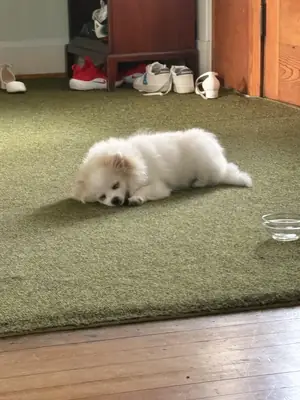
Haven't found the pet you're looking for? Let people who want to find a new home for their pet reach out to you.
Create your free pet adoption request listing now and be seen by thousands of pet owners.
Quick Information
Other listings in your area
Cute male and female pug puppy ready
Gift male and female French Bulldog puppies
Dachshund puppy available for Adoption
Yorkshire Terrier Puppies Registered
Australian Shepherd male looking for a committed home (free adoption)
We are looking for a quiet home for a Chow Chow.
Popular Searches
Free Pomeranian adoption Bristol
Free Pomeranian adoption in Bristol should not be judged by the fluffy coat alone. This is a small dog breed with a bold personality, strong attachment to people and care needs that can be missed when the advert only shows cute photos.
A strong listing should explain the dog’s age, microchip status, vaccination record, neutering, dental history, leg or kneecap issues, coat condition, barking level, toilet routine and reason for rehoming. Free adoption is only useful when the details are honest.
Pomeranian dogs for adoption Bristol
Pomeranian dogs for adoption in Bristol attract people who want a small companion that can fit city life, flats and busy households. The size is convenient, but the breed is often alert, vocal and confident beyond its body weight.
Ask whether the Pomeranian barks at doorbells, traffic, visitors, other dogs or being left alone. A tiny dog with constant noise or anxiety can become harder to live with than a larger, calmer breed.
Pomeranian rescue Bristol
Pomeranian rescue in Bristol often involves dogs rehomed because of owner illness, moving home, barking, grooming costs, separation anxiety, children, other pets or hidden vet bills. The reason matters more than the dog’s cuteness.
A useful rescue-style listing should describe the dog’s normal day: how it walks, eats, sleeps, toilets, barks, reacts to handling and copes alone. A Pomeranian rescue advert with only “lovely little dog” is too thin.
Pomeranian rehoming Bristol
Pomeranian rehoming in Bristol needs direct questions because small dogs are often passed on with vague explanations. A dog rehomed for owner circumstances is different from one rehomed for barking, biting, toilet accidents or vet costs.
Ask why the Pomeranian is being rehomed, how long the owner has had it, whether it has lived with children or pets, whether it guards food or laps and whether it has any medical or behaviour history.
Pomeranian adoption Bristol area
Pomeranian adoption searches around Bristol often include Clifton, Redland, Bedminster, Fishponds, Bishopston, Kingswood, Filton, Keynsham, Portishead and Bath. Local distance helps because viewing, document checks and careful handover are easier.
Use that local access properly. Check the microchip, vet records, vaccination card, coat condition, walking behaviour and how the dog reacts to normal Bristol noise, traffic, flats, visitors and other dogs.
Pom adoption Bristol
Pom adoption in Bristol is a common shorthand search for Pomeranian adoption. Shorter search terms often bring mixed results, so the listing needs to make the breed, age and background clear.
Ask whether the dog is a Pomeranian, Pomeranian cross or small Spitz-type dog. The label matters less than the real evidence: health, temperament, coat care, barking, microchip and the home the dog needs next.
Pomeranian puppy adoption Bristol
Pomeranian puppy adoption in Bristol needs strict checking because puppy photos make people careless. A puppy should come with clear age, microchip proof or plan, vaccination details, worming, flea treatment, diet, toilet routine and a safe handover process.
If the advert pushes urgent collection, delivery-only handover, tiny-size claims or no real background, slow down. A Pom puppy is fragile, expensive to raise properly and should not be treated like a quick bargain.
Adult Pomeranian adoption Bristol
Adult Pomeranian adoption in Bristol can be smarter than chasing puppies because the dog’s barking, toilet habits, grooming tolerance, confidence and attachment style are already visible.
Ask whether the dog sleeps through the night, walks calmly, barks indoors, tolerates brushing, has dental problems, climbs stairs safely and copes when left. Adult adoption works when the normal day is described honestly.
Senior Pomeranian adoption Bristol
Senior Pomeranian adoption in Bristol can be a lovely match for a calm home, but the adopter must be realistic about teeth, eyes, joints, weight, coat care and regular vet checks.
Ask about missing teeth, coughing, limping, stairs, medication, appetite, toilet habits, sleep routine and how far the dog can walk. A senior Pom can be wonderful, but only when the care budget is honest.
Private Pomeranian rehoming Bristol
Private Pomeranian rehoming in Bristol can be genuine, but it needs proof. A private owner should be able to explain the dog’s history, vet care, behaviour and why the dog needs a new home.
Ask for microchip transfer details, vaccination record, vet notes, grooming history, dental checks, barking level, toilet training and the exact rehoming reason. A responsible owner should care about the match, not just fast collection.
Pomeranian free to good home Bristol
Pomeranian free to good home Bristol searches should not stop at the word free. A no-fee dog can still need dental work, grooming, vaccinations, behaviour support, insurance and careful handling.
Ask why the dog is free, whether there are medical or behaviour issues, whether the dog is microchipped and whether the current keeper is choosing the right home rather than the quickest response.
Teacup Pomeranian adoption Bristol
Teacup Pomeranian adoption in Bristol should be treated with caution because “teacup” is often used as a selling phrase rather than a reliable welfare description. Very tiny dogs can be more fragile and may come with extra health risks.
Ask for the dog’s actual age, weight, vet history, dental condition, knees, breathing, appetite and whether it has ever fainted, limped or struggled with handling. Do not let tiny-size language replace health evidence.
Toy Pomeranian adoption Bristol
Toy Pomeranian adoption in Bristol usually means people are looking for a very small companion dog. The practical question is whether the home can protect the dog from rough handling, stairs, larger pets and careless children.
Ask whether the dog has been injured before, whether it jumps off furniture, whether it is confident outside and whether it has any joint or breathing concerns. Small size needs careful management, not babying without structure.
Orange Pomeranian adoption Bristol
Orange Pomeranian adoption in Bristol is colour-led because the classic fox-like orange coat is popular. Colour should come after health and temperament.
Ask about coat condition, grooming tolerance, dental health, kneecap issues, barking, toilet habits, microchip and why the dog needs a new home. A beautiful orange Pom can still need serious care planning.
White Pomeranian adoption Bristol
White Pomeranian adoption in Bristol can attract attention quickly because the coat looks rare and photogenic. That attention makes weak listings easier to trust too fast.
Ask for natural-light photos, grooming notes, tear staining, skin condition, vaccination records, microchip details and the dog’s behaviour with people. Coat colour is appearance; adoption success comes from evidence.
Black Pomeranian adoption Bristol
Black Pomeranian adoption in Bristol may be searched by people looking for a less common look. Rarity should not make you skip basic questions.
Ask about microchip, vet records, coat care, dental history, behaviour, barking, toilet training and whether the dog is comfortable being handled. A black coat does not prove a strong adoption listing.
Cream Pomeranian adoption UK
Cream Pomeranian adoption UK searches are often appearance-led, but the adopter still needs the same care facts. A cream Pom may need regular grooming, tear-area cleaning, dental checks and careful coat maintenance.
Ask whether the dog accepts brushing, whether the coat mats, whether the skin is healthy and whether the dog has any leg, eye or breathing concerns. Colour can help choose between strong matches; it should not hide weak information.
Pomeranian cross adoption Bristol
Pomeranian cross adoption in Bristol can be a realistic option because many small fluffy dogs are Pom mixes rather than pure Pomeranians. That is fine when the listing is honest.
Ask what the dog is crossed with if known, adult size, coat type, temperament, barking level and health history. A Pom cross may still have toy-breed dental, knee, grooming and separation needs.
Pomeranian barking problem adoption
Pomeranian barking problem adoption should be taken seriously because this breed can be alert and vocal. Barking may happen at doorbells, windows, other dogs, people passing, separation or excitement.
Ask when the dog barks, how long it takes to settle, whether neighbours complained and whether the dog can be redirected. In a Bristol flat or terrace, barking is not a cute detail; it is a daily living issue.
Pomeranian separation anxiety adoption
Pomeranian separation anxiety can be a major rehoming reason because many Poms bond closely and dislike being left for long periods. Some bark, cry, scratch doors, toilet indoors or pace when alone.
Ask how long the dog can be left, what happens when the keeper leaves, whether crate training was tried and whether another dog helps or makes it worse. Do not adopt a clingy Pom if nobody is home most of the day.
Pomeranian toilet training adoption
Pomeranian toilet training should be clarified before adoption because small dogs can be rehomed with indoor accidents, marking, pad habits or stress-related toileting. Moving home can also cause regression.
Ask whether the dog toilets outside, uses pads, marks indoors, has accidents overnight or refuses bad weather. A Bristol adopter needs a realistic routine, not a vague claim that the dog is “mostly trained”.
Pomeranian grooming adoption Bristol
Pomeranian grooming adoption in Bristol matters because the double coat needs regular brushing and careful maintenance. Neglected coat can mat, hide skin problems and become uncomfortable.
Ask whether the dog accepts brushing, how often it is groomed, whether it has ever needed shaving, whether the coat mats behind the ears or legs and whether the skin is healthy. A fluffy coat is work, not decoration.
Pomeranian dental care adoption
Pomeranian dental care should be asked about before adoption because small dogs can develop tartar, gum disease, bad breath, retained teeth or painful mouths. Dental work can become one of the first real costs after adoption.
Ask when the dog last had a dental check, whether teeth have been removed, whether it eats comfortably and whether brushing is tolerated. A cute face can hide a painful mouth.
Pomeranian luxating patella adoption
Pomeranian luxating patella adoption searches are about slipping kneecaps, a common small-dog concern. A dog may skip, hop, hold up a back leg or show stiffness after exercise.
Ask whether a vet has diagnosed patella luxation, whether the dog limps, whether surgery was discussed, whether stairs are difficult and whether weight control is needed. Tiny legs need proper health detail.
Pomeranian tracheal collapse adoption
Pomeranian tracheal collapse adoption should be handled carefully because coughing, honking sounds or breathing difficulty are not normal cute noises. Neck pressure can make small-dog airway problems worse.
Ask whether the dog coughs when excited, pulls on a collar, struggles in heat, uses a harness or has vet notes about the airway. A Pom with breathing concerns needs calm handling and sensible equipment.
Pomeranian eye problems adoption
Pomeranian eye problems should be checked before adoption because small dogs can have tear staining, irritation, injury risk or inherited eye concerns. A photo does not tell the full story.
Ask whether the dog has discharge, squinting, cloudiness, reduced vision, eye drops or vet notes. Bright eyes are not enough; comfort and function matter.
Pomeranian alopecia adoption
Pomeranian alopecia adoption searches often relate to coat loss or thinning, sometimes seen in the breed. Hair loss does not automatically make a dog unadoptable, but it should be disclosed honestly.
Ask when coat loss started, whether the skin is itchy, whether a vet checked thyroid or hormonal causes, whether the dog was shaved and whether the coat has regrown. A fluffy breed with missing coat needs real explanation.
Pomeranian with children Bristol
A Pomeranian with children can work when the dog is confident and children are gentle. This is a small dog that can be injured by rough handling, jumping from arms or being treated like a toy.
Ask whether the dog has lived with children, what ages, whether it guards food or laps, whether it snaps when picked up and where it goes when it wants space. A good family match protects the dog as much as the child.
Pomeranian with cats Bristol
A Pomeranian with cats may work if the dog is calm and the cat has escape routes. Some Poms are curious and noisy around cats, while others settle well with slow introductions.
Ask whether the dog has lived with cats, whether it chases, barks, guards food or becomes jealous. A tiny dog can still stress a cat if the introduction is rushed.
Pomeranian with other dogs Bristol
A Pomeranian with other dogs needs careful size and temperament matching. A Pom may be brave, vocal or bossy, but it is still physically small and can be hurt by rough play.
Ask whether the dog has lived with dogs, whether it guards attention, barks on lead, snaps when crowded or prefers calm companions. A meet should be slow, neutral and controlled.
Pomeranian for flat living Bristol
A Pomeranian can live in a Bristol flat if barking, toileting, stairs, separation time and enrichment are managed properly. The problem is not size; it is noise and routine.
Ask whether the dog barks at hallway sounds, copes with lifts or stairs, toilets outside reliably and settles when left. A flat can suit the right Pom, but it is a bad match for constant barking and anxiety.
Microchipped Pomeranian adoption
A microchipped Pomeranian adoption listing should explain keeper transfer clearly. The chip should match the dog, and the new keeper details should be updated after adoption.
Ask for the chip process, current keeper details and whether vet records match the dog. A desirable small dog with unclear identity needs extra caution.
Vaccinated Pomeranian rehoming
Vaccinated Pomeranian rehoming should state what has been given, what is due next and whether a vet record is available. “Healthy” is not the same as documented care.
Ask about boosters, flea and worm treatment, kennel cough where relevant, dental checks, previous illness, weight and current medication. Small dogs can hide problems behind energy and cuteness.
Neutered Pomeranian adoption Bristol
Neutered Pomeranian adoption in Bristol can make home life easier, especially for flats, multi-pet homes and adopters who want to avoid accidental breeding or marking issues.
Ask whether the dog is neutered, when it was done, whether recovery was normal and whether any weight, coat or behaviour changes followed. If not neutered, ask whether a vet has advised timing.
Pomeranian adoption scam UK
Pomeranian adoption scams in the UK can use copied puppy photos, fake emergency rehoming stories, tiny-size claims, delivery-only offers, urgent deposits and missing microchip details.
Ask for current videos, proof the dog is in or near Bristol, microchip information, vet records, safe viewing or collection and a clear reason for rehoming. If proof disappears but payment pressure appears, walk away.
Frequently Asked Questions
Can I adopt a Pomeranian for free in Bristol?
Yes, Pomeranians may be offered for free adoption in Bristol, but every listing should be checked carefully before contact or collection.
Ask about microchip details, vaccination record, neutering status, age, health history, dental care, legs, coat condition, barking, toilet habits and the reason for rehoming.
Is a Pomeranian a dog?
Yes, a Pomeranian is a small toy dog breed. It is known for its fluffy double coat, fox-like face, lively personality and strong attachment to people.
Although small, a Pomeranian is not a silent ornament. Many Poms are alert, confident, vocal and keen to be involved in daily life.
Are Pomeranians good adoption dogs?
Pomeranians can be excellent adoption dogs for people who want a small, lively companion and can manage grooming, barking, dental care and regular vet checks.
They are not ideal for every home. A Pomeranian may struggle with rough handling, long hours alone, poor toilet routine or lack of boundaries.
What should I check before adopting a Pomeranian?
Check microchip details, vaccination history, neutering status, vet notes, dental health, knees, eyes, breathing, coat condition, diet, grooming tolerance, toilet training, barking and separation anxiety.
Also ask why the dog is being rehomed and whether any biting, guarding, limping, coughing or indoor accident history exists.
Should a Pomeranian be microchipped before adoption?
Yes, microchip details should be clear before adoption, and keeper information should be updated correctly after the dog changes home.
Ask for the chip process, current keeper details and whether vet records match the Pomeranian in the listing.
Should a Pomeranian be vaccinated and neutered?
Vaccination and neutering status should be clear before adoption. Ask what vaccinations have been given, what is due next and whether the Pomeranian is neutered.
If the dog is not neutered, ask why and whether a vet has advised timing.
Do Pomeranians bark a lot?
Many Pomeranians are alert and vocal, so barking can be an issue in flats, terraces or homes with close neighbours.
Ask when the dog barks, whether it reacts to doorbells, visitors, other dogs or being left alone, and how quickly it settles.
Can a Pomeranian live in a flat in Bristol?
A Pomeranian can live in a flat if barking, toileting, stairs, separation time and exercise are managed properly.
Ask whether the dog barks at hallway noise, copes with lifts or stairs, toilets outside reliably and settles when left alone.
Are Pomeranians good with children?
Some Pomeranians are good with children, but they need gentle handling because they are small and can be injured by rough play.
Ask whether the dog has lived with children, what ages, whether it snaps when picked up, guards food or becomes nervous around noise.
Can Pomeranians live with cats or other dogs?
Pomeranians can live with cats or other dogs in the right home, but introductions should be slow and supervised.
Ask whether the dog has lived with pets before, whether it barks, chases, guards food, becomes jealous or is nervous around larger dogs.
Do Pomeranians need much grooming?
Yes, Pomeranians have a double coat that needs regular brushing and careful maintenance.
Ask whether the dog accepts brushing, whether the coat mats, whether it has skin problems and whether it has ever needed shaving because of neglect.
What health issues should I ask about in a Pomeranian?
Ask about luxating patella, eye problems, dental disease, coughing or trachea concerns, skin or coat loss, weight, appetite, limping, medication and previous vet checks.
A Pomeranian does not need perfect records to be adoptable, but the health history should be honest and clear.
Are teacup Pomeranians safe to adopt?
Be careful with teacup Pomeranian wording because it is often used as an advertising phrase and may point to very fragile dogs.
Ask for the dog’s real weight, age, vet history, dental condition, leg health, breathing notes and whether it has ever fainted, limped or struggled with normal handling.
Why do Pomeranians get rehomed?
Pomeranians may be rehomed because of owner illness, moving home, allergies, barking, separation anxiety, grooming costs, dental bills, toilet problems or conflict with children or pets.
The reason for rehoming should be explained clearly because it affects whether the dog will suit your home.
How can I avoid Pomeranian adoption scams?
Be cautious with copied puppy photos, urgent deposits, delivery-only offers, vague Bristol locations, tiny-size claims, missing microchip details and no vet records.
Ask for current videos, proof the dog is local, safe viewing or collection, microchip details, vet history and a clear reason for rehoming before trusting any advert.