Cambridge Cat Adoption
There are 15 Cat listings live right now, last updated 4 days ago. Find cat adoption listings in Cam... There are 15 Cat listings live right now, last updated 4 days ago. Find cat adoption listings in Cambridge and explore kittens, adult cats, senior cats, indoor cats and rescue cats looking for respons... There are 15 Cat listings live right now, last updated 4 days ago. Find cat adoption listings in Cambridge and explore kittens, adult cats, senior cats, indoor cats and rescue cats looking for responsible homes, with clear details about age, temperament, microchip status, neutering, vaccinations, health, litter training, indoor or outdoor suitability, child or pet compatibility and adoption conditions before you contact the owner.
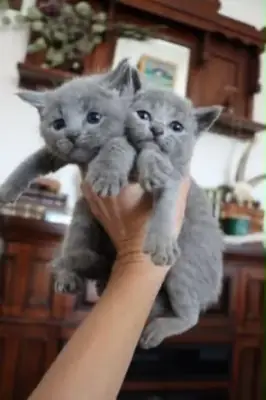
Sweet & Charming British Shorthair Kittens

Amazing Ragdoll Cat
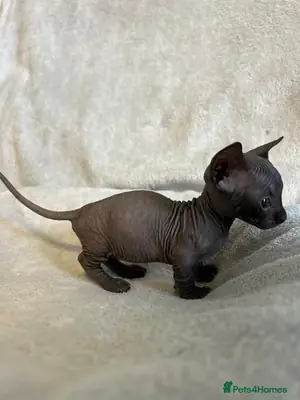
Short Leg Munckin Sphinx Kittens

charming Munchkin boy
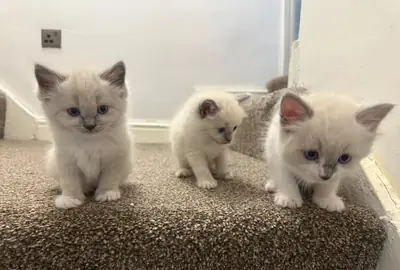
RAGDOLL KITTENS
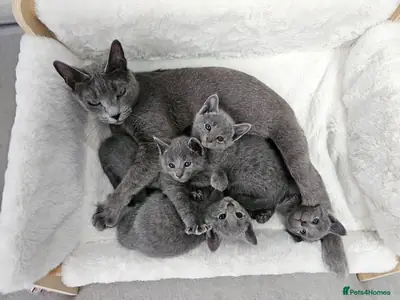
Pure Russian Blue kittens

Abyssinian kittens
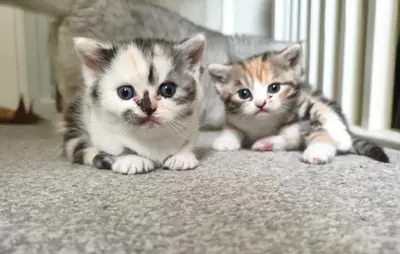
Munchkin kittens for a new home

Russian blue kitten for adoption

Abyssinian Kittens Ready now
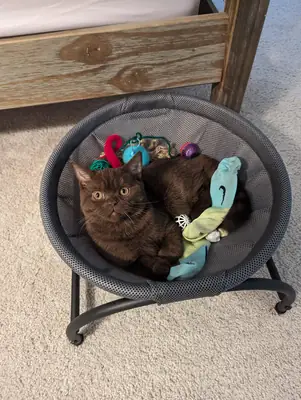
Gentle British Shorthair looking for a quiet forever home
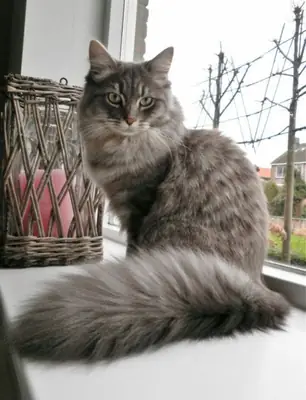
Siberian Cat Adoption | Gentle & Loyal
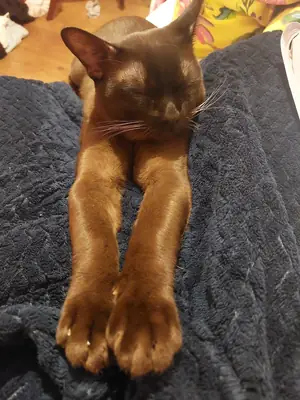
social cat, currently under-stimulated
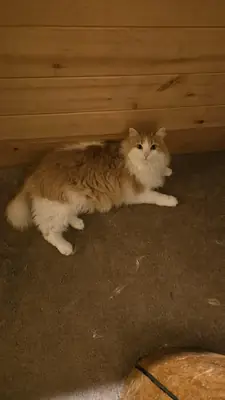
better suited to a quieter household

Amazing cat dog
Haven't found the pet you're looking for? Let people who want to find a new home for their pet reach out to you.
Create your free pet adoption request listing now and be seen by thousands of pet owners.
Other listings in your area
RAGDOLL KITTENS
Gentle British Shorthair looking for a quiet forever home
Abyssinian Kittens Ready now
Amazing cat dog
Pure Russian Blue kittens
social cat, currently under-stimulated
Popular Searches
Cat adoption listings in Cambridge
Cat adoption listings in Cambridge should help people understand whether a cat genuinely fits their home, not just whether the cat looks sweet in a photo. A strong listing should show the cat’s age, temperament, health, microchip status, neutering, vaccination history, litter training, indoor or outdoor needs and whether the cat can live with children, dogs or other cats.
On Petopic, Cambridge cat adoption listings can help users compare kittens, adult cats, senior cats, bonded pairs, indoor cats and rescue cats with practical details before contact. The right match is not the cat that receives the fastest message; it is the cat whose needs match the adopter’s home, routine, budget and experience.
Adopt a cat in Cambridge
People searching to adopt a cat in Cambridge often want a local cat they can meet, but location is only the first filter. Cambridge has flats, shared houses, student areas, family homes, quieter villages nearby and busy roads; a cat that suits one setting may struggle in another.
Before enquiring, check whether the cat is indoor-only, outdoor-experienced, nervous, confident, used to children, used to dogs, happy with other cats or better as the only pet. A good adoption listing should make daily life with the cat visible, not hide behind vague phrases like “lovely cat needs home”.
Rescue cats Cambridge
Rescue cats in Cambridge may come from abandonment, owner surrender, bereavement, housing changes, stray backgrounds or homes where the cat’s needs were not being met. That history can affect confidence, handling, hiding, appetite, litter habits and trust with people.
A useful rescue cat listing should explain what is known and what is still uncertain. It should mention handling tolerance, stress triggers, indoor confidence, outdoor history, medical background, neutering, microchip status and whether the cat needs a calm home, experienced adopter or gradual introductions.
Kittens for adoption Cambridge
Kittens for adoption in Cambridge attract fast interest, but kittens are not the easy option. They need safe rooms, litter training, socialisation, play, scratching outlets, vaccination planning, microchipping, neutering at the right time and protection from windows, balconies, wires and open doors.
A good kitten listing should state age, sex if known, health checks, eating habits, litter use, socialisation, whether siblings are available and whether the kitten is ready to leave. If a kitten is too young, poorly described or being rushed out quickly, that is a bad sign.
Adult cat adoption Cambridge
Adult cat adoption in Cambridge can be the smarter choice for many homes. Adult cats often have clearer personalities: lap cat, independent, playful, shy, talkative, outdoor-loving, indoor-only or happiest as the only pet. That makes matching easier than guessing how a kitten will grow up.
A strong adult cat listing should describe routine, feeding, litter habits, handling, medical history, microchip, neutering, outdoor access and how the cat reacts to visitors or noise. Skipping adult cats just because kittens look cuter is a weak filter.
Indoor cat adoption Cambridge
Indoor cat adoption in Cambridge is often searched by people living in flats, near busy roads or in rented homes where outdoor access is limited. Indoor life can work well, but only if the cat has enough space, climbing areas, scratching posts, play, hiding places, window views and daily interaction.
An indoor cat listing should say whether the cat has always lived indoors, whether it tries to door-dash, how active it is, whether it tolerates being alone and what enrichment it needs. Keeping an outdoor-loving cat indoors without preparation is not adoption; it is frustration waiting to happen.
Cat rehoming Cambridge
Cat rehoming in Cambridge should be honest, not rushed. People rehome cats for many reasons: moving, allergies, landlord issues, conflict with other pets, a new baby, illness, bereavement or behavioural stress. The reason matters because it helps the next home avoid repeating the same problem.
A rehoming listing should explain the cat’s real needs: whether it needs quiet, whether it dislikes dogs, whether it has litter issues, whether it scratches furniture, whether it hides from visitors or whether it needs outdoor access. Hiding difficult details gets more messages but worse matches.
Senior cat adoption Cambridge
Senior cat adoption in Cambridge can be a brilliant match for people who want a calmer companion. Older cats may already know home routines, litter habits and how much attention they want. But senior adoption still needs planning for vet checks, dental care, arthritis, diet changes and medication if needed.
A senior cat listing should mention age, mobility, appetite, litter use, medication, vet history, grooming needs and whether the cat prefers quiet. Do not adopt a senior cat because it seems low-effort; adopt because you can support its comfort properly.
Cat adoption for flats in Cambridge
Cat adoption for flats in Cambridge depends on the cat’s behaviour, not just the size of the home. A calm indoor cat may do well in a flat, while a cat used to roaming outside may become restless, vocal or stressed without outdoor access.
Flat-friendly listings should mention activity level, door-dashing, balcony safety, window safety, litter habits, noise tolerance, alone time and enrichment needs. If these details are missing, the adopter is guessing, and guessing with a cat’s life is lazy.
Cat adoption with dogs Cambridge
Adopting a cat when you already have a dog in Cambridge requires real evidence, not wishful thinking. The listing should say whether the cat has lived with dogs, whether it hides, swats, panics, ignores them or needs a dog-free home.
Safe introductions need separation, scent swapping, escape routes, vertical space and supervision. “Might be fine with dogs” is not a fact. Treat it as untested until the cat’s history is clear.
Microchipped cat adoption Cambridge
Microchipped cat adoption in Cambridge matters because pet cats in England must be microchipped by 20 weeks of age, and the keeper’s contact details need to be kept up to date. When a cat is adopted, the microchip transfer or update process should be clear before the handover.
A listing should mention whether the cat is microchipped, but it does not need to publish the full chip number publicly. The important part is traceability and making sure the new keeper’s details are correctly recorded after adoption.
Post a cat adoption listing in Cambridge
When posting a cat adoption listing in Cambridge, write for the cat’s future, not for maximum enquiries. Include age, sex, colour, temperament, microchip status, neutering, vaccinations, health, litter training, indoor or outdoor needs, compatibility with children and pets, location and the real reason for rehoming.
Do not hide problems such as hiding, biting, litter accidents, medical needs, anxiety, door-dashing, dislike of other cats or dog fear. A precise listing gets fewer random messages and better homes. That is the point.
Frequently Asked Questions
Where can I find cat adoption listings in Cambridge?
You can find cat adoption listings in Cambridge by browsing posts that clearly describe the cat’s age, temperament, health, microchip status, neutering, litter training, indoor or outdoor needs and compatibility with children or other pets.
Do not choose by photo alone. A good listing helps you understand daily life with that cat before you contact the owner or rescue.
What should I check before adopting a cat in Cambridge?
Check the cat’s age, sex, health, microchip status, neutering, vaccinations, litter habits, temperament, indoor or outdoor history, feeding routine and whether the cat can live with children, dogs or other cats.
You should also check whether your home suits the cat. A flat, rented room, shared house, garden home or busy-road location can all change which cat is the right match.
Do cats in England need to be microchipped before adoption?
Pet cats in England must be microchipped before they reach 20 weeks of age, and the keeper’s contact details should be stored and kept up to date on a suitable database.
Before adopting, ask whether the cat is microchipped and how the keeper details will be updated. If the cat’s identity or transfer process is unclear, treat that as a warning sign.
Is a kitten or adult cat better for adoption?
A kitten is not automatically better. Kittens need more supervision, socialisation, play, litter training, safety planning, vaccinations, microchipping and future neutering. Adult cats often have clearer personalities and more predictable routines.
The better choice depends on your lifestyle. If you work long hours or want a calmer companion, an adult or senior cat may be a stronger match than a kitten.
Can I adopt a cat if I live in a flat in Cambridge?
Yes, but the cat must suit flat life. Indoor cats, older cats or cats that do not need outdoor access may adapt well if the home has enrichment, climbing space, scratching posts, safe windows and enough calm areas.
A cat used to roaming outside may struggle in a flat. Ask about indoor history, door-dashing, activity level, litter habits and how the cat copes with being alone.
Can I adopt a cat if I already have another cat?
Yes, but only if the cats are compatible and introductions are slow. Ask whether the adoptable cat has lived with other cats, whether it is territorial, playful, fearful, dominant or better as the only cat.
Introductions should involve separate rooms, scent swapping, short controlled meetings and patience. Putting two cats together immediately can create long-term conflict.
Can I adopt a cat if I have children?
You can adopt a cat with children if the cat is suitable for that environment and the children can respect boundaries. The listing should say whether the cat has lived with children and what age range it knows.
A cat being friendly does not mean it tolerates noise, grabbing, chasing or being picked up. The cat needs safe hiding places and adults must supervise early interactions.
How long does an adopted cat take to settle?
Some cats settle in a few days, while others need weeks or months. The first stage should be quiet and predictable, with one safe room, litter tray, food, water, scratching area and hiding places.
Do not force handling or full-house access immediately. Let the cat choose contact and expand territory gradually.
What makes a cat adoption listing trustworthy?
A trustworthy listing gives specific details about the cat’s health, behaviour, microchip status, neutering, litter habits, reason for rehoming, home suitability and any known problems.
Be careful with listings that rush the handover, avoid questions, hide medical or behaviour issues, or use only vague phrases like “perfect cat”. A responsible adoption takes clarity.
How should I post a responsible cat adoption listing in Cambridge?
Include age, sex, colour, temperament, microchip status, neutering, vaccinations, health, litter training, indoor or outdoor needs, child and pet compatibility, location, reason for rehoming and the kind of home the cat needs.
Be honest about problems. Hiding, anxiety, biting, litter accidents, medical needs, dog fear or dislike of other cats should never be hidden. A clear listing protects the cat and filters out unsuitable adopters.