Free Pomeranian Adoption in Cardiff
There's 1 Pomeranian listing live right now, last updated 6 Mar 2026. Find free Pomeranian adoption ... There's 1 Pomeranian listing live right now, last updated 6 Mar 2026. Find free Pomeranian adoption in Cardiff for small, lively dogs that need honest rehoming details, microchip transfer, coat care, ... There's 1 Pomeranian listing live right now, last updated 6 Mar 2026. Find free Pomeranian adoption in Cardiff for small, lively dogs that need honest rehoming details, microchip transfer, coat care, dental checks and gentle handling. Compare Pomeranian puppies, adult dogs and rescue listings across Cardiff, South Wales and nearby areas before choosing a confident toy-breed companion with the right health history, temperament and home routine.
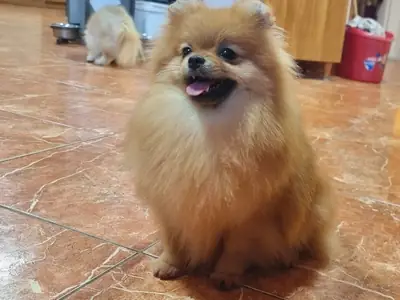
Haven't found the pet you're looking for? Let people who want to find a new home for their pet reach out to you.
Create your free pet adoption request listing now and be seen by thousands of pet owners.
Quick Information
Other listings in your area
Adorable Siberian Husky Puppies – Forever Homes Wanted
Cream Golden Retrievers
probably not the right match for us
Brown Poodle female available for responsible adoption
Gift male and female Cavalier King Charles Spaniel puppies
Gift male and female Jack Russell Terrier puppies
Popular Searches
Free Pomeranian adoption Cardiff
Free Pomeranian adoption in Cardiff should be checked with the same seriousness as any paid adoption because this is a small dog with very real care needs. A no-fee listing still needs clear age, microchip transfer, vaccination status, neutering, vet history, coat condition, dental care, temperament and the real reason the dog is being rehomed.
Pomeranians are bright, lively companion dogs, but they can be vocal, delicate and sensitive to rough handling. Ask whether the dog barks at doors, copes alone, accepts grooming, walks safely on a harness, lives with children or other pets and has any coughing, knee, dental, eye or skin concerns.
Pomeranian rescue Cardiff
Pomeranian rescue in Cardiff often attracts people wanting a small dog for companionship, flats, older owners or quieter homes. That can work well, but only when the dog’s barking, grooming, health and handling needs are understood before adoption.
A strong rescue listing should describe the dog’s daily routine, confidence, toilet habits, coat care, dental history, behaviour around visitors and whether it becomes anxious when left. A tiny dog with a vague description is not automatically an easy dog.
Pomeranian rehoming Cardiff
Pomeranian rehoming in Cardiff needs a clear reason for the move. Rehoming because of owner illness is different from rehoming because of barking complaints, separation anxiety, rough children, grooming costs, dental bills or conflict with another pet.
Ask how long the owner has had the dog, whether it has bitten or snapped, whether it guards laps or toys, whether it toilets reliably and whether the coat or teeth need urgent care. “Needs more time” can hide very different problems.
Adopt a Pomeranian Cardiff
To adopt a Pomeranian in Cardiff, look for a dog whose temperament fits your home rather than choosing only by fluffy coat and small size. A good Pomeranian should be manageable, alert, affectionate and safe to handle, not constantly frightened or overprotected.
Ask whether the dog settles indoors, barks at city noise, reacts to lifts or corridors, walks calmly around busy streets and accepts being brushed. The right adoption should still feel sensible after the cute photo stops doing the selling.
Pomeranian dogs for adoption near me
Pomeranian dogs for adoption near me searches around Cardiff often include Penarth, Barry, Newport, Caerphilly, Pontypridd, Bridgend, Cwmbran, Llantrisant, Vale of Glamorgan and wider South Wales.
Local distance helps because you can meet safely, check the dog’s movement, see coat condition and confirm documents before collection. A nearby Pomeranian with missing vet records or unclear behaviour is still a weak adoption choice.
Pomeranian adoption Wales
Pomeranian adoption in Wales gives adopters a wider search area while keeping travel realistic. This matters because genuine free Pomeranian adoption listings may not appear in Cardiff every day.
Compare each dog by microchip transfer, vaccination status, grooming history, dental care, barking, separation anxiety, weight and home fit. Do not take the first available small dog if the listing avoids the questions that matter.
Pomeranian rescue South Wales
Pomeranian rescue across South Wales should focus on matching the dog to a stable home, not rushing a handover because the dog is small and desirable. Pomeranians can be sweet, but they can also be barky, nervous, clingy or fragile.
Look for listings that explain handling, coat care, dental history, barking, anxiety, children, dogs, cats, stairs, walking routine and any known medical concerns. Small dogs deserve detailed checks, not soft assumptions.
Free Pomeranian puppies Cardiff
Free Pomeranian puppies in Cardiff should trigger caution. Genuine rehoming can happen, but very small puppy listings are also where people hide poor breeding, missing vet care, weak socialisation or emotional pressure.
Ask the puppy’s exact age, microchip status, vaccination plan, worming, flea treatment, diet, vet checks, parent size and why the puppy is being rehomed for free. A tiny puppy with no proof is not a safe adoption.
Pomeranian puppy adoption Cardiff
Pomeranian puppy adoption in Cardiff needs careful planning from the first day. These puppies can be bold, noisy, delicate and quick to learn bad habits if everyone treats them like toys instead of dogs.
Ask about toilet training, sleep routine, grooming exposure, lead introduction, food, teeth, confidence, handling and whether the puppy has met normal household noise. Small size does not remove the need for structure.
Adult Pomeranian adoption Cardiff
Adult Pomeranian adoption in Cardiff can be smarter than chasing puppies because the dog’s real temperament is already visible. You can ask whether it is calm, barky, shy, clingy, confident, fussy with food or difficult to groom.
Check dental history, coat care, knee issues, coughing, breathing sounds, toilet habits, weight, sleep routine and how the dog behaves when left. Adult Pomeranians often give clearer answers than puppies.
Senior Pomeranian adoption Cardiff
Senior Pomeranian adoption in Cardiff can suit a calmer home, but the adopter must be realistic about teeth, knees, breathing, coat care, weight and medication. Older toy dogs can carry more vet cost than their size suggests.
Ask about dental work, coughing, trachea concerns, heart checks, patella issues, mobility, appetite, drinking, grooming tolerance and recent vet notes. A senior Pomeranian deserves comfort, not pity adoption without planning.
Teacup Pomeranian adoption Cardiff
Teacup Pomeranian adoption in Cardiff needs blunt caution because “teacup” is often used to make very tiny dogs sound rare or more desirable. Extremely small dogs may be fragile and need careful feeding, handling and vet checks.
Ask the dog’s real weight, age, parent size if known, feeding routine, dental condition, knee history, blood sugar concerns and whether the label is being used as marketing. Do not let a cute word replace evidence.
Toy Pomeranian adoption Cardiff
Toy Pomeranian adoption in Cardiff usually means people want a small companion dog for home life, flats or older owners. That can work well, but only if barking, grooming, dental care and delicate handling are understood.
Ask whether the dog is comfortable being lifted, whether it walks safely on a harness, whether it becomes noisy at door sounds and whether it has any knee, eye, dental or breathing concerns.
Pomeranian for flat living Cardiff
A Pomeranian can live in a flat in Cardiff if barking, toilet routine, stairs, lifts, neighbour noise, grooming and alone time are handled properly. The problem is rarely space; it is routine and noise management.
Ask whether the dog barks at corridors, doorbells, other dogs, traffic, visitors or being left alone. A flat can be a good home for a Pomeranian, but not if the dog is anxious and constantly triggered.
Pomeranian with children Cardiff
A Pomeranian with children needs careful matching because this dog is small and can be injured by rough play. Some Pomeranians enjoy calm children; others snap, hide or panic when lifted or squeezed.
Ask what ages of children the dog has lived with, whether it dislikes being picked up, whether it guards toys or food and whether it becomes frightened by running or shouting. Family-friendly must mean proven behaviour.
Pomeranian with other dogs Cardiff
A Pomeranian with other dogs can work, but size difference matters. A confident Pomeranian may act bigger than it is, while a nervous one may be overwhelmed by large or rough dogs.
Ask whether the dog has lived with dogs, whether it barks on lead, whether it guards laps, whether it plays safely and whether it has ever been frightened or injured by bigger dogs. Introductions should be slow and controlled.
Pomeranian with cats Cardiff
A Pomeranian with cats may be a good match when the dog is calm and the cat is confident. Some Pomeranians ignore cats; others bark, chase or crowd them through excitement.
Ask whether the dog has lived with cats, whether it respects space and whether it can settle around movement. Cat-safe adoption needs slow introductions, escape routes and supervision at the start.
Pomeranian for older people Cardiff
A Pomeranian for older people in Cardiff can be a strong fit because the dog is small, companion-focused and often manageable indoors. The trap is ignoring grooming, barking, dental care and fragility.
Ask whether the dog pulls, jumps from furniture, needs lifting, barks at visitors, takes medication or needs regular grooming. A calm adult or senior Pomeranian may suit many older adopters better than a puppy.
Small dog adoption Cardiff
Small dog adoption in Cardiff often includes people comparing Pomeranians with other toy or companion breeds. The right small dog should fit the home’s noise level, handling style, work schedule and experience.
A Pomeranian is not automatically easier because it is small. Ask about barking, stairs, dental history, grooming, toilet routine, anxiety and whether the dog is safe around children or larger pets.
Pomeranian barking adoption
Pomeranian barking should be discussed before adoption because this breed can be alert, vocal and quick to react to noise. In Cardiff flats, terraced homes and busy streets, that matters.
Ask what triggers barking, whether the dog reacts to doors, neighbours, buses, dogs, visitors or being left alone. A noisy Pomeranian is not impossible to live with, but the adopter must know the real pattern first.
Pomeranian separation anxiety adoption
Pomeranian separation anxiety can become a major rehoming reason because many small companion dogs bond tightly with people. Some bark, cry, scratch doors, pace or toilet indoors when left.
Ask how long the dog can be left, what happens when the owner goes out, whether neighbours have complained and whether gradual alone-time training has been tried. Do not adopt a dog that cannot cope alone if your routine leaves it isolated for hours.
Pomeranian grooming adoption
Pomeranian grooming adoption checks are essential because the thick double coat can mat, trap dirt and become uncomfortable if neglected. A fluffy coat is not decoration; it is ongoing care.
Ask how often the dog is brushed, whether it accepts grooming around the chest, trousers, tail and ears, whether it has needed shaving and whether the coat is currently matted. Grooming cost and time should be accepted before adoption.
Pomeranian dental care adoption
Pomeranian dental care should be asked about directly because small dogs can develop tartar, bad breath, gum pain and tooth loss. Dental work can become one of the first real costs after adoption.
Ask when the dog last had a dental check, whether teeth have been removed, whether it eats comfortably and whether tooth brushing or dental chews are tolerated. A tiny mouth can hide expensive pain.
Pomeranian trachea adoption
Pomeranian trachea adoption searches often come from people worried about coughing, gagging or breathing noises. Toy breeds can be sensitive around the neck, so collar pulling and respiratory signs should not be ignored.
Ask whether the dog coughs, honks, gags, struggles after excitement, wears a harness, has seen a vet for breathing or takes medication. A small dog with breathing signs needs careful handling, not dismissive reassurance.
Pomeranian luxating patella adoption
Pomeranian luxating patella adoption matters because knee problems can affect jumping, walking, stairs and long-term comfort. Skipping, hopping, lifting a back leg or avoiding movement should be discussed.
Ask whether a vet has checked the knees, whether the dog limps, whether pain relief or surgery has been mentioned and whether stairs or sofa jumping cause problems. Small legs still need serious health checks.
Pomeranian eye problems adoption
Pomeranian eye problems should be asked about before adoption because eye pain or poor vision can change a small dog’s behaviour. Cloudiness, redness, squinting or bumping into objects should not be brushed off.
Ask whether the dog has had eye checks, cataracts, PRA concerns, medication, surgery or reduced vision. A nervous or defensive Pomeranian may be reacting to discomfort, not just personality.
Microchipped Pomeranian adoption Cardiff
A microchipped Pomeranian adoption listing in Cardiff should explain how keeper details will be transferred. The chip should match the dog, and current information should be accurate before the handover.
This matters even for tiny dogs. A newly adopted Pomeranian can slip through a door, panic on a walk or be hard to catch in a busy area, so identity details should be correct from day one.
Vaccinated Pomeranian rehoming Cardiff
Vaccinated Pomeranian rehoming in Cardiff should include what has been given, what is due next and whether a vet record is available. “Healthy” is too vague for a dog changing homes.
Ask about boosters, worming, flea treatment, dental checks, coughing, skin issues, weight, knees, medication and any recent illness. A proper health picture protects both the dog and adopter.
Neutered Pomeranian adoption Cardiff
Neutered Pomeranian adoption in Cardiff can make management clearer, especially with adult dogs. Neutering does not automatically solve barking, anxiety, guarding, toilet accidents or weight gain.
Ask whether the dog is neutered, when it was done, whether recovery was normal and whether behaviour or weight changed afterwards. If not neutered, ask what a vet has advised.
Pomeranian adoption fee Cardiff
Pomeranian adoption fee Cardiff searches usually come from people comparing free rehoming, private adoption and rescue-style processes. Free does not automatically mean cheaper.
A no-fee Pomeranian with missing vet records, no microchip transfer, poor dental care, matted coat and unresolved barking can cost more than expected. Judge the adoption by evidence, not by the absence of a fee.
Pomeranian adoption scam Cardiff
Pomeranian adoption scams in Cardiff can use stolen puppy photos, fake rescue stories, delivery-only offers, urgent deposits, missing microchip details and vague health claims. Tiny, fluffy dogs attract fast emotion, and dishonest listings exploit that.
Ask for current videos, proof of ownership, microchip details, vet records, a clear reason for rehoming and a safe viewing or collection plan. If the person avoids proof but pushes speed, walk away.
Frequently Asked Questions
What should I check before adopting a free Pomeranian in Cardiff?
Check the dog’s age, microchip, vaccination status, neutering, vet records, coat condition, dental history, weight, behaviour, barking, toilet habits and reason for rehoming.
For a Pomeranian, also ask about trachea concerns, knee problems, eye health, grooming tolerance, separation anxiety and whether the dog has lived with children, dogs or cats.
Is a Pomeranian a good adoption dog?
A Pomeranian can be a lovely adoption dog for a home that wants a small, lively companion and can manage grooming, barking and careful handling.
It is not the right match for people who want a silent, rough-and-tumble or completely low-maintenance dog.
Can a Pomeranian live in a flat in Cardiff?
Yes, a Pomeranian can live in a flat if barking, toileting, exercise, grooming and alone time are managed properly.
Ask whether the dog reacts to corridor noise, neighbours, lifts, doors, traffic or being left alone before adoption.
Are Pomeranians good with children?
Some Pomeranians are good with calm children, but they are small dogs and can be injured by rough handling.
Ask whether the dog has lived with children, whether it dislikes being picked up and whether it guards food, toys or laps.
Can a Pomeranian live with other dogs?
A Pomeranian can live with other dogs if the match is calm and safe, especially when size difference is considered.
Ask whether the dog has lived with dogs, whether it barks on lead, guards attention or becomes frightened around larger dogs.
Can a Pomeranian live with cats?
Some Pomeranians can live with cats, especially if introductions are slow and both animals have safe spaces.
Ask whether the dog chases, barks at cats or can settle calmly around them.
Do Pomeranians bark a lot?
Some Pomeranians are very vocal and alert, especially around doorbells, strangers, other dogs and outside noise.
Before adoption, ask what triggers barking, how long it lasts and whether the dog can settle after being redirected.
Are Pomeranians prone to separation anxiety?
Some Pomeranians struggle when left alone because they are companion-focused dogs.
Ask how long the dog can be left, whether it barks, cries, scratches doors, toilets indoors or becomes distressed when the owner leaves.
Do Pomeranians need a lot of grooming?
Yes, Pomeranians have a thick double coat that needs regular brushing to prevent tangles, mats and skin discomfort.
Ask whether the dog accepts brushing around the chest, tail, trousers, ears and belly before adoption.
What health problems should I ask about in a Pomeranian?
Ask about dental disease, trachea problems, coughing, knee issues, eye problems, skin problems, coat loss, weight, heart checks and medication.
A Pomeranian does not need a perfect health history to be adoptable, but the history must be honest enough for proper care planning.
What is tracheal collapse in Pomeranians?
Tracheal collapse is a breathing-related condition that can cause coughing, gagging or honking sounds in small dogs.
Ask whether the Pomeranian coughs, struggles after excitement, wears a harness, takes medication or has seen a vet for breathing signs.
What is luxating patella in Pomeranians?
Luxating patella means the kneecap can move out of normal position, which may cause skipping, limping or holding up a back leg.
Ask whether a vet has checked the knees, whether the dog avoids stairs or jumping and whether surgery or pain relief has ever been discussed.
What eye problems should I ask about in a Pomeranian?
Ask about PRA, cataracts, cloudy eyes, redness, squinting, eye drops, surgery or reduced vision.
Eye discomfort can make a small dog more defensive, so behaviour and health should be judged together.
Should a Pomeranian be microchipped before adoption?
Yes, the dog should be microchipped, and keeper details should be transferred correctly after adoption.
Ask for the microchip number, database process and proof that the dog matches the listing.
Should a Pomeranian be vaccinated before rehoming?
Vaccination status should be clear before rehoming. Ask what has been given, what is due next and whether a vet record is available.
Also ask about flea treatment, worming, dental checks, coughing, skin issues, weight and any current medication.
Is a teacup Pomeranian safe to adopt?
Be cautious with the term teacup because it is often used in adverts to make very small dogs sound rare or more desirable.
Ask about real weight, age, feeding routine, dental health, knee history, vet checks and whether the dog is strong enough for normal daily life.
Is an adult Pomeranian better than a puppy?
An adult Pomeranian can be easier to assess because barking, grooming tolerance, toilet habits, confidence and health needs are already visible.
A puppy gives more time to shape behaviour, but it also needs careful socialisation, toilet training, grooming practice and gentle handling.
How do I avoid Pomeranian adoption scams in Cardiff?
Watch for stolen photos, delivery-only offers, urgent deposits, missing microchip details, no vet records and vague rehoming stories.
Ask for current videos, proof of ownership, microchip details, vet history, safe viewing or collection and a clear reason for rehoming.
What should I prepare before bringing a Pomeranian home?
Prepare a small dog harness, soft bed, familiar food, bowls, grooming brush, comb, dental supplies, safe stairs or ramps, toys, toilet routine and vet registration.
Keep the first week calm and avoid overwhelming the dog with visitors, rough handling or long walks before it feels secure.