Carlisle Ankara Cat Lost
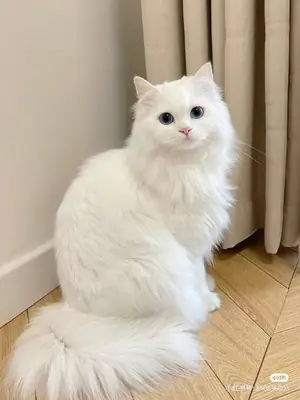
There's 1 Turkish Angora listing live right now, last updated 26 Dec 2025. Search lost Ankara Cat li... There's 1 Turkish Angora listing live right now, last updated 26 Dec 2025. Search lost Ankara Cat listings in Carlisle and check recent missing or found cat notices for this elegant long-haired cat, a... There's 1 Turkish Angora listing live right now, last updated 26 Dec 2025. Search lost Ankara Cat listings in Carlisle and check recent missing or found cat notices for this elegant long-haired cat, also widely known as the Turkish Angora. Ankara Cats can be white, coloured, odd-eyed or blue-eyed, with a silky coat, slim build, plumed tail and alert personality, so a strong lost listing should describe more than “white cat missing”; it should include the last seen street, date and time, microchip status, collar details, eye colour, coat markings, hearing concerns, temperament, whether the cat is indoor-only, likely hiding spots and safe contact instructions. On Petopic, you can review Ankara Cat lost listings across Carlisle, Stanwix, Denton Holme, Botcherby, Harraby, Currock, Upperby, Belle Vue, Kingstown, Morton, Brampton and nearby Cumbria areas to help reunite missing cats with their owners faster and avoid confusion with other white or long-haired cats.
Popular Searches
Lost Ankara Cat in Carlisle
A lost Ankara Cat in Carlisle needs a clear, urgent and detailed listing because this cat can easily be mistaken for another white, cream or long-haired cat. The listing should say that the cat is an Ankara Cat, also known by many people as a Turkish Angora, and then describe the individual cat in a way neighbours can actually recognise.
Useful details include the last seen road, date, time, coat colour, eye colour, tail shape, collar, microchip status, whether the cat is shy or confident, whether it answers to its name and whether it may hide in sheds, gardens, garages or under parked cars. A vague “lost white cat” notice is too weak for a real search.
Missing Ankara Cat Carlisle
Missing Ankara Cat searches in Carlisle usually come from owners who need fast local visibility. The first hours matter, especially if the cat is indoor-only, nervous, elderly, deaf, newly moved or unfamiliar with the area.
A strong missing cat listing should tell people exactly what to do if they see the cat: do not chase, do not grab if scared, take a photo if possible, note the location, check sheds gently and contact the owner through the listing. Clear instructions get better results than emotional wording alone.
Lost Turkish Angora Cat Carlisle
Many people in the UK are more likely to search “lost Turkish Angora cat” than “lost Ankara Cat”, so a good Carlisle listing should naturally include both names. This helps people connect the breed name with the cat they may have seen locally.
The Turkish Angora look can include a silky semi-long coat, elegant body, large ears, plumed tail and striking eyes. If the cat is white, odd-eyed or blue-eyed, the listing should mention it clearly because those details can separate it from other long-haired cats in the same neighbourhood.
White long-haired cat lost in Carlisle
White long-haired cat lost in Carlisle is one of the most important search phrases for this page because not everyone who sees the cat will know the breed name. They may simply search by colour, coat length and city.
The listing should describe whether the coat is pure white, cream, silver, tabby-marked or mixed, and whether the cat has a plumed tail, coloured patches, distinctive eyes or a slim build. If the cat is white and may have hearing difficulty, that should be included so people avoid frightening or chasing it.
Found Ankara Cat in Carlisle
Found Ankara Cat listings in Carlisle should be written carefully so the real owner can identify the cat without exposing every detail publicly. The notice can mention area, general coat type, approximate age and whether the cat is safe, but some identifying details should be held back for owner verification.
If someone finds a possible Ankara Cat, they should check for a collar, arrange a microchip scan through a vet or authorised scanner and avoid handing the cat to the first person who claims ownership. A real owner should be able to describe markings, eye colour, behaviour, photos and missing location.
Lost microchipped cat Carlisle
A lost microchipped cat in Carlisle has a better chance of being reunited if the chip details are current. The listing should say whether the Ankara Cat is microchipped, whether the registered phone number is up to date and whether the microchip database has been marked as missing.
The chip number should not be posted publicly in the listing. Instead, the owner should contact the database, local vets and nearby rescue contacts. If someone finds the cat, the safest route is to have the chip scanned and matched through the proper database rather than relying only on social media replies.
Indoor Ankara Cat missing in Carlisle
An indoor Ankara Cat missing in Carlisle may not travel far at first. Many indoor cats hide close to the escape point, especially under decking, behind bins, in sheds, garages, stairwells, gardens or quiet corners near the home.
The listing should ask neighbours to check enclosed spaces before closing doors. Owners should search calmly at quieter times, use familiar smells, call softly and avoid sending large groups running around. A frightened indoor cat may stay silent even when the owner is nearby.
Blue-eyed Ankara Cat lost Carlisle
A blue-eyed Ankara Cat lost in Carlisle should be described with extra care because blue eyes can be one of the strongest visual identifiers. If the cat is white with blue eyes, or has one blue eye and one amber or green eye, the listing should say this clearly.
White blue-eyed or odd-eyed cats may also have hearing differences, so the listing should mention if the cat is deaf or has reduced hearing. People who spot the cat should not assume it will respond to calling, clapping or road noise.
Deaf white cat lost Carlisle
Deaf white cat lost Carlisle is a critical search intent if the missing Ankara Cat has known or suspected hearing loss. A deaf cat may not react to traffic, voices, dogs, doors or danger in the same way as a hearing cat.
The listing should ask people not to chase or shout. Instead, they should approach slowly only if safe, take a photo, note the direction of travel and contact the owner quickly. For a deaf cat, calm visual contact is more useful than loud calling.
Lost cat near Carlisle city centre
Lost cat near Carlisle city centre listings should include street-level detail without making the owner’s private address public. Areas around terraces, car parks, alleys, shared gardens, bins, basements and shop backs should be checked carefully.
A strong notice should mention the nearest road, landmark, postcode area if appropriate and the direction the cat was last seen moving. In busier areas, quick photo reports from passers-by can be more useful than people trying to catch a nervous cat.
Lost cat in Stanwix Carlisle
Lost cat in Stanwix Carlisle searches need local neighbourhood wording because many sightings are reported by people who search the exact area rather than the breed. If an Ankara Cat is missing in Stanwix, the listing should name nearby roads, green spaces, schools, shops or routes where sightings may happen.
Neighbours should be asked to check sheds, garages, garden stores and under vehicles. Long-haired cats can pick up dirt, rain or leaves quickly, so the cat may look less clean than in the original photo after even one night outside.
Lost cat in Denton Holme Carlisle
Lost cat in Denton Holme Carlisle listings should focus on tight residential searches. Cats can move through back lanes, gardens, under parked cars and small gaps that people miss when searching only main roads.
If the missing cat is an Ankara Cat, include coat length, tail shape, eye colour and whether it is friendly or nervous. People who see a long-haired cat should be able to compare the sighting quickly without needing to know the breed.
Lost cat in Harraby Carlisle
Lost cat in Harraby Carlisle searches often rely on local residents checking gardens, sheds, garages, school routes, alleyways and quiet corners. A missing Ankara Cat may hide during the day and move when the area becomes quieter.
The listing should give a clear last-seen point, recent photo, contact method and instructions for sightings. People should not chase the cat into traffic or unfamiliar streets. A calm, accurate sighting is better than a failed catch attempt.
Lost cat poster Carlisle
A lost cat poster in Carlisle should be simple, readable and specific. Use a clear photo, “Lost Ankara Cat / Turkish Angora”, last seen area, date, key features, microchipped status and one contact method that is checked constantly.
Do not overload the poster with long emotional text. The goal is fast recognition. For an Ankara Cat, mention long silky coat, eye colour, plumed tail, white or coloured markings, collar if worn and whether the cat is deaf, nervous or should not be chased.
Report a found cat in Carlisle
Report a found cat in Carlisle with enough detail to help the owner but not enough for a false claimant to take the cat. Mention the area, general description, condition and whether the cat is safe, then ask claimants to prove ownership with photos, microchip records or distinctive details.
If the cat looks like an Ankara Cat or Turkish Angora, note the long coat, eye colour, tail and temperament. The safest next step is a microchip scan through a vet, rescue contact or authorised scanner so the registered keeper can be contacted properly.
Reliable lost Ankara Cat listing
A reliable lost Ankara Cat listing gives practical search information: recent photos, last seen location, date, time, coat colour, eye colour, collar, microchip status, temperament, hearing concerns, medical needs and exact instructions for sightings.
Weak listings are too vague, use old photos, hide the last seen area completely, give no contact route or fail to mention the features that separate the cat from other long-haired cats. In a lost-cat search, detail is not decoration; it is how the right sighting gets recognised.
Frequently Asked Questions
What should a lost Ankara Cat listing in Carlisle include?
A lost Ankara Cat listing in Carlisle should include recent photos, last seen road or area, date and time, coat colour, eye colour, tail shape, collar details, microchip status, temperament, hearing concerns, medical needs and clear contact instructions.
It should also mention that the Ankara Cat is commonly known as the Turkish Angora, because many people in the UK may recognise or search that name instead. The listing should help people identify the cat quickly without needing breed knowledge.
What should I do first if my Ankara Cat goes missing in Carlisle?
Start by searching the immediate area calmly, especially sheds, garages, gardens, under cars, alleyways, stairwells and quiet hiding places close to home. Ask neighbours to check enclosed spaces before locking them again.
If your cat is microchipped, contact the microchip database and mark the cat as missing. Then contact local vets, nearby rescue contacts and share a clear lost listing with recent photos and last seen details.
Is an Ankara Cat the same as a Turkish Angora cat?
In many English searches, an Ankara Cat is more commonly referred to as a Turkish Angora cat. For a lost listing, using both names can help more people recognise the breed and connect sightings to the right cat.
The listing should still focus on the individual cat’s features: coat colour, eye colour, tail, size, markings, collar, behaviour and last seen location. Breed name alone is not enough to identify a missing cat.
Why should eye colour and hearing be mentioned for a lost Ankara Cat?
Eye colour can be a strong identifier for an Ankara Cat, especially if the cat is white, blue-eyed or odd-eyed. These details help separate the cat from other white or long-haired cats in the same area.
If the cat is deaf or may have reduced hearing, the listing should say so clearly. People should not expect the cat to respond to calling or road noise, and they should avoid chasing or startling it.
Where do lost indoor cats usually hide?
Lost indoor cats often hide close to the escape point, especially in sheds, garages, under decking, behind bins, in gardens, under cars, in stairwells, basements or quiet corners near the home.
They may stay silent even when the owner is nearby. Search at quieter times, use a calm voice, ask neighbours to check closed spaces and avoid sending large groups to chase the cat around.
Should I post the microchip number in a lost cat listing?
No. The listing can say that the cat is microchipped, but the full microchip number should not be posted publicly. The owner should contact the microchip database and make sure the cat is marked as missing.
If someone finds the cat, the safest route is to have the cat scanned by a vet, rescue contact or authorised scanner so the registered keeper can be contacted through the proper details.
What should I do if I find a cat that may be a lost Ankara Cat?
If you find a cat that may be a lost Ankara Cat, keep it safe only if you can do so without frightening or trapping it dangerously. Take photos, note the exact location and check whether it has a collar or visible ID.
Arrange a microchip scan through a vet, rescue contact or authorised scanner. If someone claims the cat, ask for proof such as photos, vet records, microchip confirmation or distinctive details that were not all posted publicly.
What are common mistakes in lost cat listings?
Common mistakes include using only one blurry photo, giving no last seen area, saying only “white cat missing”, leaving out microchip status, not mentioning collar or eye colour, and giving no clear instruction for sightings.
For an Ankara Cat, the listing should be specific about coat, eyes, tail, behaviour, hearing and whether the cat should be approached or only reported. Clear details can turn a random sighting into a real lead.