Free Adoption of Scottish Fold Cats in Carlisle
There's 1 Scottish Fold listing live right now, last updated 8 Mar 2026. Find free Scottish Fold cat... There's 1 Scottish Fold listing live right now, last updated 8 Mar 2026. Find free Scottish Fold cat adoption in Carlisle with clear details on age, microchip transfer, vaccination status, neutering, ... There's 1 Scottish Fold listing live right now, last updated 8 Mar 2026. Find free Scottish Fold cat adoption in Carlisle with clear details on age, microchip transfer, vaccination status, neutering, mobility, joint comfort, vet history and home suitability. Compare Scottish Fold kittens, adult cats and rescue listings across Carlisle and Cumbria before choosing a folded-ear cat that needs honest health checks, gentle handling and long-term welfare-focused care.
Haven't found the pet you're looking for? Let people who want to find a new home for their pet reach out to you.
Create your free pet adoption request listing now and be seen by thousands of pet owners.
Popular Searches
Free Scottish Fold cat adoption Carlisle
Free Scottish Fold cat adoption in Carlisle should be checked more carefully than a normal cat adoption because this breed’s folded ears are linked with serious cartilage and joint concerns. A no-fee listing still needs clear age, microchip transfer, vaccination status, neutering, vet history, mobility notes, pain signs and the real reason the cat is being rehomed.
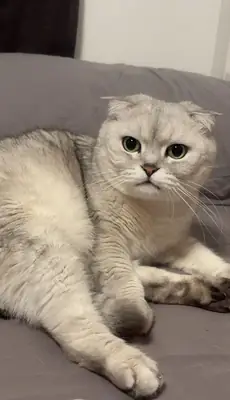
Scottish Folds can be affectionate indoor companions, but the cute ear shape must not hide welfare questions. Ask whether the cat limps, avoids jumping, has a stiff tail, struggles with stairs, dislikes being touched, needs pain relief or has ever been assessed for osteochondrodysplasia.
Scottish Fold rescue Carlisle
Scottish Fold rescue in Carlisle attracts people who want a calm, round-faced cat, but rescue matching should focus on comfort and health before appearance. A strong listing should explain the cat’s movement, weight, litter habits, grooming, temperament, medication, vet checks and whether the ears are folded or straight.
A rescued Scottish Fold may need a quieter home, soft bedding, low-sided litter trays, ramps, pain management or regular vet monitoring. A listing that only says “lovely Scottish Fold needs home” is too thin for this breed.
Scottish Fold rehoming Carlisle
Scottish Fold rehoming in Carlisle needs direct answers because the reason for rehoming changes the adoption risk. Owner illness, moving home, cost, cat conflict, litter issues, pain, arthritis, vet bills or hidden mobility problems are very different situations.
Ask how long the owner has had the cat, whether vet records can be shown, whether the cat has needed pain relief, whether it jumps normally and whether it has become less active over time. For a Scottish Fold, “quiet” can sometimes mean uncomfortable.
Adopt a Scottish Fold Carlisle
To adopt a Scottish Fold in Carlisle, look beyond the folded ears and judge the cat by comfort, mobility and temperament. The right adoption should give you enough detail to understand whether the cat can move, rest, groom, use the litter tray and enjoy normal life without pain being ignored.
Ask whether the cat accepts handling, hides when touched, avoids high places, has trouble getting into trays or becomes grumpy when lifted. A Scottish Fold should be adopted for welfare and fit, not because the breed looks unusual.
Scottish Fold cats for adoption near me
Scottish Fold cats for adoption near me searches around Carlisle often include Penrith, Wigton, Brampton, Longtown, Annan, Gretna, Workington, Whitehaven, Kendal and wider Cumbria.
Local distance helps because you can meet safely, watch the cat move, check documents and ask detailed health questions before handover. A nearby Scottish Fold with no vet history or movement notes is still a weak adoption choice.
Scottish Fold adoption Cumbria
Scottish Fold adoption across Cumbria gives adopters a wider search area while keeping viewing and collection realistic. This matters because genuine free Scottish Fold adoption listings may be limited in Carlisle itself.
Compare each cat by microchip transfer, vaccination status, neutering, vet notes, mobility, weight, pain signs, litter tray use and home fit. Do not choose the first folded-ear cat if the listing avoids health detail.
Folded ear cat adoption Carlisle
Folded ear cat adoption in Carlisle should immediately raise health questions because folded ears are not just a cosmetic feature. The same cartilage issue that affects the ears can be linked with painful joint and bone problems elsewhere in the body.
Ask whether the cat has stiff legs, a thick or rigid tail, swollen joints, reluctance to jump, limping, reduced play or sensitivity when handled. A folded-ear cat needs welfare-led adoption, not appearance-led excitement.
Free Scottish Fold kitten Carlisle
Free Scottish Fold kitten listings in Carlisle should be treated with caution. Genuine rehoming can happen, but a kitten with folded ears still needs proper health checks, microchip details, vaccination plans and honest background.
Ask the kitten’s exact age, whether it is microchipped, whether it has seen a vet, whether both parents are known and whether any movement or tail stiffness has already been noticed. A cute kitten photo is not enough for this breed.
Scottish Fold kitten adoption Carlisle
Scottish Fold kitten adoption in Carlisle needs a long-term health mindset from the start. A young cat may look playful and fine, but joint problems can become clearer as it grows.
Ask about vet checks, parent history, movement, tail flexibility, jumping, litter training, food, vaccination status and microchip transfer. The adopter should be ready for monitoring, not just kitten excitement.
Adult Scottish Fold adoption Carlisle
Adult Scottish Fold adoption in Carlisle can be easier to assess than kitten adoption because movement, weight, temperament and pain signs are already more visible. You can watch whether the cat jumps, climbs, walks, stretches and uses the litter tray comfortably.
Ask whether the cat is neutered, microchipped, vaccinated, litter trained and comfortable with handling. Adult Scottish Folds need honest vet notes and a home ready for possible long-term joint care.
Senior Scottish Fold adoption Carlisle
Senior Scottish Fold adoption in Carlisle can suit a quiet home, but the adopter must be realistic about arthritis, mobility support, pain relief, weight control and regular vet visits. Older folded-ear cats may need more environmental help than they show at first.
Ask about medication, stiffness, appetite, drinking, dental care, grooming ability, litter tray access, stairs and whether the cat still chooses to climb or play. A senior Scottish Fold deserves comfort, not a home that ignores pain because the cat is quiet.
Scottish Fold health problems adoption
Scottish Fold health problems should be the centre of any adoption decision. The breed is associated with osteochondrodysplasia, which can affect cartilage, bones and joints, so movement and pain history matter more than ear shape.
Ask whether the cat limps, sits awkwardly, has a stiff tail, has thickened joints, avoids jumping, cries when touched or has needed anti-inflammatory pain relief. A responsible listing should not hide these details.
Scottish Fold osteochondrodysplasia adoption
Scottish Fold osteochondrodysplasia adoption searches come from people who understand the breed’s real welfare issue. This condition is not an optional extra or a rare cosmetic side note; it is tied to the folded-ear trait.
Ask for vet notes, X-ray history if available, pain management details, movement videos and the cat’s current daily routine. A Scottish Fold with known joint disease may still be loved, but the adopter must know exactly what care is needed.
Scottish Fold arthritis adoption
Scottish Fold arthritis adoption should be approached with practical planning. Cats often hide pain, so arthritis may show as reduced jumping, stiffness, sleeping more, grooming less, irritability or litter tray difficulty rather than obvious crying.
Ask whether a vet has diagnosed arthritis, whether pain relief is used, whether the cat needs ramps, low beds, soft flooring or low-sided trays. A comfortable home setup can make a real difference.
Scottish Fold limping adoption
Scottish Fold limping adoption searches should never be brushed off as clumsiness. Limping can point to pain, joint changes, injury or inherited skeletal problems that need proper vet attention.
Ask when the limp started, whether it changes after rest, whether the cat avoids jumping, whether medication has been tried and whether X-rays or vet checks were done. A limping Scottish Fold needs evidence, not excuses.
Scottish Fold stiff tail adoption
Scottish Fold stiff tail adoption matters because tail stiffness can be one visible clue of cartilage and joint problems. A tail that feels thick, rigid or painful should not be ignored.
Ask whether the cat reacts when the tail is touched, whether the owner has noticed reduced flexibility and whether a vet has checked the spine, hips and joints. Tail comfort is part of welfare, not a minor detail.
Scottish Fold mobility problems Carlisle
Scottish Fold mobility problems in Carlisle adoption listings should be described clearly. The cat may need ramps, lower furniture, easy litter tray access, non-slip surfaces and a quieter routine.
Ask for videos of the cat walking, jumping, turning and using steps if possible. A seller or owner who refuses to discuss movement is not giving enough information for a responsible adoption.
Scottish Fold pain signs adoption
Scottish Fold pain signs can be subtle. A cat may stop jumping, hide more, become less playful, avoid being picked up, overgroom sore areas, stop grooming properly or become irritable when touched.
Ask whether the cat’s activity has changed, whether it resists handling, whether it sleeps in low places and whether a vet has discussed pain relief. Quiet behaviour should not be mistaken for perfect health.
Scottish Fold vet checked adoption
Scottish Fold vet checked adoption listings should say what the vet actually checked. A basic “healthy” statement is too weak for a breed where joint and cartilage problems are a serious concern.
Ask whether the vet assessed movement, tail flexibility, joints, weight, teeth, heart, eyes and pain signs. If the cat has known issues, ask for medication details and follow-up recommendations before handover.
Scottish Fold indoor cat adoption Carlisle
Scottish Fold indoor cat adoption in Carlisle can suit many homes, especially if the cat has mobility limits or needs a controlled environment. Indoor living still needs enrichment, scratching posts, safe resting places, litter comfort and weight control.
Ask whether the cat has always lived indoors, whether it tries to escape, whether it becomes bored and whether it can climb or jump comfortably. Indoor should mean safe and enriched, not inactive and ignored.
Scottish Fold for flat living Carlisle
A Scottish Fold can live in a flat in Carlisle if the home is calm, secure and adapted to the cat’s comfort. The setup may need soft beds, low climbing options, easy litter access and quiet resting spaces.
Ask whether the cat reacts to corridor noise, scratches furniture, uses litter reliably and can move comfortably around the home. A flat can work, but only if the cat’s mobility and stress level are respected.
Scottish Fold with children Carlisle
A Scottish Fold with children needs careful matching because this cat may dislike rough handling, lifting or being chased, especially if it has joint pain. Calm children can be a better fit than a noisy home that treats the cat like a toy.
Ask whether the cat has lived with children, whether it hides from noise, whether it scratches when lifted and whether it becomes defensive when touched around the tail, hips or legs. Family-friendly must mean proven behaviour.
Scottish Fold with dogs Carlisle
A Scottish Fold with dogs can work only if the dog is calm and the cat has safe escape spaces. A cat with joint discomfort may not be able to jump away quickly or tolerate being chased.
Ask whether the cat has lived with dogs, whether it hides, freezes, swats or approaches calmly and whether the home can provide dog-free rooms. Safety matters more than hoping they will “sort it out”.
Scottish Fold with other cats Carlisle
A Scottish Fold with other cats may settle well if introductions are slow and territory is managed properly. The match depends on confidence, mobility, pain level and whether the resident cat is calm or pushy.
Ask whether the Scottish Fold has lived with cats before, whether it guards food or hides from dominant cats and whether it needs separate litter trays and resting spaces. A peaceful multi-cat home is built gradually.
Scottish Fold microchipped adoption Carlisle
Scottish Fold microchipped adoption in Carlisle should include clear transfer details. The chip should match the cat, and keeper information should be updated correctly after adoption.
This matters even for indoor cats because a cat can escape during a move, panic at a new door or get lost before it understands the home. Identity details should be correct from day one.
Vaccinated Scottish Fold rehoming Carlisle
Vaccinated Scottish Fold rehoming in Carlisle should include what has been given, what is due next and whether a vet record is available. “Healthy” is too vague for this breed.
Ask about boosters, flea and worm treatment, dental care, weight, joint history, medication, pain relief and recent illness. A proper health picture protects both the cat and adopter.
Neutered Scottish Fold adoption Carlisle
Neutered Scottish Fold adoption in Carlisle can make home life and future care clearer, especially with adult cats. Neutering does not solve mobility pain, litter problems, stress or poor socialisation.
Ask whether the cat is neutered, when it was done, whether recovery was normal and whether weight or behaviour changed afterwards. If not neutered, ask what a vet has advised.
Scottish Fold adoption fee Carlisle
Scottish Fold adoption fee Carlisle searches usually compare free rehoming, private adoption and rescue-style processes. Free does not automatically mean cheaper if the cat needs vet checks, pain management, ramps, dental work or long-term monitoring.
A no-fee Scottish Fold with missing vet records and unclear mobility history can cost far more than expected. Judge the adoption by evidence, not by the absence of a fee.
Scottish Fold adoption scam Carlisle
Scottish Fold adoption scams in Carlisle can use stolen photos, fake rescue stories, delivery-only offers, urgent deposits, missing microchip details and vague health claims. Unusual-looking cats attract quick emotion, and dishonest listings exploit that.
Ask for current videos, proof of ownership, microchip details, vet records, a clear reason for rehoming and a safe viewing or collection plan. If the person avoids proof but pushes speed, walk away.
Frequently Asked Questions
What should I check before adopting a free Scottish Fold cat in Carlisle?
Check the cat’s age, microchip, vaccination status, neutering, vet records, mobility, tail flexibility, litter habits, weight, temperament and reason for rehoming.
For a Scottish Fold, also ask about osteochondrodysplasia, arthritis, limping, pain relief, stiffness, jumping ability and whether the cat has been assessed by a vet for joint issues.
Is a Scottish Fold a good adoption cat?
A Scottish Fold can be a loving companion for a home that understands the breed’s health concerns and is ready for long-term welfare-focused care.
It is not the right choice for someone who only wants the folded-ear look and is not prepared for possible joint pain, vet costs and home adjustments.
Why do Scottish Fold cats have folded ears?
Scottish Fold cats have folded ears because of a cartilage-related mutation that affects the ear structure.
The same issue can be linked with wider cartilage and joint problems, so folded ears should always lead to health questions before adoption.
What is osteochondrodysplasia in Scottish Fold cats?
Osteochondrodysplasia is a cartilage and bone development problem associated with Scottish Fold cats.
It can cause joint pain, stiffness, lameness, abnormal movement and difficulty with jumping or normal activity.
Do all Scottish Fold cats have health problems?
The folded-ear trait is linked with a cartilage condition, so every folded-ear Scottish Fold should be treated as a cat that may need careful health monitoring.
Some cats show obvious pain or stiffness, while others hide discomfort, so vet records and movement checks are important before adoption.
What pain signs should I look for in a Scottish Fold?
Look for limping, stiff movement, reluctance to jump, hiding, irritability, reduced grooming, thickened joints, tail stiffness or discomfort when touched.
Cats often hide pain, so a quiet Scottish Fold should not automatically be assumed to be pain-free.
Why is tail stiffness important in Scottish Fold adoption?
A stiff or thick tail can be a visible sign of cartilage and joint issues in a Scottish Fold.
Ask whether the cat reacts when the tail is touched, whether flexibility has changed and whether a vet has checked the spine, hips and joints.
Can a Scottish Fold live indoors?
Yes, a Scottish Fold can live indoors if the home is safe, enriched and adapted to the cat’s comfort.
Provide soft beds, low climbing options, scratching posts, clean litter trays, play, secure windows and easy access to food and water.
Can a Scottish Fold live in a flat?
A Scottish Fold can live in a flat if the environment is calm, secure and suitable for the cat’s movement needs.
Ask whether the cat uses litter reliably, reacts to corridor noise, scratches furniture or needs ramps and low resting places.
Are Scottish Folds good with children?
Some Scottish Folds can live with calm children, but rough handling, lifting or chasing can be a poor fit, especially if the cat has joint discomfort.
Ask whether the cat has lived with children, whether it hides from noise and whether it dislikes being touched around the legs, hips or tail.
Can Scottish Fold cats live with dogs?
A Scottish Fold may live with a calm dog if introductions are slow and the cat has safe dog-free areas.
Because a cat with joint pain may not jump away quickly, avoid homes where dogs chase, crowd or paw at cats.
Can Scottish Fold cats live with other cats?
A Scottish Fold can live with other cats if introductions are slow, territory is managed and the other cat is not aggressive or pushy.
Ask whether the cat has lived with cats before and whether separate food, water, litter and resting spaces are available.
Should a Scottish Fold be microchipped before adoption?
Yes, the cat should be microchipped where required, and keeper details should be transferred correctly after adoption.
Ask for the microchip number, database process and proof that the cat matches the listing.
Should a Scottish Fold be vaccinated before rehoming?
Vaccination status should be clear before rehoming. Ask what has been given, what is due next and whether a vet record is available.
Also ask about flea treatment, worming, dental care, weight, mobility, pain relief and any current medication.
Should a Scottish Fold be neutered before adoption?
Neutering can make home management clearer and helps avoid unwanted breeding.
Ask whether the cat is neutered, when it was done, whether recovery was normal and whether a vet has advised anything further.
Should Scottish Fold cats be bred?
Adoption should not be used to continue breeding folded-ear cats. The folded-ear trait is linked with welfare concerns, so responsible rehoming should focus on care, not producing kittens.
If adopting a Scottish Fold, ask about neutering and avoid any arrangement that treats the cat as a breeding opportunity.
Is an adult Scottish Fold better than a kitten?
An adult Scottish Fold can be easier to assess because mobility, comfort, litter habits, grooming ability and temperament are already visible.
A kitten gives more time to shape routine, but future joint problems may not be obvious yet, so long-term monitoring is still needed.
How do I avoid Scottish Fold adoption scams in Carlisle?
Watch for stolen photos, fake rescue stories, delivery-only offers, urgent deposits, missing microchip details, no vet records and vague health claims.
Ask for current videos, proof of ownership, microchip details, vet history, safe viewing or collection and a clear reason for rehoming before paying anything.
What should I prepare before bringing a Scottish Fold home?
Prepare low-sided litter trays, soft beds, ramps or steps, non-slip surfaces, scratching posts, familiar food, bowls, grooming tools, secure windows, a carrier and vet registration.
Keep the f ::contentReference[oaicite:2]{index=2} irst week calm and watch how the cat walks, jumps, uses the litter tray, accepts touch and chooses resting places.