Chesterfield Turkish Hamster Breeding
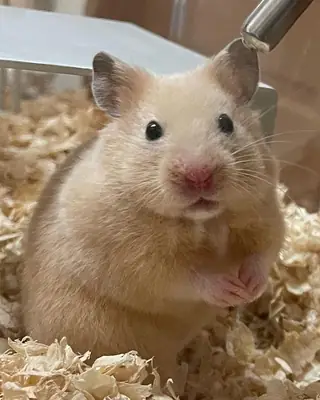
There's 1 Turkish Hamster listing live right now, last updated 15 Feb 2026. Turkish Hamster breeding... There's 1 Turkish Hamster listing live right now, last updated 15 Feb 2026. Turkish Hamster breeding in Chesterfield should never be treated as a quick “put two hamsters together” listing, because the... There's 1 Turkish Hamster listing live right now, last updated 15 Feb 2026. Turkish Hamster breeding in Chesterfield should never be treated as a quick “put two hamsters together” listing, because the Turkish Hamster, also known as Brandt’s hamster, is a specialist small mammal rather than a common beginner pet, and any mating request must start with correct species identification, confirmed sex, healthy age, separate housing, temperament, genetic background, previous litter history, pregnancy risk, pup placement plan and an owner who understands solitary hamster behaviour. On Petopic, compare Turkish Hamster mating and breeding notices across Chesterfield, Brimington, Staveley, Wingerworth, Clay Cross, Bolsover, Dronfield, Sheffield, Mansfield, Worksop, Matlock and Derbyshire by checking whether the advert explains enclosure size, wheel safety, diet, handling level, bite risk, vet access, rehoming age, sex separation, ethical purpose and whether the person is breeding for health and responsible homes rather than producing accidental litters or using rare-species language to attract careless messages.
Popular Searches
Turkish Hamster breeding in Chesterfield
Turkish Hamster breeding in Chesterfield is not the same as placing a simple pet hamster advert. This is a specialist hamster search where the first job is confirming that the animal is genuinely a Turkish Hamster, also known as Brandt’s hamster, and not a Syrian, dwarf or mixed-origin hamster being labelled wrongly.
A serious breeding notice should explain species proof, sex, age, health, temperament, previous pairing history, separate housing, planned homes for pups and why the mating is being considered. If the listing only says “male wanted” or “female ready”, it is too weak for responsible breeding.
Hamster mating Chesterfield
Hamster mating in Chesterfield should be approached with caution because hamsters are not social animals that can simply be left together. A pairing without correct timing, supervision, experience and housing plans can lead to fighting, injury, stress or unwanted litters.
Before any advert is posted, the owner should know the hamster’s species, sex, age, weight, health condition and behaviour. They should also have separate enclosures ready and a realistic plan for every pup before mating is even discussed.
Brandt's Hamster breeding Chesterfield
Brandt’s Hamster breeding is another way people may search for Turkish Hamster mating. This wording matters because many informed keepers use the scientific or alternative name when checking whether a listing is credible.
A good notice should mention Turkish Hamster and Brandt’s Hamster together, then give practical evidence: photos, age, sex confirmation, origin, health history, temperament and housing. Rare-name wording without proof is not enough.
Turkish Hamster mating partner Chesterfield
A Turkish Hamster mating partner search should never be reduced to “looking for a male” or “looking for a female”. The matching animal must be the correct species, healthy, mature, unrelated where possible and kept by someone who understands breeding risk.
Ask for species evidence, clear photos, sex confirmation, age, weight, temperament, bite history, previous litters and enclosure setup. If the other owner cannot answer basic questions, the pairing should not go ahead.
Turkish Hamster stud Chesterfield
Turkish Hamster stud searches may copy dog-breeding language, but hamsters are different. A male hamster is not a casual “stud service”; pairing requires careful handling, correct timing, separate cages and a plan to prevent injury.
A responsible advert should explain the male’s age, species confidence, temperament, health, previous pairing outcome if any and whether the owner is willing to refuse unsafe matches. If the listing treats the animal like a breeding tool, it is a bad sign.
Female Turkish Hamster for mating Chesterfield
A female Turkish Hamster should not be bred because someone wants “one cute litter”. The owner must understand age, condition, stress, litter size risk, emergency care and how quickly pups can create a housing problem.
The listing should state age, weight, health, temperament, previous litter history, enclosure details and whether pup homes are already planned. If there is no pup plan, the breeding plan is already broken.
Male Turkish Hamster for mating Chesterfield
A male Turkish Hamster for mating should be assessed for more than availability. Health, temperament, species identity, age and genetic background matter because poor pairing can create unhealthy pups and stressful outcomes.
Ask whether the male has bitten, fought, been ill, lost weight, shown unusual behaviour or been paired before. A male that is aggressive, poorly handled or unidentified should not be pushed into breeding just because a female owner is asking.
Turkish Hamster breeder Chesterfield
A Turkish Hamster breeder near Chesterfield should be able to explain the species clearly, not just say “rare hamster”. They should know solitary housing, safe handling, breeding age, pup separation, health checks and how to avoid accidental overbreeding.
Ask what experience they have, how animals are housed, how litters are tracked, how pups are socialised and when they are rehomed. A breeder who cannot explain basic welfare is not a breeder; they are just producing animals.
Rare hamster breeding Derbyshire
Rare hamster breeding in Derbyshire can attract the wrong type of attention. Rarity should make the listing stricter, not more casual. The owner should explain origin, welfare, health and long-term responsibility before discussing any mating.
Do not trust adverts that use “rare” as the main selling point. A rare hamster with poor housing, unknown sex, unclear age or no pup plan is not an opportunity; it is a welfare risk.
Turkish Hamster pair Chesterfield
Turkish Hamster pair searches must be handled carefully because hamsters generally need separate housing, and pairing can be dangerous if treated like companionship. A breeding pair should not be kept together permanently.
The listing should explain that each hamster has its own enclosure and that any introduction is controlled, temporary and welfare-led. If someone wants a “pair” because they think hamsters get lonely, the intent is wrong.
Turkish Hamster sexing Chesterfield
Sexing matters before any Turkish Hamster breeding notice goes live. Wrong sexing causes accidental litters, fighting, pregnancy stress and unsafe housing decisions.
A serious keeper should be able to confirm male or female confidently, preferably with help from an experienced hamster keeper or vet if unsure. “I think it is female” is not strong enough for a breeding advert.
Turkish Hamster pregnancy Chesterfield
Turkish Hamster pregnancy should not be treated as a cute surprise. The owner needs a quiet nesting setup, correct diet, low-stress handling, clean housing, emergency plan and enough separate enclosures for pups after separation age.
A breeding listing should show that the person understands pregnancy risk before mating. If they are asking basic questions after the female is already pregnant, the planning happened too late.
Turkish Hamster litter planning Chesterfield
Litter planning is the part most weak hamster breeding adverts ignore. A litter can create multiple pups that need sexing, separation, handling, records and suitable homes.
Before mating, the owner should know where each pup can go, when pups will be separated, how males and females will be housed and what happens if homes fall through. Breeding without this plan is irresponsible.
Turkish Hamster pups Chesterfield
Turkish Hamster pups in Chesterfield should not be advertised like spare accessories. A proper pup listing should include birth date, sex if confirmed, species confidence, handling level, diet, health, rehoming age and whether the pup is suitable for experienced keepers only.
Do not rehome pups too early, do not separate carelessly and do not hide bite risk or temperament. A rare-species pup needs more explanation, not less.
Turkish Hamster rehoming after breeding
Rehoming after Turkish Hamster breeding must be planned before the mating happens. Suitable homes should understand solitary housing, enclosure size, safe wheel size, burrowing depth, diet, nocturnal routine and handling limits.
A good breeder screens homes instead of handing pups to anyone who asks. If the only plan is “sell them online later”, the breeding plan is poor.
Turkish Hamster enclosure for breeding
Enclosure quality matters before breeding. Turkish Hamsters need secure housing, deep bedding, a safe wheel, hiding areas, clean water, proper food and low-stress space. Breeding in cramped cages is not acceptable.
The listing should mention separate enclosures for adults and backup housing for pups. If the owner does not have enough cages before mating, they are not ready to breed.
Turkish Hamster wheel and housing Chesterfield
Wheel and housing details are not cosmetic. A hamster with a wheel that is too small, poor bedding, no burrowing space or unsafe accessories is already living below standard before breeding is discussed.
Ask the owner to show the setup. If they refuse or use a tiny cage with no enrichment, do not pair with them. Good housing is the minimum entry point for ethical breeding.
Turkish Hamster diet before breeding
Diet before breeding affects condition, pregnancy stress and pup development. A hamster should not be bred if it is underweight, overweight, poorly fed or showing signs of illness.
The listing should explain current food, fresh items, protein support where appropriate, water access and whether the hamster maintains stable weight. “Eats anything” is not a care plan.
Turkish Hamster temperament before mating
Temperament matters before mating because nervous, defensive or highly aggressive animals can be harder to handle safely and may pass poor handling outcomes into the next generation through both genetics and early environment.
Ask whether the hamster bites, freezes, screams, lunges, tolerates handling, explores calmly or panics when disturbed. A breeding notice should describe temperament honestly, not hide it behind rare-species excitement.
Turkish Hamster health check Chesterfield
A Turkish Hamster health check before breeding should look at weight, coat, eyes, teeth, breathing, movement, droppings, appetite, hydration and behaviour. Any sign of illness should stop the breeding plan.
Ask whether a vet is available for emergency advice and whether the owner has handled hamster health issues before. Breeding without basic health awareness is gambling with small animals.
Turkish Hamster bite risk breeding
Bite risk should be stated honestly in Turkish Hamster breeding adverts. A hamster that bites hard, panics under handling or reacts aggressively may be unsafe for inexperienced keepers and stressful to pair.
The right listing explains handling level clearly: hand-tame, nervous, defensive, cage-territorial, food-motivated or not suitable for children. Hiding bite history creates failed homes and poor welfare.
Turkish Hamster breeding Sheffield Chesterfield
Turkish Hamster breeding searches may cover Chesterfield, Sheffield, Dronfield, Rotherham, Mansfield, Worksop, Bolsover and Derbyshire because specialist keepers are not always in one town.
Travel distance should not reduce standards. A nearby mating partner with unclear species, weak housing and no pup plan is worse than no pairing at all.
Turkish Hamster breeding advert Chesterfield
A strong Turkish Hamster breeding advert in Chesterfield should include species name, alternative name, sex, age, weight, health, temperament, housing, diet, previous breeding history, pup plan and what type of keeper should respond.
A weak advert says “hamster mating wanted”. That attracts careless messages and gives no proof that the owner understands the responsibility behind breeding.
Accidental hamster litter Chesterfield
Accidental hamster litters happen when owners mis-sex animals, house hamsters together or buy from people who cannot separate pups properly. This is exactly what responsible breeding pages should help prevent.
If a litter is accidental, the listing should focus on safe care, correct sex separation, proper rehoming age and experienced homes. Do not turn an accident into another cycle of careless breeding.
Responsible hamster breeding Chesterfield
Responsible hamster breeding in Chesterfield means breeding only with knowledge, space, health checks, records, pup homes and separate housing. It is not a weekend experiment.
The owner should be willing to cancel a pairing if the animals are the wrong age, wrong species, stressed, unhealthy, aggressive or poorly housed. Refusing a bad match is part of responsible breeding.
Reliable Turkish Hamster breeding listing Chesterfield
A reliable Turkish Hamster breeding listing in Chesterfield includes exact species, Brandt’s hamster wording where relevant, sex confirmation, age, weight, health, temperament, diet, enclosure, separate housing, breeding history and pup placement plan.
A weak listing relies on “rare hamster” and “mating wanted” with no welfare details. That may get clicks, but it does not protect the animals or help serious keepers decide safely.
Frequently Asked Questions
What is a Turkish Hamster?
A Turkish Hamster, also called Brandt’s hamster, is a specialist hamster species and should not be treated like a standard beginner pet or casually confused with a Syrian hamster.
Before any breeding advert is posted, the owner should be clear about the exact species, origin, sex, age, housing and handling level. If the species is uncertain, breeding should not be attempted.
Should Turkish Hamsters be bred casually?
No. Turkish Hamster breeding should only be considered by experienced keepers who understand solitary housing, species identification, health checks, pairing risk, pregnancy care and pup placement.
Breeding because the hamster is rare, cute or “needs a friend” is a poor reason. The welfare plan must come before any mating request.
What should a Turkish Hamster breeding advert include?
It should include species name, alternative name, sex, age, weight, health, temperament, enclosure setup, diet, previous breeding history, handling level and why the pairing is being considered.
It should also explain separate housing, pup placement plans, rehoming age and what type of keeper should respond. A short “mating wanted” advert is not enough.
Can Turkish Hamsters live together as a pair?
Hamsters are generally solitary and should not be kept together casually. A breeding introduction is not the same as permanent companionship.
Each hamster should have its own secure enclosure. Keeping hamsters together without experience can lead to fighting, stress, injury or unwanted litters.
Why is sex confirmation important before hamster breeding?
Correct sexing prevents accidental litters, unsafe pairings and housing mistakes. Hamsters can become reproductive early, so guessing is not acceptable.
If the owner is unsure whether the hamster is male or female, they should ask an experienced keeper or vet before posting a breeding advert.
What health checks matter before Turkish Hamster mating?
Check weight, coat, eyes, teeth, breathing, movement, appetite, droppings, hydration and behaviour. Any illness, injury, unexplained weight change or abnormal behaviour should stop the pairing plan.
The owner should also have access to a vet or experienced small mammal support in case pregnancy, birth or pup care becomes difficult.
What housing is needed before breeding hamsters?
Each adult hamster needs a separate, secure enclosure with deep bedding, safe wheel, hides, nesting material, clean water, suitable food and low-stress space.
Extra housing must also be ready for pups when they need separating. If there are not enough enclosures before mating, the owner is not ready to breed.
Why is a pup placement plan necessary?
A litter can create multiple pups that need safe handling, sexing, separation and suitable homes. Without a placement plan, breeding can quickly become overcrowding and stress.
Responsible keepers plan homes before mating, screen adopters and avoid handing pups to people who do not understand solitary hamster care.
When should hamster pups be rehomed?
Pups should not be rehomed too early. They need time to develop, feed independently, be handled appropriately and be separated correctly by sex when needed.
A responsible advert should state birth date, rehoming readiness, sex if confirmed, diet, handling level and whether the pup is suitable for experienced keepers.
What are red flags in a Turkish Hamster breeding listing?
Red flags include unclear species, guessed sex, unknown age, tiny cages, no separate housing, no pup plan, no health details, pressure to mate quickly and language focused only on rarity.
Also be careful if the owner cannot explain temperament, bite risk, diet, previous litters or safe rehoming. Lack of detail is not harmless; it usually means lack of preparation.
Can beginners breed Turkish Hamsters?
Beginners should not start with Turkish Hamster breeding. They should first learn hamster housing, handling, behaviour, health signs, diet and species differences.
Breeding should come only after real experience, proper equipment and a clear welfare plan. Wanting to see babies is not a valid breeding reason.
How should a responsible mating partner be chosen?
A responsible mating partner should be the correct species, healthy, mature, unrelated where possible, properly housed and handled by someone who understands breeding risks.
Ask for species proof, sex confirmation, age, weight, temperament, health history, previous breeding details and housing photos. If the other owner avoids these questions, do not proceed.
What should owners do if a hamster litter is accidental?
Keep the mother calm, avoid unnecessary disturbance, prepare safe housing, plan sex separation and seek experienced advice quickly.
Do not repeat the mistake by keeping mixed-sex hamsters together or rehoming pups too early. The priority should be welfare, not fast disposal of the litter.
What areas does this Chesterfield breeding page cover?
This page can help users looking around Chesterfield, Brimington, Staveley, Wingerworth, Clay Cross, Bolsover, Dronfield, Sheffield, Mansfield, Worksop, Matlock and Derbyshire.
Local distance is useful, but animal welfare matters more than convenience. A nearby unsafe pairing is worse than no pairing at all.
How can I recognise a reliable Turkish Hamster breeding listing in Chesterfield?
A reliable listing includes exact species, Brandt’s hamster wording where relevant, sex confirmation, age, weight, health notes, temperament, diet, enclosure, separate housing, breeding history and pup placement plan.
A weak listing says only “hamster mating wanted” or “rare hamster breeding”. For this animal, responsible detail matters more than attention-grabbing wording.