Derby Birman Cat Adoption
There's 1 Birman listing live right now, last updated 28 Dec 2025. Explore Birman cat adoption listi... There's 1 Birman listing live right now, last updated 28 Dec 2025. Explore Birman cat adoption listings in Derby and compare kittens, adults, rescue cats and rehoming profiles by age, temperament, hea... There's 1 Birman listing live right now, last updated 28 Dec 2025. Explore Birman cat adoption listings in Derby and compare kittens, adults, rescue cats and rehoming profiles by age, temperament, health history, grooming needs, indoor lifestyle, social confidence and compatibility with children or other pets. Whether you are looking in Derby, Mickleover, Allestree, Littleover, Long Eaton, Ilkeston, Burton upon Trent or wider Derbyshire, adopting a Birman means looking beyond blue eyes, silky coat and gentle looks to understand the cat’s daily care, settling-in needs, companionship level and long-term welfare before offering a permanent home.
Haven't found the pet you're looking for? Let people who want to find a new home for their pet reach out to you.
Create your free pet adoption request listing now and be seen by thousands of pet owners.
Other listings in your area
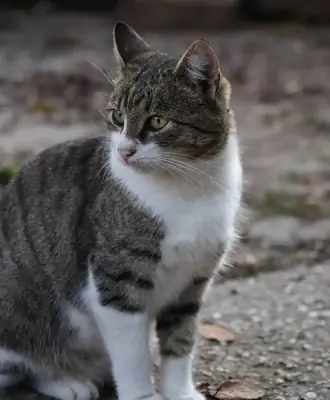
Brazilian Shorthair Adoption | Easygoing House Cat
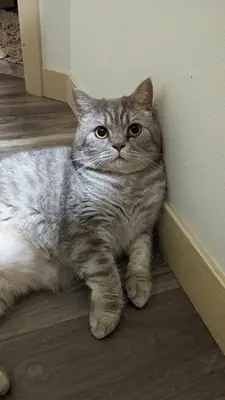
british shorthair, easy cat
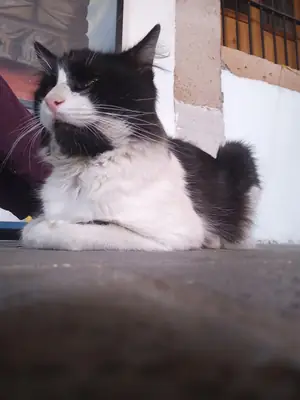
munchkin cat rehome
Quiet British Shorthair cat searching for a peaceful home
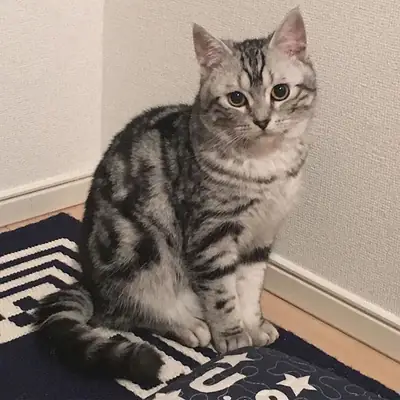
Asian Cat Adoption | Elegant and Loving Bree
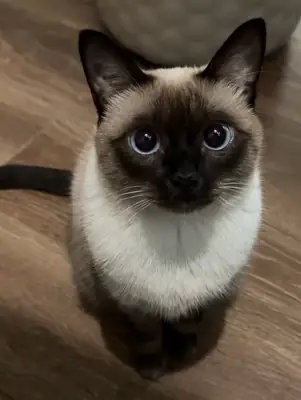
Adopt a Birman Cat | Loving & Social
Popular Searches
Birman cat adoption in Derby
Birman cat adoption in Derby is usually searched by people who want a gentle, people-focused cat with a calm presence and a beautiful coat. That is a good starting point, but the decision should not be based only on blue eyes, white paws or a soft expression. A Birman still needs time, grooming, stable routines, vet care and a home that understands its need for companionship.
Before responding to a listing, check the cat’s age, health history, microchip status, neutering status, vaccination details, temperament, grooming tolerance and experience with children or other pets. A strong adoption listing explains how the Birman behaves day to day, not just how elegant the cat looks in photos.
Birman cat rescue Derby
People searching for Birman cat rescue in Derby often want to give a second chance to a cat that needs a quieter, more stable home. Rescue and rehoming profiles should be read carefully, especially if the cat has lost an owner, struggled with another pet, become stressed in a busy household or needs patient settling-in.
The listing should explain why the Birman needs rehoming, whether it has lived indoors, how it reacts to strangers, whether it enjoys handling, how it copes with brushing and whether it can live with other cats or dogs. A rescue adoption should be calm and well matched, not rushed because the breed is attractive or uncommon.
Birman cats for adoption near Derby
Birman cats for adoption near Derby may appear not only in the city but also across Derbyshire and nearby areas. Searching wider can help because breed-specific adoption opportunities are not always frequent. Mickleover, Allestree, Littleover, Long Eaton, Ilkeston, Belper, Burton upon Trent and Nottinghamshire borders may all be relevant if the adopter can travel responsibly.
Distance should not be the main filter. The better listing is the one that gives clear details about the cat’s health, behaviour, grooming routine, previous home and adoption conditions. A nearby listing with no useful information is weaker than a slightly farther profile that helps you understand the cat properly.
Birman kitten adoption Derby
Birman kitten adoption in Derby attracts attention because kittens look easier to bond with and shape around family life. That is only partly true. A Birman kitten needs safe play, litter training, social confidence, gentle handling, brushing practice, careful feeding and a calm introduction to a new home.
A kitten listing should include exact age, health checks, vaccination status, parasite treatment, microchip details if available, litter habits, diet, social confidence and whether the kitten has been raised around normal household sounds. “Fluffy”, “friendly” and “ready now” are not enough; the listing must show that the kitten is actually ready for a stable home.
Adult Birman cat adoption Derby
Adult Birman cat adoption can be a smarter match for people who want to understand personality before committing. With an adult cat, it is easier to see whether the cat is affectionate, shy, vocal, playful, independent, lap-loving, sensitive to noise or better suited to a quiet home.
The listing should explain the cat’s previous home, why it needs rehoming, whether it is neutered, how it behaves around visitors, how much grooming it accepts and whether it has lived with children or other animals. Adult Birmans should not be overlooked; a clear adult profile can often make a better match than a vague kitten listing.
Free Birman cat adoption Derby
Free Birman cat adoption in Derby should still be treated with care. No adoption fee does not mean no cost. A long-haired companion cat can need quality food, grooming tools, regular vet care, insurance planning, parasite prevention, litter supplies and time for settling-in.
A trustworthy free adoption listing should still explain age, health, microchip status, neutering, vaccinations, temperament, grooming tolerance and the reason for rehoming. If the only hook is that the cat is free, the listing is weak. The real question is whether the adopter can provide the right home for years.
Birman indoor cat adoption
Many Birmans can do well as indoor cats if the home gives them company, play, calm routines and enough enrichment. The problem is not indoor living itself; the problem is a dull home where the cat has no scratching areas, climbing space, window watching, toys or daily interaction.
In a Derby flat or house, the listing should state whether the cat has been indoor-only before, whether it tries to escape, how it reacts to visitors and how long it can be left alone. Indoor adoption works when the Birman’s social nature is taken seriously, not when the cat is expected to entertain itself all day with no attention.
Birman grooming and coat care
Birman grooming is not as intimidating as the coat may look, but it still matters. Their silky medium-long coat needs regular brushing to prevent knots, especially around the chest, belly, back legs and tail. A cat that dislikes brushing may need a slow, patient routine rather than force.
Before adoption, ask whether the cat accepts brushing, nail trimming, ear checks and gentle handling. The listing should mention any matting, skin issues or grooming stress. If someone wants the Birman look but does not want coat care, this breed is a poor match.
Birman adoption for families
Birmans are often searched as family cats because many people associate them with a loving, gentle and sociable temperament. That reputation helps, but it does not guarantee that every Birman suits every household. Individual behaviour matters more than breed reputation.
A family-focused listing should say whether the cat has lived with children, how it reacts to noise, whether it enjoys being handled, whether it needs quiet time and whether it becomes anxious when ignored. For homes with young children, the best match is a cat whose boundaries are understood and respected.
Birman adoption with other pets
Adopting a Birman into a home with other pets should be based on the cat’s actual history, not assumptions. Some Birmans may be relaxed around other cats or calm dogs, while others may prefer a quieter home where they receive more individual attention.
The listing should explain whether the cat has lived with other cats, dogs or small animals, and how introductions were handled. A good adoption plan allows slow separation, scent swapping and controlled meetings. Rushing a gentle cat into a busy multi-pet home is asking for stress.
Derby Birman cat rehoming
Derby Birman cat rehoming listings should clearly explain why the cat needs a new home. Owner illness, moving house, allergies, conflict with another pet, grooming difficulty, cost pressure, bereavement or stress in a busy household are all different situations and need different adopters.
A strong rehoming profile does not hide the difficult parts. It tells you if the cat is nervous, clingy, vocal, fussy with grooming, sensitive to change or better suited to an adult-only home. Honest detail protects the cat from being moved again.
Frequently Asked Questions
How do I adopt a Birman cat in Derby safely?
Start by checking whether the listing includes age, health history, microchip status, neutering, vaccinations, temperament, grooming needs, previous home background and the reason for adoption or rehoming. A good listing should give enough detail to judge whether the cat suits your home.
Ask how the cat behaves day to day, not just whether it is friendly. For a Birman, companionship, grooming tolerance, indoor routine and compatibility with children or other pets all matter before you agree to adopt.
Are Birmans good cats for families?
Birmans can be good family cats when their temperament fits the household and children understand how to respect a cat’s space. Many are affectionate and sociable, but each cat still has its own boundaries, fears and habits.
Before adopting, ask whether the cat has lived with children, how it reacts to noise, whether it enjoys handling and whether it needs quiet time. Breed reputation should never replace information about the actual cat.
Is a Birman suitable for a flat in Derby?
A Birman can live in a flat if the home offers enough companionship, enrichment, scratching areas, play time and a safe routine. This breed is often people-oriented, so the social side of indoor living matters as much as the physical space.
Ask whether the cat has lived indoors before, whether it tries to escape, how it copes when left alone and whether it needs secure outdoor access. A flat can work well, but an empty and unstimulating flat is not enough for a social cat.
Should I adopt a Birman kitten or an adult cat?
A Birman kitten needs time, litter training, safe play, socialisation, grooming practice and careful settling-in. Kittens are appealing, but they are not low effort and they need patient guidance.
An adult Birman often has a clearer temperament. You can usually learn whether the cat is calm, vocal, affectionate, independent, confident with visitors or comfortable with grooming. The right choice depends on your home, time and experience, not just age.
What questions should I ask before adopting a Birman?
Ask about age, weight, microchip, neutering, vaccinations, parasite treatment, vet history, diet, litter habits, grooming tolerance, temperament, previous home, experience with children, experience with other pets and why the cat needs a new home.
You should also ask whether the cat is indoor-only, whether it has any known health concerns and what kind of home the current carer thinks would suit it best. Vague answers are a warning sign.
Do Birmans need a lot of grooming?
Birmans need regular grooming, even though their silky coat may be easier to manage than some heavier long-haired breeds. Brushing helps prevent knots and keeps the coat comfortable, especially around the chest, belly, back legs and tail.
Before adoption, ask whether the cat accepts brushing and whether there is any matting, skin irritation or grooming stress. If you cannot commit to coat care, a Birman is a poor match.
Can Birmans live with other cats or dogs?
Some Birmans can live with other cats or calm dogs, but compatibility depends on the individual cat’s history and temperament. A listing should say whether the cat has lived with other animals and how it reacted.
Introductions should be slow and controlled. Separate spaces, scent swapping and gradual meetings are safer than putting animals together immediately and hoping they adjust.
What makes a Birman adoption listing trustworthy?
A trustworthy listing gives clear information about the cat’s health, behaviour, age, microchip status, neutering, vaccinations, grooming needs, previous home and reason for rehoming. It does not rely only on breed name or attractive photos.
It should also explain what kind of home the cat needs. The best adoption listing helps the right person adopt the right cat; it does not pressure someone into taking a Birman just because the breed is gentle and beautiful.