Derby Brazilian Shorthair Cat Adoption
There's 1 Brazilian Shorthair listing live right now, last updated 29 Dec 2025. Find Brazilian Short... There's 1 Brazilian Shorthair listing live right now, last updated 29 Dec 2025. Find Brazilian Shorthair Cat adoption listings in Derby and compare intelligent, affectionate, short-haired cats looking... There's 1 Brazilian Shorthair listing live right now, last updated 29 Dec 2025. Find Brazilian Shorthair Cat adoption listings in Derby and compare intelligent, affectionate, short-haired cats looking for active, responsible homes across Derbyshire. On Petopic, you can review Brazilian Shorthair kittens, adults and rehoming profiles by age, temperament, health, microchip status, neutering, vaccination history, activity level, litter habits, coat condition, child suitability, other-pet compatibility and indoor or outdoor living needs before adopting a Brazilian Shorthair Cat that genuinely fits your home.
Haven't found the pet you're looking for? Let people who want to find a new home for their pet reach out to you.
Create your free pet adoption request listing now and be seen by thousands of pet owners.
Other listings in your area
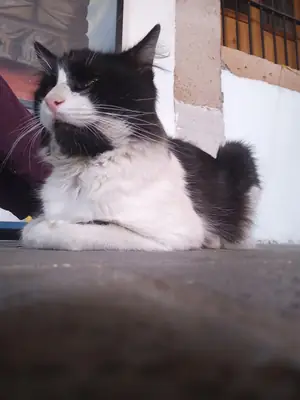
munchkin cat rehome
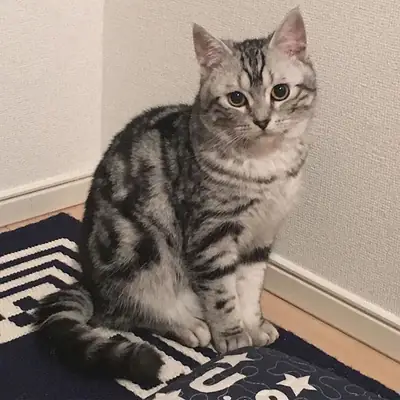
Asian Cat Adoption | Elegant and Loving Bree
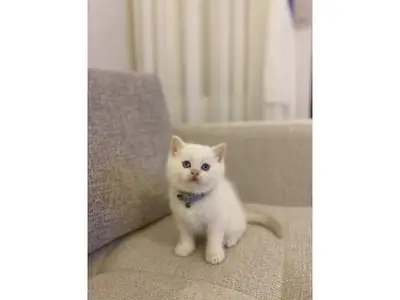
Quiet British Shorthair cat searching for a peaceful home
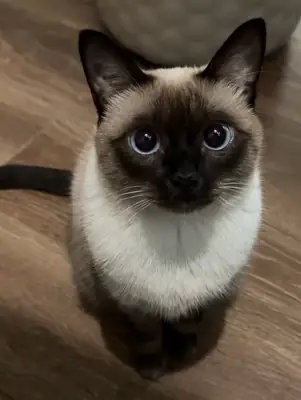
Adopt a Birman Cat | Loving & Social
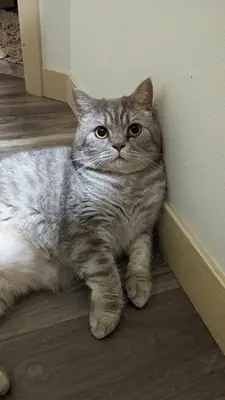
british shorthair, easy cat
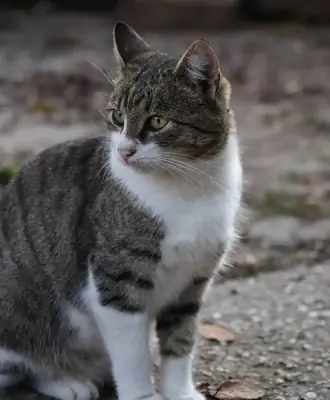
Brazilian Shorthair Adoption | Easygoing House Cat
Popular Searches
Brazilian Shorthair Cat for adoption in Derby
Looking for a Brazilian Shorthair Cat for adoption in Derby is a niche search, so the listing needs to do more than repeat the breed name. This is a short-haired, active, intelligent and people-focused cat, not just a low-maintenance pet with a neat coat. The right home should be ready for play, interaction, routine and proper health care.
On Petopic, Derby Brazilian Shorthair Cat adoption listings should be checked for age, health, microchip status, neutering, vaccination history, temperament, activity level, litter habits, coat condition and behaviour around children or other pets. A strong listing explains whether the cat is playful, vocal, confident, affectionate, independent or better suited to a calmer home.
Adopt a Brazilian Shorthair Cat in Derby
Adopting a Brazilian Shorthair Cat in Derby should be based on real compatibility, not just the appeal of a rare breed name. This cat can be sociable, lively and closely bonded with people, so it often needs more attention and play than someone expecting a quiet background pet may be ready to give.
Before applying, check whether the cat has lived in a flat, house, indoor-only home or with outdoor access. Ask how it reacts to visitors, noise, children, dogs, other cats and being left alone during the day. The best match is not the rarest profile; it is the cat whose daily behaviour fits the adopter’s actual routine.
Brazilian Shorthair rescue near Derby
Brazilian Shorthair rescue near Derby may be difficult to find because the breed is uncommon in the UK. People searching this term may also need to look at short-haired rescue cats, active domestic shorthair cats or Brazilian-type cats with similar temperament and care needs.
Searches around Derby, Alvaston, Mickleover, Allestree, Chaddesden, Littleover, Long Eaton, Ilkeston, Burton and wider Derbyshire can help when the right cat is not in the immediate city centre. Location helps, but it should never beat suitability. A nearby cat with the wrong temperament is not a good adoption just because collection is easy.
Brazilian Shorthair or domestic shorthair adoption
Many UK adopters may not search directly for “Brazilian Shorthair”; they may search for domestic shorthair, short-haired cat, active cat or friendly rescue cat instead. That matters because the adoption intent can overlap, but the listing must not pretend every short-haired cat is a Brazilian Shorthair.
A good profile should be clear: is the cat a known Brazilian Shorthair, a Brazilian-type shorthair, or simply a short-haired cat with similar qualities? The wording should help adopters understand the cat, not inflate the listing with a rare label. Breed wording brings attention; honesty keeps the adoption stable.
Brazilian Shorthair kitten for adoption Derby
A Brazilian Shorthair kitten in Derby may look like an easy short-haired kitten, but kittens are work. This type of cat can be energetic, curious and socially demanding, so early play routines, safe rooms, litter habits, scratching outlets, handling and vet care must be taken seriously from day one.
A proper kitten listing should state the exact age, microchip status if old enough, vaccination stage, parasite treatment, feeding routine, litter habits, confidence around people and whether the kitten has been raised with other cats. A cute photo tells you almost nothing. The listing must show whether the kitten is ready for a stable home.
Adult Brazilian Shorthair Cat for adoption
An adult Brazilian Shorthair Cat can be a stronger choice than a kitten for many Derby homes because the personality is already clearer. You can see whether the cat is active, talkative, affectionate, independent, confident with visitors or easily overstimulated.
A good adult adoption listing should explain why the cat is being rehomed, whether it is neutered, whether it is microchipped, how it uses the litter tray, what it eats, whether it has lived with children or pets and whether it is suited to indoor-only life. Adult adoption is not a fallback; it often gives the adopter a cleaner picture of daily life.
Rare shorthair cat adoption Derby
Rare shorthair cat adoption in Derby can attract people who want something different from a typical moggy. That search intent is risky if the adopter is chasing rarity instead of temperament. A rare cat still needs litter care, food control, play, vet checks, microchip details and a home that fits its personality.
A Brazilian Shorthair profile should not rely on rarity as the selling point. The listing should explain the cat’s activity level, confidence, social behaviour, grooming tolerance, indoor or outdoor history and compatibility with children or pets. Rare is not a care plan. The actual cat matters.
Brazilian Shorthair Cat for flat in Derby
A Brazilian Shorthair Cat can live in a flat if the cat is suited to indoor life and the home is properly enriched. This is an active, curious cat type, so a flat needs more than a food bowl and litter tray. It should offer scratching posts, climbing points, window views, play sessions and safe resting areas.
Before adopting, ask whether the cat has lived indoors before, whether it tries to escape, whether it becomes noisy at night, whether it copes with being left and whether windows or balconies need extra safety. Flat-friendly is not a breed promise; it depends on the individual cat’s history and energy level.
Indoor Brazilian Shorthair Cat Derby
Many Derby adopters look for an indoor Brazilian Shorthair because roads, shared entrances, rented homes and urban living can make outdoor access risky. Indoor life can work, but only if the cat has enough stimulation and the adopter understands its need for movement and interaction.
A strong listing should say whether the cat is indoor-only, indoor-outdoor or used to supervised outdoor time. It should also mention escape attempts, window interest, boredom behaviour, play needs and how the cat copes when left alone. Indoor adoption works when the cat’s past and the home setup actually match.
Active Brazilian Shorthair Cat adoption
Brazilian Shorthair Cats are often described as playful and intelligent, so adopters should expect a cat that wants involvement, not a decorative animal that sleeps all day. If the cat is under-stimulated, it may become demanding, vocal, restless or destructive in small ways.
A useful listing should mention the cat’s favourite play style, whether it climbs, whether it opens cupboards, whether it follows people around, whether it needs another pet for company and whether it can settle after play. Active cats are not difficult when managed properly; they become difficult when treated like low-energy pets.
Brazilian Shorthair Cat with children
A Brazilian Shorthair Cat may suit families with children if the individual cat is confident, playful and used to respectful handling. But a social cat is not a toy. Chasing, grabbing, forced cuddles and rough play can make even a friendly cat stressed or defensive.
A good listing should state whether the cat has lived with children, how it reacts to noise, whether it enjoys being handled, whether it gets overstimulated during play and whether it needs a calmer home. Family suitability is not automatic; it must be based on observed behaviour.
Brazilian Shorthair with other cats or dogs
If you already have another cat or a dog, Brazilian Shorthair adoption needs a proper introduction plan. Some individuals may enjoy company, while others may be territorial, too energetic for quiet pets or stressed by sharing resources.
The listing should say whether the cat has lived with other cats, calm dogs or busy pets, whether it hides under stress, chases, guards food, hisses or needs slow introductions. A responsible adopter prepares separate spaces, scent swapping and gradual meetings instead of forcing animals together on day one.
Brazilian Shorthair health checks before adoption
Health checks matter before adopting a Brazilian Shorthair Cat. Ask about microchip status, neutering, vaccinations, parasite treatment, dental health, weight, appetite, coat condition, skin, litter habits, previous vet care and any known long-term issues.
A serious listing should not hide behind “healthy cat” with no detail. If the cat has dental problems, urinary signs, weight issues, skin irritation, repeated vet visits or special diet needs, that should be visible before adoption. The goal is not to avoid every cat with needs; it is to know exactly what care you are accepting.
Brazilian Shorthair rehoming in Derby
Brazilian Shorthair rehoming in Derby should be written with honesty. If the cat is very active, vocal, attention-seeking, not suited to young children, unable to live with dogs, stressed by being alone or needs outdoor access, that should be clear in the listing.
A strong rehoming profile gives fewer but better enquiries. It should explain the reason for rehoming, current routine, health needs, personality, diet, litter habits, indoor or outdoor history and ideal home. Hiding difficult details may place the cat faster, but it increases the risk of another failed home.
Frequently Asked Questions
How can I adopt a Brazilian Shorthair Cat in Derby?
To adopt a Brazilian Shorthair Cat in Derby, review listings that clearly explain the cat’s age, health, microchip status, neutering, vaccination history, temperament, litter habits, activity level, coat condition and previous home environment. A photo and rare breed name are not enough.
Before arranging a meeting, ask whether the cat is indoor-only, used to outdoor access, good with children, compatible with other pets and comfortable being left during the day. The right adoption should be based on daily-life fit, not just a short-haired coat or unusual breed label.
Is a Brazilian Shorthair Cat rare in the UK?
Yes, Brazilian Shorthair Cats are uncommon in the UK compared with domestic shorthairs and more familiar pedigree breeds. Because of that, some adoption searches may return short-haired cats with similar qualities rather than confirmed Brazilian Shorthairs.
The listing should be honest about the cat’s background. Whether the cat is a confirmed Brazilian Shorthair, Brazilian-type shorthair or simply an active short-haired rescue cat, the adopter needs clear information about health, temperament and care needs.
Is a Brazilian Shorthair suitable for first-time cat owners?
A Brazilian Shorthair can suit first-time owners if the individual cat has a stable temperament, clear health information and good litter habits. The catch is that this cat type can be active, social and intelligent, so it may need more play and attention than a very independent cat.
First-time owners should look for listings that describe the cat’s behaviour honestly: whether it is vocal, playful, affectionate, shy, demanding, confident or calm. A known adult profile may be easier than a kitten with vague information.
Can a Brazilian Shorthair Cat live in a Derby flat?
Yes, a Brazilian Shorthair Cat can live in a flat if it is suited to indoor life and the home is properly enriched. It needs clean litter, scratching posts, climbing space, play, safe windows and enough stimulation to prevent boredom.
Before adoption, ask whether the cat has lived indoors before, whether it tries to escape, whether it becomes frustrated without outdoor access and whether it copes with normal household noise. Flat living works only when the cat’s history and the environment match.
Should a Brazilian Shorthair be indoor-only or allowed outside?
This depends on the individual cat’s history, confidence, location and safety. Some Brazilian Shorthairs can adapt to indoor life with enough enrichment, while others may be used to outdoor access and become restless if suddenly kept inside.
Before adopting, ask whether the cat has been indoor-only, indoor-outdoor or fully outdoor before. Also consider roads, shared entrances, gardens, balconies and escape risks. The safest choice is the one that matches both the cat and the home.
Do Brazilian Shorthair Cats need much grooming?
Brazilian Shorthair Cats usually have manageable short coats, but they still benefit from regular brushing, especially during shedding periods. Grooming helps remove loose hair and gives you a chance to check the skin, coat and body condition.
Before adoption, ask whether the cat accepts brushing, nail trimming and handling. Even low-maintenance coats need routine care, and a cat that dislikes handling may need a slower, calmer approach.
What health issues should I check before adopting a Brazilian Shorthair?
Before adopting a Brazilian Shorthair, ask about microchip status, neutering, vaccinations, parasite treatment, dental health, weight, appetite, coat condition, skin, litter habits and previous veterinary care.
A responsible listing should explain known health needs clearly. If the cat has urinary issues, dental disease, weight problems, skin irritation or repeated vet visits, those details should be discussed before adoption.
Are Brazilian Shorthair Cats good with children?
A Brazilian Shorthair may be good with children if it has the right temperament and the children are calm and respectful. A social cat may enjoy family activity, but it should not be chased, grabbed, squeezed or forced into interaction.
Before adoption, ask whether the cat has lived with children, how it reacts to noise, whether it enjoys handling and whether it becomes overstimulated during play. Children must be taught to respect the cat’s food, litter tray, sleep and hiding places.
Can a Brazilian Shorthair live with other cats or dogs?
Some Brazilian Shorthairs can live with other cats or calm dogs, but compatibility depends on the individual cat’s history and confidence. Some cats enjoy company, while others prefer being the only pet and may become stressed when forced to share space.
Before adoption, ask whether the cat has lived with other pets, whether it hides, hisses, chases, guards resources or becomes anxious. Introductions should be gradual, with separate spaces, scent swapping and supervision.
Is it better to adopt a Brazilian Shorthair kitten or adult cat?
A kitten needs more time, supervision, play, training and safety management. It may be adaptable, but its adult personality is still developing, so there is more guesswork involved.
An adult Brazilian Shorthair usually has clearer habits and temperament. You can better understand whether the cat is calm, active, vocal, independent, cuddly, indoor-suited or compatible with children and pets. For many adopters, an adult cat is the more realistic choice.
Does a Brazilian Shorthair in England need a microchip?
Yes. Pet cats in England must be microchipped and registered by the time they are 20 weeks old, including indoor cats. Before adoption, ask whether the cat is microchipped and whether the keeper details can be updated correctly.
Microchip details should match the new owner after adoption. This protects the cat if it is lost, stolen or accidentally escapes from a flat, carrier, garden or shared entrance.
What should I prepare before bringing home a Brazilian Shorthair Cat?
Prepare a quiet starter room with litter tray, food, water, bedding, hiding space, scratching post, brush, toys and a safe carrier. The cat should be allowed to settle slowly instead of being forced to explore the whole home immediately.
You should also prepare for play, climbing, vet checks, microchip detail updates if needed, regular feeding, grooming and safe windows or doors. A smooth adoption starts before the cat arrives, not after problems appear.
What questions should I ask before adopting a Brazilian Shorthair in Derby?
Ask the cat’s age, reason for rehoming, microchip status, neutering, vaccination history, health issues, diet, grooming tolerance, litter habits, activity level and previous living environment.
Also ask whether the cat can live with children, other cats or dogs, whether it is indoor-only or used to outdoor access, how it handles being left alone and what kind of home would suit it best. If the answers are vague, slow down. Missing details become daily problems after adoption.