Derby Cat Adoption Listings
There are 6 Cat listings live right now, last updated 20 Apr 2026. Find cats for adoption in Derby a... There are 6 Cat listings live right now, last updated 20 Apr 2026. Find cats for adoption in Derby and compare kittens, adult cats, indoor cats, bonded pairs and rescue cats looking for a safe home; b... There are 6 Cat listings live right now, last updated 20 Apr 2026. Find cats for adoption in Derby and compare kittens, adult cats, indoor cats, bonded pairs and rescue cats looking for a safe home; before you enquire, check each cat’s age, temperament, health notes, microchip status, neutering, vaccination history, litter habits, indoor or outdoor needs, experience with children, dogs or other cats, and whether your home, routine and budget are genuinely suitable for long-term cat ownership.
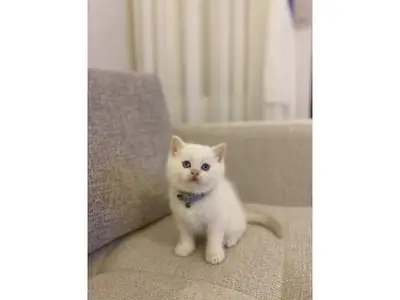
Quiet British Shorthair cat searching for a peaceful home
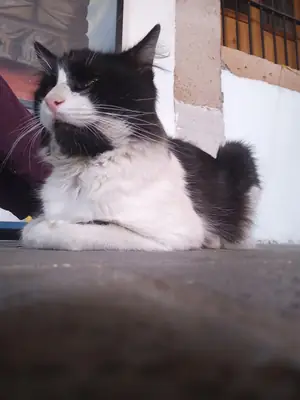
munchkin cat rehome
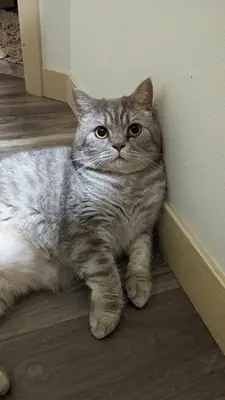
british shorthair, easy cat
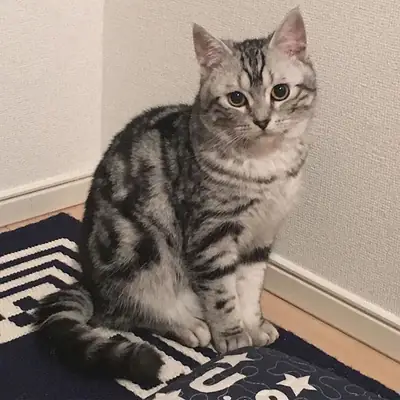
Asian Cat Adoption | Elegant and Loving Bree
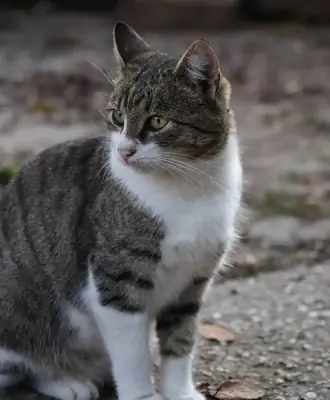
Brazilian Shorthair Adoption | Easygoing House Cat
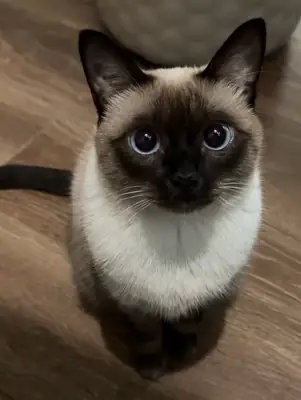
Adopt a Birman Cat | Loving & Social
Haven't found the pet you're looking for? Let people who want to find a new home for their pet reach out to you.
Create your free pet adoption request listing now and be seen by thousands of pet owners.
Other listings in your area
munchkin cat rehome
Quiet British Shorthair cat searching for a peaceful home
Asian Cat Adoption | Elegant and Loving Bree
Brazilian Shorthair Adoption | Easygoing House Cat
Adopt a Birman Cat | Loving & Social
british shorthair, easy cat
Popular Searches
Cats for adoption in Derby
Looking for a cat in Derby should start with fit, not just a cute photo. A strong listing tells you the cat’s age, temperament, health background, microchip status, neutering, vaccination notes, litter habits and whether the cat is better suited to a quiet flat, a family home or a place with safe outdoor access.
Petopic helps you compare kittens, adult cats, older cats, bonded pairs and rescue cats without turning the page into a wall of repeated phrases. The useful details are the ones that show whether this animal can settle into your real life, not just whether it looks sweet for five seconds.
Adopt a cat in Derby
Before adopting in Derby, think about your routine honestly. Do you work long hours, live near busy roads, already have children or pets, or need a cat that can live happily indoors? These details matter more than colour, breed or age.
Ask whether the cat enjoys handling, hides from visitors, tolerates other animals, uses a litter tray reliably and needs a calm home. A responsible adoption starts before the visit, with questions that prevent a bad match.
Cat rehoming in Derbyshire
Many people widen their search from Derby to Derbyshire because the right cat may be in a nearby town, foster home or rescue setting. That is sensible, but distance should not make you lower your standards.
Look for listings that explain why the cat needs a new home, what kind of environment it came from and what it will need next. A vague “needs rehoming” line is not enough when you are making a long-term decision.
Kittens for adoption in Derby
Kittens attract the fastest attention, but they are not the easiest option. They need socialisation, safe play, litter training, careful feeding, vet checks, vaccinations, microchipping and patience while they learn boundaries.
A good kitten listing should mention age, whether the kitten is eating independently, litter use, health checks, parasite treatment, vaccination timing and whether siblings or the mother are known. “Tiny kitten available” is too weak to trust on its own.
Adult cats for adoption in Derby
Adult cats are often easier to judge than kittens because their personality, confidence, handling tolerance and activity level are more visible. For many homes, an adult cat is the stronger choice.
Read the listing for details about routine, litter habits, indoor or outdoor preference, reaction to children, noise sensitivity and whether the cat has lived with other animals. Ignoring adult cats just because they are not kittens is a poor filter.
Rescue cats in Derby
Rescue cats can come from many backgrounds: strays, owner surrender, multi-cat homes, bereavement cases or cats that need a quieter setting. The listing should not hide that context if it affects the cat’s needs.
Ask how the cat behaves in a foster or rescue environment, whether it is shy, confident, playful, nervous, affectionate or independent. A rescue cat does not need pity; it needs a home that understands its actual behaviour.
Indoor cats in Derby
An indoor cat is not just a cat kept inside because it is convenient. Some cats need indoor homes because of health, age, disability, temperament, previous experience or road safety. Others may become stressed without outdoor access.
A useful listing explains why indoor living is recommended, what enrichment the cat needs, whether it enjoys climbing, play, window watching, scratching posts and quiet hiding spaces. Without enrichment, indoor life becomes boredom, not safety.
Cats suitable for families in Derby
A family-friendly cat is not simply “nice”. The listing should say whether the cat has lived with children, what ages it tolerates, how it reacts to noise, handling, visitors, toys and busy rooms.
If a cat needs a calm adult-only home, that should be respected. Forcing a nervous cat into a noisy household is not kindness; it is a predictable mismatch.
Cats that can live with dogs
If you already have a dog, do not assume any calm-looking cat will cope. The listing should say whether the cat has lived with dogs before, whether it avoids them, tolerates them or needs a dog-free home.
Introductions should be slow, with separate rooms, scent swapping, controlled meetings and safe high spaces for the cat. “They’ll work it out” is not a plan.
Bonded cats for adoption
Bonded cats should usually stay together if they rely on each other for confidence, play, grooming or comfort. Separating them just to make adoption easier can cause stress and behavioural problems.
A listing for a pair should explain their relationship, personalities, feeding routine, litter habits and whether they need a quiet home or can handle family life. Two cats can be easier than one when the match is right, but the home must be ready for the extra cost and space.
Senior cats for adoption in Derby
Senior cats are often overlooked, which is a mistake. Many older cats are calm, affectionate, predictable and well suited to quieter homes. They may be a better fit than a kitten for someone who wants companionship without chaos.
The listing should be clear about health, medication, diet, mobility, litter habits and vet needs. A senior cat is not a lesser choice; it is a different kind of responsibility.
Black cats for adoption
Black cats can be unfairly overlooked even when their temperament is excellent. Colour should never be the deciding factor. Confidence, health, handling, home suitability and routine matter far more.
If a black cat is affectionate, relaxed with people, reliable with the litter tray and suitable for your home, it deserves the same attention as any other cat. A good listing focuses on the cat’s life, not just its appearance.
Microchipped cats in Derby
In England, owned cats must be microchipped before they reach 20 weeks of age, with keeper details kept up to date. When adopting, ask whether the cat is already chipped and how the database details will be transferred.
The listing does not need to publish sensitive chip numbers, but it should be clear about microchip status. A missing or vague answer here is not a small detail; it affects responsible ownership and recovery if the cat goes missing.
Neutered cats for adoption
Neutering status matters because it affects behaviour, roaming, unwanted litters and future planning. A listing should say whether the cat is neutered, too young to be neutered or will need the procedure after adoption.
For kittens, the timing should be discussed clearly. For adult cats, vague answers about neutering can create avoidable problems later, especially in multi-cat homes or homes with outdoor access.
Post a cat rehoming listing in Derby
If you are rehoming a cat in Derby, write the listing for the cat’s future, not for quick messages. Include age, sex, temperament, health, microchip status, neutering, vaccination notes, litter habits, indoor or outdoor preference and the type of home needed.
Be honest about issues such as hiding, scratching, toileting problems, fear of children, dislike of dogs, medical needs or needing a quiet home. A truthful listing may get fewer enquiries, but it attracts better matches.
Frequently Asked Questions
Where can I find cats for adoption in Derby?
You can browse Derby cat adoption listings from rescues, foster homes and people rehoming cats responsibly. Look for listings that explain the cat’s age, temperament, health, microchip status, neutering, litter habits and home needs.
A good listing should help you decide whether the cat fits your actual home, not just whether the photo is attractive.
What should I ask before adopting a cat?
Ask about age, health, microchip status, neutering, vaccinations, litter habits, indoor or outdoor needs, behaviour with children, dogs and other cats, and why the cat needs a new home.
If the answer is only “friendly” or “lovely”, that is not enough. You need practical details about daily behaviour and care.
Are cats in England legally required to be microchipped?
Yes. Owned cats in England must be microchipped before they reach 20 weeks of age, and keeper details should be kept up to date on a pet microchipping database.
When adopting, ask whether the cat is already chipped and how the keeper details will be transferred after adoption.
Is a kitten or an adult cat better to adopt?
Kittens need more time, training, play, supervision and vet planning. Adult cats often have clearer personalities, known routines and more predictable behaviour.
If you work long hours or want a calmer companion, an adult cat may be a better fit than a kitten. Choosing only by age is a weak decision.
Can I adopt a cat if I live in a flat?
Yes, but the cat must be suited to indoor or flat living. Look for details about energy level, confidence, enrichment needs, litter habits, noise tolerance and whether the cat has previously lived indoors.
An indoor cat still needs climbing spaces, scratching posts, play, hiding spots and mental stimulation. Keeping a cat inside without enrichment is not enough.
Can adopted cats live with dogs?
Some can, but only if the cat has the right temperament and the dog is suitable too. Ask whether the cat has lived with dogs before and how it reacts to them.
Introductions should be slow and controlled, with separate spaces and safe high areas for the cat. Do not throw them together and hope it works.
Should I adopt two bonded cats together?
If two cats are genuinely bonded, keeping them together is usually better for their confidence and welfare. Separating them can cause stress and behavioural changes.
Before adopting a pair, check costs, space, litter tray needs, feeding routines and whether your home can support both cats properly.
What costs should I expect after adopting a cat?
Expect costs for food, litter, vet checks, vaccinations, parasite treatment, microchip updates, neutering if needed, insurance, toys, scratching posts, bedding and emergency care.
Even if the adoption fee is low or there is no fee, cat ownership is not free. The long-term budget matters more than the first payment.
How long does a cat take to settle after adoption?
Some cats settle in days, while others need weeks. Hiding, cautious eating, quiet behaviour or nervous reactions can be normal at the start.
Give the cat one calm room first, with food, water, litter, a bed, hiding places and slow introductions. Rushing the process is where many adoptions go wrong.
How should I write a cat rehoming listing in Derby?
Include the cat’s age, sex, temperament, health, microchip status, neutering, vaccination notes, litter habits, indoor or outdoor preference, behaviour with children and pets, and the type of home needed.
Be honest about issues such as fear, scratching, toileting problems, medical needs or needing a quiet home. Honest details reduce failed matches.