Derby Dog Adoption
There are 6 Dog listings live right now, last updated 22 Jul 2026. Browse Derby dog adoption listing... There are 6 Dog listings live right now, last updated 22 Jul 2026. Browse Derby dog adoption listings with clear, practical information for puppies, adult dogs, rescue dogs, small dogs, large breeds, ... There are 6 Dog listings live right now, last updated 22 Jul 2026. Browse Derby dog adoption listings with clear, practical information for puppies, adult dogs, rescue dogs, small dogs, large breeds, mixed breeds and dogs looking for a secure new home across Derby and Derbyshire. Petopic helps you compare adoptable dogs by age, size, temperament, health, vaccination status, microchip details, neutering status, lead manners, house training, alone-time tolerance, child compatibility, cat compatibility, other-dog behaviour, garden or flat suitability and rehoming reason, so adopting a dog in Derby becomes a safe, prepared and long-term decision rather than a rushed emotional choice.
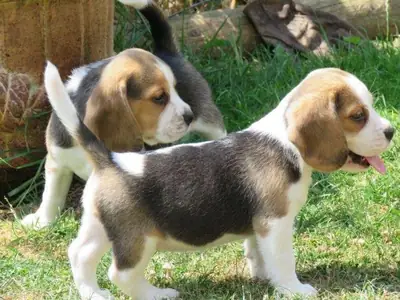
Gift male and female Beagle puppies
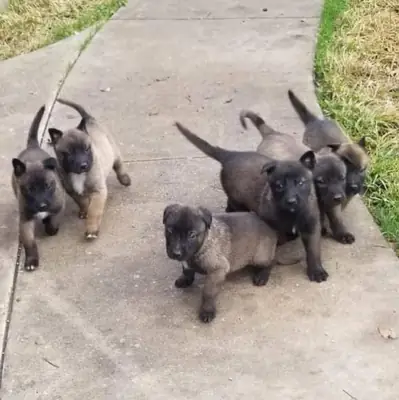
Anatolian shepherd puppies available
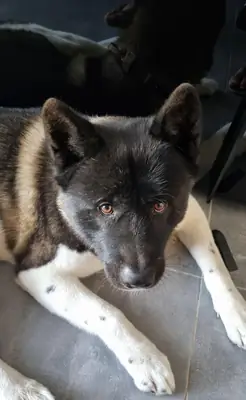
Akita rehome

Bitchon Frise puppy for adoption
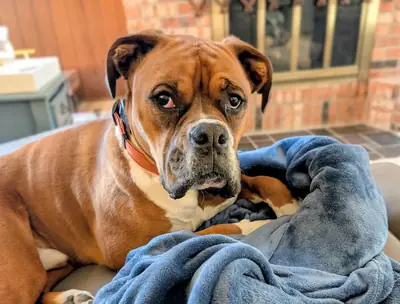
boxer dog needs new home
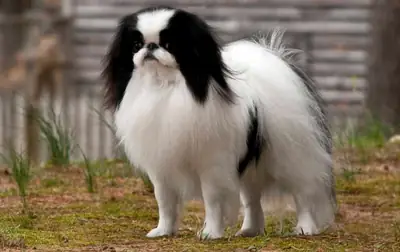
Elegant Japanese Chin for Adoption
Haven't found the pet you're looking for? Let people who want to find a new home for their pet reach out to you.
Create your free pet adoption request listing now and be seen by thousands of pet owners.
Other listings in your area
Elegant Japanese Chin for Adoption
Anatolian shepherd puppies available
Bitchon Frise puppy for adoption
Gift male and female Beagle puppies
Akita rehome
boxer dog needs new home
Popular Searches
Dog adoption listings in Derby
Dog adoption listings in Derby should give more than a cute photo and a short “forever home wanted” line. A useful listing should explain the dog’s age, size, breed or mix, health, vaccination status, microchip details, neutering status, temperament, training level, exercise needs and the type of home the dog can realistically settle into.
On Petopic, Derby dog adoption listings should help users compare real suitability. A nervous rescue dog, an energetic young dog, a senior companion, a small flat-friendly dog and a large active crossbreed all need different homes. The strongest adoption decision is not the quickest message; it is the match where the dog’s needs and the adopter’s routine actually fit.
Adopt a dog in Derby
People searching to adopt a dog in Derby usually want a local, safe and transparent route to the right dog. Before contacting any listing, the adopter should check whether the dog is microchipped, whether keeper details can be updated correctly, whether health records are available and whether the dog’s behaviour matches the household.
A strong adoption listing should mention how the dog behaves indoors, on lead, around traffic, with visitors, with children, with cats and with other dogs. Derby homes can mean city flats, terraces, family houses, gardens, busy roads, parks and Peak District-style walking routines nearby, so “friendly dog” is not enough. The advert must describe the dog’s real daily life.
Dog rescue Derby
Dog rescue in Derby is a high-intent search because users often want welfare checks, behaviour notes, adoption steps and a safer rehoming process. Rescue-style listings should explain the dog’s background, stress level, training needs, medical condition, compatibility and whether the dog needs a first-time home or an experienced adopter.
A good rescue listing should not rely on guilt. It should say what the dog can handle and what it cannot. Some rescue dogs need quiet homes, secure gardens, confidence building, gradual introductions or support with separation. Clear information protects the dog better than emotional wording.
Rescue dogs Derbyshire
Rescue dogs in Derbyshire may come from foster homes, kennels, shelters or private rehoming situations around Derby, Chesterfield, Ilkeston, Swadlincote, Belper, Matlock, Ashbourne and nearby areas. Location matters because meet-and-greets, home checks, transport and post-adoption support may depend on distance.
A useful listing should make the process clear before emotion takes over. It should explain adoption fee if any, microchip transfer, neutering status, vaccinations, behaviour support, trial period if offered and what type of home is expected. A vague “rescue dog available” listing is not enough for a serious adoption decision.
Dog rehoming Derby
Dog rehoming in Derby often happens because of housing changes, work schedules, family pressure, illness, cost, behaviour issues or a mismatch with the current home. A responsible rehoming advert should explain the real reason clearly instead of hiding problems behind soft phrases.
The listing should state whether the dog is house trained, can stay alone, pulls on the lead, barks, guards food, chases cats, reacts to dogs or struggles with visitors. If a dog is being rehomed because of a behaviour issue, saying so is not a weakness; hiding it is.
Puppy adoption Derby
Puppy adoption in Derby gets quick attention, but a puppy is not the easy option. Puppies need house training, bite inhibition, socialisation, routine, vet care, safe exposure, sleep management and careful handling around children and other pets.
A puppy listing should mention age, vaccination stage, microchip status, expected adult size, breed mix if known, current diet, mother-dog information where relevant and whether the puppy is ready to leave. “Cute puppy available” is weak. A serious listing prepares the adopter for months of work, not just the pickup day.
Adult dog adoption Derby
Adult dog adoption in Derby can be the smarter choice for many homes. With an adult dog, size, temperament, energy level, house training, lead manners and compatibility are usually clearer than with a young puppy.
A strong adult dog listing should say whether the dog can stay alone, how it behaves with strangers, whether it is calm indoors, how much exercise it needs and whether it has lived in a flat, terrace, family home, rural home or quieter adult-only environment. Adult dogs are not second-best; for the right person, they are often the more realistic match.
Small dog adoption Derby
Small dog adoption in Derby is often searched by people who live in flats, terraces or busy households and want a dog they assume will be easier. That assumption is dangerous. Small dogs can bark, guard people, dislike handling, develop separation issues, need careful training and still require proper walks.
A useful listing should describe noise level, alone-time tolerance, house training, lead behaviour, child compatibility and whether the dog is genuinely suitable for flat or terrace life. “Small” does not mean simple. Behaviour and routine matter more than size.
Large dog adoption Derby
Large dog adoption in Derby needs honest information about handling, strength, space and cost. A large dog may suit active walking routes, open parks and countryside access, but only if the adopter can manage lead pulling, recall work, transport, vet bills, training and safe behaviour around people and other dogs.
A strong listing should mention weight, expected size, energy level, lead manners, dog compatibility, child compatibility, prey drive, garden needs and whether the dog can settle indoors. Large dogs fail in homes when adopters underestimate practical management.
Mixed breed dog adoption Derby
Mixed breed dog adoption in Derby can be a strong option, but the listing must describe the actual dog instead of hiding behind the word “mix” or “crossbreed”. Users need size, coat type, likely adult weight, energy level, temperament, confidence, training needs and compatibility.
A good mixed-breed listing should avoid guessing too much from appearance. The real decision comes from current behaviour and care needs. A mixed breed can be calm, reactive, shy, active, easy or demanding; the advert must tell the truth, not sell a label.
Dogs for adoption near Derby
Dogs for adoption near Derby may include listings from Derby itself, Ilkeston, Long Eaton, Belper, Burton upon Trent, Nottingham edge areas, Chesterfield and wider Derbyshire. Nearby location helps with visits, home checks and transport, but it should not override compatibility.
A local dog is useful only if the dog’s needs fit your household. A nearby dog with severe separation anxiety, cat issues or high exercise needs may be a worse match than a slightly farther dog whose behaviour and routine suit your life. Distance helps; fit decides.
Flat friendly dog adoption Derby
Flat friendly dog adoption in Derby depends on behaviour, not just size. A suitable flat dog should be able to settle indoors, handle hallway noise, avoid constant barking, cope with stairs or shared entrances and manage being left for realistic periods.
A strong listing should say how the dog reacts to doorbells, neighbours, traffic, other dogs outside, visitors and alone time. A quiet adult medium-sized dog may fit a flat better than a tiny dog that barks at every sound. The listing must describe real home behaviour.
Dog adoption with children Derby
Dog adoption with children in Derby needs precise behaviour information. “Good with kids” is too vague. The listing should say whether the dog has lived with children, how it reacts to noise, sudden movement, toys, food, hugging, visitors and busy family routines.
The safest match is not always the calmest-looking dog. A child-friendly adoption requires a dog with suitable tolerance, adults who supervise properly and children who understand boundaries. The listing should help families avoid assuming compatibility where it has not been tested.
Dog adoption with cats Derby
Dog adoption with cats in Derby requires more than a hopeful sentence. The listing should explain whether the dog has lived with cats, whether it chases small animals, how it reacts indoors, whether it guards food and whether slow introductions are needed.
Some dogs can live peacefully with cats; others cannot. A poor match can put the cat under constant stress or create a serious safety risk. The listing should describe real history, not optimism.
Microchipped dog adoption Derby
Microchipped dog adoption in Derby should be treated as a basic requirement, not a bonus. The listing should state whether the dog is microchipped and how keeper details will be transferred to the adopter after rehoming.
This matters because microchip details must match the current keeper. A responsible listing should not leave the adopter to sort out unclear ownership records later. If microchip status is missing, ask before agreeing to adopt.
Frequently Asked Questions
What should I check before adopting a dog in Derby?
Check the dog’s age, size, temperament, health, vaccination status, microchip details, neutering status, training level, exercise needs, child compatibility, cat compatibility and reason for rehoming.
You should also check whether the dog suits your real lifestyle. A dog that looks perfect in photos can still be wrong for your home if its energy, behaviour or care needs do not match your routine.
Do adopted dogs in Derby need to be microchipped?
Yes. Dogs in England must be microchipped and the keeper’s details should be kept up to date on an approved database. Before adoption, ask whether the dog is already chipped and how the keeper details will be updated.
A listing should clearly mention microchip status. If that information is missing, ask before committing to the adoption.
Is a puppy or adult dog better for adoption?
A puppy needs more time, house training, socialisation, bite inhibition, vet care and routine. An adult dog may have a clearer temperament, known size and more predictable daily needs.
The better choice depends on your schedule, experience and home. A busy person may do better with a calm adult dog than a young puppy that needs constant structure.
What information should a dog adoption listing include?
It should include age, size, breed or mix, health status, vaccination record, microchip status, neutering status, temperament, energy level, training, lead behaviour, alone-time tolerance and reason for rehoming.
It should also explain whether the dog is suitable for flats, gardens, children, cats, other dogs, first-time owners or experienced handlers only.
Are rescue dogs suitable for first-time owners?
Some rescue dogs are suitable for first-time owners, but not all. It depends on the dog’s behaviour, confidence, history, training needs and stress level.
First-time adopters should avoid vague listings. Choose dogs with clear behaviour notes, known compatibility and realistic support needs.
Can I adopt a dog if I live in a flat in Derby?
Yes, but the dog must suit flat life. Look for information about barking, alone-time tolerance, stairs, shared entrances, neighbours, traffic and ability to settle indoors.
Size alone does not decide flat suitability. A small noisy dog may struggle more than a calm medium-sized adult dog.
What should families check before adopting a dog?
Families should check whether the dog has lived with children, how it reacts to noise, sudden movement, toys, food, visitors and being touched.
Children must also be taught boundaries. A family-friendly dog still needs supervision, calm handling and a safe space to rest.
Can an adopted dog live with cats?
Some adopted dogs can live with cats, but the listing should mention real cat history, prey drive, chasing behaviour and previous indoor experience.
Never assume a dog is cat-safe without evidence. Introductions should be slow, supervised and arranged so the cat has safe escape areas.
What are red flags in dog adoption listings?
Red flags include no health information, no microchip details, vague behaviour claims, pressure to decide quickly, unclear ownership history and no explanation of why the dog is being rehomed.
A good listing should answer difficult questions. If it only uses emotional wording and avoids practical details, it is weak.
What costs should I expect after adopting a dog?
Expect food, veterinary care, vaccination, parasite treatment, insurance, training, equipment, grooming where needed and emergency costs.
Free or low-cost adoption does not mean cheap ownership. A dog’s real cost is long-term care, not the adoption fee.
How long does an adopted dog need to settle?
Some dogs settle within days, while others need weeks or months. Stress, previous home history, age, temperament and routine all affect the transition.
Keep the first days calm. Avoid overwhelming the dog with visitors, busy walks, off-lead freedom or constant handling before trust is built.
Should I adopt a dog only because it is close to Derby?
No. Local distance helps with visits, transport and adoption checks, but compatibility matters more than location. A nearby dog can still be the wrong match if its behaviour or needs do not suit your home.
Use location as a filter, not the final decision. The dog’s temperament, health, training needs and household fit should decide.
What is the biggest mistake when adopting a dog in Derby?
The biggest mistake is choosing a dog because of appearance, pity or convenience without checking behaviour, microchip transfer, health, training needs and lifestyle fit.
A responsible adoption starts with evidence. If the dog’s needs do not match your daily life, the correct decision is to keep looking.