Pomeranian Dogs for Sale in Derby
There are 2 Pomeranian listings live right now, last updated 9 Mar 2026. Browse Pomeranian puppies a... There are 2 Pomeranian listings live right now, last updated 9 Mar 2026. Browse Pomeranian puppies and dogs for sale in Derby with the details careful buyers need before making contact: age, expected ... There are 2 Pomeranian listings live right now, last updated 9 Mar 2026. Browse Pomeranian puppies and dogs for sale in Derby with the details careful buyers need before making contact: age, expected adult size, microchip proof, vaccination record, breeder licence information where relevant, whether the puppy can be seen with its mother, coat colour, double-coat grooming routine, toilet progress, socialisation, barking, confidence, dental care and health checks. Pomeranians are tiny, lively companion dogs with big personalities, delicate bodies and thick coats, so a strong listing should help you judge patella history, tracheal comfort, eye notes, skin or coat condition, family suitability, safe handling and whether the dog truly fits a Derby, Derbyshire or East Midlands home.
Haven't found the pet you're looking for? Let people who want to find a new home for their pet reach out to you.
Create your free pet adoption request listing now and be seen by thousands of pet owners.
Quick Information
Other listings in your area
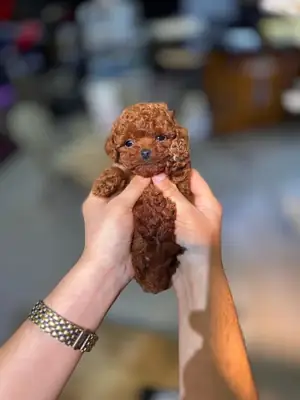
Sweet-natured Toy Poodle female raised with daily interaction

Pure white Pomeranian puppy raised inside a family home
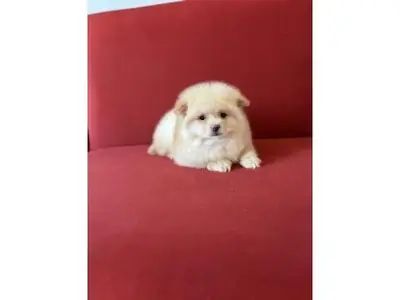
Compact Pomeranian male raised with daily human interaction
Popular Searches
Pomeranian puppies for sale Derby
Pomeranian puppies for sale in Derby attract buyers who want a tiny, fluffy companion dog with a fox-like face and a bold personality. The right listing should give more than cute photos: age, microchip proof, vaccination record, worming, flea treatment, breeder licence information where relevant, mother viewing, expected adult size, coat colour, toilet progress and early handling.
A Pomeranian puppy is small but not simple. Buyers should check confidence, noise level, grooming exposure, dental notes, knee history, breathing comfort, feeding routine and whether the puppy has been raised in a normal home environment rather than staged only for quick sale.
Pomeranian dogs for sale Derby
Pomeranian dogs for sale in Derby can include young puppies, older puppies, adults, retired breeding dogs and private rehomes. Adults deserve serious attention because their real size, coat condition, barking, toilet habits, handling tolerance and confidence are already clearer.
Ask why the dog is being sold, whether the microchip can be transferred, whether it is neutered if adult, how it behaves when left alone, how often it is brushed and whether it is nervous, snappy, noisy or genuinely settled in a home routine.
Pomeranian puppy Derby
Pomeranian puppy Derby searches often come from buyers who already know they want a small companion dog but need to compare real listings. The strongest adverts should make the puppy easy to judge without pressure: current weight, age, microchip, vet record, diet, parent size, coat type, personality and how the puppy reacts to people.
Be careful with adverts that rely only on words like tiny, teddy bear, fluffy or rare. A good Pomeranian puppy listing proves care, not just cuteness.
Pomeranian puppies near me Derby
Pomeranian puppies near me searches around Derby often include Derbyshire, Nottingham, Burton upon Trent, Ilkeston, Belper, Ripley, Long Eaton, Ashbourne, Matlock, Chesterfield and wider East Midlands areas.
Local distance helps only if it lets you view safely, check documents and meet the puppy properly. A nearby Pomeranian with vague paperwork, no mother viewing and rushed payment pressure is still a poor choice.
Pomeranian puppy price Derby
Pomeranian puppy price in Derby should be judged against evidence, not emotion. Microchip proof, vaccination record, vet check, mother viewing, breeder transparency, health notes, socialisation and clear sale terms matter more than whether the price feels cheap or premium.
A low price with weak documents can become expensive fast. A high price with vague answers is not automatically safer. Compare proof, not sales language.
Cheap Pomeranian puppies Derby
Cheap Pomeranian puppies in Derby need extra caution because the true cost can appear later through vet bills, dental work, grooming problems, weak socialisation, fragile size or missing records.
Ask why the price is low, whether the puppy is microchipped, whether vaccination records exist, whether the mother can be seen, whether the seller is licensed where required and whether the puppy looks alert, clean, active and well handled.
Licensed Pomeranian breeder Derby
A licensed Pomeranian breeder in Derby should be clear about licence status where licensing applies. Buyers should expect proper records, clean rearing conditions, mother interaction, clear puppy details and a seller who cares where the puppy is going.
If a seller avoids licence questions, refuses proper viewing, pushes delivery, demands fast payment or cannot explain the puppy’s daily care, the advert is weak. A responsible seller does not sell to the fastest stranger.
Pomeranian puppy with mother Derby
A Pomeranian puppy with mother in Derby is one of the strongest trust checks when the interaction is genuine. The puppy should be seen where it was raised, and the mother should behave naturally around the litter.
Be careful if the seller changes location, offers delivery only, gives excuses about the mother or shows a dog that does not interact naturally with the puppies. The viewing setup often tells you more than the advert text.
Microchipped Pomeranian puppies Derby
Microchipped Pomeranian puppies in Derby should come with proof and a clear keeper transfer process. A listing that only says “microchipped” without a certificate, vet record or transfer explanation is not strong enough.
Ask to see the chip paperwork, confirm the puppy matches the record and understand how your details will be updated after purchase. A tiny puppy still needs proper identification from day one.
Vaccinated Pomeranian puppy Derby
Vaccinated Pomeranian puppy Derby searches show buyers want a safer start. A strong listing should say what vaccination has been given, what is due next and whether a vet record exists.
Also ask about worming, flea treatment, appetite, stool condition, coughing, eye discharge, skin condition and whether the puppy has been socialised safely rather than kept hidden until sale.
Health checked Pomeranian puppies Derby
Health checked Pomeranian puppies in Derby should come with specific information, not vague reassurance. Buyers should ask what the vet checked, when it was done, whether any concerns were noted and whether parent health information is available.
For Pomeranians, useful questions include knees, breathing, eyes, teeth, coat, skin, thyroid history and whether there has been coughing, skipping, weakness, poor appetite or unusually fragile growth.
Registered Pomeranian puppies Derby
Registered Pomeranian puppies in Derby may appeal to buyers who want clearer pedigree background, but registration alone is not a health guarantee. It should sit alongside microchip proof, vaccination records, parent information, health checks and proper socialisation.
Ask for registration details, current videos, mother viewing, size expectation, vet notes and whether the puppy has been raised with normal household handling. Paperwork helps only when the whole listing is strong.
Ready now Pomeranian puppies Derby
Ready now Pomeranian puppies in Derby can sound convenient, but buyers must check the puppy is old enough, healthy, microchipped, eating well and genuinely prepared for a home move.
Ask exact age, vet record, vaccination timing, worming, flea treatment, diet, toilet progress, mother viewing and after-sale support. “Ready now” should never mean “pay now before you think”.
Pomeranian puppy deposit Derby
Pomeranian puppy deposit requests in Derby should be handled carefully. A deposit may be normal in some situations, but it should never replace proof that the puppy, seller, mother, documents and sale terms are genuine.
Do not pay because of urgency, rare-colour claims, tiny-size pressure or fear that someone else will take the puppy first. If proof is weak, the advert is weak.
Teacup Pomeranian for sale Derby
Teacup Pomeranian for sale Derby searches are high-risk because “teacup” is often used as a marketing word to make very tiny puppies sound more desirable. Extreme smallness can bring fragility, feeding concerns, dental problems and injury risk.
Ask current weight, expected adult size, parent size, feeding schedule, vet notes and whether the puppy is strong, active and developing normally. Do not let the word teacup override health and welfare checks.
Mini Pomeranian puppies Derby
Mini Pomeranian puppies in Derby usually means buyers are looking for a very small dog, but the seller should explain size honestly rather than using vague labels. Pomeranians are already a toy breed, so extra-small wording needs caution.
Ask for parent weights, current puppy weight, vet notes, feeding routine, energy level and whether the puppy is robust enough for normal handling. Small should not mean weak, underfed or poorly developed.
Toy Pomeranian puppies Derby
Toy Pomeranian puppies in Derby should still be judged by health, records and temperament, not just size. A tiny puppy needs careful handling, steady feeding, dental monitoring, knee checks and safe home setup.
Ask whether the puppy climbs, plays, eats well, sleeps normally, walks steadily and responds confidently to people. A puppy that looks cute but seems weak, withdrawn or shaky needs caution.
Teddy bear Pomeranian Derby
Teddy bear Pomeranian Derby searches usually focus on face shape and fluffy appearance. That look can sell fast, but it says nothing about health, breathing, teeth, knees, coat condition or how the puppy was raised.
Ask for clear videos, current weight, vet record, parent information, coat care, bite check and temperament details. A teddy-bear face is not a substitute for proper puppy evidence.
Fluffy Pomeranian puppy Derby
Fluffy Pomeranian puppy Derby searches make sense because the breed’s coat is a major part of its appeal. The buyer still needs to check whether the coat is healthy, clean and realistic to maintain.
Ask about brushing routine, shedding, skin condition, bald patches, dandruff, groomer exposure and whether anyone has clipped the coat incorrectly. Fluff is beautiful only when the skin and coat underneath are healthy.
Orange Pomeranian puppies Derby
Orange Pomeranian puppies in Derby are popular because the classic fox-like colour is easy to recognise. Colour should help you choose between strong listings, not make you accept weak evidence.
Ask for microchip proof, vaccination record, mother viewing, current videos, coat condition, eye clarity, knee notes and proper seller details before caring about the exact shade of orange.
Cream Pomeranian puppies Derby
Cream Pomeranian puppies in Derby attract buyers who want a softer, paler coat. Light coats can look gentle in photos, but they can also show tear staining, dirt and weak grooming more clearly.
Ask about eye discharge, coat health, skin, grooming exposure, parent colour, microchip record and whether the puppy is confident and lively rather than simply posed to look perfect.
White Pomeranian puppies Derby
White Pomeranian puppies for sale in Derby can look striking, but a white coat should not make the buyer ignore health and handling checks. Clean photos are easy to stage.
Ask about tear staining, skin sensitivity, coat condition, eye health, parent details, current videos, microchip proof and vaccination record. A white coat is attractive only if the puppy is genuinely healthy and well raised.
Black Pomeranian puppies Derby
Black Pomeranian puppies in Derby may stand out because the coat looks dramatic and compact. Dark coats can hide skin flakes, thinning patches or poor coat texture in weak photos.
Ask for clear recent photos in natural light, movement videos, skin and coat notes, microchip proof, vaccination record and whether the puppy is used to brushing and gentle handling.
Blue merle Pomeranian Derby
Blue merle Pomeranian Derby searches can create urgency because unusual colours feel rare. That is exactly why buyers need to slow down. Rare-looking colour is often used to justify pressure, inflated pricing or weak health information.
Ask for parent information, eye and hearing notes if relevant, microchip proof, vet record, coat condition, current videos and clear seller identity. Colour is never more important than health and transparency.
Pomeranian double coat grooming Derby
Pomeranian double coat grooming in Derby should be part of the buying decision before money changes hands. This coat needs brushing, de-shedding care and sensible trimming, not neglect until mats form.
Ask whether the puppy or adult dog accepts brushing, whether the coat has been clipped too short, whether mats are present and whether the seller can explain how the coat is maintained between grooming appointments.
Pomeranian shedding Derby
Pomeranian shedding Derby searches usually come from buyers who love the fluffy look but want to know the reality at home. Pomeranians can shed, especially during coat changes, and loose undercoat needs proper brushing.
Ask how often the dog is brushed, whether it mats behind the ears or around the tail, whether it has bald patches and whether the seller is honest about coat upkeep rather than calling it effortless.
Pomeranian barking Derby
Pomeranian barking in Derby homes can become a real issue if the dog is under-trained, anxious, bored or over-alert to visitors and outside noise. A tiny dog can still create a big noise problem.
Ask whether the puppy or adult dog barks at doorbells, hallway sounds, strangers, dogs, being left alone or being picked up. “Lively” can mean charming or exhausting depending on the truth.
Pomeranian for flat living Derby
A Pomeranian can live in a Derby flat if barking, toilet routine, safe stairs, alone time and exercise are managed properly. The dog is small, but the voice and personality may not be.
Ask whether the dog reacts to neighbours, uses pads or outdoor toileting, copes with lifts or stairs, barks when left and settles after short walks and play. Flat suitability is about routine, not just size.
Pomeranian for families Derby
Pomeranian for families in Derby should be judged carefully because the breed is tiny and can be physically fragile. A Pomeranian may suit older, gentle children better than rough play or toddlers who grab and chase.
Ask whether the puppy or dog has met children, whether it is nervous around noise, whether it snaps when picked up, whether it jumps from furniture and whether the family can handle a small dog safely.
Pomeranian with other dogs Derby
A Pomeranian with other dogs in Derby can work, but size difference matters. A Pom may be confident and bossy, yet still easy to injure around rough larger dogs.
Ask whether the puppy has met calm adult dogs, whether the adult Pom reacts on lead, whether it guards attention and whether the home can provide safe introductions without overwhelming the smaller dog.
Pomeranian with cats Derby
A Pomeranian with cats in Derby can work when introductions are calm and the cat is not likely to bully or injure a tiny dog. Some Poms chase cats; some cats chase Poms.
Ask whether the puppy has seen cats, whether the adult dog barks or chases, whether it can settle calmly and whether the home can give both animals safe escape spaces.
Pomeranian health checks Derby
Pomeranian health checks in Derby should cover more than “vet checked”. Ask about knees, breathing, teeth, eyes, coat, skin, thyroid history, weight, appetite, coughing and any signs of weakness or unusual movement.
Watch the puppy or dog walk, turn, play and breathe calmly. A tiny dog that skips, coughs, wheezes, has watery eyes or seems fragile needs proper answers before purchase.
Pomeranian luxating patella Derby
Pomeranian luxating patella checks matter because slipping kneecaps can affect walking, jumping, stairs and long-term comfort. Buyers should not ignore skipping, hopping or lifting a back leg.
Ask whether a vet has checked the knees, whether the puppy’s parents have knee history and whether the dog moves freely without limping. Small size does not remove joint risk.
Pomeranian tracheal collapse Derby
Pomeranian tracheal collapse questions should be asked if the dog coughs, honks, wheezes, struggles with collars or has breathing noise. Tiny toy breeds need careful neck handling and sensible equipment.
Ask whether the dog has ever had coughing episodes, whether a harness is used instead of neck pressure and whether a vet has mentioned airway concerns. Cute size does not make breathing issues cute.
Pomeranian dental care Derby
Pomeranian dental care matters before buying because tiny mouths can become crowded, and dental pain can hide behind normal eating. Bad breath in a small dog is not something to ignore.
Ask whether the puppy’s bite has been checked, whether baby teeth are normal, whether the adult dog has tartar or missing teeth and whether tooth brushing or dental care is already part of the routine.
Pomeranian eye problems Derby
Pomeranian eye problems should be asked about before buying because watery eyes, redness, cloudiness, rubbing or eyelid issues can affect comfort and long-term care.
Ask whether a vet has checked the eyes, whether there is discharge, whether the puppy squints and whether either parent has known eye issues. Bright eyes in a photo are not a full health history.
Pomeranian alopecia coat loss Derby
Pomeranian alopecia and coat loss questions matter because the breed’s fluffy coat can hide early skin or hair problems until they become obvious. Patchy hair, thinning, darkened skin or sudden coat change needs clear explanation.
Ask whether the dog has bald patches, itchy skin, thyroid history, previous clipping damage or vet notes about coat loss. Do not buy from photos that hide the sides, tail base or back legs.
Adult Pomeranian for sale Derby
Adult Pomeranian for sale in Derby can be a smart choice because the dog’s real size, bark level, coat condition, personality and home habits are already visible. Adults also avoid some puppy uncertainty.
Ask why the dog is being sold, whether it is neutered, whether the microchip can be transferred, whether it is house-trained, how it handles grooming and whether it can be left alone without panic or noise.
Retired Pomeranian for sale Derby
Retired Pomeranian for sale in Derby may mean an older adult, a former breeding dog or a dog whose owner can no longer keep it. This can work well, but the listing needs honesty about teeth, knees, coat, toilet habits and confidence in a normal home.
Ask whether the dog is house-trained, lead-trained, used to being handled, comfortable with grooming, up to date with vet care and able to settle as a companion rather than being moved with missing history.
Private Pomeranian seller Derby
Private Pomeranian seller Derby searches can lead to genuine dogs, but the buyer needs to ask harder questions because not every private advert is clear, lawful where licensing applies or honest about behaviour and health.
Ask why the dog is being sold, how long the seller has had it, whether records exist, whether the microchip can be transferred, whether the dog has any barking, grooming, toilet or health issues and whether viewing can happen safely before payment.
Pomeranian puppy scam Derby
Pomeranian puppy scams in Derby can use stolen photos, tiny-size claims, rare-colour pressure, delivery-only offers, urgent deposits, fake vaccination records and excuses for why the puppy or mother cannot be viewed.
Ask for current videos, microchip proof, vaccination records, seller identity, viewing arrangements, mother interaction and consistent answers. A beautiful puppy advert with weak evidence is a trap.
Derby Derbyshire Pomeranian puppies
Derby, Nottingham, Burton upon Trent, Ilkeston, Belper, Ripley, Long Eaton, Ashbourne, Matlock, Chesterfield and wider Derbyshire are realistic local search areas for buyers comparing Pomeranian puppies without travelling blindly across the country.
Use that reach properly: arrange safe viewing, check documents, observe movement and breathing, compare seller transparency and choose the listing with the strongest welfare evidence, not just the nearest fluffy puppy.
Frequently Asked Questions
What should I check before buying a Pomeranian in Derby?
Check the dog’s age, expected adult size, microchip proof, vaccination record, worming and flea treatment, vet check, seller details, mother viewing where relevant, temperament, coat condition and health history.
For Pomeranians, also ask about knees, breathing, teeth, eyes, skin, coat loss, barking, toilet routine and whether the puppy or adult dog is suitable for your home.
Should a Pomeranian puppy be microchipped before sale?
Yes, a Pomeranian puppy should be microchipped before sale, and the buyer should receive clear proof and transfer information.
Ask for the microchip certificate or vet record before committing to the puppy.
Should I see a Pomeranian puppy with its mother?
Yes, where relevant you should expect to see the puppy interacting naturally with its mother in the place it was raised.
Be cautious if the seller avoids home viewing, changes location, offers delivery only or gives vague excuses about why the mother cannot be seen.
Does a Pomeranian breeder in Derby need a licence?
A seller may need a dog breeding licence if they breed three or more litters in a twelve-month period and sell puppies, or if they breed dogs and advertise as a business.
Ask the seller directly whether a licence applies and request clear licence information where relevant.
What documents should come with a Pomeranian puppy?
Useful documents include microchip proof, vaccination record, worming and flea treatment record, vet check notes, seller details, sale terms and registration papers if the puppy is registered.
Do not rely on verbal promises when proper paperwork should exist.
Are registered Pomeranian puppies automatically safer?
Registration can provide pedigree information, but it is not a complete health guarantee.
You should still check seller transparency, mother viewing, microchip proof, vaccination record, health checks, temperament, movement and socialisation.
How old should a Pomeranian puppy be before collection?
A puppy should not be collected too young. Ask the exact age and make sure the puppy is eating well, microchipped, healthy and ready for a safe move.
Be careful with rushed “ready now” listings that avoid proper viewing, documents or mother interaction.
Are teacup Pomeranians real?
“Teacup” is usually a marketing word used for very small Pomeranians, not a separate breed.
Ask current weight, expected adult size, parent size, vet notes and whether the puppy is strong, active, eating well and developing normally.
Are mini Pomeranians different from normal Pomeranians?
“Mini” is often used loosely in adverts because Pomeranians are already a toy breed.
Do not buy based on the label alone. Ask about parent size, puppy weight, vet checks, feeding routine and overall strength.
Are Pomeranians good for first-time owners?
Pomeranians can suit first-time owners who understand small-dog handling, grooming, barking, toilet training and dental care.
They are tiny but confident dogs, so they still need training, boundaries and safe socialisation.
Are Pomeranians good family dogs?
Pomeranians can be good family dogs in gentle homes, especially where children understand careful handling.
Because they are small and fragile, they may not suit rough play, grabbing, chasing or homes where a tiny dog could be stepped on or dropped.
Can Pomeranians live in a flat?
Yes, a Pomeranian can live in a flat if barking, toilet routine, safe stairs, exercise and time alone are managed properly.
Ask whether the puppy or dog reacts to hallway noise, barks when left and settles after short walks and play.
Do Pomeranians bark a lot?
Some Pomeranians can be vocal, especially when alert, anxious, bored, excited or left alone.
Ask what triggers barking, how long it lasts and whether the dog has already learned calm routines around visitors, doorbells and outside noise.
Do Pomeranians need a lot of grooming?
Yes, Pomeranians need regular brushing because they have a thick double coat that can shed and tangle.
Ask whether the puppy or dog accepts brushing, whether mats are present and whether the seller can explain the coat routine clearly.
Should a Pomeranian be clipped short?
Be cautious with very short clipping because a Pomeranian’s double coat needs sensible care, not harsh cutting for convenience.
Ask whether the coat has been clipped before, whether regrowth was normal and whether any bald patches or skin changes appeared afterwards.
Do Pomeranians shed?
Yes, Pomeranians can shed, especially during coat changes.
Regular brushing helps manage loose undercoat and prevents tangles behind the ears, around the tail and under the legs.
Can Pomeranians live with other dogs?
Pomeranians can live with other dogs, but size difference and play style matter.
Ask whether the puppy has met calm dogs, whether the adult dog reacts on lead and whether larger dogs in the home can be managed safely around a tiny dog.
Can Pomeranians live with cats?
Some Pomeranians can live with cats if introductions are calm and both animals have safe spaces.
Ask whether the puppy has seen cats, whether the adult dog chases or barks and whether the cat is gentle enough around a small dog.
What health problems should I ask about in Pomeranians?
Ask about luxating patellas, tracheal collapse, dental problems, eye issues, hypothyroidism, Cushing’s, skin or coat loss, weight and any medication.
A Pomeranian does not need a perfect history to be suitable, but the seller should answer clearly and honestly.
Why should I ask about Pomeranian knees?
Pomeranians can be prone to slipping kneecaps, which may cause skipping, hopping, limping or reluctance to jump.
Ask whether a vet has checked the knees and watch recent videos of the puppy or dog walking, turning and playing.
Why should I ask about Pomeranian breathing?
Pomeranians can have airway problems such as tracheal collapse, which may show as coughing, honking, wheezing or sensitivity to neck pressure.
Ask whether the dog coughs, whether a harness is used and whether a vet has ever mentioned airway concerns.
Why should I ask about Pomeranian teeth?
Tiny mouths can be prone to dental crowding, retained teeth, tartar and gum problems.
Ask whether the bite has been checked, whether the adult dog has needed dental work and whether tooth care is already part of the routine.
Why should I ask about Pomeranian eyes?
Pomeranians can have eye concerns such as cataracts, eyelid issues, redness, discharge or rubbing.
Ask whether a vet has checked the eyes and whether the puppy or dog has clear, comfortable eyes in current photos and videos.
Should I ask about coat loss in Pomeranians?
Yes. Patchy hair, thinning, darkened skin or sudden coat change should be explained clearly.
Ask whether a vet has checked the coat, whether thyroid issues were discussed and whether the coat has been clipped too short before.
Should I pay a deposit for a Pomeranian puppy?
Only consider a deposit after you have enough proof that the puppy, seller, mother, documents and sale terms are genuine.
Avoid paying because of pressure, rare-colour claims, tiny-size wording or fear that someone else will take the puppy first.
How do I avoid Pomeranian puppy scams in Derby?
Watch for stolen photos, delivery-only offers, urgent deposits, no mother viewing, missing microchip proof, vague seller details, rare-colour pressure and inconsistent answers.
Ask for current videos, proper documents, safe viewing arrangements, clear seller identity and proof that the puppy is being raised responsibly.
What should I prepare before bringing a Pomeranian puppy home?
Prepare a safe sleeping area, small harness, lead, ID tag, bowls, familiar food, grooming brush, puppy-safe toys, toilet-training plan, vet registration and safe steps or ramps if needed.
Because Pomeranians are tiny and lively, protect them from falls, rough handling, large dogs, open stairs and long periods alone during the first weeks.