Edinburgh Chinese Hamster Adoption
There's 1 Chinese Hamster listing live right now, last updated 9 Apr 2026. Find Chinese Hamster adop... There's 1 Chinese Hamster listing live right now, last updated 9 Apr 2026. Find Chinese Hamster adoption listings in Edinburgh and compare small, active, nocturnal rodents looking for calm, well-prepa... There's 1 Chinese Hamster listing live right now, last updated 9 Apr 2026. Find Chinese Hamster adoption listings in Edinburgh and compare small, active, nocturnal rodents looking for calm, well-prepared homes across the city and wider Lothian area. On Petopic, you can review Chinese hamster profiles by age, sex, health, handling confidence, previous home routine, enclosure size, bedding depth, wheel setup, diet, temperament, child suitability and adoption conditions before choosing a hamster that genuinely fits your home, schedule and care ability.
Haven't found the pet you're looking for? Let people who want to find a new home for their pet reach out to you.
Create your free pet adoption request listing now and be seen by thousands of pet owners.
Quick Information
Other listings in your area
Turkish Hamster for Adoption | Rare Local Species

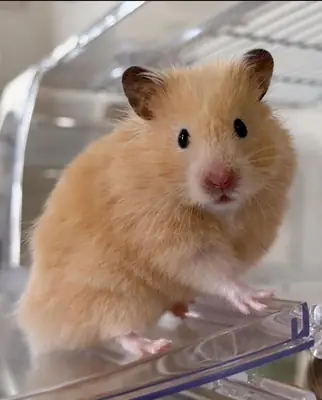
Chinese Hamster for Adoption | Calm and Easy to Care
Popular Searches
Chinese Hamster for adoption in Edinburgh
Looking for a Chinese Hamster for adoption in Edinburgh usually means wanting a small, quiet, interesting pet that can fit into a flat or family home without taking over the whole house. That sounds simple, but it is exactly where people make bad decisions. A Chinese hamster is still an active nocturnal rodent with specific housing, handling, bedding, feeding and enrichment needs.
On Petopic, Edinburgh Chinese Hamster adoption listings should be checked for age, sex, health, handling confidence, previous living setup, enclosure size, wheel type, bedding depth, diet and whether the hamster is used to human contact. A strong listing does not just say “small hamster available”; it explains how that hamster actually lives and what kind of home can keep it well.
Adopt a Chinese Hamster in Edinburgh
Adopting a Chinese Hamster in Edinburgh should be based on care readiness, not on the idea that a small animal is automatically easy. This hamster needs a secure enclosure, deep bedding for digging, a suitable wheel, hiding places, chew items, a calm room and careful handling. Cheap equipment and a tiny cage will ruin the adoption before it starts.
Before applying, ask whether the hamster is active in the evening, whether it has been handled regularly, whether it bites when nervous, what food it currently eats and what bedding it is used to. The right adoption is not the nearest hamster; it is the hamster whose needs match the setup you can actually provide.
Chinese Hamster rescue near Edinburgh
Chinese Hamster rescue near Edinburgh may also appear under hamster rescue, small animal adoption, rodent rehoming, dwarf hamster adoption or small pet rescue. Because Chinese hamsters are less commonly searched than Syrian or dwarf hamsters, good profiles need to be extra clear about the exact species and care needs.
Searches around Edinburgh, Leith, Morningside, Stockbridge, Portobello, Corstorphine, Musselburgh, Dalkeith and the wider Lothian area can help when the right hamster is not in the immediate city centre. Location helps, but suitability matters more. A nearby hamster with poor housing history or unclear health details is not automatically the right choice.
Chinese Hamster or dwarf hamster adoption
Many people confuse Chinese hamsters with dwarf hamsters because they are small, but care decisions should not be made from vague labels. A Chinese hamster has its own body shape, behaviour and housing considerations, and the listing should not blur the species just to attract more enquiries.
A useful adoption profile should state clearly whether the animal is a Chinese hamster, Syrian hamster, Roborovski hamster, Russian dwarf hamster or another species. Species matters for housing, handling, wheel choice and whether the animal should live alone. If the listing cannot identify the hamster properly, that is a weak listing.
Chinese Hamster in good home Edinburgh
A Chinese Hamster looking for a good home in Edinburgh needs more than someone who thinks it is cute. A good home means a large enclosure, safe bedding, a properly sized wheel, hides, chew toys, scatter feeding, calm handling and respect for the hamster’s sleep cycle.
The listing should explain why the hamster is being rehomed, whether the current enclosure is included, what routine it has, whether it is tame, whether it has shown stress behaviour and what kind of adopter is expected. “Good home wanted” is meaningless unless the care standard is clear.
Baby Chinese Hamster adoption Edinburgh
A baby Chinese Hamster may look like the easiest option, but young hamsters can be fast, fragile and nervous if handled badly. They need a calm start, correct diet, safe bedding, a secure enclosure and gentle, patient handling sessions after they have settled.
A proper baby hamster listing should state age, sex if known, health condition, feeding routine, handling level, bedding type, whether the hamster has been housed alone and whether it has shown biting or skittish behaviour. A tiny hamster should never be treated as a low-effort starter pet for a child.
Adult Chinese Hamster for adoption
An adult Chinese Hamster can be a better adoption choice than a baby because its temperament is easier to read. You can ask whether it is confident, nervous, hand-friendly, fast, nippy, food-motivated, active early in the evening or mostly awake late at night.
A good adult listing should explain the hamster’s age, previous setup, health, diet, handling history, cleaning routine and reason for rehoming. Adult adoption is not second best. For a small nocturnal pet, known behaviour is often more useful than a very young animal with unknown habits.
Single Chinese Hamster adoption
Chinese hamsters should be treated as solitary pets. Keeping them together is not a shortcut to giving them company; it can create stress, fighting and injury. A Chinese hamster does not need another hamster to feel loved by the owner.
A strong adoption listing should make clear whether the hamster has always lived alone and whether it has ever been housed with another hamster. If someone is offering a pair of Chinese hamsters without clear separation advice, that profile needs serious questioning. Separate, safe housing is not optional here.
Chinese Hamster cage setup Edinburgh
The cage setup is where many hamster adoptions fail. A Chinese hamster needs far more than a small plastic starter cage. The enclosure should allow running, digging, nesting, hiding, chewing, foraging and using a wheel without bending its back.
Before adopting, ask what enclosure the hamster currently uses, how deep the bedding is, what wheel size is provided, whether there are tunnels and hides, and whether the hamster bar-chews, climbs excessively or tries to escape. Bad housing creates stress; it is not a minor detail.
Chinese Hamster bedding depth and burrowing
Chinese hamsters need bedding that lets them dig, hide and build secure sleeping areas. A thin layer of bedding is not enough. Without proper depth and safe material, the hamster loses one of its most important natural behaviours.
A useful listing should mention the bedding type, whether the hamster burrows, where it sleeps, whether it stores food and whether it has a stable nest. Bedding is not decoration. It is part of the hamster’s comfort, stress control and daily life.
Chinese Hamster wheel and enrichment
A Chinese hamster needs a safe wheel, but the wheel must be suitable. Too small, unstable or poorly surfaced wheels can cause discomfort and bad posture. The hamster should be able to run naturally, not curve its body into a cramped toy.
Enrichment also matters: hides, tunnels, chew items, scatter feeding, safe textures and changing foraging opportunities keep the hamster busy. A listing that only says “comes with cage and wheel” is too thin unless it explains whether the setup is actually suitable.
Nocturnal Chinese Hamster care
Chinese hamsters are active mostly in the evening and at night, so they are a poor fit for someone who wants daytime interaction on demand. Waking a sleeping hamster repeatedly is stressful and can make handling worse.
Before adoption, ask when the hamster usually wakes, whether it tolerates gentle evening handling, whether it is noisy on the wheel and whether the enclosure will be kept away from bedrooms if night activity bothers the household. The hamster’s schedule must be respected, not forced into yours.
Chinese Hamster for children
A Chinese Hamster can be interesting for older children, but it is not a rough-handling pet. It is small, quick and fragile. Young children may drop it, squeeze it, wake it during the day or become bored when it is not active at convenient times.
A good listing should say whether the hamster is used to handling, whether it bites when startled, whether it is very fast and whether it needs an adult-only or older-child home. Children can help with care only when adults take responsibility for safety, cleaning and routine.
Chinese Hamster health checks before adoption
Health checks before adopting a Chinese Hamster should include eyes, nose, breathing, teeth, coat, skin, weight, movement, appetite, droppings, drinking and any history of wet tail, mites, injuries or overgrown teeth. Small animals can hide illness, so vague answers are not good enough.
A responsible listing should explain whether the hamster has seen a vet, whether it has ever lost weight, whether it eats normally and whether there are behaviour changes such as lethargy, circling, scratching, biting or constant hiding. “Healthy hamster” with no detail is weak information.
Chinese Hamster diet and feeding
A Chinese Hamster needs a balanced hamster diet, clean water and careful treat control. Overfeeding sweet foods or random human snacks is poor care. The current diet should be known before adoption so the transition can be gradual and safe.
A good listing should mention the hamster’s main food, favourite safe treats, whether it hoards food, whether it drinks normally and whether it has any digestive problems. Feeding is not just filling a bowl. It is part of health, behaviour and enrichment.
Chinese Hamster rehoming in Edinburgh
Chinese Hamster rehoming in Edinburgh should be written with complete honesty. If the hamster is nervous, bites when picked up, wakes very late, needs a larger enclosure, has health concerns or has been kept in a poor setup, that should be clear in the listing.
A strong rehoming profile gives fewer but better enquiries. It should explain the reason for rehoming, current enclosure, diet, bedding, wheel, handling level, health, sex and ideal home. Hiding difficult details may move the hamster faster, but it increases the chance of another failed placement.
Frequently Asked Questions
How can I adopt a Chinese Hamster in Edinburgh?
To adopt a Chinese Hamster in Edinburgh, review listings that clearly explain the hamster’s age, sex, health, handling level, diet, enclosure size, bedding depth, wheel setup and reason for rehoming. A small animal still needs a serious care plan.
Before arranging adoption, ask whether the hamster lives alone, whether it is used to handling, whether it has ever bitten, when it usually wakes and whether the current enclosure is suitable. Do not adopt just because the hamster is nearby or looks cute.
Can Chinese Hamsters live together?
No. Chinese hamsters should be kept alone. Housing them together can lead to stress, fighting and injury, even if they seem calm at first.
Before adoption, confirm that the hamster will have its own enclosure and will not be placed with another hamster. A Chinese hamster does not need a cage mate to be well cared for.
Is a Chinese Hamster good for beginners?
A Chinese Hamster can suit a beginner who is ready to research proper care, provide a large enclosure and handle the animal gently. It is not a good choice for someone who wants a cheap, low-effort pet in a small cage.
Beginners should choose a hamster with clear health information, known behaviour and a realistic description of handling. A nervous or very fast hamster may still be manageable, but only with patience and adult supervision.
What cage does a Chinese Hamster need?
A Chinese Hamster needs a spacious, secure enclosure with enough floor area for running, digging, hiding and foraging. Tiny starter cages are not suitable for proper long-term welfare.
The enclosure should include deep safe bedding, a suitable wheel, hides, chew items, food and water, and enrichment that lets the hamster behave naturally. Bigger and better-prepared housing is always the stronger choice.
How much bedding does a Chinese Hamster need?
A Chinese Hamster needs deep bedding so it can dig, tunnel and build a secure nest. A thin layer on the cage floor is not enough for natural behaviour.
Use safe bedding and avoid dusty or unsuitable materials. Before adoption, ask what bedding the hamster currently uses and whether it burrows, nests and stores food normally.
Are Chinese Hamsters nocturnal?
Chinese hamsters are mostly active in the evening and at night. They should not be repeatedly woken during the day for handling, because that can cause stress and defensive biting.
Before adoption, ask when the hamster usually wakes and whether night activity will disturb the household. The enclosure should be placed somewhere calm, away from constant daytime disturbance.
Can children care for a Chinese Hamster?
Children can help care for a Chinese Hamster, but adults must take responsibility. Chinese hamsters are small, quick and fragile, so rough handling or dropping can seriously injure them.
This pet is better suited to older children who can be patient and gentle. Younger children should not handle the hamster without close adult supervision.
Do Chinese Hamsters bite?
A Chinese Hamster may bite if scared, woken suddenly, handled roughly or not used to people. Biting is usually a stress or defence response, not proof that the hamster is “bad”.
Before adoption, ask whether the hamster has bitten before, what triggered it and how it responds to slow handling. Let the hamster settle first, then build trust gradually.
What should a Chinese Hamster eat?
A Chinese Hamster should have a balanced hamster diet, fresh water and carefully controlled safe treats. Sudden diet changes and random human foods should be avoided.
Before adoption, ask what the hamster currently eats, whether it hoards food, whether it drinks normally and whether it has had any digestive issues. Any food transition should be gradual.
What health checks should I ask about before adopting a Chinese Hamster?
Ask about the hamster’s eyes, nose, breathing, teeth, coat, skin, weight, appetite, drinking, droppings, movement and any previous illness or injury. Small animals can decline quickly, so vague health answers are not enough.
Also ask whether the hamster has ever had mites, wet tail symptoms, overgrown teeth, weight loss or repeated stress behaviour. If the listing only says “healthy” with no detail, ask more before committing.
How often should a Chinese Hamster enclosure be cleaned?
Spot cleaning should be done regularly by removing soiled bedding, old food and obvious waste. Full cleans should not be done too aggressively, because removing all familiar scent at once can stress the hamster.
Clean when the hamster is awake, not while it is sleeping in the middle of the day. Keep some clean familiar nesting material where appropriate so the enclosure still smells safe.
What should I prepare before bringing home a Chinese Hamster?
Prepare a spacious secure enclosure, deep bedding, suitable wheel, hides, chew items, food, water bottle or bowl, sand area if appropriate, safe enrichment and a quiet place away from draughts, damp, direct sun and constant disturbance.
Set up the enclosure before collection. The first days should be calm, with minimal handling while the hamster explores, nests and learns the new environment.
Can a Chinese Hamster live in a bedroom?
A Chinese Hamster can physically live in a bedroom, but it may not be practical because hamsters are active at night. Wheel running, digging and chewing can disturb sleep.
If the household is sensitive to night noise, place the enclosure in a calm room where the hamster can be active without being constantly disturbed. Do not move the cage around every night as a shortcut.
What questions should I ask before adopting a Chinese Hamster in Edinburgh?
Ask the hamster’s age, sex, reason for rehoming, health history, current diet, enclosure size, bedding depth, wheel setup, handling level, wake time and whether it has ever bitten or shown stress behaviour.
Also ask whether the hamster has always lived alone, whether any equipment is included and what kind of home is expected. If the answers are vague, slow down. Missing details become daily care problems after adoption.