Edinburgh Persian Cat Adoption
There's 1 Persian listing live right now, last updated 28 Apr 2026. Browse Persian cat adoption list... There's 1 Persian listing live right now, last updated 28 Apr 2026. Browse Persian cat adoption listings in Edinburgh and compare calm, long-haired, indoor-friendly cats that need a patient home ready... There's 1 Persian listing live right now, last updated 28 Apr 2026. Browse Persian cat adoption listings in Edinburgh and compare calm, long-haired, indoor-friendly cats that need a patient home ready for daily grooming, eye care and regular veterinary checks. On Petopic, you can review Persian cats and Persian-type cats across Edinburgh, Leith, Stockbridge, Morningside, New Town, Old Town, Corstorphine, Portobello, Musselburgh, Dalkeith and nearby areas by age, health history, microchip status, vaccinations, neutering, coat condition, matting risk, face and eye care needs, breathing comfort, litter habits, temperament, experience with children, cats or dogs, ability to stay alone, previous home routine and adoption conditions before choosing a cat that genuinely fits your home, time and care budget.
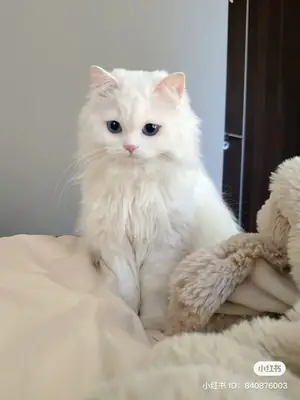
Haven't found the pet you're looking for? Let people who want to find a new home for their pet reach out to you.
Create your free pet adoption request listing now and be seen by thousands of pet owners.
Other listings in your area
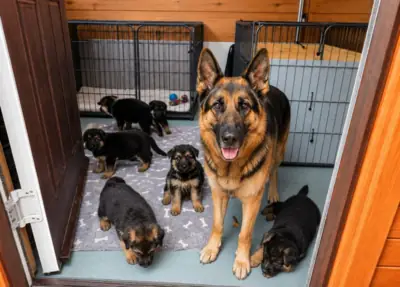
German Shepherd Puppies From Outstanding Parents
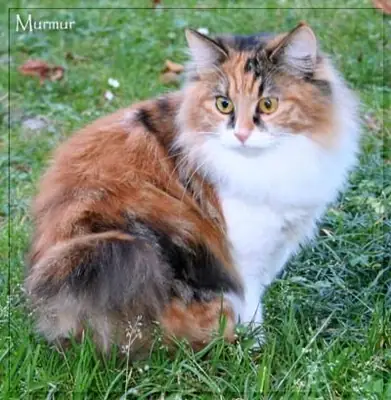
Kurilian Bobtail Adoption | Active and Intelligent Cat
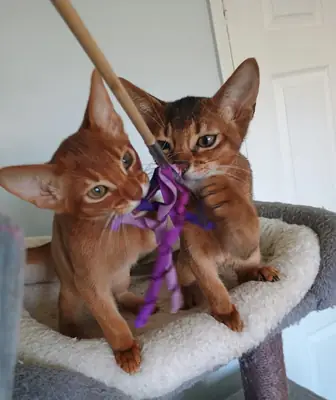
Pegasus and Phoenix are two stunning Abyssinian brothers
German Rex for Adoption | Intelligent and Playful Cat
Beautiful Pure Siberian Kittens - Hypoallergenic
Havana Brown Cat Adoption | Elegant and Loyal Breed
Popular Searches
Persian cat adoption in Edinburgh
Persian cat adoption in Edinburgh usually attracts people looking for a gentle, beautiful, long-haired indoor cat. That intent is strong, but choosing a Persian only because of the coat and face is a weak decision. This is a cat that needs steady grooming, a calm home, careful eye and face cleaning, weight control and a realistic veterinary budget.
On Petopic, Persian cat listings should be checked for age, health history, microchip details, vaccinations, neutering, coat condition, matting, eye discharge, breathing comfort, litter habits, temperament and previous home routine. A strong listing does not simply say “lovely Persian”; it explains whether this specific cat can live well in an Edinburgh home.
Adopt a Persian cat in Edinburgh
To adopt a Persian cat in Edinburgh, look beyond the soft coat and round face. Persians can be affectionate and calm, but they are not low-effort cats. They often need a quiet routine, daily coat attention, clean eyes, a safe indoor space and owners who notice small changes in breathing, appetite, skin and behaviour.
Before applying, ask whether the cat has lived indoors, how it handles brushing, whether it has tear staining, whether it tolerates nail trimming, how it reacts to visitors and whether it has lived with children or other pets. The right match is not the prettiest photo; it is the cat whose needs you can actually meet every day.
Persian cat rescue Edinburgh
People searching for Persian cat rescue in Edinburgh often want to give a second chance to a cat that needs a new home. That is good, but rescue adoption should still be practical. A Persian may arrive with neglected coat, dental issues, eye staining, stress, fear of handling or medical history that needs follow-up.
A proper adoption profile should explain why the cat is being rehomed, what grooming has been done, whether the coat has mats, whether the cat has breathing or eye concerns, and what kind of home is safest. Sympathy opens the listing; the final decision needs calm judgement.
Persian cat rehoming in Scotland
Persian cat rehoming in Scotland may include Edinburgh, Glasgow, Fife, the Lothians and nearby towns. Expanding the area can help because Persian adoption listings are not always available locally, but distance should not make you lower your standards.
A cat farther away with clear health records, honest coat information and a well-described temperament is better than a nearby listing with vague promises. Rehoming should include safe transport, a quiet first room, familiar food, gradual settling and a follow-up vet plan.
Long-haired cat adoption Edinburgh
Long-haired cat adoption in Edinburgh often overlaps with Persian searches. The real issue is not just coat length; it is whether the adopter can maintain the coat without letting it mat. Long fur can hide skin irritation, fleas, weight loss, dandruff and painful knots if nobody checks it properly.
Ask if the cat accepts brushing, where mats usually form, when it was last groomed, whether the belly and armpits are clear, and whether professional grooming has ever been needed. A long-haired cat is not “easy because it stays indoors”. Indoor cats still need serious coat care.
Adult Persian cat adoption
Adult Persian cat adoption can be a stronger choice than taking a kitten because the cat’s temperament, grooming tolerance, litter habits, breathing comfort, eye care needs and home behaviour are already easier to judge.
A good adult Persian listing should explain whether the cat is neutered, vaccinated, microchipped, used to indoor life, comfortable with brushing, sensitive to noise, friendly with children and able to stay alone. Adult does not mean less desirable; it often means less guesswork.
Persian kitten adoption Edinburgh
Persian kitten adoption in Edinburgh attracts fast interest, but a kitten listing must be handled carefully. A Persian kitten needs the right age, early vet checks, parasite treatment, vaccination planning, litter training, gentle handling and early grooming introduction.
If a kitten is too young, has no health information, no clear background or is being rushed into a new home, do not treat that as a rare opportunity. A Persian kitten will grow into a high-maintenance long-haired cat. Cute photos do not remove the daily workload.
Persian cat grooming needs
Persian cat grooming needs are not optional. The coat can mat quickly if it is not brushed and checked. Mats can pull the skin, trap dirt, hide irritation and make the cat dislike handling even more.
Before adopting, ask how often the cat is brushed, which tools are used, whether it has mats, whether it has ever needed shaving, and how it reacts to grooming around the belly, legs and tail. If you cannot commit to regular grooming, a Persian is the wrong cat, however beautiful it looks.
Persian cat eye and face care
Eye and face care matters a lot with Persian cats. Some Persians have tear staining, facial folds, eye discharge or irritation that needs regular cleaning and observation. Ignoring the face because the cat looks calm is careless.
Ask whether the cat needs daily wiping, whether the eyes water often, whether there has been redness, squinting, infection, blocked tear ducts or vet treatment. A good listing should not hide face-care needs. It should make them clear before the cat changes home.
Flat-faced Persian cat adoption
Flat-faced Persian cat adoption needs extra caution. A very flat face can be linked with breathing, eye, dental and facial-cleaning difficulties. The flatter the face, the more important it is to ask practical health questions before adopting.
Ask if the cat snores heavily, breathes noisily, struggles after play, has frequent eye discharge, has dental problems or avoids grooming its own face. Do not let a cute facial expression distract you from welfare. Extreme features can create real daily problems.
Indoor Persian cat Edinburgh
An indoor Persian cat can do well in Edinburgh if the home is calm, safe and predictable. Persians often suit indoor life, but indoor does not mean inactive or ignored. They still need play, grooming, clean litter, stable feeding and comfortable resting spots.
For Edinburgh flats, check windows, balconies, stairwells, shared entrances and noise. Ask whether the cat tries to escape, hides from visitors, reacts to building noise or needs a quiet room. A safe indoor home is planned; it is not just a closed door.
Persian cat for flat living
A Persian cat can be suitable for flat living, especially if it prefers a calm routine. But a flat must still offer scratching posts, soft resting areas, clean litter, safe windows, play sessions and quiet space away from constant disturbance.
Ask if the cat has lived in a flat before, whether it is bothered by neighbours, doors, lifts, traffic noise or visitors. If the cat is nervous, a busy shared building may need a slower settling plan. Flat living works when the cat’s temperament matches the environment.
Persian cat with children
A Persian cat may live with children, but this depends heavily on the cat and the child. Persians are often calmer cats, and that calmness should not be mistaken for permission to handle them roughly.
Ask whether the cat has lived with children, what ages it tolerates, whether it hides from noise, whether it accepts brushing from adults only and whether it scratches or bites when overwhelmed. Children must be taught not to pull fur, chase, squeeze or disturb the cat while sleeping.
Persian cat with other cats
A Persian cat can live with other cats, but the match depends on personality, age, confidence, territory and introduction method. Some Persians prefer a quiet single-cat home; others accept calm feline companions.
Ask whether the cat has shared space with other cats, whether it guards food, hides, hisses, sprays or becomes stressed. A new cat should be introduced through scent exchange, separate rooms and slow meetings. Throwing cats together and hoping for the best is a bad plan.
Persian cat with dogs
A Persian cat may live with a calm, cat-safe dog, but it should not be placed with a dog that chases, barks, jumps or invades space. A long-haired, slower, indoor Persian may not cope well with chaotic dog energy.
Ask if the cat has lived with dogs, how it reacts to barking, whether it hides or stands its ground, and whether it has safe escape spaces. Dog introductions must be controlled. The cat’s safety matters more than testing whether “they might get used to it”.
Persian cat health problems to ask about
Persian cat health questions should be direct. Ask about breathing, eye discharge, dental health, skin condition, coat matting, weight, appetite, litter habits, kidney history, previous vet checks and any long-term medication.
A listing that says “healthy” without details is thin. A serious adoption profile should explain what has been checked, what needs monitoring and what the new owner must continue. Persian cats can be wonderful companions, but hidden health issues become expensive and stressful fast.
Persian cat litter habits
Litter habits are a serious adoption filter for Persian cats. Long fur around the back legs and tail can trap litter or waste if grooming is poor, and stress after rehoming can cause accidents.
Ask what litter the cat uses, how many trays it had, whether it has ever toileted outside the tray, whether the coat needs trimming around the rear, and whether any urinary issues have been recorded. Clean litter routines make settling far easier.
Persian cat in Leith and Portobello
Persian cat listings in Leith and Portobello may suit people looking for an indoor companion in a flat or coastal neighbourhood. The local area is less important than whether the home is safe, quiet and prepared for grooming.
Ask how the cat handles building noise, shared stairwells, visitors, windows and transport. If the cat is nervous, a busy flat entrance or noisy household can make settling harder. Location helps you meet the cat; care quality decides whether adoption works.
Persian cat in Morningside and Stockbridge
Persian cat adoption around Morningside and Stockbridge often appeals to people who want a calm indoor cat for a quieter home. That can be a good match if the adopter has time for coat care and a stable routine.
Before adopting, confirm whether the Persian is confident with visitors, accepts brushing, uses the litter tray reliably and tolerates being alone. A peaceful neighbourhood does not replace daily care. The cat still needs consistent grooming, health monitoring and emotional security.
Persian cat near Musselburgh and Dalkeith
Persian cat listings near Musselburgh and Dalkeith can be worth checking if Edinburgh results are limited. But do not let rarity push you into a weak adoption decision. A Persian with unclear health history, matted coat and vague behaviour notes is not a safe choice just because it is nearby.
For a short journey home, use a secure carrier, keep the cat warm and quiet, and set up one calm room before arrival. Do not bathe, groom heavily or introduce the cat to everyone on day one. Settling is part of adoption, not an afterthought.
Frequently Asked Questions
How do I adopt a Persian cat in Edinburgh?
To adopt a Persian cat in Edinburgh, review listings for age, health history, microchip details, vaccinations, neutering, grooming needs, eye care, litter habits, temperament and previous home routine.
Before applying, ask how the cat handles brushing, face cleaning, being left alone, children, other cats, dogs, flat living and vet visits. Do not choose a Persian only because it looks beautiful in photos.
Are Persian cats good for indoor homes?
Persian cats can be well suited to indoor homes when the environment is calm, safe and predictable. They still need play, clean litter, regular grooming, comfortable resting areas and health monitoring.
For Edinburgh flats, check windows, balconies, stairwells and shared entrances. Indoor does not mean low responsibility; it means the home must be safe and properly managed.
Do Persian cats need daily grooming?
Persian cats usually need very regular grooming because their long coat can mat and tangle. Daily brushing is often the safest routine for keeping the coat comfortable and clean.
Before adopting, ask whether the cat accepts brushing, whether it has mats, which areas tangle most and whether professional grooming has been needed before. Ignoring the coat can cause pain and skin problems.
Why is eye and face cleaning important for Persian cats?
Many Persian cats need regular eye and face cleaning because tear staining, facial folds and eye discharge can build up. This is especially important in flatter-faced cats.
Ask whether the cat needs daily wiping, whether the eyes become red or sore, and whether a vet has treated any eye or tear-duct issues. Face care should be part of the adoption plan.
Are flat-faced Persian cats harder to care for?
Flat-faced Persian cats can need extra care because some may have breathing, eye, dental or facial-cleaning difficulties. The more extreme the face shape, the more carefully health should be checked.
Before adopting, ask about noisy breathing, snoring, eye discharge, dental issues, feeding comfort and previous vet advice. A cute face should never hide welfare concerns.
Can a Persian cat live in a flat?
Yes, a Persian cat can live in a flat if the home has safe windows, clean litter, scratching areas, calm resting spots, daily grooming and gentle interaction.
Ask whether the cat has lived in a flat before, whether it is stressed by neighbours or door noise, and whether it tries to escape through doors or windows. Flat living needs safety and routine.
Are Persian cats good with children?
Some Persian cats can live with respectful children, but it depends on the cat’s confidence, handling tolerance and previous experience. Calm cats should not be treated like toys.
Ask whether the cat has lived with children, what ages it accepts, whether it hides from noise and whether it scratches or bites when overwhelmed. Adults must supervise all handling.
Can Persian cats live with other cats?
Persian cats can live with other cats when personalities match and introductions are slow. Some Persians prefer a calm single-cat home, while others accept gentle companions.
Ask whether the cat has shared space with cats before, whether it guards food, hides, sprays, hisses or becomes stressed. Introductions should begin with separate rooms and scent exchange.
Can Persian cats live with dogs?
A Persian cat may live with a calm dog that is used to cats, but it should not be placed with a dog that chases, barks, jumps or corners cats.
Ask whether the Persian has lived with dogs, how it reacts to barking and whether it has safe escape spaces. Introductions must be controlled and slow.
Is an adult Persian cat easier than a kitten?
An adult Persian cat can be easier to assess because its temperament, grooming tolerance, health history, litter habits and home behaviour are already clearer.
A kitten may adapt well, but it needs more training, socialisation, veterinary planning and patience. If you want less uncertainty, a well-described adult Persian may be the stronger choice.
What should I check before adopting a Persian kitten?
Before adopting a Persian kitten, check age, weaning, vet checks, parasite treatment, vaccination plan, litter training, diet, socialisation and early grooming habits.
Do not take a kitten that is too young, has unclear health information or is being rushed into a new home. A Persian kitten grows into a cat with serious grooming and care needs.
What health questions should I ask about a Persian cat?
Ask about breathing, eye discharge, dental health, skin condition, coat matting, weight, appetite, litter habits, kidney history, previous vet checks and any long-term medication.
Also ask whether the cat has had recurring eye, face, breathing, dental or skin problems. A listing that only says “healthy” without details is not enough.
Do Persian cats have breathing problems?
Some flat-faced Persian cats may have breathing difficulty, noisy breathing, snoring or reduced tolerance for activity. Not every Persian has the same level of risk, but the issue should be asked about directly.
Before adopting, ask whether the cat breathes noisily, struggles after play, sleeps comfortably, has been checked by a vet and has any history of airway problems.
Do Persian cats need special litter care?
Persian cats may need extra litter-area hygiene because long fur around the back legs and tail can trap litter or waste if not kept clean.
Ask what litter the cat uses, whether it has toileted outside the tray, whether the coat needs trimming around the rear and whether there have been urinary issues. Litter habits should be clear before adoption.
Should a Persian cat be neutered before adoption?
For a companion home, adopting a neutered Persian cat is usually easier and helps prevent unwanted litters, mating behaviour and some stress-related issues.
If the cat is not neutered, ask why, whether there is a vet reason and what plan is expected after adoption. Adoption should not turn into casual breeding because the cat looks desirable.
Is microchip information important when adopting a Persian cat?
Yes, microchip information is important because it helps identify the cat if it is lost. Even indoor cats can escape during moves, door openings, vet trips or stressful events.
Before adopting, ask whether the cat is microchipped, whether the details can be transferred and whether the veterinary records match the cat being rehomed.
What should I prepare before bringing home a Persian cat?
Prepare a quiet room, litter tray, familiar food, water bowls, scratching post, soft bed, carrier, grooming tools, eye-cleaning supplies, safe windows and a vet appointment plan.
The first days should be calm. Do not bathe, over-groom, introduce every family member or mix the cat with other pets immediately. Let the Persian settle slowly.
Are Persian cats suitable for first-time owners?
Persian cats can suit first-time owners who are ready for daily grooming, eye care, indoor safety, regular vet checks and a calm routine.
They are a poor fit for someone who wants a low-maintenance cat. If you cannot commit time and money to coat and health care, choose a less demanding cat.
What are red flags in Persian cat adoption listings?
Red flags include no age, no health history, no reason for rehoming, matted coat, heavy eye discharge, unclear breathing issues, missing vaccination details, pressure to collect quickly or refusal to answer care questions.
Also be careful with listings focused only on colour, face shape or “luxury” appearance. A responsible listing explains care needs, behaviour and health honestly.
What should I ask before adopting a Persian cat in Edinburgh?
Ask about age, health history, microchip, vaccinations, neutering, grooming routine, eye care, breathing, dental health, diet, litter habits, temperament and reason for rehoming.
Also ask whether the cat has lived with children, cats or dogs, whether it is indoor-only, how it handles being alone and what kind of home the current carer believes is safest. Vague answers are a reason to slow down.