Edinburgh Turkish Hamster Adoption
There's 1 Turkish Hamster listing live right now, last updated 29 Apr 2026. Find Turkish Hamster ado... There's 1 Turkish Hamster listing live right now, last updated 29 Apr 2026. Find Turkish Hamster adoption listings in Edinburgh with a careful, welfare-first approach before you contact. The Turkish H... There's 1 Turkish Hamster listing live right now, last updated 29 Apr 2026. Find Turkish Hamster adoption listings in Edinburgh with a careful, welfare-first approach before you contact. The Turkish Hamster, also known as Brandt’s hamster, is a rare and specialist hamster, not a common everyday pet like a Syrian, Roborovski, Campbell’s or Winter White, so adoption should never be treated as a quick search for an unusual small animal. On Petopic, you can review Turkish Hamster adoption information around Edinburgh, Leith, Portobello, Morningside, Stockbridge, Corstorphine, Musselburgh, Dalkeith, Livingston, Falkirk, Glasgow and nearby Scotland areas by checking the animal’s exact species, age, origin, health, captive-bred or rescue background, handling tolerance, solitary housing needs, enclosure size, bedding depth, wheel safety, diet, vet access, stress signs and whether the listing is genuinely responsible rather than a risky rare-pet handover.
Haven't found the pet you're looking for? Let people who want to find a new home for their pet reach out to you.
Create your free pet adoption request listing now and be seen by thousands of pet owners.
Other listings in your area
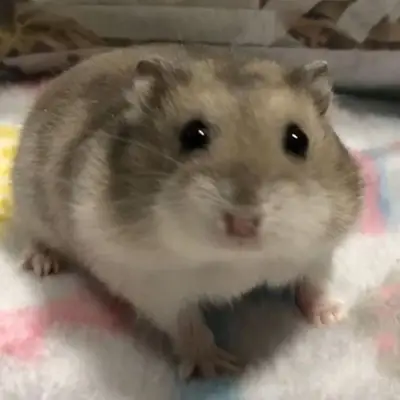
Chinese Hamster for Adoption | Calm and Easy to Care
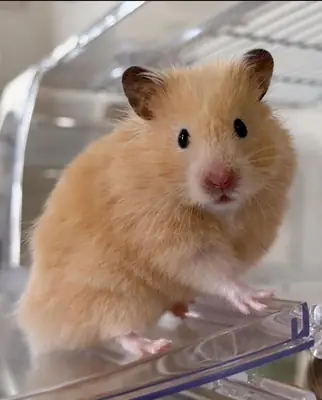
Turkish Hamster for Adoption | Rare Local Species
Popular Searches
Turkish Hamster adoption in Edinburgh
Turkish Hamster adoption in Edinburgh should not be handled like a normal hamster listing. This is a rare and specialist term, often linked with Brandt’s hamster, so the first job is to verify what animal the listing is actually describing. A strong advert should explain exact species, age, sex, origin, health, current enclosure, bedding depth, wheel setup, diet, behaviour and reason for rehoming.
Edinburgh homes can be compact, shared, noisy, student-based or family-based, and that matters for a small prey animal. A Turkish Hamster needs a quiet, secure, properly prepared setup, not a tiny cage placed wherever there is space. If the listing only says “rare Turkish Hamster available” without husbandry details, it is too weak for a responsible adoption decision.
Adopt a Turkish Hamster in Edinburgh
People searching to adopt a Turkish Hamster in Edinburgh may be looking for something unusual, but unusual does not mean suitable. Before contacting any advert, ask whether the animal is genuinely a Turkish Hamster, a mislabelled Syrian hamster, a dwarf hamster, a hybrid dwarf hamster or simply a rare-sounding name used to attract attention.
The right adoption decision depends on species clarity, housing, health, behaviour and responsible sourcing. A prepared adopter should already have a secure enclosure, deep bedding, safe wheel, correct food, quiet location and access to a vet comfortable with small rodents. This is not an animal to adopt first and research later.
Brandt’s hamster adoption Scotland
Brandt’s hamster adoption in Scotland is a more precise way some users may search for Turkish Hamster listings. If a listing uses this name, it should provide stronger information than a standard pet hamster advert. The keeper should explain where the animal came from, how long it has been kept, whether it is captive-bred, how it behaves and what setup it currently uses.
A vague rare-hamster advert is not good enough. A responsible listing should show current enclosure photos, bedding depth, wheel type, feeding routine, bite or handling history, health notes and whether the hamster lives alone. The more unusual the animal, the more detailed the listing needs to be.
Rare hamster adoption Edinburgh
Rare hamster adoption in Edinburgh is exactly where bad decisions happen quickly. A rare label can make people feel they have found something special, but rare animals often come with unclear care standards, misidentification, poor sourcing and limited veterinary experience. Rarity should slow the buyer down, not make them rush.
Before adopting any rare hamster, check whether the animal is captive-bred, rescue-surrendered, healthy, eating normally, housed correctly and free from obvious stress behaviours. If the current keeper cannot explain the species-specific care, enclosure setup or health background, that is a serious warning sign.
Dwarf hamster rescue Edinburgh
Many people searching for Turkish Hamster adoption may actually be better served by dwarf hamster rescue in Edinburgh. Common dwarf hamster species and mixes are more likely to have established care guidance, realistic rehoming support and clearer adoption information. That does not make them boring; it makes their welfare easier to protect.
A good dwarf hamster rescue listing should explain species, sex, age, temperament, whether the hamster lives alone, enclosure needs, wheel size, bedding depth, diet and handling level. If the user’s real goal is a small, active, fascinating pet, a clearly identified rescue hamster is usually stronger than a vague rare-species advert.
Ethical hamster adoption Edinburgh
Ethical hamster adoption in Edinburgh starts before the animal comes home. The enclosure should already be prepared with deep bedding, a secure lid, safe ventilation, nesting material, hides, chew items, a suitable wheel, fresh water and a quiet location away from constant disturbance.
A hamster should not be treated as a starter pet for children, a desk decoration or a low-effort animal. It is a small prey animal with real needs for digging, foraging, privacy and predictable care. A strong adoption advert filters for prepared homes, not fast collection.
Turkish Hamster care requirements
Turkish Hamster care requirements should not be copied lazily from basic pet hamster pages. If the animal is truly a Turkish Hamster or Brandt’s hamster, care should be treated cautiously, with species verification and specialist advice. Standard pet-shop guidance may not be enough.
At minimum, any hamster adoption should address enclosure space, deep bedding, burrowing, safe wheel size, ventilation, temperature stability, diet, stress reduction, handling and escape prevention. If the exact species is uncertain, the listing should demand more information rather than pretend everything is obvious.
Turkish Hamster cage setup Edinburgh
A Turkish Hamster cage setup in Edinburgh should be ready before adoption, not bought after collection. Tiny colourful cages with shallow bedding are a bad direction. A hamster needs floor space, deep bedding for digging, secure ventilation, multiple hides, nesting material, chew options, a safe wheel and enough enrichment to reduce stress.
In a city flat or shared home, the enclosure should be placed away from direct sunlight, radiators, draughts, loud speakers, kitchens, pets and constant handling. A good adoption listing should ask about the enclosure before agreeing to hand over the animal.
Turkish Hamster deep bedding and burrowing
Deep bedding is not decoration for a hamster. It allows digging, nesting, hiding, storing food and feeling secure. A shallow layer of bedding leaves the animal exposed and can lead to stress behaviours such as bar chewing, pacing, climbing or constant escape attempts.
A responsible listing should say what bedding is currently used, whether the hamster burrows, whether it nests normally, whether the cage allows deep substrate and whether there are stress signs. If the current setup is tiny and bare, the adopter must be ready to upgrade immediately.
Turkish Hamster wheel and exercise
A hamster wheel is not an optional toy. It is part of daily welfare. The wheel must be solid, safe, stable and large enough for the hamster to run without bending its back. A wheel that is too small can create strain and should not be accepted just because the animal is small.
The listing should say what wheel the hamster currently uses, whether it runs normally, whether it has mobility issues and whether it shows stress behaviours such as bar chewing, pacing or frantic climbing. Exercise should happen inside a secure setup, not by letting a rare hamster roam unsafely around a flat.
Is a Turkish Hamster suitable for children?
A Turkish Hamster should not be promoted as a simple children’s pet. Hamsters are small, fast, fragile and easily stressed by rough handling, sudden noise and being woken during rest periods. If the animal is rare or poorly socialised, the risk is even higher.
A child can observe and help with care under adult supervision, but the adult must be the real keeper. The listing should explain handling tolerance, bite history, activity pattern and stress signs. “Good for kids” is too lazy for this type of advert.
Turkish Hamster handling and taming
Turkish Hamster handling and taming should be approached slowly. Hamsters are prey animals, and many do not enjoy being grabbed, chased or lifted suddenly. A rare or poorly socialised hamster may be even more defensive, especially if it has been moved between homes or kept in poor conditions.
A useful listing should say whether the hamster takes food from the hand, tolerates being lifted, bites when frightened, freezes, hides or is mainly suited to observation. A hamster that is not cuddly is not a failed pet. It needs a home that understands patience and low-stress handling.
Can Turkish Hamsters live together?
Whether Turkish Hamsters can live together should not be guessed. Many hamsters are solitary or become aggressive when housed incorrectly. Even hamster species that may sometimes tolerate others under controlled conditions can fight, injure each other or become stressed if the setup is wrong.
For a Turkish Hamster listing, the safest requirement is clear current housing history: alone or with others, any fighting, any injuries, sex confirmation, enclosure size, duplicate resources and whether separation may be needed. Never adopt a pair without a complete backup enclosure plan.
Turkish Hamster diet and feeding
Turkish Hamster diet information should be specific, not copied from a random small-pet label. The listing should explain the current food mix, fresh-food routine, treats, water source, weight, appetite and any digestive issues. A sudden diet change can stress a hamster, so the adopter should know what the animal already eats.
For any hamster, feeding should support foraging and natural behaviour rather than dumping all food in one bowl. Scatter feeding, safe seeds, suitable dry mix and controlled fresh items can all matter, but the exact plan should match the animal’s species, health and vet advice.
Turkish Hamster health checks Edinburgh
Turkish Hamster health checks in Edinburgh should focus on signs that are easy to miss in small animals: weight loss, wet tail area, overgrown teeth, poor coat, wounds, mites, breathing noise, swollen eyes, limping, lethargy, unusual aggression or changes in eating and drinking.
A responsible listing should say whether the hamster has seen a small-animal or exotic vet, whether any treatment has been given, whether teeth and nails look normal, and whether there are current symptoms. If the keeper cannot describe health clearly, the adopter should be cautious and plan a vet check.
Turkish Hamster near Edinburgh and Lothian
Searching for a Turkish Hamster near Edinburgh, Leith, Portobello, Morningside, Stockbridge, Corstorphine, Musselburgh, Dalkeith, Livingston, Falkirk or wider Lothian can make collection easier, but distance should not override welfare.
A nearby rare-hamster advert with unclear species and poor care information is still a bad lead. Before arranging collection, ask for enclosure photos, species details, health history, diet, handling behaviour, bedding depth, wheel size and reason for rehoming.
Turkish Hamster adoption paperwork
Turkish Hamster adoption paperwork matters because rare or unusual small pets can be mislabelled, passed around with no history or advertised with weak descriptions. A responsible handover should include the current keeper’s details, species information, age estimate, health notes, diet, enclosure requirements and any vet records available.
If the animal was imported, bred privately or obtained through unclear routes, the adopter should slow down and ask more questions. The page should not encourage risky exotic-pet transfers. Clear background protects the animal, the adopter and the platform.
Frequently Asked Questions
What should I check before adopting a Turkish Hamster in Edinburgh?
Before adopting a Turkish Hamster in Edinburgh, check the exact species, age, sex, origin, health condition, current enclosure, bedding depth, wheel type, diet, handling tolerance, activity pattern and reason for rehoming. The species label must be clear because Turkish Hamster is not a common everyday pet category.
A good listing should help you understand the animal’s real needs before collection. Choosing only because the hamster sounds rare is a poor adoption decision.
Is a Turkish Hamster the same as a normal pet hamster?
No, it should not be treated like a normal common pet hamster without verification. Turkish Hamster usually refers to Brandt’s hamster, a rare and specialist term rather than the usual Syrian, Roborovski, Campbell’s or Winter White hamster categories seen in pet adoption.
If a listing uses this name, ask for species details, background, care history and clear photos. If the keeper cannot explain what the animal actually is, the advert is not strong enough.
Is a Turkish Hamster suitable for a first-time owner?
A Turkish Hamster is not a good casual first-time choice if the species, care needs and background are unclear. A first-time owner is usually better served by a clearly identified rescue hamster with established care guidance and support.
If you still consider this adoption, prepare a proper enclosure, deep bedding, safe wheel, quiet location, suitable diet and access to a vet comfortable with small rodents. Do not adopt first and research later.
Can Turkish Hamsters live together?
You should not assume Turkish Hamsters can live together. Many hamsters are solitary or can become aggressive when housed with others. Even hamsters that appear calm at first may fight later, especially when space, resources or sexing are wrong.
Before adopting more than one, ask about current housing, sex confirmation, fighting history, injuries, enclosure size and whether you have a complete backup enclosure ready. Never rely on “they seem fine” as the only evidence.
What enclosure does a Turkish Hamster need?
A Turkish Hamster should have a secure, spacious enclosure with deep bedding for burrowing, safe ventilation, hiding places, nesting material, chew options, a suitable wheel, fresh water and enrichment. A tiny starter cage is not enough.
Because this is a rare and uncertain pet category, the safest approach is to provide more space and better enrichment, not the bare minimum. The enclosure should be ready before the hamster arrives.
Is a Turkish Hamster good for children?
A Turkish Hamster should not be marketed as a simple children’s pet. Hamsters are small, fragile and easily stressed by rough handling, sudden noise and being woken during rest periods.
Children can help observe and care for a hamster under adult supervision, but an adult must be responsible for housing, feeding, cleaning, health checks and safe handling. The animal’s welfare comes before entertainment.
What health signs should I ask about before adoption?
Ask about weight, appetite, drinking, coat condition, eyes, breathing, teeth, nails, movement, wounds, mites, diarrhoea, wet tail area, lethargy, biting changes and any previous vet treatment. Small rodents can become unwell quickly, so vague “healthy” claims are not enough.
A responsible listing should include current health observations and any vet notes if available. If the hamster looks unwell or the keeper avoids basic health questions, do not rush the adoption.
What should a responsible Turkish Hamster listing include?
A responsible listing should include exact species if known, age estimate, sex, origin, health notes, current enclosure, bedding depth, wheel type, diet, handling behaviour, activity pattern, whether the hamster lives alone and why it is being rehomed.
It should also avoid pushing rarity as the main attraction. The listing should prove that the animal’s needs are understood and that the next home is prepared.
Should I choose a common rescue hamster instead?
In many cases, yes. If your goal is to adopt a small pet responsibly, a clearly identified rescue hamster such as a Syrian, Roborovski, Campbell’s-type, Winter White-type or Chinese hamster may be a safer and better-supported choice.
Common rescue hamsters usually have clearer care guidance, more experienced rescuers and more realistic adoption information. Rare is not automatically better. Clear welfare information matters more.
How should I evaluate Turkish Hamster listings on Petopic?
On Petopic, start with listings that clearly describe species, location, health, enclosure, diet, handling, current care routine and reason for rehoming. Be cautious with adverts that only use rare-sounding wording without explaining the animal’s actual needs.
The strongest listing is not the rarest-looking one. It is the one that gives enough detail to decide whether the adoption is safe, realistic and fair to the hamster.