Hamburg Dog Adoption
There are 17 Dog listings live right now, last updated 3 days ago. Find Hamburg dog adoption listing... There are 17 Dog listings live right now, last updated 3 days ago. Find Hamburg dog adoption listings on Petopic for rescue dogs, shelter dogs, puppies and adult dogs looking for responsible homes acr... There are 17 Dog listings live right now, last updated 3 days ago. Find Hamburg dog adoption listings on Petopic for rescue dogs, shelter dogs, puppies and adult dogs looking for responsible homes across Hamburg and nearby areas. Compare adoption details such as age, size, breed or mixed-breed type, temperament, health, microchip status, vaccination history, neutering status, leash behaviour, apartment suitability, exercise needs and compatibility with children, cats or other dogs before making contact. Whether you want to adopt a dog in Hamburg, find a small dog for city living, give a shelter dog a second chance or rehome a family dog responsibly, this page helps you focus on safe matching, honest information, local ownership duties and long-term care instead of choosing by photo alone.
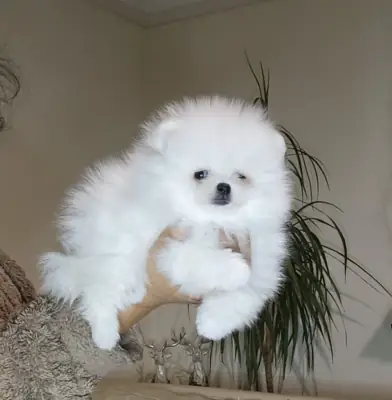
Adorable Pedigree Pomeranian Puppies
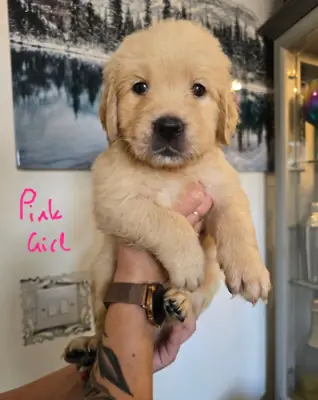
Liebevolle Golden Retriever Welpen für Tierfreunde
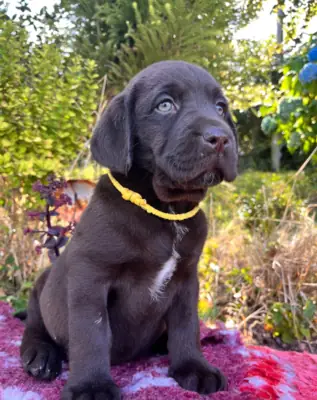
Chocolate Labrador Puppies
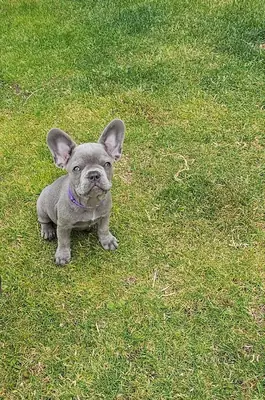
Frenchies Ready To Be All Yours Now

Cute Beagle Puppies for Re-Homing ..Text on WhatsApp ..Contact... +34 631 98 70 80

Adorable Goldendoodle-Welpe
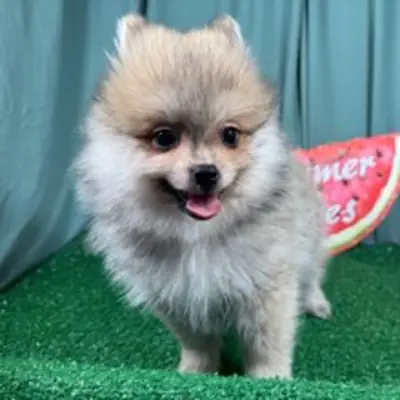
Bezaubernder Pomeranian Welpe im Bärchen-Look (Creme / Sable)

Seltenheit: Fluffy Französische Bulldogge Welpe in Lila/Creme zur Adoption
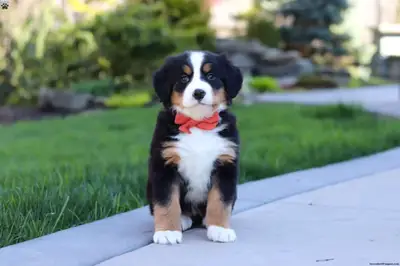
Bernese Mountain Dog Puppy For Sale

Adorable, langhaarige French Bulldog-Welpen - bereit für ihr ewiges Zuhause 🐾

Cute Maltese puppies available

Playful and friendly pomeranian boo is free

Pomeranian puppies

Christmas Boxer Puppies Ready
Pomeranian Pups
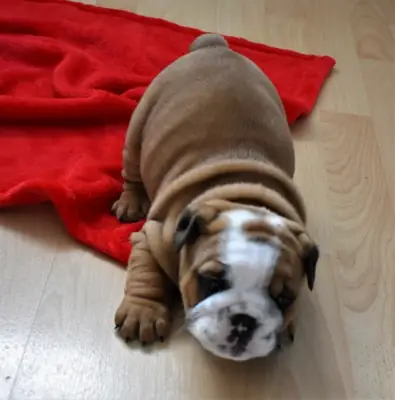
Cute English Bulldog Puppy
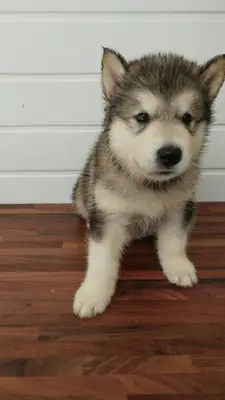
2 Siberian Husky puppies
Haven't found the pet you're looking for? Let people who want to find a new home for their pet reach out to you.
Create your free pet adoption request listing now and be seen by thousands of pet owners.
Other listings in your area
Adorable Pedigree Pomeranian Puppies
Playful and friendly pomeranian boo is free
Seltenheit: Fluffy Französische Bulldogge Welpe in Lila/Creme zur Adoption
Cute Beagle Puppies for Re-Homing ..Text on WhatsApp ..Contact... +34 631 98 70 80
Frenchies Ready To Be All Yours Now
Adorable Goldendoodle-Welpe
Popular Searches
Dog adoption Hamburg
Dog adoption in Hamburg is searched by people who want a real match, not just a nice-looking dog nearby. A serious listing should show the dog’s age, size, breed or mixed-breed type, health, microchip status, vaccination history, temperament, walking behaviour, ability to be left alone and the kind of home that suits the dog. Without those details, the adopter is guessing.
Hamburg is a city of apartments, shared stairwells, busy streets, parks, public transport, waterfront walks and strict dog-owner responsibilities. A dog that is calm in a rural foster home may struggle with elevators, traffic, cyclists, other dogs and leash rules in the city. The right adoption page should help users compare the dog’s real needs with their daily routine before applying.
Adopt a dog in Hamburg
People searching to adopt a dog in Hamburg usually want a local dog they can meet, ask about properly and bring home through a safe process. A useful listing should explain where the dog is based, whether meetings are possible, whether the dog is in a shelter or foster home, and what checks or adoption steps may be needed.
Adoption should never feel like a quick handover. The adopter must be ready for registration, insurance, training, leash control, vet costs, settling-in time and daily exercise. A dog that has already lost a home needs structure, not another impulsive move. The best listing filters out people who like the photo but are not ready for the responsibility.
Hund adoptieren Hamburg
“Hund adoptieren Hamburg” is a strong local-intent search because many users switch between English and German terms when looking for shelter dogs, foster dogs and rescue dogs in Hamburg. The listing should answer the practical questions immediately: Wie alt ist der Hund, wie groß wird er, ist er gechipt, geimpft, kastriert, leinenführig, stubenrein und für Wohnung oder Familie geeignet?
For city adoption, behaviour is more important than a perfect breed label. A dog may be loving but not suited to a flat, another dog may need a quiet home, and some dogs need experienced owners because of anxiety, reactivity or poor leash manners. A good Hamburg adoption listing gives those details clearly instead of hiding them behind emotional wording.
Rescue dogs Hamburg
Rescue dogs in Hamburg can be wonderful companions, but the listing must be honest. A rescue dog may be calm, shy, energetic, anxious, reactive, house-trained, untrained, cat-safe, child-friendly or still under assessment. The point is not to sell a sad story; the point is to explain the dog’s actual behaviour and needs.
Users need to know how the dog reacts to traffic, other dogs, strangers, stairs, elevators, being left alone and normal household noise. Hamburg city life can be demanding for sensitive dogs. A rescue listing that explains limits, training needs and suitable home type will attract better adopters than one that only says “lovely dog looking for home”.
Shelter dogs Hamburg
Shelter dogs in Hamburg are often searched by people who want a more transparent adoption process. A strong shelter-style listing should include the dog’s background where known, health checks, vaccination status, microchip, parasite treatment, behaviour assessment, walk notes and the type of home recommended.
The adoption process may involve forms, meetings, interviews and matching checks. That is not useless paperwork. It protects the dog from being placed in the wrong home. If a dog needs an adult-only home, no cats, a secure routine or an experienced handler, the listing should say it before the adopter falls in love with the photo.
Dogs for rehoming Hamburg
Dogs for rehoming in Hamburg can include private rehoming cases, foster dogs, shelter dogs and dogs whose owners can no longer keep them. This intent needs careful handling because rehoming should not mean passing the dog to the first person who replies. The listing must explain why the dog needs a new home and what kind of home will actually work.
Important details include age, size, health, microchip, registration status, training, leash behaviour, separation tolerance, barking, house habits and compatibility with children, cats and dogs. If a dog cannot cope with a busy apartment block, needs a garden, reacts to other dogs or cannot be left alone, that must be visible in the listing.
Small dogs for adoption Hamburg
Small dogs for adoption in Hamburg are often searched by apartment dwellers, older adopters, first-time owners and people who assume a small dog will be easier in the city. That assumption is weak. A small dog can bark, guard resources, struggle with children, panic in crowds, hate being left alone or need more grooming and training than expected.
A good small-dog listing should explain behaviour before size becomes the deciding factor. Can the dog walk calmly through Hamburg streets? Can it use stairs or elevators? Does it cope with visitors? Can it live with other pets? Small does not automatically mean suitable for every home. The dog’s temperament and routine matter more than its weight.
Puppies for adoption Hamburg
Puppies for adoption in Hamburg get attention fast, but a puppy is not the easy option. A puppy needs toilet training, socialisation, bite inhibition, alone-time training, careful exposure to city life, vet appointments and a lot of time during the first months. A user who works long hours may be a poor match even if they mean well.
A strong puppy listing should include age, expected adult size, vaccination status, microchip, current foster or shelter routine, temperament notes and what kind of home is realistic. Hamburg can be intense for puppies: traffic, bicycles, trains, crowds, other dogs and apartment noise all need gradual introduction. Cute is not enough.
Adult dog adoption Hamburg
Adult dog adoption in Hamburg can be smarter than chasing puppy listings. With an adult dog, size, energy level, temperament and many habits are already visible. For people living in apartments or working fixed hours, an adult dog that is house-trained and calmer indoors may be a better match than a puppy.
The listing should explain whether the dog can be left alone, how it behaves on leash, whether it is used to city noise, whether it can live with children or other pets and what training is still needed. Adult dogs are not “second-best” dogs. They are often clearer, more predictable choices for the right home.
Apartment friendly dogs Hamburg
Apartment friendly dogs in Hamburg should be chosen by behaviour, not by size alone. A suitable apartment dog should manage stairs or elevators, settle indoors, avoid constant barking, cope with hallway noise, toilet outside reliably and handle neighbours, deliveries and city movement without constant stress.
A listing should be honest about barking, separation anxiety, energy level, house training, exercise needs and whether the dog has lived in an apartment before. Some large dogs are calm flat companions, while some small dogs are terrible apartment matches. The only useful answer is the dog’s actual behaviour.
Family dog adoption Hamburg
Family dog adoption in Hamburg needs more detail than “good with children”. The listing should say whether the dog has lived with children, what age group it knows, how it reacts to noise, toys, visitors, sudden movement and busy family routines.
A family dog still needs boundaries, supervision and rest. If the dog guards food, dislikes being handled, jumps heavily, mouths during play or gets overwhelmed by children, that must be stated. A safe family adoption is built on evidence, not on a cute profile photo or a vague friendly label.
Adopt a dog with cats Hamburg
Adopting a dog when you already have cats needs careful matching. The listing should say whether the dog has lived with cats, ignored cats, chased cats, shown prey drive or has unknown cat behaviour. “Might be fine” is not enough when another animal already lives in the home.
Hamburg adopters with cats should ask about previous home history, reactions to small animals, lead behaviour around wildlife and how introductions should be handled. A dog can be perfect with people and still be unsafe around cats. Honest listings prevent danger and failed adoptions.
Dog registration after adoption Hamburg
Dog registration after adoption in Hamburg is not optional paperwork. New owners must understand registration, dog tax, microchip information and liability insurance before bringing the dog home. A strong adoption listing should remind users that the legal side starts quickly after adoption, especially for dogs moving into Hamburg from another city or country.
Practical details matter: microchip number, vaccination records, ownership transfer, insurance proof and breed information may all be needed. If the dog is a listed or restricted type, the adopter must check extra requirements before applying. Responsible adoption means being ready for both care and local rules.
List a dog for adoption in Hamburg
Anyone listing a dog for adoption in Hamburg should write for serious adopters, not quick messages. Include the dog’s age, sex, size, breed or mixed-breed type, microchip, vaccination status, neutering status, health notes, temperament, walking behaviour, ability to be left alone, home experience and compatibility with children, cats and dogs.
Do not hide difficult details. If the dog barks in apartments, reacts to other dogs, cannot live with cats, guards food, pulls strongly, needs a muzzle or requires experienced handling, say it clearly. A precise listing may bring fewer enquiries, but it increases the chance of finding the right home.
Frequently Asked Questions
How do I adopt a dog in Hamburg responsibly?
Start by looking for listings that give real details: age, size, breed or mixed-breed type, health, microchip, vaccination status, temperament, leash behaviour, alone-time tolerance and the type of home required. Do not choose only from photos.
Before applying, check your housing rules, daily schedule, walking routine, budget, liability insurance, registration duties and whether the dog can cope with Hamburg city life. Adoption is not just collection day. The dog will need routine, training, vet care and a stable transition.
What should I ask before adopting a dog in Hamburg?
Ask why the dog needs a new home, how old it is, whether it is microchipped, vaccinated and neutered, how it behaves on leash, whether it can be left alone, whether it is house-trained and whether it can live with children, cats or other dogs.
Also ask about barking, anxiety, food guarding, reactivity, bite history, medical needs, previous home experience and how the dog reacts to traffic, stairs, elevators and strangers. These questions are not excessive. They prevent a bad match.
Do I need to register an adopted dog in Hamburg?
Yes. A dog kept in Hamburg must be registered, and registration is also connected to dog tax. The owner should be ready with the dog’s microchip information, insurance details and basic dog information after adoption.
Do not leave this until later. Registration, microchip details and liability insurance are part of responsible ownership in Hamburg. If the dog is a restricted or dangerous type, extra requirements may apply and should be checked before adoption.
Is liability insurance required for dogs in Hamburg?
Yes, dog liability insurance is a key requirement for dog owners in Hamburg. It protects against damage caused by the dog and is part of the practical paperwork new owners should arrange quickly.
Before adopting, calculate the full monthly cost: food, insurance, tax, vet care, training, grooming, equipment and emergency funds. A free or low-cost adoption still becomes expensive if the owner is not prepared.
Can I adopt a dog if I live in an apartment in Hamburg?
Yes, but the dog must be suitable for apartment life. Check barking, separation anxiety, house training, stairs, elevators, hallway noise and exercise needs. Size alone is not enough to decide.
Some small dogs are poor apartment matches, while some larger dogs settle well indoors with proper exercise. The listing should explain the dog’s actual behaviour in a home, not just its breed or weight.
Are dogs allowed off lead in Hamburg?
Hamburg has general leash rules, with exceptions only under specific conditions. A newly adopted dog should not be trusted off lead immediately, even if it seems friendly. Recall, stress level and local rules all matter.
Use a secure lead or long line while the dog settles. New dogs may run, panic, chase wildlife or react unpredictably in a new city. Off-lead freedom should come only when the dog is legally allowed, trained and safe.
Is adopting a puppy easier than adopting an adult dog?
No. Puppies need more time, toilet training, socialisation, bite control, alone-time training and careful exposure to the city. They are not easier just because they are young.
Adult dogs can be more predictable because their size, energy and temperament are clearer. For many Hamburg households, a well-matched adult dog is a better decision than a puppy chosen on emotion.
Can rescue dogs live with children or cats?
Some rescue dogs can live with children or cats, but only if their behaviour and history support it. Ask whether the dog has lived with children, what age group it knows, whether it has been tested with cats and how it reacts to fast movement, noise and handling.
Do not rely on vague labels like “friendly”. A safe match depends on evidence, supervision and gradual introductions. If cat or child compatibility is unknown, the listing should say that clearly.
How should I write a dog adoption listing in Hamburg?
Write the dog’s age, sex, size, breed or mixed-breed type, microchip, vaccination status, neutering status, health, temperament, house training, walking behaviour, ability to be left alone, compatibility with children, cats and dogs, location and reason for rehoming.
Be honest about problems. If the dog reacts to other dogs, barks indoors, cannot live with cats, pulls strongly, has anxiety or needs an experienced home, say it clearly. A good listing attracts the right adopter, not the most messages.