Lost British Shorthair Cats in İstanbul
There are 4 British Shorthair listings live right now, last updated 15 Jul 2026. Find lost British S... There are 4 British Shorthair listings live right now, last updated 15 Jul 2026. Find lost British Shorthair cats in Istanbul with focused details on colour, microchip status, last seen district, indo... There are 4 British Shorthair listings live right now, last updated 15 Jul 2026. Find lost British Shorthair cats in Istanbul with focused details on colour, microchip status, last seen district, indoor or outdoor history, collar, eye colour, coat pattern, body shape and behaviour. Search missing and found British Shorthair listings across Istanbul, from apartment blocks and garden entrances to car parks, basements, vet clinics and neighbourhood streets, so a calm, round-faced cat can be recognised quickly and returned safely.
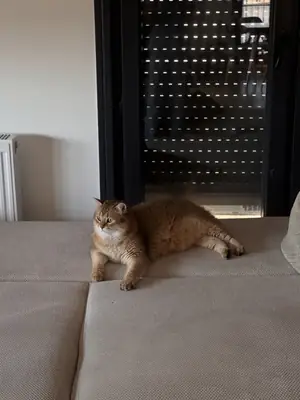
Lost British gold cat
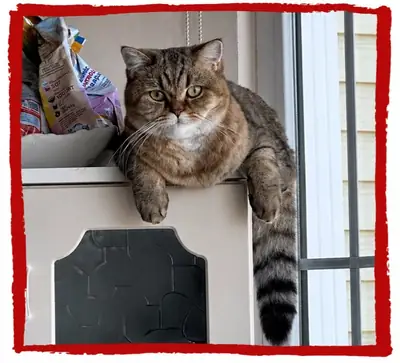
Our Lost Cat on Gül Street in Kağıthane
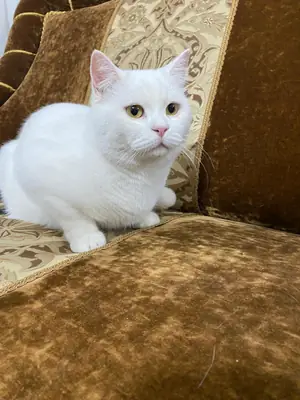
My cat is missing.
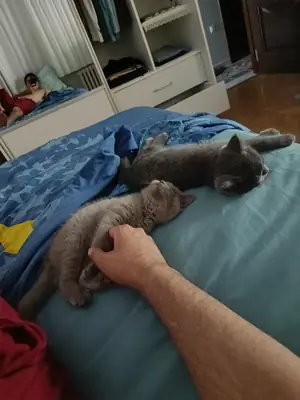
Permanent homes for my cats
Other listings in your area
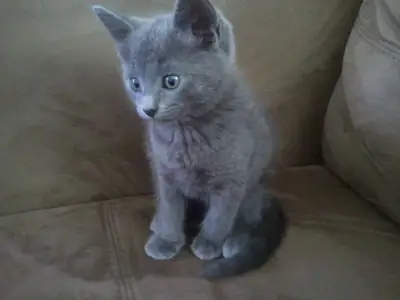
Lost Russian Blue male cat – grey color.
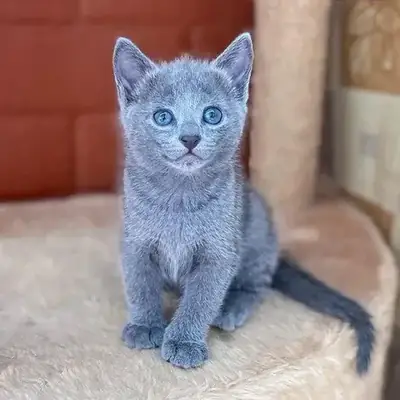
Russian Blue Cat – Please Help
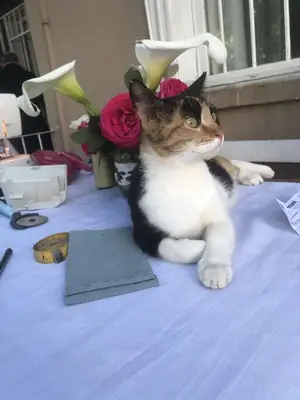
Lost Cat - Pendik Pedestrians
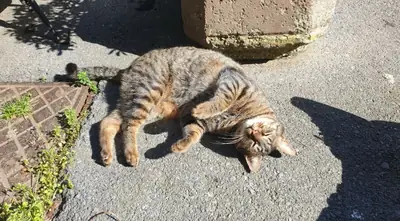
Tabby large cat
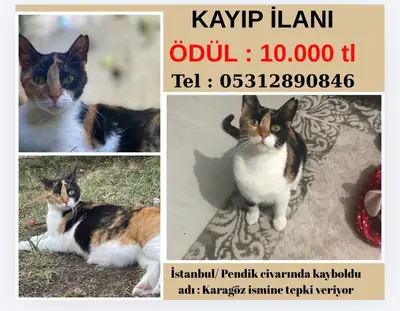
Lost Cat - Pendik_Award Winner
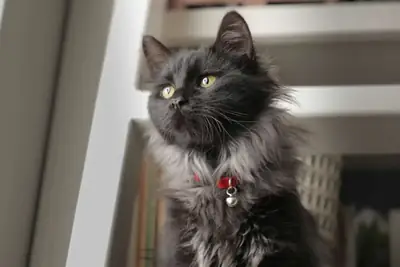
My rare breed Asian cat
Popular Searches
Where can I find lost British Shorthairs in İstanbul?
To find lost British Shorthairs in İstanbul, check our dedicated listings on petopic. These listings are updated regularly, and you can connect with others who have seen your pet or are offering help. Additionally, local community forums and social media groups can be excellent resources for finding lost cats.
What should I do if I see a lost British Shorthair?
If you see a British Shorthair that appears to be lost, approach the cat slowly and calmly. Check for any identification tags. If possible, take a photo and report the sighting on petopic to help the owner. You can also contact local shelters or veterinarians to see if the cat has been reported missing.
How long can a British Shorthair survive outdoors?
While British Shorthairs are generally adaptable, they are not accustomed to living outdoors long-term. Factors such as weather, food availability, and potential dangers can impact their survival. It’s crucial to find them as soon as possible to ensure their safety and well-being.
Are British Shorthairs friendly with strangers?
Yes, British Shorthairs are known for their friendly and sociable nature. They often get along well with strangers, which can make it easier for them to be approached by people if they are lost. This trait can be beneficial in helping them find their way back home.
How can I create a lost pet listing on petopic?
To create a lost pet listing on petopic, simply register for an account, navigate to the lost pet section, and fill out the required information about your British Shorthair. Ensure to include clear photos and detailed descriptions to help others recognize your pet.
What are the best practices for searching for a lost cat?
The best practices for searching for a lost cat include canvassing your neighborhood, posting flyers, and utilizing social media. Engage your community by asking neighbors to keep an eye out. Check local shelters and veterinary offices regularly for any updates on found pets.
Can I post updates about my lost British Shorthair?
Yes, you can post updates about your lost British Shorthair on petopic. Keeping your listing updated with new information can help maintain visibility and encourage community support in your search.
What should I do if I find a lost British Shorthair?
If you find a lost British Shorthair, check for any identification tags and contact the owner if possible. If the owner cannot be reached, consider taking the cat to a local shelter or vet to scan for a microchip. You can also post a found listing on petopic to help reunite the cat with its owner.
Why is it important to act quickly when a cat is lost?
Acting quickly when a cat is lost is crucial because the sooner you start searching, the better your chances of finding them. Cats can become disoriented and may wander far from home. Immediate action helps to spread the word and increases the likelihood of a safe return.
What resources are available for lost pet recovery in İstanbul?
In İstanbul, resources for lost pet recovery include local shelters, veterinary clinics, and online platforms like petopic. Community groups on social media can also provide support and tips for finding lost pets. Utilizing these resources can enhance your chances of a successful recovery.
Frequently Asked Questions
What should I include in a lost British Shorthair cat listing in Istanbul?
Include the cat’s colour, eye colour, age, sex, neutering status, microchip status, collar details, last seen district, street area, date, time and behaviour around strangers.
For a British Shorthair, also describe the round face, dense short coat, body shape, tail, unique markings, health needs and whether the cat is indoor-only.
Where should I search first for a lost British Shorthair in Istanbul?
Start very close to the last seen point. Check stairwells, basements, parking areas, garden corners, under cars, storage rooms, service corridors and nearby building entrances.
Many indoor cats hide silently near the escape point instead of travelling far immediately.
Do lost indoor British Shorthair cats stay close to home?
Many lost indoor cats stay close to the escape point, especially during the first hours and days.
A British Shorthair may hide quietly under cars, inside basements, near garden walls or in the same apartment complex rather than walking openly through busy streets.
What time should I search for a missing British Shorthair cat?
Search during quiet hours, especially late night and early morning, when traffic, people and street noise are lower.
Use a torch to check under cars, behind walls, inside basement openings and around garden corners where eye shine may be visible.
How can I recognise a lost British Shorthair cat?
A British Shorthair often has a round face, dense short coat, solid body, broad cheeks, thick tail and calm expression.
Many are blue-grey, but they can also be silver tabby, golden shaded, cream, lilac, black, white, bicolour or other patterns.
What does blue British Shorthair mean?
Blue British Shorthair usually means a solid grey or blue-grey coat, not a bright blue colour.
For lost-cat matching, describe both “blue” and “grey” so owners and finders using different words can connect the same cat.
Should I mention the microchip in a lost British Shorthair listing?
Yes, mention whether the cat is microchipped, because finders can ask a vet clinic to scan the cat and help contact the registered keeper.
Do not publish sensitive full chip details publicly. Use microchip status to guide safe identification.
What should I do if I find a British Shorthair cat in Istanbul?
Keep the cat safe if you can do so calmly, note the exact location, take clear photos and check nearby lost listings.
If possible, ask a vet clinic to scan for a microchip. Do not hand the cat to someone without confirming ownership through photos, details or chip information.
Should I chase a scared British Shorthair if I see it outside?
No, chasing can push the cat farther away or into traffic, basements or dangerous hiding places.
Move slowly, speak calmly, place familiar-smelling food nearby and contact the owner with the exact sighting location.
Can a British Shorthair survive outside in Istanbul?
Some cats survive outside for a period, but an indoor British Shorthair may not be street-smart around traffic, dogs, crowds, heat, cold or unfamiliar feeding areas.
The search should begin quickly and stay focused around the last seen area while checking hidden spaces repeatedly.
Why might a British Shorthair not come when called?
A lost cat may be frightened, frozen, injured or hiding silently, even if it normally responds at home.
British Shorthairs can appear calm indoors but become very cautious outside, so visual searching is often more useful than calling alone.
Should I search basements for a missing British Shorthair in Istanbul?
Yes, basements, storage rooms, parking floors and service areas are important search points in Istanbul apartment buildings.
Ask permission, use a torch and search quietly because a scared cat may not meow or move while people are nearby.
Should I check under cars for a lost British Shorthair?
Yes, under cars and around parking areas are common hiding points for scared indoor cats.
Use a torch, check before vehicles move and ask neighbours or parking staff to watch carefully for a round-faced, dense-coated cat.
What if my British Shorthair escaped from a balcony?
Check lower ledges, building gardens, under cars, basement entrances, neighbouring balconies where visible and the area directly below the escape point.
If the cat may have fallen, mention possible injury in the listing and treat the search as urgent.
What if my British Shorthair escaped from a carrier?
Search immediately around the escape point, especially under parked cars, behind walls, shop fronts, clinic entrances, building corners and quiet sheltered spaces.
Include the carrier escape location, time, direction of movement and whether the cat was stressed after travel or a vet visit.
Should I include a reward in a missing British Shorthair listing?
A reward can increase attention, but the listing still needs clear identifying details to avoid false claims.
Use photos, last seen location, unique marks and microchip status, and ask for current sighting proof before travelling to a location.
What photos work best for a lost British Shorthair listing?
Use one clear face photo, one full-body photo, one side photo and one image showing unique markings, tail, collar or eye colour.
For blue or grey British Shorthairs, include photos in natural light because indoor lighting can change the coat shade.
How can I prevent mistaken claims for a found British Shorthair?
Ask the claimant for older photos, microchip confirmation, unique markings, collar details, vet history or behaviour details only the real owner would know.
Do not give the cat to someone based only on a similar colour or breed claim.
Can a British Shorthair be mistaken for a street cat in Istanbul?
Yes, especially if the cat has been outside for a while and looks dirty, thin or frightened.
However, a round face, dense coat, clean ears, neutering, calm handling or microchip may suggest the cat is owned and lost.
What health issues matter when a British Shorthair is missing?
Mention any heart disease, kidney disease, diabetes, arthritis, obesity, breathing issues, recent surgery, medication or special diet.
Health details help finders understand urgency and contact the owner or a vet quickly.
Should I report a microchipped lost cat in Turkey?
If the cat is registered, the loss should be reported through the relevant official or veterinary channels so the animal can be marked as missing in the system.
Also keep nearby vet clinics informed in case the cat is brought in for scanning.
What should I do if someone says they saw my British Shorthair?
Ask for the exact location, time, direction of movement, photo or video if possible, and whether the cat looked injured, hungry or scared.
Go calmly, search quietly and avoid bringing a crowd that could scare the cat into moving again.
How long should I keep searching for a lost British Shorthair?
Do not stop after the first day. Cats can stay hidden, move at night or appear after several days when hunger and quiet conditions draw them out.
Repeat searches around the last seen area, refresh listings and keep checking with neighbours, building staff and nearby vets.
What are red flags in a lost British Shorthair recovery claim?
Red flags include demands for money before proof, refusal to send a current photo, vague location details, pressure to meet privately and claims that do not match the cat’s colour, markings or behaviour.
Ask for clear proof and keep owner-only identifying details private until the sighting seems genuine.
What should I prepare when going to collect a found British Shorthair?
Bring a secure carrier, familiar-smelling blanket, small amount of favourite food, torch, phone battery, proof photos and another calm person if needed.
Do not carry a frightened cat loose in your arms, especially near traffic or building entrances.