Liverpool Red Macaw Parrot Adoption
There are 3 Parrot listings live right now, last updated 4 Jun 2026. Find Red Macaw Parrot adoption ... There are 3 Parrot listings live right now, last updated 4 Jun 2026. Find Red Macaw Parrot adoption listings in Liverpool and compare large, intelligent parrots looking for experienced homes across Me... There are 3 Parrot listings live right now, last updated 4 Jun 2026. Find Red Macaw Parrot adoption listings in Liverpool and compare large, intelligent parrots looking for experienced homes across Merseyside. On Petopic, you can review Scarlet Macaw, Green-winged Macaw and red macaw rehoming profiles by age, temperament, health, identification, CITES paperwork, previous handling, talking ability, noise level, feather condition, cage or aviary setup, diet, biting history, family suitability and daily out-of-cage needs before adopting a powerful bird that genuinely fits your home and long-term routine.
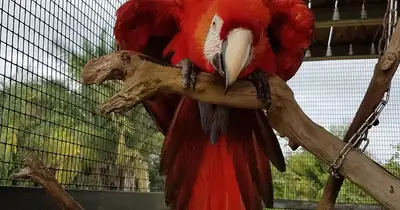
Experienced and Loving Owner Wanted for Scarlet Macaw
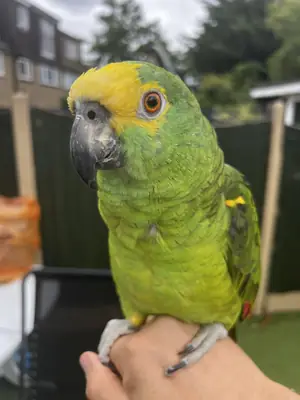
Amazon parrot that loves observing daily life
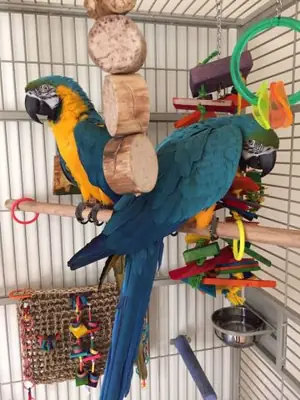
Tamed blue and gold macaw parrots WhatsApp +447393160284
Haven't found the pet you're looking for? Let people who want to find a new home for their pet reach out to you.
Create your free pet adoption request listing now and be seen by thousands of pet owners.
Other listings in your area
Experienced and Loving Owner Wanted for Scarlet Macaw
Amazon parrot that loves observing daily life
Tamed blue and gold macaw parrots WhatsApp +447393160284
Popular Searches
Red Macaw Parrot for adoption in Liverpool
Looking for a Red Macaw Parrot for adoption in Liverpool is not a casual pet search. A red macaw can mean a Scarlet Macaw, a Green-winged Macaw or another large red macaw type, and each one is a powerful, loud, intelligent bird with serious care needs. The right home must be ready for noise, mess, chewing, daily interaction, space, enrichment and long-term responsibility.
On Petopic, Liverpool Red Macaw Parrot adoption listings should be checked for age, species, health, identification, CITES paperwork where relevant, feather condition, diet, cage or aviary setup, handling level, biting history, noise level and previous home routine. A strong listing does not just say “talking macaw” or “beautiful red parrot”; it explains what the bird is like to live with every day.
Adopt a Red Macaw in Liverpool
Adopting a Red Macaw in Liverpool should be treated as a major lifestyle decision, not a reaction to colour, talking ability or rarity. A macaw can live for decades, bond strongly, scream loudly, destroy weak furniture, test boundaries and need daily attention. If the adopter wants a decorative cage bird, this is the wrong bird.
Before applying, check whether the macaw steps up, accepts handling, has a favourite person, bites under stress, plucks feathers, screams when left, tolerates visitors and has lived around children or other pets. The right adoption depends on the bird’s behaviour and your routine, not on how impressive it looks in photos.
Scarlet Macaw adoption Liverpool
Scarlet Macaw adoption in Liverpool needs extra care because this is one of the most recognisable large parrots and that visual appeal attracts weak adopters. A Scarlet Macaw may be social, clever and spectacular, but it can also be loud, demanding, destructive and extremely strong-beaked.
A proper Scarlet Macaw profile should state the bird’s age, sex if known, identification, paperwork, diet, feather condition, health history, handling confidence and current routine. If the listing only focuses on colour, talking or “very tame”, the information is too thin. With a macaw, the missing details become your daily problems.
Green-winged Macaw rehoming Liverpool
Green-winged Macaw rehoming around Liverpool may attract people who want a calmer or larger red macaw type, but size alone changes everything. This bird needs space, strong perches, safe enrichment, a serious cage or aviary setup and an adopter who can read parrot body language before the bite happens.
A useful listing should explain whether the bird is hand-tame, cage-territorial, bonded to one person, safe with multiple handlers, noisy at certain times, destructive when bored or anxious when left alone. A Green-winged Macaw is not a “big cuddly parrot” by default. It is a powerful bird that needs competent care.
Macaw rescue near Liverpool
Macaw rescue near Liverpool may also appear under parrot rescue, large parrot adoption, bird rehoming, Merseyside parrot rescue or exotic bird adoption. Because macaws often move homes when owners underestimate noise, mess, behaviour and costs, a rescue-style profile should be brutally honest.
Searches around Liverpool, Wirral, Birkenhead, Bootle, St Helens, Southport, Warrington, Runcorn and wider Merseyside can help when the right bird is not in the immediate city. Location helps, but it should never beat suitability. A nearby macaw with hidden aggression, poor paperwork or serious stress behaviour is not a good adoption just because collection is easy.
Red Macaw with CITES paperwork
Red Macaw adoption must include paperwork checks. Depending on the exact species and situation, CITES paperwork, Article 10 documentation, ring or microchip details and legal origin can matter. If the bird is listed vaguely as “red macaw” without species, identification or paperwork details, the listing is not strong enough.
Before adoption, ask for the exact species, identification method, documents, previous keeper history and whether any transfer conditions apply. A serious keeper should be able to explain the bird’s legal and care background clearly. If the answer is “don’t worry about papers”, you should worry.
Hand-tame Red Macaw adoption
A hand-tame Red Macaw can still be difficult. “Hand-tame” may mean the bird steps up for one person, allows head scratches, takes food gently or simply does not panic near hands. Those are not the same thing. Many parrots are tame with one trusted person and challenging with everyone else.
A good listing should explain who can handle the bird, whether it steps up reliably, whether it bites strangers, whether it lunges from the cage, whether it enjoys touch and whether it becomes hormonal or territorial. Hand-tame is not a guarantee of easy ownership. It is only the starting point for asking better questions.
Talking Red Macaw Parrot adoption
Many people search for a talking Red Macaw Parrot, but talking should be the least important reason to adopt. Some macaws copy words, some prefer sounds, some scream more than speak, and some only talk when relaxed with familiar people. A bird is not a voice recorder with feathers.
Before adoption, ask about daily noise, screaming triggers, quiet periods, bedtime routine, attention-seeking calls and how the current keeper responds to unwanted noise. A macaw that talks can still be too loud for neighbours, flats or shared homes. Talking ability does not cancel the reality of a large parrot’s voice.
Red Macaw noise level in a Liverpool home
Noise level is one of the biggest reasons macaws are rehomed. In Liverpool flats, terraced houses, shared walls or close neighbourhoods, a Red Macaw’s calls can become a serious issue. Pretending the bird will stay quiet because it is loved is fantasy.
A useful listing should explain when the bird is loud, what triggers screaming, whether it calls at sunrise or evening, whether it reacts to visitors, dogs, children, hoovers, phones or music, and whether it has learned quiet routines. The adopter needs to know the real sound profile before the bird arrives, not after complaints start.
Red Macaw cage and aviary setup
A Red Macaw needs serious space. A small decorative cage is unacceptable for a bird with this wingspan, beak strength and activity level. The setup should allow climbing, wing stretching, safe perches, foraging, chewing, bathing and daily time outside the cage in a bird-safe area.
Before adoption, ask what cage or aviary the bird currently uses, how much out-of-cage time it gets, whether it flies, climbs or prefers perches, and whether the existing setup is included or needs replacing. If you cannot afford the right enclosure and enrichment, you cannot afford the bird.
Red Macaw diet and feeding
Diet is not a side detail with a Red Macaw. A seed-only diet is a red flag. Large parrots need a balanced routine with suitable pellets or formulated food where appropriate, vegetables, controlled fruit, safe nuts, fresh water and careful avoidance of dangerous foods.
A good listing should state what the macaw eats now, whether it accepts vegetables, whether it is overweight or underweight, whether it is picky, whether it forages and whether it has any diet-related health history. Changing diet after adoption can be slow, so the current routine must be clear before commitment.
Red Macaw feather plucking and stress
Feather condition tells a story. A Red Macaw with plucking, barbering, stress lines or damaged feathers may need veterinary checks, behaviour support, better enrichment, improved diet or a calmer routine. That does not make the bird unadoptable, but it does mean the adopter must know what they are taking on.
A responsible listing should describe feather condition honestly, including any plucking history, triggers, vet checks, changes after routine disruption and current management. Hiding feather problems is reckless. A bird with stress behaviour needs a prepared home, not a buyer impressed by colour.
Red Macaw with children and family homes
A Red Macaw can be part of a family home only when adults manage the bird properly. This is not a bird for children to grab, tease, chase, feed through bars or treat like a talking toy. A macaw bite can injure badly, even if the bird is not “aggressive” in a simple sense.
A useful listing should say whether the bird has lived with children, how it reacts to noise and fast movement, whether it bites when overstimulated and whether it is bonded to one adult. Family suitability must be based on actual behaviour, not on the phrase “loves attention”.
Red Macaw with dogs, cats and other birds
If you have dogs, cats or other birds, Red Macaw adoption needs careful management. Cats and dogs can injure birds, birds can injure pets, and shared airspace or free-roaming time can become dangerous fast. “They will get used to each other” is not a plan.
The listing should say whether the macaw has lived around dogs, cats or other birds, whether it is jealous, territorial, fearful or aggressive, and whether it has had supervised contact. A safe home needs separation, controlled routines and zero casual introductions.
Red Macaw rehoming in Liverpool
Red Macaw rehoming in Liverpool should be written with complete honesty. If the bird screams, bites, plucks, hates men or women, guards the cage, needs an aviary, dislikes children, has poor paperwork or requires an experienced parrot keeper, that must be clear in the listing.
A strong rehoming profile gives fewer but better enquiries. It should explain the reason for rehoming, current routine, health needs, diet, identification, documents, handling level, noise pattern, sleep routine and ideal home. Hiding difficult details may place the bird faster, but it increases the chance of another failed home.
Frequently Asked Questions
How can I adopt a Red Macaw Parrot in Liverpool?
To adopt a Red Macaw Parrot in Liverpool, review listings that clearly explain the bird’s exact species, age, health, identification, paperwork, feather condition, diet, temperament, noise level, handling ability and reason for rehoming. A photo and colour description are not enough.
Before arranging a meeting, ask whether the macaw is hand-tame, whether it bites, whether it plucks, how much out-of-cage time it gets, whether it has CITES paperwork where required and what kind of home it needs. Adoption should be based on daily care reality, not visual appeal.
Is a Red Macaw the same as a Scarlet Macaw?
Not always. “Red Macaw” can be used loosely for Scarlet Macaws, Green-winged Macaws or other red macaw types. A serious listing should state the exact species instead of relying on colour alone.
The exact species matters because paperwork, size, temperament, care needs, value, diet, noise and legal requirements can differ. If the seller or keeper cannot identify the bird clearly, slow down before adopting.
Does a Red Macaw need CITES paperwork in the UK?
Some macaw species can require CITES-related paperwork depending on the exact species and transfer situation. Before adopting or taking ownership, ask for the bird’s exact species, identification, origin history and any documents that apply.
If the bird is being transferred without clear paperwork or the keeper avoids questions about identification, that is a serious warning sign. Legal clarity protects both the adopter and the bird.
Is a Red Macaw suitable for first-time parrot owners?
A Red Macaw is usually a poor choice for most first-time parrot owners. It is large, loud, intelligent, strong-beaked and emotionally complex. Mistakes with handling, diet, sleep, enrichment or boundaries can create serious behaviour problems.
First-time owners may underestimate the noise, mess, cost, cage size, chewing, bite risk and time needed every day. If you have no large parrot experience, get serious education and support before applying for a macaw.
Can a Red Macaw live in a flat?
A Red Macaw is usually difficult to keep in a flat because of noise, space, cage size, flight needs and neighbour impact. Some individual birds may cope in exceptional setups, but this should never be assumed.
Before adoption, ask when the bird screams, how loud it is, how much space it has, whether it needs an aviary, how much time it spends outside the cage and whether previous neighbours complained. Flat suitability depends on the individual bird and the building, not wishful thinking.
How much space does a Red Macaw need?
A Red Macaw needs a very large, strong enclosure with room to move, climb, stretch wings, chew and use different perches. It also needs regular time outside the cage in a safe bird-proof area.
The enclosure should not be a decorative cage in the corner. Before adoption, ask what setup the bird currently uses, how long it is out each day, whether it flies, and whether the current cage or aviary is suitable or must be replaced.
Are Red Macaws very noisy?
Yes, Red Macaws can be extremely noisy. Loud calling is normal parrot behaviour, but it can become a major problem in shared homes, flats, terraced houses or close neighbourhoods.
Before adoption, ask about the bird’s daily noise pattern, screaming triggers, morning and evening calls, reaction to visitors and whether unwanted noise has caused problems before. Do not adopt a macaw assuming you can simply train the volume away.
Do Red Macaws talk?
Some Red Macaws can learn words, sounds and phrases, but talking is never guaranteed. Some birds talk clearly, some only copy sounds, and some rarely speak at all.
Adopting a macaw only because you want a talking parrot is a weak reason. You must want the whole bird: noise, mess, intelligence, chewing, long-term care, emotional needs and daily interaction.
What should a Red Macaw eat?
A Red Macaw needs a balanced diet, not a seed-only bowl. A suitable routine may include formulated parrot food, vegetables, controlled fruit, safe nuts, fresh water and species-appropriate feeding guidance.
Before adoption, ask exactly what the bird eats now, whether it accepts vegetables, whether it is overweight, whether it forages, and whether a vet or experienced keeper has advised changes. Diet transition should be planned, not improvised.
What health checks should I ask about before adopting a Red Macaw?
Ask about feather condition, weight, appetite, droppings, beak and nail condition, breathing, previous veterinary care, plucking, infections, injuries, diet problems and any medication. Also ask whether the bird has been seen by an avian vet.
A responsible listing should explain known health and behaviour issues clearly. “Healthy bird” with no detail is not enough for a large parrot that may hide illness or stress until problems become serious.
Can a Red Macaw live with children?
A Red Macaw can live in a family home only if adults manage the bird carefully and children are taught strict boundaries. A macaw should not be grabbed, teased, chased, fed through cage bars or treated like a toy.
Before adoption, ask whether the bird has lived around children, how it reacts to noise and fast movement, whether it bites when overstimulated and whether it is bonded to one adult. A macaw bite can cause serious injury, so supervision is non-negotiable.
Can a Red Macaw live with dogs, cats or other birds?
A Red Macaw may live in a home with other animals only when separation and supervision are taken seriously. Dogs and cats can injure birds, birds can injure pets, and other birds may trigger jealousy, stress or aggression.
Before adoption, ask whether the macaw has lived around dogs, cats or other birds, whether it is territorial, fearful or jealous, and what management worked before. Safe routines matter more than hopeful introductions.
Why do some Red Macaws pluck feathers?
Feather plucking can be linked to stress, boredom, poor diet, medical issues, hormonal behaviour, lack of sleep, environmental change or past trauma. It should not be dismissed as a cosmetic issue.
Before adopting a macaw with plucking history, ask what vet checks have been done, what triggers the behaviour, what enrichment is used and whether the feather condition has improved or worsened. The adopter must be ready for long-term management.
What should I prepare before bringing home a Red Macaw?
Prepare a large suitable enclosure, safe perches, foraging toys, chewable enrichment, feeding stations, fresh food storage, a bird-safe room, cleaning supplies and an avian vet contact. You should also remove hazards such as toxic fumes, unsafe cookware, candles, aerosols, open windows and exposed wires.
The first days should be calm and predictable. Do not overwhelm the bird with visitors, forced handling or constant touching. A macaw needs time to read the home and decide who is safe.
What questions should I ask before adopting a Red Macaw in Liverpool?
Ask the exact species, age, identification, paperwork, reason for rehoming, health history, diet, feather condition, biting history, noise pattern, sleep routine, handling level, cage setup and daily out-of-cage time.
Also ask whether the bird is bonded to one person, whether it can live with children or pets, whether it plucks, whether it has seen an avian vet and what kind of home is required. If the answers are vague, slow down. With a Red Macaw, missing information becomes a serious daily problem after adoption.