Free Adoption of Birman Cats in London
There's 1 Birman listing live right now, last updated 15 Mar 2026. Find Birman cats for free adoptio... There's 1 Birman listing live right now, last updated 15 Mar 2026. Find Birman cats for free adoption in London with the checks this gentle, blue-eyed and semi-longhaired companion cat genuinely needs... There's 1 Birman listing live right now, last updated 15 Mar 2026. Find Birman cats for free adoption in London with the checks this gentle, blue-eyed and semi-longhaired companion cat genuinely needs before you bring one home: compare adult Birmans, kittens, senior cats, bonded pairs and Birman crosses on Petopic by age, microchip transfer, neutering, vaccination history, indoor or outdoor routine, coat condition, grooming tolerance, matting, hairballs, dental condition, heart murmur or HCM history, kidney notes, PKD background, weight, appetite, litter habits, children, other cats, dogs, flat suitability, separation stress, rehoming reason and safe handover options across North London, South London, East London, West London, Central London, Croydon, Camden, Hackney, Ealing, Barnet, Enfield, Bromley, Richmond, Wandsworth, Greenwich, Wembley, Kingston and Greater London.
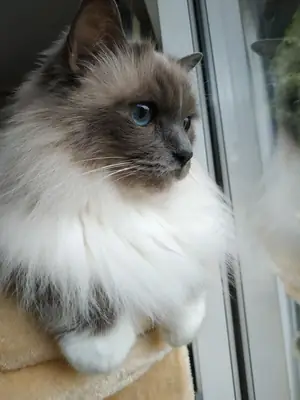
Haven't found the pet you're looking for? Let people who want to find a new home for their pet reach out to you.
Create your free pet adoption request listing now and be seen by thousands of pet owners.
Other listings in your area

british short hair kittes for good failly
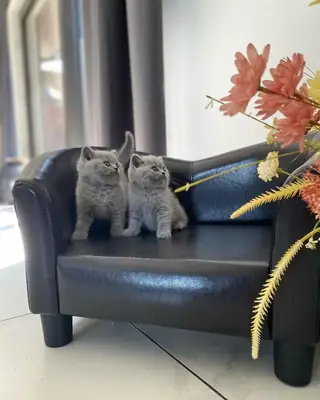
Adorable British Shorthair Kittens Looking for Loving Homes
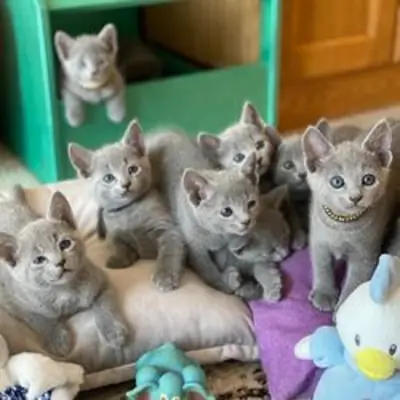
Russian Blue kittens ready
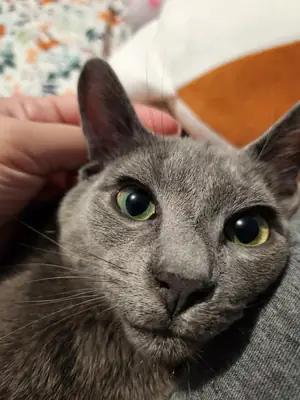
Russian blue cat raised indoors
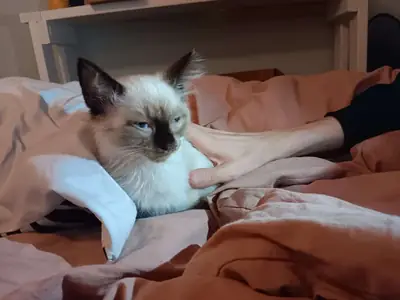
Balinese cat that enjoys human company
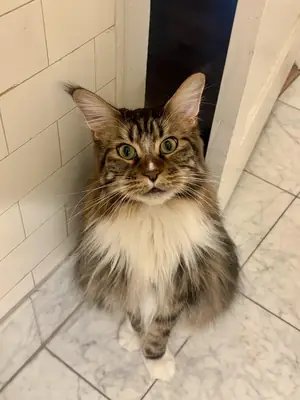
Maine coon that minds its own business
Popular Searches
Free Birman cat adoption London
Free Birman cat adoption in London should be judged by temperament, health records and home routine before the cat’s blue eyes, colour points or white paws. A Birman is usually a gentle companion cat, but the right match still depends on coat care, attention needs, indoor safety and medical history.
On Petopic, strong Birman adoption listings should explain age, microchip transfer, neutering, vaccination history, indoor or outdoor routine, coat condition, grooming tolerance, litter habits, heart murmur or HCM history, kidney notes, dental condition, weight, children, cats, dogs and the real reason for rehoming.
Birman cats for free adoption in London
Birman cats for free adoption in London can include adult cats, kittens, senior cats, retired breeding cats, bonded pairs and Birman crosses needing a calmer or more suitable home.
The useful listing is the one that shows real life: whether the cat is confident with visitors, calm in a flat, reliable with the litter tray, relaxed with grooming and safe around children, other cats or dogs.
Birman cat rehoming London
Birman cat rehoming in London often happens because of landlord rules, owner illness, allergies, work hours, moving abroad, cost, pet conflict, new babies or a quiet cat becoming stressed in a busy home.
Ask why the Birman is being rehomed, how long the current keeper has had the cat, whether it has moved homes before and what has genuinely been difficult. “Lovely cat, no time” is not enough detail for a responsible adoption decision.
Birman rescue London
Birman rescue in London needs patience because a rescued Birman may be sweet but still unsettled, shy, matted, underweight, overweight, dental-sore or nervous around noise, visitors and transport.
Ask about vet records, microchip transfer, neutering, vaccinations, dental condition, heart history, kidney checks, litter habits, previous homes, children, cats, dogs and whether the cat hides, over-grooms or stops eating when stressed.
Birman cat free to good home London
Birman cat free to good home listings in London can be genuine, but free does not mean low-care. Coat maintenance, dental care, good food, insurance, vet checks and safe indoor setup can still become real costs.
A responsible listing should include microchip transfer, vaccination proof, neutering status, vet notes, behaviour detail, coat condition and a calm handover plan. If the cat must leave immediately with no proper questions, slow down.
Birman adoption Greater London
Birman adoption across Greater London may include Croydon, Bromley, Richmond, Ealing, Hackney, Camden, Greenwich, Barnet, Enfield, Wandsworth, Hounslow, Kingston, Wembley, Romford and nearby commuter areas.
A wider local search helps because genuine free Birman rehoming is not common in every borough. Local distance helps you meet the cat, check documents, discuss routine and plan a quiet journey home.
Adult Birman cat adoption London
Adult Birman cat adoption in London can be smarter than chasing a kitten because the cat’s confidence, coat care, litter habits, handling tolerance and pet compatibility are already visible.
Ask whether the adult Birman is calm indoors, uses the litter tray reliably, accepts brushing, enjoys company, hides from noise, copes with visitors and has a known vet history. Adult behaviour gives evidence that kitten photos cannot.
Senior Birman cat adoption London
Senior Birman cat adoption can suit a calm London home that wants a gentle, settled companion. Older Birmans may still be affectionate and bright, but age makes teeth, kidneys, weight, heart checks, eyesight, mobility and medication more important.
Ask about appetite, drinking, litter habits, dental work, blood tests, kidney notes, heart murmur history, weight change, arthritis signs and whether the cat needs a quieter routine or softer bedding.
Birman kitten free adoption London
Birman kitten free adoption in London should raise serious questions because Birman kittens are highly wanted. A free kitten can be genuine, but it can also hide fake photos, unclear ownership, missing records or weak early socialisation.
Ask exact age, microchip status, vaccination plan, flea and worm treatment, litter training, diet, parent background, eye condition, coat condition, confidence, handling and why such a high-interest kitten is being rehomed free.
Private Birman cat rehoming London
Private Birman cat rehoming in London can be genuine, but the adopter has to uncover the facts. Some owners soften the wording around litter issues, stress, hiding, pet conflict, grooming neglect, dental costs or long-term illness.
Ask for microchip transfer, vaccination records, vet history, normal videos, litter routine, feeding details, grooming notes, alone-time behaviour and the exact rehoming reason. A good keeper should care about the match, not just how fast the cat leaves.
Retired breeding Birman cat adoption London
Retired breeding Birman cat adoption in London needs careful checking because the cat may be gentle but under-socialised, nervous in a normal home, unused to children or behind on dental and coat care.
Ask how many litters the cat had, whether it is neutered, whether it has lived as a household pet, whether vet records are available and whether heart, kidney, dental, eye or grooming history is clear.
Microchipped Birman cat adoption London
A microchipped Birman cat adoption listing should explain how keeper details will be transferred. The chip should match the cat, and the database transfer should be handled properly during adoption.
Ask for the microchip number, database process and proof that the current keeper is allowed to rehome the cat. Identity should be clear before handover, not sorted later.
Neutered Birman cat adoption London
Neutered Birman cat adoption in London can reduce unwanted breeding, roaming, spraying and hormone-related stress, but it does not automatically fix fear, pet conflict, litter problems or separation stress.
Ask whether the cat is neutered, when it was done, whether recovery was normal and whether weight, appetite or behaviour changed afterwards. Adoption still needs routine and patient settling time.
Vaccinated Birman cat rehoming London
Vaccinated Birman cat rehoming should state what has been given, what is due next and whether a vet record is available. “Healthy” is too weak without documented care.
Ask about boosters, flea treatment, worming, dental history, heart notes, kidney checks, medication, previous surgery and any ongoing condition. Good adoption detail protects both the cat and the adopter.
Indoor Birman cat adoption London
Indoor Birman cat adoption in London can work well when the home offers safe windows, climbing space, scratching posts, play, routine and calm companionship. Indoor life becomes weak when the cat is bored, lonely or under-stimulated.
Ask whether the Birman has always lived indoors, whether it tries to escape, whether it uses a balcony or catio safely and whether it has enough enrichment to cope without roaming outside.
Birman cat for flat London
A Birman cat for flat living in London can be a strong match if the cat is calm indoors, confident with normal household noise and given enough attention, climbing space and safe window protection.
Ask whether the cat has lived in a flat before, whether it cries at doors, scratches, hides from hallway noise or becomes stressed when left alone. Flat-friendly means proven behaviour, not just a gentle breed label.
Quiet Birman cat adoption London
Quiet Birman cat adoption searches usually come from people wanting a calm companion rather than a loud, demanding cat. Many Birmans are gentle, but every individual still needs checking.
Ask whether the cat cries at night, calls when left, hides from visitors, follows people around or becomes unsettled by noise. Quiet does not mean emotionless, and a calm Birman still needs company and routine.
Affectionate Birman cat adoption London
Affectionate Birman cat adoption should still be matched carefully. A Birman may enjoy people, laps, gentle attention and following family members, but may also become stressed in a loud or chaotic home.
Ask whether the cat seeks contact, dislikes being picked up, sleeps near people, hides from strangers or becomes clingy when routines change. Affection is useful only when the home can return it consistently.
Bonded pair Birman cats adoption London
Bonded pair Birman cats for adoption can be a strong choice if the cats genuinely rely on each other for comfort and confidence. Splitting a real pair can create stress, hiding, appetite changes or litter problems.
Ask whether the cats sleep together, groom each other, eat together, play together, fight, share litter trays and whether they become distressed when separated. A true bonded pair should be adopted with the relationship protected.
Birman cat with children London
A Birman cat with children can work when the cat is confident and the children are gentle. Birmans are often calm, but that does not mean they enjoy grabbing, chasing, tail pulling, loud rooms or being carried badly.
Ask whether the cat has lived with children, what ages, whether it scratches when overstimulated, whether it hides from noise and whether it has high places or quiet rooms to escape to.
Birman cat with other cats London
A Birman cat with other cats can be social, cautious, territorial or selective depending on history. Some Birmans enjoy feline company; others prefer their own space or one familiar companion.
Ask whether the cat has lived with other cats, whether fights happened, whether it guards food or resting places and whether slow introductions are needed. “Good with cats” needs context.
Birman cat with dogs London
A Birman cat with dogs can work only when the cat has proven dog experience and the dog is calm. A chasing, barking or excitable dog can make a gentle Birman hide, freeze or become defensive.
Ask whether the cat has lived with dogs, whether it hides, swats, freezes, runs or sleeps calmly near them. Safe introductions and escape routes are essential.
Birman cat grooming adoption London
Birman cat grooming should be part of the adoption decision because the semi-long coat can still knot behind the ears, under the legs, around the chest and near the tail if ignored.
Ask whether the cat accepts brushing, whether mats form, whether the coat gets greasy, whether hairballs are frequent and whether the current keeper has a realistic grooming routine. A silky coat still needs attention.
Matted Birman cat adoption London
Matted Birman cat adoption needs honesty because matting can pull the skin, hide sores, trap dirt and make brushing painful. A beautiful colourpoint coat can still be uncomfortable underneath.
Ask where the mats are, when the cat was last brushed, whether a groomer or vet shave is needed and whether the cat becomes stressed during coat care. Matting is not just a cosmetic issue.
Birman cat hairballs adoption
Birman cat hairballs can increase when the coat is shedding, under-brushed or when the cat over-grooms from stress, itchiness or discomfort. Occasional hairballs can happen, but frequent vomiting should not be ignored.
Ask how often hairballs happen, whether the cat vomits food, whether appetite is normal, whether grooming helps and whether a vet has checked repeated sickness.
Birman cat dental disease adoption London
Birman cat dental disease should be asked about before adoption because sore teeth and gums can affect appetite, weight, mood and grooming.
Ask whether the cat has bad breath, drooling, red gums, missing teeth, dental cleaning history, extractions or difficulty eating dry food. A cat can look elegant and still have a painful mouth.
Birman cat heart murmur adoption London
Birman cat heart murmur history should be discussed before adoption because a quiet, gentle cat can still have heart findings that matter for long-term care.
Ask whether a vet has ever heard a murmur, whether a heart scan was done, whether the cat tires easily, breathes fast, faints, coughs or takes medication. Medical silence is not medical clarity.
Birman cat HCM adoption London
Birman cat HCM history should be asked about when vet notes, scans or parent background are available. Hypertrophic cardiomyopathy can be hard to spot from appearance because many cats look normal until a vet detects a problem.
Ask whether the cat has had a heart scan, murmur, abnormal rhythm, breathing changes, fainting, medication or family history. Heart information should be written clearly, not left as “fine as far as we know”.
Birman cat kidney disease adoption London
Birman cat kidney history matters before adoption because kidney problems can affect drinking, appetite, weight, litter habits, blood tests and long-term food or medication needs.
Ask whether the cat drinks more, urinates more, loses weight, vomits, has blood or urine test results, uses renal food or takes medication. A calm cat can still be hiding medical changes.
Birman cat PKD adoption London
Birman cat PKD background should be asked about when breeder or parent information is available. Polycystic kidney disease is not something an adopter can judge from blue eyes, coat quality or behaviour.
Ask whether parent testing, vet notes, ultrasound results or kidney bloodwork exist. If background is unknown, focus harder on current drinking, urination, weight, appetite and vet history.
Overweight Birman cat adoption London
Overweight Birman cat adoption needs honesty because extra weight can worsen grooming difficulty, joint strain, diabetes risk and daily comfort. A fluffy coat can hide body condition more than people realise.
Ask current weight, target weight, feeding routine, treat habits, activity level and whether a vet has advised weight loss. Keeping a Birman lean is welfare, not appearance.
Underweight Birman cat adoption London
Underweight Birman cat adoption should be checked carefully because weight loss can come from dental pain, stress, kidney disease, digestive issues, thyroid disease or poor previous care.
Ask current weight, appetite, feeding routine, stool quality, recent vet checks, blood tests and whether weight has changed. A silky coat can make weight loss less obvious until the cat is handled.
Birman cat litter problems adoption
Birman cat litter problems should be discussed before adoption because toileting outside the tray can come from stress, pain, dirty trays, territory conflict, urinary issues or sudden routine changes.
Ask whether the cat has ever urinated outside the tray, sprayed, strained, cried in the tray or had urinary treatment. Do not accept “just being naughty” as an explanation.
Blue point Birman adoption London
Blue point Birman adoption searches are often appearance-led, but colour should come after health, temperament and records. A blue point coat does not tell you whether the cat is litter trained, confident, healthy or comfortable with grooming.
Ask for microchip transfer, vet history, dental notes, heart history, kidney notes, grooming routine, children, cats, dogs and the exact reason for rehoming. Colour cannot rescue a weak listing.
Seal point Birman adoption London
Seal point Birman adoption can attract buyers who already know the look they want. That preference is fine only after the cat’s health records and home behaviour are clear.
Ask whether the cat is confident, calm, neutered, microchipped, vaccinated, groomed comfortably and settled in the type of home you can offer. The point colour is not the adoption decision.
Chocolate point Birman adoption London
Chocolate point Birman adoption should still be judged by temperament, records and fit. A rarer or attractive colour can make people rush, and rushing is where bad adoption choices happen.
Ask for current videos, microchip details, vaccination proof, dental history, heart notes, kidney history and behaviour around people and pets before getting attached to the photos.
Lilac point Birman adoption London
Lilac point Birman adoption searches can become too focused on colour. The better question is whether the cat is healthy, settled, social and honestly described.
Ask about diet, litter routine, coat care, dental condition, heart history, kidney notes and whether the cat has lived with children, other cats or dogs. Colour is secondary to daily life.
Birman cross free adoption London
Birman cross free adoption in London needs the same serious questions because Birman traits can still come through strongly: gentle temperament, semi-long coat care, people attachment, indoor suitability and grooming needs.
Ask what the cat is crossed with, coat type, temperament, health history, litter habits, indoor routine, grooming tolerance and whether dental, heart, kidney or anxiety concerns have ever been mentioned.
Birman adoption near Croydon Ealing Hackney Camden
Birman adoption near Croydon, Ealing, Hackney, Camden, Barnet, Enfield, Bromley, Richmond, Wandsworth, Greenwich, Wembley, Kingston and Romford gives London adopters more realistic local options without rushing into the first free listing.
Short distance helps you meet properly, check paperwork, see the cat’s normal behaviour and plan a quiet journey home. Nearby is useful only when the cat’s history is clear.
Birman cat adoption scam London
Birman cat adoption scams in London can use stolen photos, fake urgent rehoming stories, delivery-only offers, missing microchip details, no vet records and pressure for deposits or transport fees.
Ask for current videos, proof of ownership, microchip information, vet history, litter routine, feeding details and a safe viewing or collection plan. If the person avoids proof but pushes urgency, walk away.
Frequently Asked Questions
What should I check before adopting a Birman cat in London?
Check the cat’s age, microchip transfer, neutering, vaccination history, vet records, indoor or outdoor routine, coat condition, grooming tolerance, matting, hairballs, dental condition, heart murmur or HCM history, kidney notes, PKD background, weight, appetite, litter habits, children, other cats, dogs, flat suitability and the reason for rehoming.
A Birman is a gentle, semi-longhaired companion cat, so adoption should be based on health clarity, coat care and home fit, not only blue eyes or colour points.
Can I adopt a Birman cat for free in London?
You may find free Birman cat rehoming listings in London, but free adoption still needs proper checks.
Ask for microchip details, vet records, vaccination history, neutering status, coat condition, dental notes, heart history, kidney notes, litter routine and a clear handover plan. Free does not mean low-care.
Is a Birman cat a good adoption choice?
A Birman cat can be a good adoption choice for a calm home that wants a gentle, affectionate and people-friendly companion.
The right match depends on the cat’s confidence, health, grooming tolerance, litter habits, routine and compatibility with children or other pets.
Are Birman cats good indoor cats?
Birman cats can live well indoors when the home provides climbing space, scratching posts, safe windows, play, company and routine.
Ask whether the cat has always lived indoors, whether it tries to escape and whether it has enough enrichment to avoid boredom.
Can a Birman cat live in a London flat?
A Birman cat may live in a flat if it is settled indoors and the adopter can provide safe windows, enrichment, scratching areas and enough attention.
Ask whether the cat has lived in a flat before, whether it cries at doors, scratches, hides from hallway noise or becomes stressed when left alone.
Are Birman cats quiet?
Many Birmans are calm and not as loud as some more vocal breeds, but every cat is an individual.
Ask whether the cat cries at night, calls when left, hides from visitors, follows people around or becomes unsettled by household noise.
Are Birman cats affectionate?
Many Birman cats are affectionate, gentle and people-focused.
Ask whether the cat enjoys being stroked, dislikes being picked up, sleeps near people, hides from strangers or becomes clingy when routines change.
Can Birman cats be left alone?
Some Birman cats can be left for short periods if they have routine, enrichment and confidence.
Others become lonely or stressed. Ask how long the cat can be left, what happens during that time and whether it is calmer with another compatible cat.
Should I adopt a bonded pair of Birman cats?
A bonded pair can be a good choice if the cats genuinely rely on each other for comfort and confidence.
Ask whether they sleep together, groom each other, eat together, play together, fight, share resources and become stressed when separated.
Are Birman cats good with children?
Some Birman cats are good with respectful children, especially when they are confident and used to family life.
Ask whether the cat has lived with children, what ages, whether it scratches when overstimulated, whether it hides from noise and whether it has quiet places to escape to.
Can Birman cats live with other cats?
Some Birman cats enjoy other cats, while others are cautious, territorial or selective.
Ask whether the cat has lived with other cats, whether fights happened, whether it guards food or resting places and whether slow introductions are needed.
Can Birman cats live with dogs?
Some Birman cats can live with calm, cat-safe dogs, but the match depends on the cat’s confidence and the dog’s behaviour.
Ask whether the cat has lived with dogs, whether it hides, swats, freezes, runs or sleeps calmly near them. Safe escape routes are essential.
Do Birman cats need a lot of grooming?
Birman cats have a semi-long coat that usually needs regular brushing to prevent knots, reduce hairballs and keep the coat comfortable.
Ask whether the cat accepts brushing, whether mats form, whether hairballs are frequent and when the cat was last properly groomed.
Do Birman cats get matted?
Birman cats can get mats, especially behind the ears, under the legs, around the chest and near the tail.
Matting can pull the skin and become painful. Ask where mats form, whether the cat tolerates brushing and whether a groomer or vet shave is needed.
Do Birman cats get hairballs?
Birman cats can get hairballs, especially when shedding, under-brushed or over-grooming from stress or itchiness.
Ask how often hairballs happen, whether the cat vomits food, whether appetite is normal and whether repeated sickness has been checked by a vet.
Are Birman cats prone to dental disease?
Any cat can develop dental disease, and an adopted Birman should have its mouth checked.
Ask about bad breath, drooling, red gums, missing teeth, dental cleaning, extractions and whether the cat struggles with dry food.
Should I ask about heart problems before adopting a Birman cat?
Yes, ask whether a vet has ever heard a heart murmur or mentioned HCM or other heart concerns.
Also ask whether the cat tires easily, breathes fast, faints, coughs, has had a heart scan or takes medication.
What is HCM in Birman cats?
HCM is a heart condition where the heart muscle becomes abnormally thick.
Ask whether the cat has had a heart murmur, heart scan, abnormal rhythm, breathing changes, fainting, medication or family history before adoption.
Should I ask about kidney disease before adopting a Birman cat?
Yes, kidney history should be part of the adoption conversation.
Ask whether the cat drinks more, urinates more, loses weight, vomits, has blood or urine test results, eats renal food or takes medication.
What is PKD in Birman cats?
PKD means polycystic kidney disease, where cysts can affect kidney function.
Ask whether parent testing, vet notes, ultrasound results or kidney bloodwork exist. If background is unknown, focus on drinking, urination, weight, appetite and vet history.
Can Birman cats become overweight?
Yes, Birman cats can gain weight if food, treats and activity are not managed.
Ask current weight, target weight, feeding routine, treat habits, activity level and whether a vet has advised weight loss.
Why is a Birman cat underweight?
Weight loss can come from dental pain, stress, kidney disease, digestive issues, thyroid disease or poor previous care.
Ask current weight, appetite, diet, stool quality, vet checks, blood tests and whether the cat has recently lost weight.
Do Birman cats have litter tray problems?
Some Birman cats may toilet outside the tray because of stress, pain, urinary problems, dirty trays, territory conflict or sudden routine changes.
Ask whether the cat has ever sprayed, urinated outside the tray, strained, cried in the tray or needed urinary treatment.
Is an adult Birman cat easier than a kitten?
An adult Birman cat can be easier to assess because confidence, coat care, litter habits, handling tolerance and pet compatibility are already visible.
Ask why the adult cat is being rehomed and whether it has any dental, heart, kidney, grooming, anxiety or litter issues.
Is a senior Birman cat a good adoption choice?
A senior Birman cat can be a good adoption choice for a calm home that wants a known, gentle companion.
Ask about teeth, kidneys, weight, heart history, eyesight, mobility, appetite, medication, litter habits and grooming tolerance before deciding.
Should an adopted Birman cat be microchipped?
Yes, the cat should be microchipped and keeper details should be transferred correctly after adoption.
Ask for the chip number, database process and proof that the cat matches the listing before completing the handover.
Should vaccination status be clear before Birman adoption?
Yes, vaccination status should be clear before adopting a Birman cat.
Ask what has been given, what is due next, whether a vet record is available and whether flea and worm treatment are up to date.
Should a Birman cat be neutered before rehoming?
Some adult Birman cats are neutered before rehoming, but not all.
Ask whether the cat is neutered, when it was done, whether recovery was normal and whether weight, spraying, roaming or behaviour changed afterwards.
Is a Birman cross easier than a pure Birman cat?
Not automatically. A Birman cross may still have semi-long coat care, people attachment, indoor suitability, grooming needs or breed-related health questions.
Ask what the cat is crossed with, temperament, coat type, health history, litter habits, indoor routine and whether dental, heart, kidney or anxiety concerns have ever been mentioned.
How do I avoid Birman cat adoption scams in London?
Watch for stolen photos, urgent rehoming stories, delivery-only offers, missing microchip details, no vet records and pressure for deposits or transport fees.
Ask for current videos, proof of ownership, microchip information, vet history, litter routine, feeding details and a safe viewing or collection plan before paying anything.
What should I prepare before bringing a Birman cat home in London?
Prepare a secure carrier, familiar food, litter trays, bowls, scratching posts, climbing space, hiding spots, grooming brush, safe window protection, toys, vet registration, insurance if possible and a calm sleeping area.
Keep the first week quiet. Let the Birman observe, eat, use the litter tray and explore slowly before expecting instant confidence, cuddling or perfect routine.