London Cat Adoption
There are 15 Cat listings live right now, last updated 4 days ago. Explore London cat adoption listi... There are 15 Cat listings live right now, last updated 4 days ago. Explore London cat adoption listings on Petopic and find kittens, adult cats, senior cats, indoor cats, bonded pairs and rescue cats ... There are 15 Cat listings live right now, last updated 4 days ago. Explore London cat adoption listings on Petopic and find kittens, adult cats, senior cats, indoor cats, bonded pairs and rescue cats looking for safe homes across the city; compare each cat by location, age, temperament, home type, microchip status, neutering details, health background and whether they can live with children, other cats or dogs before choosing the right match.
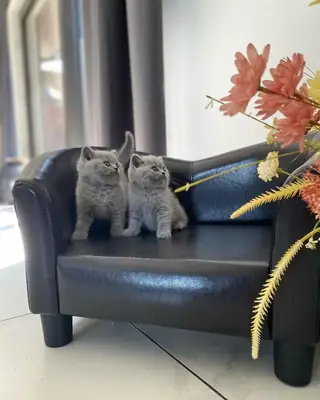
Adorable British Shorthair Kittens Looking for Loving Homes

british short hair kittes for good failly
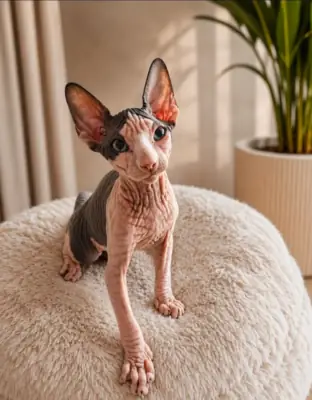
Stunning Sphynx Kittens – Ready Now

Sphynx kittens
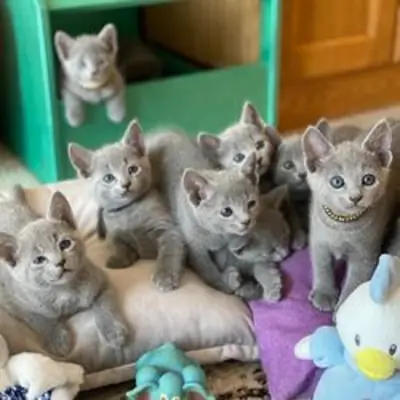
Russian Blue kittens ready for their new homes
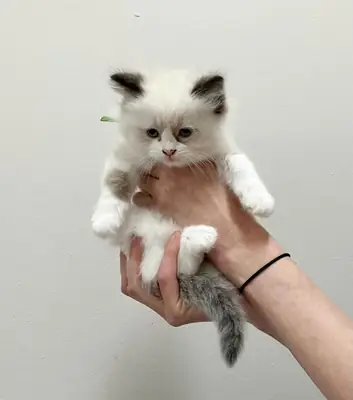
Cute Ragdoll kitten
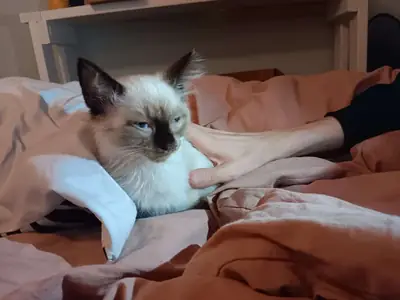
Balinese cat that enjoys human company
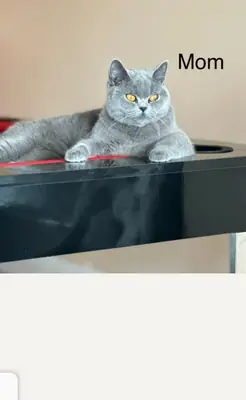
Beautiful British shorthair kittens for adoption available

Free British Shorthair from shelter
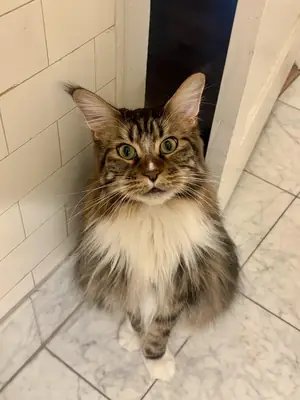
Maine coon that minds its own business
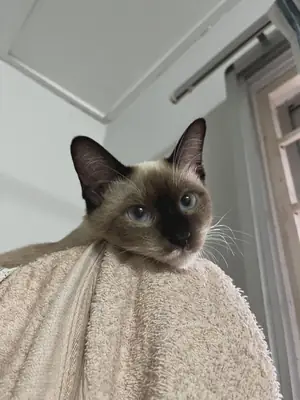
Siamese cat that doesn’t like being alone too long

Turkish van cat used to apartment life
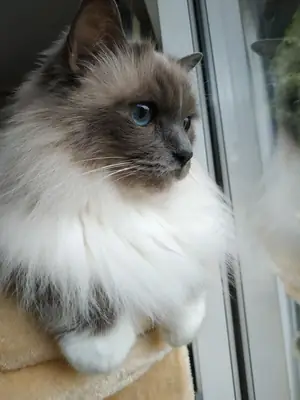
Birman cat used to quiet homes
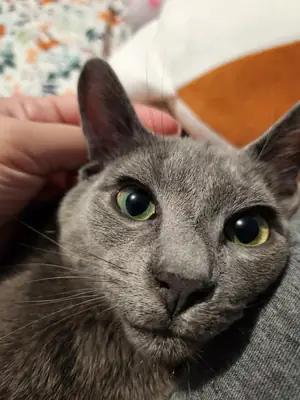
Russian blue cat raised indoors

male and female british shorthair Kittens
Haven't found the pet you're looking for? Let people who want to find a new home for their pet reach out to you.
Create your free pet adoption request listing now and be seen by thousands of pet owners.
Other listings in your area
Free British Shorthair from shelter
Russian blue cat raised indoors
Beautiful British shorthair kittens for adoption available
Turkish van cat used to apartment life
Sphynx kittens
Russian Blue kittens ready for their new homes
Popular Searches
London cat adoption listings
London cat adoption listings should help people choose a cat responsibly, not just browse cute photos. A strong listing should show the cat’s age, sex, temperament, current area, indoor or outdoor needs, microchip status, neutering details, health background and whether the cat can live with children, other cats or dogs.
On Petopic, people looking to adopt a cat in London can compare listings across areas such as Camden, Hackney, Islington, Greenwich, Croydon, Ealing, Barnet, Brent, Lewisham, Wandsworth, Tower Hamlets and nearby boroughs. The right cat is not simply the closest one; it is the cat whose routine, confidence level and home needs actually fit the adopter’s life.
Adopt a cat in London
People who search for “adopt a cat in London” usually want a clear path from browsing to bringing the cat home. They need to know whether the cat is confident, shy, playful, independent, indoor-only, used to a garden, suitable for a flat or comfortable around children and other pets.
A useful London cat adoption listing should explain the cat’s daily behaviour in plain language. Does the cat hide from visitors, enjoy being handled, need a quiet home, prefer being the only pet, scratch furniture, use a litter tray reliably or need gradual settling time? Those details matter more than a polished description.
Cat rehoming London
Cat rehoming in London often happens because of moving home, landlord restrictions, allergies, family changes, financial pressure, another pet conflict or a cat needing a quieter environment. A serious rehoming listing should be honest about the reason, because hiding the truth leads to bad matches and another stressful move for the cat.
For a rehoming listing to work, it should describe the cat’s routine, feeding habits, litter tray behaviour, outdoor access, confidence with strangers, relationship with children, tolerance of other animals and any medical needs. Rehoming is not about moving the cat quickly; it is about making sure the next home lasts.
Rescue cats for adoption in London
Rescue cats for adoption in London may come from foster homes, rescue centres, private rehoming situations or urgent care backgrounds. Some are relaxed and ready for family life; others need a patient adopter, a quiet room, slow introductions and time to trust people again.
A good rescue cat listing should not turn the cat’s story into drama and skip the practical details. It should explain whether the cat is nervous, social, playful, bonded to another cat, indoor-only, suitable for first-time owners, or better matched with someone experienced. Honest information protects both the cat and the adopter.
Kittens for adoption London
Kittens for adoption in London attract heavy interest, but choosing a kitten only because it is young is a weak decision. Kittens need play, supervision, safe rooms, litter training, socialisation, vaccinations, neutering planning, microchip details and a home that can handle their energy.
A strong kitten adoption listing should include approximate age, sex if known, health checks, litter tray progress, feeding routine, whether the kitten is part of a litter or bonded pair, and what kind of home would be suitable. A kitten is not a low-effort pet; the first months shape behaviour, confidence and long-term welfare.
Indoor cat adoption London
Indoor cat adoption is one of the strongest London-specific intents because many people live in flats, high-rise buildings or homes without safe outdoor access. An indoor cat can thrive, but only if the home provides enough enrichment, scratching areas, hiding places, window watching, play and quiet resting space.
People searching for indoor cats in London should look for listings that explain why the cat is indoor-only. Is it due to health, age, disability, previous lifestyle, nervous temperament or unsafe outdoor surroundings? The answer matters. “Indoor cat” should never be a lazy label; it should describe a cat whose needs can genuinely be met inside.
Cat adoption for flats in London
Cat adoption for flats in London requires more thought than simply choosing a calm-looking cat. The listing should make clear whether the cat is used to indoor life, can cope without outdoor roaming, needs a balcony-free safe setup, uses a litter tray reliably and handles normal household noise.
Flat suitability depends on temperament, enrichment and safety. A confident young cat with high energy may need more play and climbing space, while a senior or indoor-experienced cat may settle better into a quieter flat. If the adopter rents, permission to keep a cat should be sorted before applying.
Adult cats for adoption London
Adult cats for adoption in London can be a smart choice because their personality is usually clearer than a kitten’s. You can often understand whether the cat is affectionate, independent, nervous, playful, vocal, lap-loving, outdoor-minded or happier as the only pet.
A good adult cat listing should mention litter tray habits, grooming needs, previous home experience, health history, microchip and neutering status, and how the cat reacts to children or other animals. Adult cats are not “less desirable”; for many homes, they are the more realistic match.
Senior cat adoption London
Senior cat adoption in London is ideal for people who want a calmer companion and can offer comfort, routine and patience. Older cats may need softer bedding, easier access to food, regular vet checks, quieter spaces and a home that respects their pace.
A senior cat listing should be clear about medication, mobility, dental history, appetite, litter tray habits, grooming needs and whether the cat prefers company or independence. Adopting an older cat is not a compromise; it is a serious, kind choice when the adopter understands the responsibility.
Bonded pair cats for adoption London
Bonded pair cats for adoption are two cats who are strongly attached and should stay together. In London, this search often comes from adopters who can offer enough space, resources and stability for two cats, or from people who understand that separating bonded cats can cause stress.
A good bonded pair listing should explain the relationship between the cats. Do they sleep together, groom each other, play together, rely on each other for confidence, or simply tolerate each other? Adopting two cats can be rewarding, but the adopter must plan for double food, litter, insurance, vet care and space.
Family-friendly cats for adoption London
Family-friendly cat adoption is not about finding a cat that “likes everyone” in a vague way. The listing should explain whether the cat has lived with children, how it reacts to noise, whether it tolerates handling, whether it needs quiet space and whether it becomes stressed by busy rooms.
In London family homes, routines can be loud and unpredictable. The right cat may be confident and social, or calm and independent with clear boundaries. A reliable listing helps parents understand what daily life with that cat will actually look like before arranging a meeting.
List a cat for adoption in London
Listing a cat for adoption in London should be done with care, not panic. The listing needs the cat’s age, sex, temperament, location, microchip status, neutering status, health background, litter tray habits, indoor or outdoor needs, diet and the honest reason for rehoming.
The aim is not to get the most messages; it is to find the right home. If the cat is nervous, not suitable for children, dislikes other cats, needs outdoor access or must stay indoors, say it clearly. Honest listings attract fewer but better enquiries, which is exactly what responsible cat rehoming needs.
Frequently Asked Questions
How do I adopt a cat in London safely?
Start with listings that give real detail about the cat’s age, temperament, health background, microchip status, neutering status, litter tray habits and home needs. A safe adoption decision is based on the cat’s behaviour and welfare, not just a beautiful photo.
Ask direct questions before committing: has the cat lived with children, cats or dogs, does it need indoor-only care, is it nervous, does it have medical needs, and why is it being rehomed? If answers are vague or rushed, slow down. A good adoption process should feel transparent, not pressured.
What should a London cat adoption listing include?
A strong listing should include the cat’s name, age, sex, current location, temperament, indoor or outdoor needs, microchip status, neutering status, health history, vaccination details where known and whether the cat can live with children, other cats or dogs.
It should also be honest about challenges. Hiding litter tray issues, fearfulness, aggression, medical needs, scratching behaviour or stress around children creates failed adoptions. Clear information helps the cat reach the right home faster.
Can I adopt a cat in London if I live in a flat?
Yes, but the cat must suit flat life. Indoor-experienced cats, senior cats, cats with medical reasons to stay indoors or cats with calm temperaments may be better suited to flats than cats who are used to roaming outdoors.
The home still needs enrichment: scratching posts, climbing areas, hiding spaces, toys, safe windows and a clean litter setup. If you rent, get permission before adopting. Assuming “cats are easy in flats” without checking the cat’s needs is a weak plan.
Is a kitten or adult cat better for adoption?
Kittens need more supervision, play, litter training, socialisation and future neutering planning. They can be wonderful, but they are not low-effort. A busy London household that is away all day may not be the right fit for a young kitten.
Adult cats often have clearer personalities. You may know whether they are affectionate, independent, shy, playful, indoor-only or suitable for children. The better choice depends on your home, schedule, experience and willingness to meet the cat’s real needs.
Why is microchip information important when adopting a cat in England?
Microchip information matters because it helps identify the cat and reconnect them with the correct keeper if they go missing. In England, cats are required to be microchipped, so adoption listings should treat microchip status as basic information.
After adoption, the keeper details must be updated correctly. If the cat escapes and the microchip information is outdated, getting the cat home becomes much harder. This is not admin trivia; it directly affects the cat’s safety.
Should I adopt an indoor cat or outdoor cat in London?
The right choice depends on the cat’s history and your home. Some cats are happy indoors if they have enrichment, routine and space. Others have lived with outdoor access and may become stressed if suddenly kept inside without a proper plan.
London traffic, busy streets, balconies and shared entrances all matter. A listing should explain whether the cat is indoor-only, used to a garden, nervous outdoors or needs secure access. Do not force the cat into a lifestyle just because it suits the adopter.
Are bonded pair cats harder to adopt?
Bonded pairs can be harder to place because they need a home ready for two cats, but separating them can be unfair if they rely on each other. Some bonded cats settle better together because they bring each other confidence and comfort.
Before adopting a pair, plan for two sets of costs: food, litter, vet care, insurance, carriers and space. A bonded pair is a great choice only when the adopter is ready for the full responsibility, not just the idea of two cats looking cute together.
Can cats for adoption live with children or dogs?
Some cats can live with children or dogs, but it depends on the cat’s history, confidence and tolerance. The listing should say whether the cat has lived with children, dogs or other cats before and how they reacted.
Introductions must be slow and controlled. Throwing a cat straight into a loud family home or a house with an excited dog is a bad idea. The cat needs safe hiding places, gradual exposure and people who respect boundaries.
What should renters know before adopting a cat in London?
Renters should confirm pet permission before applying for a cat. Many London rentals have rules, restrictions or written approval requirements, and sorting this out after choosing a cat can waste time and create stress.
Renters should also think about moving plans, deposits, damage prevention, litter placement and whether the cat can cope with a smaller or changing home. A responsible adoption decision includes housing stability, not just affection for the cat.
How do I avoid unsafe cat adoption listings?
Avoid listings that pressure you to decide immediately, refuse basic questions, hide health details, use unclear photos, offer very young kittens without proper information or treat the cat like an object to be moved quickly. That is not responsible adoption.
Ask for recent photos, health background, microchip status, neutering details, litter tray habits, temperament and the reason for rehoming. If the story changes or the person avoids sensible checks, walk away. A safe adoption should be honest from the start.