Free Doberman Adoption in London
There's 1 Doberman listing live right now, last updated 24 Apr 2026. Find free Doberman adoption in ... There's 1 Doberman listing live right now, last updated 24 Apr 2026. Find free Doberman adoption in London with clear details on age, microchip transfer, vaccination status, neutering, temperament, le... There's 1 Doberman listing live right now, last updated 24 Apr 2026. Find free Doberman adoption in London with clear details on age, microchip transfer, vaccination status, neutering, temperament, lead control, recall, guarding behaviour, exercise needs and health history. Compare Doberman puppies, adult dogs and rescue listings across London before choosing a powerful, intelligent dog that needs confident handling, structured training, daily movement and a home ready for serious long-term responsibility.
Haven't found the pet you're looking for? Let people who want to find a new home for their pet reach out to you.
Create your free pet adoption request listing now and be seen by thousands of pet owners.
Other listings in your area
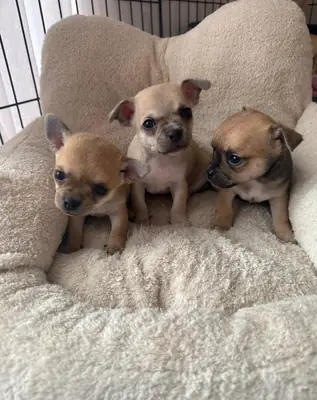
Gift male and female Chihuahua puppies
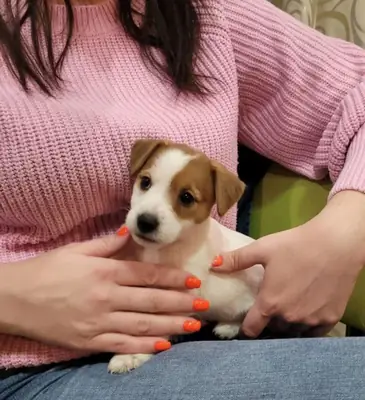
Gift male and female Jack Russell Terrier puppies
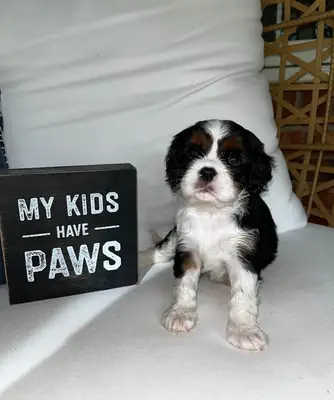
cavalier king charles spaniel for adoption

Gift a poodle puppies
Japanese Shiba Inu puppies
Boxer that enjoys being around people
Popular Searches
Free Doberman adoption London
Free Doberman adoption in London should be checked with more care than a casual dog rehoming advert. A no-fee listing still needs clear age, microchip transfer, vaccination status, neutering, vet history, training level, lead control, recall, exercise routine and the real reason the dog is being rehomed.
Dobermans are powerful, intelligent dogs with strong attachment to their people. Ask about guarding behaviour, stranger reactions, dog reactivity, separation anxiety, muzzle training, food manners, children, cats and whether the dog can stay calm around London traffic, narrow pavements, lifts, parks and visitors.
Doberman rescue London
Doberman rescue in London attracts adopters who want a loyal, impressive companion, but the real decision is behaviour, routine and owner experience. A Doberman should never be adopted because it looks strong, elegant or protective in photos.
Look for detail on handling, socialisation, walking manners, visitor behaviour, dog tolerance, recall, alone-time history, vet records and whether the dog has been safely managed in busy public spaces. A thin rescue listing leaves too much risk for this breed.
Doberman rehoming London
Doberman rehoming in London needs a direct reason for the move. Lack of time, landlord rules, guarding issues, dog conflict, pulling, separation stress, barking, work schedule changes or a house move all create different adoption risks.
Ask how long the owner has had the dog, whether it has changed homes before, whether a trainer has been involved and whether there has ever been a bite, threat display, complaint, escape or incident around strangers, children or other dogs.
Doberman dogs for adoption near me
Doberman dogs for adoption near me searches around London often include North London, South London, East London, West London, Croydon, Enfield, Ealing, Bromley, Hackney, Greenwich, Harrow, Hounslow and nearby commuter areas.
Local distance helps because you can meet safely, watch the dog move, see how it handles a lead and confirm microchip and vet records before handover. A nearby Doberman with missing behaviour detail is still a weak adoption option.
Doberman adoption Greater London
Doberman adoption across Greater London gives adopters a wider search area while keeping viewing and collection realistic. Genuine free Doberman listings may not appear in one borough every day, so widening the area can help without lowering your standards.
Compare each dog by microchip transfer, vaccination status, neutering, lead manners, recall, guarding, dog tolerance, separation history, vet records and whether the dog’s routine fits a dense urban home.
Dobermann adoption London
Dobermann adoption London searches often use the UK spelling, but the adoption checks are the same. The listing should describe the dog honestly instead of hiding real behaviour behind vague words like “protective”, “alert” or “needs confident owner”.
Ask whether the dog is calm or over-alert, trained or simply strong, sociable or selective, confident or defensive. A Doberman with poor boundaries can become difficult very quickly in the wrong London home.
Doberman rescue South London
Doberman rescue South London searches often come from adopters in Croydon, Bromley, Sutton, Lambeth, Lewisham, Wandsworth and surrounding areas. The location matters because the dog may need to cope with busy roads, shared entrances, parks and close neighbours.
Ask whether the dog can walk calmly past buses, bikes, children, joggers and other dogs. A rescue Doberman that is manageable in a quiet village may need serious support in a dense London borough.
Doberman rescue North London
Doberman rescue North London searches should focus on practical handling: pavements, parks, traffic, other dogs, flats, stairs and shared buildings. A strong Doberman must be safe to manage in normal public situations.
Ask whether the dog reacts at windows, barks in communal areas, pulls toward dogs or becomes defensive around strangers. London adoption needs real-life behaviour detail, not just “friendly once he knows you”.
Free Doberman puppies London
Free Doberman puppies in London should trigger caution. Genuine rehoming can happen, but a free large-breed puppy still needs exact age, microchip details, vaccination plan, worming, flea treatment, vet checks and a clear reason for rehoming.
Ask about socialisation, bite inhibition, crate routine, toilet training, food manners, handling and exposure to normal household noise. A cute Doberman puppy without structure grows into a powerful dog with habits that are much harder to repair.
Doberman puppy adoption London
Doberman puppy adoption in London needs early structure because this breed grows into a fast, strong and alert adult dog. Mouthing, jumping, guarding, pulling and poor recall should not be ignored as “just puppy behaviour”.
Ask whether the puppy is confident, handled calmly, used to collars, visitors, car travel, short separations and gentle grooming. Early boundaries matter more than the puppy’s colour or size.
Adult Doberman adoption London
Adult Doberman adoption in London can be a strong choice because the dog’s real size, confidence, training, guarding, energy and home habits are already visible. You can ask direct questions instead of guessing future temperament.
Check microchip transfer, vaccination status, neutering, lead control, recall, dog tolerance, stranger behaviour, alone-time ability, heart history and whether the dog settles after exercise. Adult Dobermans can be excellent matches when the history is honest.
Senior Doberman adoption London
Senior Doberman adoption in London can suit a calm home that still understands large-dog care. Older Dobermans may need heart checks, joint support, weight control, dental care, comfortable bedding and a realistic walking routine.
Ask about stiffness, lumps, appetite, medication, fainting, coughing, breathing, mobility, stairs, sleep, toileting and how much exercise the dog genuinely enjoys. A senior Doberman needs comfort and stability, not a home pretending age does not matter.
Trained Doberman adoption London
Trained Doberman adoption in London should explain what “trained” actually means. House trained, lead trained, recall trained, muzzle trained, crate trained, obedience trained and protection trained are not the same thing.
Ask to see calm responses in normal situations. A Doberman that sits indoors but lunges at dogs, guards visitors or pulls hard near roads is not trained in the way a London adopter needs.
Doberman for experienced owner London
Doberman for experienced owner London searches are sensible because this breed often needs calm handling, clear rules and consistent training. Experience matters most when the dog is strong, anxious, reactive, over-alert or under-socialised.
Ask whether the current owner will only consider experienced homes, whether the dog needs ongoing training and whether there are triggers around strangers, dogs, doors, food, visitors or busy public spaces.
Doberman for active home London
A Doberman for an active home in London can be a strong match when the adopter has time for walks, training, enrichment and calm boundaries. Activity should be structured, not chaotic or occasional.
Ask whether the dog enjoys training, scent games, controlled running, long-line work, obedience and calm settling afterwards. A Doberman that is exercised hard but never taught to switch off can still become difficult indoors.
Doberman with children London
A Doberman with children can work when the dog is stable, well-trained and managed by adults who understand size and boundaries. The risk is strength, excitement and protectiveness, not just temperament.
Ask what ages of children the dog has lived with, whether it jumps, mouths, guards toys, reacts to shouting or becomes protective around the family. “Good with kids” needs examples, not a slogan.
Doberman with other dogs London
A Doberman with other dogs can work if play style, confidence and boundaries match. Some Dobermans are sociable; others become intense, selective, frustrated or reactive when introductions are rushed.
Ask whether the dog has lived with dogs, whether it guards food or toys, whether it can pass dogs calmly on lead and whether it recalls away from play. London parks need control, not just friendliness.
Doberman with cats London
A Doberman with cats needs careful checking because chase drive, excitement and size can make mistakes serious. A dog that is gentle with people may still chase a running cat.
Ask whether the dog has lived with cats, whether it fixates, stalks, chases, barks or can settle in the same room. Cat-safe should be proven through history and controlled introductions, not assumed from friendliness.
Doberman for flat living London
A Doberman can live in a London flat only when exercise, barking, stairs, lift access, neighbours, alone time and calm settling are genuinely managed. The issue is not simply floor space; it is whether the dog’s body and brain are properly used every day.
Ask whether the dog reacts to corridor noise, barks at doors, guards the entrance, handles lifts and can rest after walks. A flat with a lazy routine is a poor fit for this breed.
Doberman in London parks
A Doberman in London parks needs recall, lead manners and calm behaviour around dogs, joggers, cyclists, children, footballs and wildlife. Park freedom should be earned through training, not assumed because the dog is friendly at home.
Ask whether the dog can pass dogs calmly, come back when called, ignore food on the ground and stay neutral around fast movement. A powerful dog with poor recall is not ready for off-lead city parks.
Doberman guarding behaviour adoption
Doberman guarding behaviour should be discussed before adoption because alertness can become a real problem if the dog guards doors, windows, people, beds, food or the home. Calling it “protective” is not enough.
Ask what the dog does when visitors arrive, whether it barks, blocks, lunges, growls, snaps or calms when asked. Responsible adoption means understanding control, not admiring intensity.
Doberman stranger reactivity London
Doberman stranger reactivity in London is a serious adoption question because strangers are everywhere: pavements, lifts, shared entrances, parks, cafés, buses and vet waiting rooms. A dog that needs huge distance from people may struggle in the wrong area.
Ask whether the dog stares, stiffens, barks, growls, lunges, hides or recovers quickly around unfamiliar people. The answer changes what kind of home, street and walking routine is realistic.
Doberman separation anxiety adoption
Doberman separation anxiety should be one of the first adoption questions because many Dobermans bond closely with their people. Some bark, pace, chew, scratch doors, howl or panic when left alone.
Ask how long the dog can be left, what happens when the owner leaves, whether crate training helps or worsens it and whether neighbours have complained. Do not adopt a Doberman into a long-hours home without this answer.
Doberman lead pulling London
Doberman lead pulling in London matters because a strong dog that pulls hard can become unsafe around traffic, buses, prams, cyclists, school gates and crowded pavements. Lead manners are not a cosmetic issue with this breed.
Ask whether the dog walks on a loose lead, lunges at triggers, wears a headcollar or harness, and whether a smaller or less experienced handler can control it. Strength without training is a daily risk.
Doberman recall training adoption
Doberman recall training should be checked before adoption because this breed is fast, powerful and highly noticeable in public. Weak recall can create risk around dogs, people, livestock, roads or park exits.
Ask whether recall works around real distractions, whether a long line is used, whether the dog has ever run off and whether off-lead exercise is currently safe. Recall that only works indoors is not enough.
Doberman muzzle training London
Doberman muzzle training in London is not automatically a red flag. A comfortable muzzle can be useful for vet visits, grooming, public transport areas, training, safety management or dogs with known triggers.
Ask whether the dog has been muzzle trained positively, whether it accepts handling at the vet and whether there are any bite or warning incidents. Honest safety tools are better than denial.
Doberman exercise needs adoption
Doberman exercise needs should be clear before adoption. This dog usually needs proper daily movement, training and mental work, not just a short pavement walk and a garden door.
Ask what the dog currently does each day, whether boredom causes barking or chewing, whether it enjoys scent games, obedience, controlled running or structured play, and whether it can rest after activity.
Doberman DCM adoption
Doberman DCM adoption checks are serious because dilated cardiomyopathy is one of the major health concerns in the breed. A dog can look fit and active while still needing heart monitoring.
Ask whether the dog has had a heart scan, Holter monitoring, blood testing, murmur, fainting, coughing, fast breathing, reduced exercise tolerance, medication or family history of heart disease. Heart questions are not optional with this breed.
Doberman von Willebrand disease adoption
Doberman von Willebrand disease adoption checks matter because this inherited bleeding disorder can affect surgery, injury care and emergency planning. A seller or owner should not ignore bleeding history.
Ask whether the dog has had DNA testing, unusual bleeding, nosebleeds, heavy bleeding after injury, slow clotting, surgery concerns or known family history. A healthy-looking Doberman still needs honest records.
Doberman Wobbler syndrome adoption
Doberman Wobbler syndrome adoption checks are important because neck and spinal problems can affect movement, pain, balance and long-term care. A wobbly gait should never be brushed off as clumsiness.
Ask whether the dog has neck pain, weakness, dragging feet, unstable walking, scans, medication or exercise restrictions. Movement should be watched carefully before any adoption decision.
Doberman hip dysplasia adoption
Doberman hip dysplasia adoption checks matter because joint pain can affect walking, running, stairs and behaviour. London homes with stairs, lifts, hard floors or long pavement walks need realistic planning.
Ask whether the dog has hip scores, X-rays, stiffness, limping, bunny-hopping, trouble rising, pain relief or surgery discussions. For puppies, ask about parent hip history where known.
Doberman bloat risk adoption
Doberman bloat risk should be discussed because deep-chested dogs can be vulnerable to stomach emergencies. Feeding routine, speed of eating and exercise around meals should be managed sensibly.
Ask whether the dog gulps food, exercises hard straight after meals, has had stomach problems or needs a slow feeder. A serious Doberman adoption should include practical daily-risk management.
Doberman skin and coat adoption
Doberman skin and coat adoption checks matter because short coats can show thinning hair, irritation, allergies, pressure marks and thyroid-related changes clearly. A glossy photo is not enough.
Ask about itching, bald patches, ear problems, skin infections, food reactions, medication and whether a vet has checked thyroid or allergy concerns. Coat condition often tells you how the dog has been cared for.
Microchipped Doberman adoption London
A microchipped Doberman adoption listing in London should explain how keeper details will be transferred. The chip should match the dog, and current keeper information should be accurate before handover.
This matters especially with a large, athletic dog that may panic, escape or be difficult for strangers to handle if lost. Identity details should be correct from day one.
Vaccinated Doberman rehoming London
Vaccinated Doberman rehoming in London should include what has been given, what is due next and whether a vet record is available. “Healthy” is too vague for a large breed changing homes.
Ask about boosters, worming, flea treatment, ears, skin, weight, heart checks, joint history, medication and recent illness. A proper health picture protects both the dog and adopter.
Neutered Doberman adoption London
Neutered Doberman adoption in London can make management clearer, especially with adult dogs. Neutering does not automatically solve guarding, reactivity, anxiety, pulling or poor training.
Ask whether the dog is neutered, when it was done, whether recovery was normal and whether behaviour or weight changed afterwards. If not neutered, ask what a vet has advised.
Doberman adoption fee London
Doberman adoption fee London searches usually compare free rehoming, private adoption and rescue-style processes. Free does not automatically mean cheaper if training, secure equipment, behaviour support, insurance, heart monitoring or joint care are needed.
A no-fee Doberman with poor lead control, hidden anxiety, missing records and unclear health history can cost far more than expected. Judge the adoption by evidence, not by the absence of a fee.
Doberman adoption scam London
Doberman adoption scams in London can use stolen photos, fake rescue stories, delivery-only offers, urgent deposits, missing microchip details and vague ownership claims. Powerful-breed photos can make people act too quickly.
Ask for current videos, proof of ownership, microchip details, vet records, a clear reason for rehoming and a safe viewing or collection plan. If the person avoids proof but pushes speed, walk away.
Frequently Asked Questions
What should I check before adopting a free Doberman in London?
Check the dog’s age, microchip, vaccination status, neutering, vet records, training level, lead control, recall, guarding behaviour, separation tolerance and reason for rehoming.
For a Doberman, also ask about DCM, von Willebrand disease, Wobbler syndrome, hip history, bloat risk, skin issues and whether the dog has lived with children, dogs or cats.
Is a Doberman a good adoption dog?
A Doberman can be an excellent adoption dog for an active, structured home that understands training, boundaries and daily exercise.
It is not a good fit for people who want a low-effort dog, a status symbol or a dog left alone for long hours without preparation.
Are Dobermans suitable for first-time owners?
Dobermans can be challenging for first-time owners because they are strong, alert, intelligent and sensitive to poor handling.
A first-time adopter should be ready for training, socialisation, lead control, recall work, calm boundaries and possibly professional support.
Are Dobermans good family dogs?
Dobermans can be good family dogs when they are well trained, properly socialised and managed by adults who understand the breed.
Ask whether the dog has lived with children, whether it jumps, mouths, guards toys or becomes protective around family members.
Are Dobermans good with children?
Some Dobermans are good with children, but size, strength, excitement and guarding behaviour must be taken seriously.
Ask what ages of children the dog has lived with, whether it has ever mouthed, knocked over, growled, guarded or reacted badly to noise.
Can a Doberman live in a London flat?
A Doberman may live in a flat only if exercise, barking, neighbours, lifts, stairs, alone time and calm settling are managed properly.
Ask whether the dog reacts to corridor noise, barks at doors, guards shared entrances or becomes distressed when left.
Can Dobermans live with other dogs?
A Doberman can live with other dogs if personalities, play style and boundaries match.
Ask whether the dog has lived with dogs, whether it guards food or toys, reacts on lead or can recall away from play.
Can a Doberman live with cats?
A Doberman may live with cats if it has the right history and calm behaviour around them.
Ask whether the dog chases, fixates, stalks, barks or can settle in the same room before assuming a cat-safe match.
How much exercise does a Doberman need?
A Doberman needs daily exercise plus mental work such as training, scent games, controlled play or structured obedience.
Ask what the dog currently does each day and whether boredom causes barking, chewing, pacing, jumping or destructive behaviour.
Can a Doberman be left alone?
Some Dobermans can be left for reasonable periods if they are trained gradually, but many struggle if they bond strongly and lack routine.
Ask how long the dog can be left, whether it barks, chews, scratches doors, howls, paces or becomes distressed when alone.
Are Dobermans prone to separation anxiety?
Dobermans can become very attached to their people, so separation-related problems should be checked before adoption.
Ask what happens when the dog is left, whether crate training helps or worsens it and whether gradual alone-time training has been tried.
Do Dobermans guard the home?
Some Dobermans are naturally alert and may guard people, doors, windows, beds, food or territory if not trained properly.
Ask exactly what the dog does when visitors arrive and whether it can be interrupted, redirected and settled calmly.
Are Dobermans aggressive?
A Doberman is not automatically aggressive, but poor breeding, weak socialisation, fear, guarding, pain or bad handling can create serious behaviour problems.
Ask about bite history, growling, lunging, resource guarding, stranger reactions and whether a trainer or behaviourist has been involved.
Should a Doberman be muzzle trained?
Muzzle training can be useful for vet visits, grooming, public safety, training or dogs with known triggers.
A muzzle should be introduced positively and should not be used to hide serious behaviour information from an adopter.
Do Dobermans pull on the lead?
Some Dobermans pull strongly, especially when excited, undertrained or reactive around dogs, people, traffic or movement.
Ask whether the dog walks on a loose lead and whether it can be managed safely on busy London pavements.
Can Dobermans be off lead in parks?
A Doberman should only be off lead where it is legal, safe and has reliable recall around real distractions.
Ask whether recall works around dogs, joggers, cyclists, children, wildlife, food and park exits before trusting off-lead exercise.
What health problems should I ask about in a Doberman?
Ask about dilated cardiomyopathy, von Willebrand disease, Wobbler syndrome, hip dysplasia, bloat risk, thyroid issues, skin problems, medication and recent vet visits.
A Doberman does not need a perfect health history to be adoptable, but the history must be honest enough for proper care planning.
What is DCM in Dobermans?
DCM means dilated cardiomyopathy, a serious heart condition that is an important concern in Dobermans.
Ask whether the dog has had a heart scan, Holter monitoring, blood testing, murmur, fainting, coughing, fast breathing, medication or family history of heart disease.
What is von Willebrand disease in Dobermans?
Von Willebrand disease is an inherited bleeding disorder that can affect surgery, injury care and emergency planning.
Ask whether the dog has had DNA testing, unusual bleeding, nosebleeds, heavy bleeding after injury or known family history.
What is Wobbler syndrome in Dobermans?
Wobbler syndrome involves neck and spinal problems that can affect movement, balance and pain levels.
Ask whether the dog has neck pain, weakness, dragging feet, unstable walking, scans, medication or exercise restrictions.
Do Dobermans get hip dysplasia?
Dobermans can have joint problems, so movement and hip history should be checked before adoption.
Ask about hip scores, X-rays, stiffness, limping, difficulty rising, pain relief or surgery discussions.
Are Dobermans at risk of bloat?
Deep-chested dogs such as Dobermans can be at risk of stomach emergencies, so feeding and exercise routines should be discussed.
Ask whether the dog gulps food, exercises hard straight after meals or has had previous stomach problems.
Should a Doberman be microchipped before adoption?
Yes, the dog should be microchipped, and keeper details should be transferred correctly after adoption.
Ask for the microchip number, database process and proof that the dog matches the listing.
Should a Doberman be vaccinated before rehoming?
Vaccination status should be clear before rehoming. Ask what has been given, what is due next and whether a vet record is available.
Also ask about worming, flea treatment, ears, skin, weight, heart checks, joint history and any current medication.
Should a Doberman be neutered before adoption?
Neutering can make management clearer, especially with adult dogs, but it does not automatically solve guarding, reactivity or anxiety.
Ask whether the dog is neutered, when it was done, whether recovery was normal and whether a vet has advised anything further.
Is an adult Doberman better than a puppy?
An adult Doberman can be easier to assess because size, strength, temperament, training, guarding and home habits are already visible.
A puppy gives more time to shape behaviour, but it also needs serious socialisation, bite inhibition, recall work and calm boundaries from the beginning.
How do I avoid Doberman adoption scams in London?
Watch for stolen photos, delivery-only offers, urgent deposits, missing microchip details, no vet records and vague rehoming stories.
Ask for current videos, proof of ownership, microchip details, vet history, safe viewing or collection and a clear reason for rehoming.
What should I prepare before bringing a Doberman home?
Prepare a secure lead, strong harness, ID tag, bed, bowls, familiar food, enrichment toys, training treats, safe boundaries and vet registration.
Keep the first week structured with calm walks, clear house rules, gradual alone-time work, controlled introductions and enough rest after activity.