London English Lop Rabbit Adoption
There's 1 English Lop listing live right now, last updated 27 Apr 2026. Find English Lop rabbits for... There's 1 English Lop listing live right now, last updated 27 Apr 2026. Find English Lop rabbits for adoption in London on Petopic and compare local listings for gentle, long-eared rabbits that need s... There's 1 English Lop listing live right now, last updated 27 Apr 2026. Find English Lop rabbits for adoption in London on Petopic and compare local listings for gentle, long-eared rabbits that need spacious housing, careful ear checks, soft dry flooring and a calm home prepared for proper rabbit care. Browse English Lop Rabbit adoption options across London, Croydon, Bromley, Enfield, Barnet, Ealing, Richmond, Kingston, Wembley, Romford and Greater London by age, sex, bonded status, neutering, vaccination notes, litter habits, ear condition, mobility, indoor or outdoor setup, children, other rabbits and reason for rehoming, so you can adopt a rabbit with real welfare information instead of choosing only by the dramatic ears.
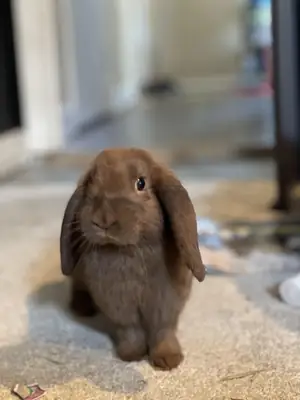
Haven't found the pet you're looking for? Let people who want to find a new home for their pet reach out to you.
Create your free pet adoption request listing now and be seen by thousands of pet owners.
Popular Searches
English Lop rabbits for adoption in London
English Lop rabbits for adoption in London should be chosen by welfare, space and handling needs, not just by their huge ears and striking look. This is a rabbit breed with very long ears, so the adoption listing needs to explain ear condition, flooring, housing, grooming, health checks and daily care clearly.
On Petopic, London English Lop Rabbit adoption listings should help you compare age, sex, location, bonded status, neutering, vaccination notes, litter habits, ear health, mobility, indoor or outdoor setup, children, other rabbits and reason for rehoming. A strong listing makes the rabbit’s real care needs obvious before anyone applies.
Adopt an English Lop Rabbit in London
To adopt an English Lop Rabbit in London responsibly, start by asking whether your home can support a rabbit’s actual needs: space to move, safe flooring, daily hay, clean water, enrichment, hiding places, vet care and companionship. A rabbit is not a low-effort cage pet.
Before choosing, check whether the rabbit is already bonded, whether it is neutered, whether vaccinations are up to date, whether the ears drag or become dirty, and whether the current housing setup can be improved. English Lops need thoughtful care from day one, not a rushed handover.
Long-eared rabbit adoption London
Long-eared rabbit adoption in London attracts people because the appearance is unusual, but long ears are not just a cute feature. They can make the rabbit more vulnerable to soiling, stepping, injury and hidden ear problems if the environment is not clean, dry and carefully managed.
A useful listing should describe the rabbit’s ear condition, whether the ears have sores or dirt, whether the rabbit tolerates checks, what flooring it lives on and whether a rabbit-savvy vet has examined it. With long-eared rabbits, ear care is part of everyday welfare.
English Lop Rabbit rescue London
English Lop Rabbit rescue in London may involve rabbits rehomed because of lack of space, vet costs, housing changes, bonding problems, children losing interest or owners underestimating rabbit care. The reason for rehoming matters because it shows what must be different in the next home.
A rescue-style listing should explain whether the rabbit is single or bonded, neutered, vaccinated, litter trained, confident with handling, suitable for indoor or outdoor living and whether it has any ear, dental, mobility or digestive history. Rescue adoption should be practical, not just emotional.
English Lop Rabbit pair adoption London
Rabbit pair adoption is often the healthiest route because rabbits are social animals and many do best with a compatible rabbit companion. If an English Lop is already bonded, separating it from its companion can cause stress and behaviour changes.
A good listing should say whether the rabbits are a bonded pair, whether both are neutered, how they interact, whether they share food and litter areas peacefully and whether they must stay together. A bonded pair is not “two rabbits for the sake of it”; it can be the rabbit’s emotional stability.
Single English Lop Rabbit adoption London
A single English Lop Rabbit adoption needs careful thought. If the rabbit is currently alone, the future home should ask whether bonding with a suitable neutered rabbit is possible, whether the rabbit has lived with another rabbit before and whether it shows stress from being solitary.
The listing should not simply say “single rabbit” and move on. It should explain personality, bonding history, neutering, behaviour around other rabbits and what type of companion may suit. A rabbit should not be left lonely because the adopter did not understand rabbit social needs.
Indoor English Lop Rabbit adoption London
Indoor English Lop Rabbit adoption can work well in London homes if the space is properly rabbit-proofed. Wires, skirting boards, houseplants, carpets, slippery floors, stairs and small gaps all need attention before the rabbit arrives.
A useful listing should say whether the rabbit is used to indoor life, whether it is litter trained, whether it chews furniture, whether it handles household noise and whether its ears stay clean on the current flooring. Indoor living should mean safe free movement, not a cramped cage in a spare corner.
Outdoor English Lop Rabbit adoption London
Outdoor English Lop Rabbit adoption needs more than a hutch. The rabbit needs secure space to run, weather protection, predator-proof housing, dry bedding, shade, ventilation and flooring that will not damage or soil the ears.
In London, outdoor setups must also handle fox risk, damp weather, heatwaves and noise. A listing should explain whether the rabbit currently lives outdoors, whether it has a secure run, whether the ears stay clean and whether the rabbit can be safely moved indoors during extreme weather.
English Lop Rabbit ear care adoption
Ear care is the make-or-break issue for many English Lop Rabbits. Their long ears can touch the ground, collect dirt, become stepped on, develop soreness or hide problems that are not obvious from a quick photo. The ears need regular checks and a clean living surface.
A strong adoption listing should mention whether the ears are clean, whether there has been infection, scratching, head shaking, sores, vet treatment or discomfort. If ear health is not mentioned at all, ask before applying.
English Lop Rabbit for families London
An English Lop Rabbit may suit a family if the adults understand rabbits and children are taught gentle behaviour. Rabbits are prey animals; many dislike being grabbed, carried, chased or handled roughly, even if they look calm.
A family-focused listing should say whether the rabbit is confident with children, accepts gentle stroking, panics when lifted, nips when stressed or needs a quieter adult home. “Good with children” is too weak unless the listing explains what that means in daily life.
English Lop Rabbit with other pets London
English Lop Rabbits should not be matched with other household pets by guesswork. Dogs, cats and rabbits can create stress or danger if introductions and housing are not properly controlled. Even a calm dog or cat can frighten a rabbit.
A useful listing should say whether the rabbit has lived around dogs, cats or only other rabbits, and whether it becomes stressed by barking, chasing or sudden movement. The safest companion for most rabbits is usually a compatible rabbit, not a different species.
English Lop Rabbit diet and hay needs
An English Lop Rabbit’s diet should be built around constant access to good hay, with fresh water, suitable greens and controlled pellets. A rabbit that is fed mostly mixes, treats or unsuitable foods can develop serious digestive and dental problems.
A good listing should mention the rabbit’s current diet, appetite, hay eating, weight, dental history and any digestive concerns. Diet is not a side note in rabbit adoption; it is one of the main reasons rabbits stay healthy or become unwell.
English Lop Rabbit neutering and vaccinations
Neutering and vaccinations should be checked before adopting an English Lop Rabbit. Neutering can support safer bonding and reduce unwanted breeding, while vaccinations help protect rabbits from serious diseases. These are basic welfare details, not optional extras.
A trustworthy listing should state whether the rabbit is neutered, when it was vaccinated, whether there are vet records and whether any follow-up care is due. If the listing is silent on these points, ask directly before arranging a meeting.
English Lop Rabbits for adoption near London
The right English Lop Rabbit may be in London, Croydon, Bromley, Enfield, Barnet, Ealing, Richmond, Kingston, Wembley, Romford, Watford, Dartford or another nearby area. A close location helps with visits and handover, but it should not matter more than welfare fit.
A better-matched rabbit slightly outside London is worth more than a rushed local adoption with weak information. Compare housing needs, bonded status, ear condition, neutering, vaccinations, litter habits, diet, handling and reason for rehoming before deciding.
Frequently Asked Questions
How do I adopt an English Lop Rabbit in London?
Start by reading the full listing carefully. Check the English Lop Rabbit’s age, sex, location, bonded status, reason for rehoming, neutering, vaccination notes, litter habits, ear condition, diet, housing setup and whether the rabbit is suited to indoor or outdoor living.
Before agreeing to adopt, ask how the rabbit handles people, whether it has lived with another rabbit, whether the ears have had sores or infections, and what kind of space the new home must provide. A safe adoption is built on clear welfare information, not speed.
What is an English Lop Rabbit like?
An English Lop Rabbit is known for its extremely long ears and larger, distinctive appearance. The breed can be gentle and appealing, but those ears create extra care needs that should not be ignored.
The listing should describe the real rabbit, not just the breed: confidence with people, handling tolerance, litter habits, diet, ear health, mobility, bonded status and housing needs.
Do English Lop Rabbits need special ear care?
Yes. English Lop Rabbits need careful ear monitoring because their ears are very long and may touch the floor. The ears should be kept clean, dry and protected from rough surfaces, trampling, sores and hidden infection.
Before adopting, ask whether the rabbit has had ear infections, head shaking, scratching, wounds, soiling, vet treatment or discomfort. Ear health should be one of the first checks in any English Lop listing.
Can an English Lop Rabbit live alone?
Rabbits are social animals, and many do best with a compatible rabbit companion. If an English Lop is already bonded, that bond should be respected unless there is a serious welfare reason not to.
If the rabbit is currently single, ask about bonding history, neutering and whether a suitable companion may be needed. Human attention is valuable, but it does not always replace the companionship of another rabbit.
Can an English Lop Rabbit live indoors?
Yes, an English Lop Rabbit can live indoors if the home is rabbit-proofed and spacious enough. Wires, unsafe plants, carpets, stairs, skirting boards and slippery floors need attention before the rabbit arrives.
The listing should say whether the rabbit is litter trained, used to household noise, confident indoors and able to move comfortably without damaging its ears. Indoor living should mean safe space and enrichment, not cage confinement.
Can an English Lop Rabbit live outdoors?
Outdoor living can work only if the setup is secure, dry, spacious, weather-protected and predator-proof. A small hutch is not enough for a rabbit to live well.
For an English Lop, the floor and bedding matter because the ears can drag or become dirty. Ask whether the current outdoor setup keeps the rabbit clean, dry, warm in winter and shaded in summer.
Are English Lop Rabbits good for children?
English Lop Rabbits may live in families with children if adults supervise and children understand calm, gentle interaction. Rabbits are prey animals and many dislike being lifted, chased or handled roughly.
The listing should say whether the rabbit has experience with children, whether it panics when picked up, whether it nips when stressed and whether it needs a quieter home. Family suitability should be based on the individual rabbit’s behaviour.
What should an English Lop Rabbit eat?
A rabbit’s diet should be centred on constant access to good hay, with fresh water, suitable greens and measured pellets. Treats, mixes and poor diets can cause digestive and dental problems.
Before adopting, ask what the rabbit currently eats, whether it eats hay well, whether it has dental history, weight issues or digestive problems. Diet details are essential in a trustworthy rabbit listing.
Should an English Lop Rabbit be neutered and vaccinated?
Neutering and vaccinations should be discussed before adoption. Neutering can help with bonding and prevents unwanted litters, while vaccinations help protect rabbits from serious disease.
A reliable listing should state whether the rabbit is neutered, whether vaccinations are up to date, whether vet records exist and whether future treatment is due. If these details are missing, ask directly.
What makes a London English Lop Rabbit adoption listing trustworthy?
A trustworthy listing includes real photos, location, age, sex, bonded status, reason for rehoming, neutering, vaccination notes, ear condition, litter habits, diet, housing setup, handling behaviour and whether the rabbit is suited to indoor or outdoor living.
A weak listing only says the rabbit is cute, rare, friendly or urgent without explaining how it actually lives. With an English Lop Rabbit, honest details about ears, space, social needs, diet and vet care are essential for a stable adoption.