Maine Coon Cats for Free Adoption in London
There's 1 Maine Coon listing live right now, last updated 23 Mar 2026. Find Maine Coon cats for free... There's 1 Maine Coon listing live right now, last updated 23 Mar 2026. Find Maine Coon cats for free adoption in London with clear details on age, microchip transfer, vaccination status, neutering, te... There's 1 Maine Coon listing live right now, last updated 23 Mar 2026. Find Maine Coon cats for free adoption in London with clear details on age, microchip transfer, vaccination status, neutering, temperament, coat care, grooming routine, indoor or outdoor history and health records. Compare Maine Coon kittens, adult cats and rescue listings across London before choosing a large, affectionate cat that needs space, brushing, enrichment, weight control and honest long-term care.
Haven't found the pet you're looking for? Let people who want to find a new home for their pet reach out to you.
Create your free pet adoption request listing now and be seen by thousands of pet owners.
Quick Information
Other listings in your area
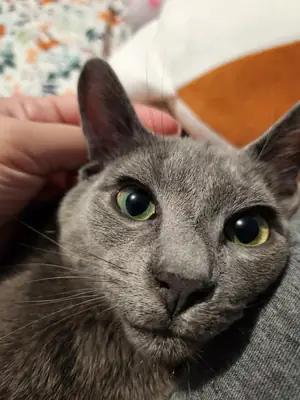
Russian blue cat raised indoors
british short hair kittes for good failly
Beautiful British shorthair kittens for adoption available
Cute Ragdoll kitten
Balinese cat that enjoys human company
Adorable British Shorthair Kittens Looking for Loving Homes
Popular Searches
Maine Coon cats for free adoption in London
Maine Coon cats for free adoption in London should be checked by size, health, coat care and home fit, not only by the excitement of finding a large pedigree-type cat with no adoption fee. A strong listing should state the cat’s age, microchip transfer, vaccination status, neutering, vet records, grooming routine, litter habits, diet and the real reason for rehoming.
Maine Coons are big, sociable cats with heavy coats and active minds. Ask whether the cat accepts brushing, uses the litter tray reliably, copes with children, dogs or other cats, has lived indoors or outdoors, and has any heart, hip, knee, dental or weight history before committing to adoption.
Free Maine Coon adoption London
Free Maine Coon adoption in London can be genuine, but the absence of a fee should make you more careful, not less. Maine Coons are desirable cats, so unclear ownership, rushed handover, missing microchip details and vague health claims need hard checking.
Ask for current photos or videos, proof that the cat matches the listing, microchip details, vet history, grooming information and a clear explanation of why the cat is being rehomed. Free should still mean safe, documented and honest.
Maine Coon rescue London
Maine Coon rescue in London should focus on temperament, body condition, coat health and routine before appearance. A rescue Maine Coon may be gentle and affectionate, but it may also need patient grooming, calm settling and careful introductions after a home change.
Ask whether the cat is confident, shy, playful, vocal, clingy, independent, used to brushing, happy with handling and settled around normal household noise. A huge fluffy cat can still hide stress, matting, dental pain or poor previous care.
Maine Coon rehoming London
Maine Coon rehoming in London needs a clear reason for the move. Owner illness, allergy, moving home, cost, grooming difficulty, another pet conflict, litter issues, landlord problems or anxiety around children all create different adoption risks.
Ask how long the owner has had the cat, whether it has changed homes before, whether vet records exist and whether the cat accepts brushing without stress. A Maine Coon with a matted coat or vague rehoming reason needs slower checking, not faster adoption.
Adopt a Maine Coon London
To adopt a Maine Coon in London, look for a cat whose real daily needs fit your home. This breed can be affectionate, playful and people-aware, but its size, coat and enrichment needs make it different from a small short-haired cat.
Ask whether the cat enjoys play, climbing, brushing, quiet resting areas and social contact. The right Maine Coon adoption is based on routine, space and care capacity, not just the breed’s impressive look.
Maine Coon cats for adoption near me
Maine Coon cats for adoption near me searches around London often include North London, South London, East London, West London, Croydon, Enfield, Ealing, Bromley, Richmond, Hackney, Greenwich, Harrow and nearby commuter areas.
Local distance helps because you can meet safely, check coat condition, see movement, confirm microchip details and ask for vet records before handover. A nearby Maine Coon with no grooming or health detail is still a weak adoption option.
Maine Coon adoption Greater London
Maine Coon adoption across Greater London gives adopters a wider search area while keeping viewing and collection realistic. Genuine free Maine Coon listings may not appear in one borough every day, so widening the area can help without lowering your standards.
Compare each cat by microchip transfer, vaccination status, neutering, grooming routine, matting, temperament, indoor or outdoor history, body condition and heart or joint health information. Do not let rarity push you into a rushed adoption.
Maine Coon rescue South London
Maine Coon rescue South London searches often come from adopters in Croydon, Bromley, Sutton, Lambeth, Lewisham, Wandsworth and surrounding areas. The local home setup matters because a large cat needs proper litter space, climbing options and safe resting areas.
Ask whether the cat has lived in a flat or house, whether it handles visitors, whether it accepts grooming and whether it needs indoor-only life. A Maine Coon should not be squeezed into a home that cannot handle its size and coat care.
Maine Coon rescue North London
Maine Coon rescue North London should be judged by practical home fit: space, stairs, secure windows, brushing routine, litter tray size, activity level and noise tolerance. The cat’s size makes ordinary cat equipment unsuitable in some homes.
Ask whether the cat uses large trays, jumps safely, climbs confidently, tolerates grooming and settles around corridor noise or visitors. London adoption needs real daily-life detail, not just attractive photos.
Large cat adoption London
Large cat adoption in London often leads people to Maine Coons because of their size, thick coat and social personality. A large cat needs more than standard bowls and a small corner tray.
Ask about current weight, body condition, litter tray size, climbing habits, joint comfort, grooming tolerance and whether the cat has enough room to move comfortably. Big should mean properly supported, not overfed or cramped.
Gentle giant cat adoption London
Gentle giant cat adoption London searches usually point toward Maine Coons, but “gentle giant” should not be treated as a guarantee. Individual cats still vary in confidence, handling tolerance, noise sensitivity and pet compatibility.
Ask whether the cat enjoys being touched, whether it tolerates brushing, whether it hides from visitors and whether it has ever scratched when overstimulated. A large calm-looking cat still needs a proper temperament check.
Free Maine Coon kittens London
Free Maine Coon kittens in London should trigger caution. Genuine rehoming can happen, but rare-breed kitten listings can also attract stolen photos, hidden costs, rushed deposits and unclear ownership.
Ask the kitten’s exact age, whether it eats independently, whether vaccination has started, whether microchip timing is clear, whether the mother is known and why the kitten is being rehomed for free. A huge-pawed kitten photo is not proof.
Maine Coon kitten adoption London
Maine Coon kitten adoption in London needs planning because this kitten may grow into a very large, active and strong adult cat. A kitten should already be handled gently, litter trained, brushed positively and introduced to normal household sounds before leaving its current home.
Ask about age, diet, litter habits, microchip, vaccination plan, worming, socialisation, mother’s temperament and whether the kitten is used to grooming around the belly, tail, chest and behind the ears.
Adult Maine Coon adoption London
Adult Maine Coon adoption in London can be a strong choice because the cat’s real size, coat care, temperament, litter habits and social style are already visible. You can ask direct questions instead of guessing future needs.
Check microchip transfer, vaccination status, neutering, grooming routine, matting, dental history, heart checks, hip or knee history, weight and how the cat behaves when left. Adult Maine Coons can be excellent companions when the history is honest.
Senior Maine Coon adoption London
Senior Maine Coon adoption in London can suit a calm home that understands large-cat comfort. Older Maine Coons may need help with grooming, joint support, dental care, weight control and easier access to beds, trays and resting areas.
Ask about appetite, drinking, litter tray use, medication, dental work, heart history, stiffness, mobility, grooming tolerance and whether the cat still enjoys play. A senior Maine Coon needs comfort and consistency, not a home ignoring age and size.
Maine Coon mix adoption London
Maine Coon mix adoption in London should be judged honestly. Many long-haired or large cats are described as Maine Coon mixes, but the wording may be based on appearance rather than proof.
Ask whether there is registration, parent information or vet notes, then focus on the real cat in front of you: size, coat, grooming, temperament, litter habits, health records and home suitability. A mix can be a wonderful cat, but vague breed claims should not inflate trust.
Black Maine Coon adoption London
Black Maine Coon adoption in London can attract attention because the dark coat looks dramatic, but black fur can hide skin flakes, thinning patches and small mats in photos. Viewing should include a closer coat check.
Ask about brushing routine, seasonal shedding, skin condition, bald patches, itchiness and whether the cat accepts grooming. Colour is not proof of coat health or breed certainty.
Silver Maine Coon adoption London
Silver Maine Coon adoption in London is a colour-led search, but the adoption decision should still come down to health, ownership proof, grooming and temperament. A striking silver coat can make a weak listing look more convincing than it is.
Ask whether the cat is registered, mixed or simply silver long-haired, then check microchip transfer, vaccination status, coat condition, dental history, heart checks and home fit. Colour should never replace evidence.
Orange Maine Coon adoption London
Orange Maine Coon adoption in London often attracts people looking for a warm-coloured, large, expressive cat. The colour may be appealing, but the daily care still depends on coat, size, grooming and personality.
Ask about brushing tolerance, weight, body condition, litter tray size, indoor or outdoor history, health records and whether the cat is confident around people. A bright coat does not reduce the need for proper checks.
Tabby Maine Coon adoption London
Tabby Maine Coon adoption in London is common because many Maine Coons and Maine Coon-type cats have bold tabby patterns. Pattern can describe the cat, but it does not prove health, breed or suitability.
Ask whether the cat is registered, mixed or simply Maine Coon-looking, then focus on microchip transfer, vet history, grooming, temperament, weight and living routine. Pattern should guide identification, not replace due diligence.
Indoor Maine Coon adoption London
Indoor Maine Coon adoption in London can work if the home is enriched, spacious enough and secure. A large active cat needs climbing areas, strong scratching posts, puzzle feeding, daily play, window views and resting places that fit its body.
Ask whether the cat has always lived indoors, whether it tries to escape, whether it gets bored and whether it needs a catio, balcony safety or supervised garden time. Indoor should mean safe and stimulated, not cramped and ignored.
Maine Coon for flat living London
A Maine Coon can live in a London flat if the space is enriched and the cat has enough room, climbing options, scratching surfaces, large litter trays and daily interaction. The issue is not only square footage; it is whether the environment fits a large, active cat.
Ask whether the cat reacts to corridor noise, uses litter reliably, scratches furniture, becomes restless when left or tries to escape through doors. A flat can work when routine and enrichment are strong.
Maine Coon catio adoption London
Maine Coon catio adoption London searches come from owners who want safe outdoor stimulation without free roaming. A secure catio, enclosed balcony or supervised garden can suit a large curious cat when it is built properly.
Ask whether the cat has used outdoor space before, whether it tries to escape, whether it climbs strongly and whether windows or balconies are fully secured. A Maine Coon can be surprisingly capable when it wants to reach something outside.
Maine Coon grooming London
Maine Coon grooming in London should be part of the adoption decision from the start. The coat may look naturally impressive, but it needs regular brushing and extra attention around areas where mats form.
Ask what tools the current owner uses, how often the cat is brushed, whether it tolerates belly, tail, chest, armpit and trouser grooming, and whether mats have appeared before. A Maine Coon that hates being touched will need patient retraining.
Maine Coon matted fur adoption
Maine Coon matted fur adoption checks matter because mats can pull the skin, hide irritation and make handling painful. A cat with mats is not simply “a bit fluffy”; it may need careful grooming support.
Check behind the ears, under the legs, chest, belly, trousers and tail area when viewing. If the current owner downplays mats or refuses close coat checks, expect more hidden care problems.
Maine Coon shedding adoption
Maine Coon shedding should be discussed before adoption because the coat can leave more hair than new owners expect. Shedding may increase during seasonal changes, stress or poor grooming routines.
Ask when the cat sheds most, how often brushing is needed, whether hairballs are a problem and whether the cat accepts grooming during coat changes. A huge coat needs routine, not wishful thinking.
Maine Coon litter tray size London
Maine Coon litter tray size matters because standard trays may be too small for a large adult cat. A cramped tray can create mess, stress or avoidance, especially in flats with limited space.
Ask what tray the cat currently uses, whether it prefers covered or open trays, whether accidents have happened and whether it needs more than one tray. Large-cat adoption means buying equipment that actually fits.
Maine Coon cat tree London
Maine Coon cat tree London searches matter because many ordinary cat trees wobble or break under a large cat. A Maine Coon needs sturdy climbing, scratching and resting furniture that supports its weight safely.
Ask whether the cat climbs, jumps, scratches vertically, sleeps up high or prefers floor-level beds. Strong enrichment helps reduce boredom, furniture damage and frustration in indoor London homes.
Maine Coon with children London
A Maine Coon with children can be a good match when the cat is confident and the children understand respectful handling. A large cat still needs choice, quiet space and protection from rough grabbing or constant attention.
Ask whether the cat has lived with children, what ages, whether it hides from noise, whether it scratches when overstimulated and whether it tolerates being brushed around a busy household. Family-friendly should mean proven behaviour, not a guess.
Maine Coon with dogs London
A Maine Coon with dogs may settle well if the dog is calm and the cat has high escape spaces. A confident large cat can still become stressed if chased, blocked, barked at or forced into contact.
Ask whether the cat has lived with dogs, whether it hides, freezes, swats, approaches calmly or needs dog-free rooms. Controlled introductions matter more than hoping they will work it out.
Maine Coon with other cats London
A Maine Coon with other cats can work if introductions are slow and resources are not too tight. Some Maine Coons enjoy company; others guard food, litter areas, beds or owner attention.
Ask whether the cat has lived with cats, whether it shares space, whether it bullies or gets bullied and whether separate litter trays, feeding points and resting spaces are available. Social does not mean conflict-free.
Maine Coon HCM adoption
Maine Coon HCM adoption checks are important because hypertrophic cardiomyopathy is one of the key health concerns people should ask about in the breed. A cat can look strong and healthy while still needing heart monitoring.
Ask whether the cat has had a heart scan, murmur, fainting, fast breathing, medication, family history or any vet concern about the heart. A Maine Coon does not need perfect records to be loved, but the adopter needs honest health information.
Maine Coon heart scan adoption
Maine Coon heart scan adoption searches come from adopters who understand that visible health is not the whole story. A heart scan or clear vet discussion can help build a stronger picture of risk.
Ask when the scan was done, what the result was, whether follow-up was advised and whether records are available. If no scan exists, ask whether any murmur or breathing concern has ever been mentioned by a vet.
Maine Coon hip dysplasia adoption
Maine Coon hip dysplasia adoption checks matter because this is a large cat breed and joint comfort affects movement, jumping, stairs, litter tray access and long-term quality of life.
Ask whether the cat has limped, struggled to jump, avoided stairs, shown stiffness, had X-rays, needed pain relief or had parent hip information. A big cat should move comfortably, not just look impressive.
Maine Coon patellar luxation adoption
Maine Coon patellar luxation adoption checks are worth asking about because knee issues can affect jumping, climbing and comfort. Skipping, limping, stiffness or reluctance to use furniture should not be dismissed.
Ask whether a vet has checked the knees, whether the cat has had X-rays, pain relief or movement concerns. A large cat with knee discomfort may need home changes and ongoing care.
Maine Coon SMA adoption
Maine Coon SMA adoption checks matter because spinal muscular atrophy is a known inherited concern in the breed. It can affect movement and muscle strength, so vague weakness should not be ignored.
Ask whether the cat has any abnormal gait, weakness, tremors, difficulty jumping, genetic test history or known family risk. Even if the cat is being adopted for free, health information should be discussed clearly.
Maine Coon PKDef adoption
Maine Coon PKDef adoption checks come from adopters who want to understand inherited health risks before taking on a large breed cat. Pyruvate kinase deficiency can be part of responsible health discussions where genetic background is known.
Ask whether the cat has any genetic test information, anaemia history, weakness, lethargy, pale gums, vet concerns or family health notes. A free adoption should still come with honest health context where available.
Maine Coon dental care adoption
Maine Coon dental care should be checked before adoption because mouth pain can change appetite, grooming, mood and litter habits. Bad breath, drooling, red gums or chewing on one side should not be dismissed.
Ask whether the cat has had dental checks, tooth extractions, gum disease, recent vet visits or difficulty eating. A fluffy, friendly Maine Coon can still hide mouth pain well.
Maine Coon weight adoption London
Maine Coon weight should be discussed before adoption because this breed is naturally large, but “big” should not be confused with overweight. A thick coat can hide body condition.
Ask the cat’s current weight, body condition, food amount, activity level and whether a vet has advised weight control. Run your hands gently along the body during viewing if the cat allows it; coat volume can mislead the eye.
Maine Coon food cost adoption London
Maine Coon food cost adoption checks are practical because a large active cat may eat more than a smaller cat. Free adoption does not mean low monthly cost.
Ask what food the cat currently eats, how much, how often, whether weight is stable and whether any diet has been recommended by a vet. Food, litter, grooming tools and larger equipment should be budgeted before adoption.
Microchipped Maine Coon adoption London
Microchipped Maine Coon adoption in London should include clear transfer details. The chip should match the cat, and keeper information should be updated correctly after adoption.
This matters even for indoor cats because a newly adopted Maine Coon can panic, slip through a door or get lost before it understands the new home. Identity details should be correct from day one.
Vaccinated Maine Coon rehoming London
Vaccinated Maine Coon rehoming in London should include what has been given, what is due next and whether a vet record is available. “Healthy” is too vague for a large breed cat changing homes.
Ask about boosters, flea and worm treatment, dental care, heart checks, hip or knee history, coat condition, weight, medication and recent illness. A proper health picture protects both the cat and adopter.
Neutered Maine Coon adoption London
Neutered Maine Coon adoption in London can make home management clearer, especially with adult cats. Neutering does not solve stress, grooming issues, litter problems or poor introductions, but it is still an important ownership detail.
Ask whether the cat is neutered, when it was done, whether recovery was normal and whether behaviour or weight changed afterwards. If not neutered, ask what a vet has advised.
Maine Coon adoption fee London
Maine Coon adoption fee London searches usually compare free rehoming, private adoption and rescue-style processes. Free does not automatically mean cheaper if grooming, dental care, heart checks, joint care, insurance or larger equipment are needed.
A no-fee Maine Coon with missing records, unclear ownership, matting and rushed collection can cost more than expected. Judge the adoption by evidence, not by the absence of a fee.
Maine Coon adoption scam London
Maine Coon adoption scams in London can use stolen photos, fake rescue stories, delivery-only offers, urgent deposits, missing microchip details and vague health claims. Large fluffy cats attract fast emotion, and dishonest listings exploit that.
Ask for current videos, proof of ownership, microchip details, vet records, a clear reason for rehoming and a safe viewing or collection plan. If the person avoids proof but pushes speed, walk away.
Frequently Asked Questions
What should I check before adopting a free Maine Coon in London?
Check the cat’s age, microchip, vaccination status, neutering, vet records, litter habits, diet, temperament, grooming routine and reason for rehoming.
For a Maine Coon, also ask about matting, seasonal shedding, brushing tolerance, HCM, hip dysplasia, patellar luxation, SMA, PKDef, dental care, weight and whether the cat has lived with children, dogs or other cats.
Is a Maine Coon a good adoption cat?
A Maine Coon can be a good adoption cat for a home that wants a large, social and interactive companion.
It is not the best match for someone who wants a small, low-care cat with no brushing, no enrichment and no space considerations.
Are Maine Coon cats rare in free adoption listings?
Maine Coon cats are less common than everyday domestic cats in free adoption listings, so genuine opportunities may be limited.
Rarity should not make you rush. Always check ownership proof, microchip details, vet records and the reason for rehoming.
Are Maine Coons really gentle giants?
Many Maine Coons are gentle, sociable cats, but every cat has its own temperament.
Ask whether the cat enjoys handling, accepts grooming, copes with visitors, hides from noise or scratches when overstimulated.
How big do Maine Coon cats get?
Maine Coons are known for being large cats, but size varies by individual, age, sex, health and body condition.
Ask the current weight, body condition and whether a vet has advised weight control. Big should not be confused with overweight.
Can a Maine Coon live in a London flat?
A Maine Coon can live in a flat if the home has enough enrichment, secure windows, strong climbing options, large litter trays and daily interaction.
Ask whether the cat becomes restless, scratches furniture, reacts to corridor noise or tries to escape through doors.
Can Maine Coons live indoors?
Maine Coons can live indoors when the home is enriched, secure and large enough for normal movement and play.
Provide strong scratching posts, climbing spaces, puzzle feeding, window views, large trays, daily play and calm resting areas.
Can Maine Coons go outside?
Some Maine Coons have outdoor access, while others are kept indoors or use a secure garden, catio or enclosed balcony.
Ask what the cat is used to, whether it is microchipped, whether it has road sense and whether the new area is safe enough for the same routine.
Do Maine Coons need a lot of grooming?
Yes, Maine Coons need regular brushing because their long, thick coat can tangle and mat.
Ask whether the cat accepts grooming around the belly, tail, chest, behind the ears and under the legs before adoption.
Do Maine Coons shed a lot?
Maine Coons can shed noticeably, especially during seasonal coat changes.
Ask when the cat sheds most, how often it is brushed, whether hairballs are a problem and whether the cat tolerates combing.
What should I do if a Maine Coon has matted fur?
Matted fur should be handled carefully because mats can pull the skin and cause pain.
Ask how long the mats have been there, whether a vet or groomer has checked them and whether the cat tolerates gentle grooming.
What litter tray does a Maine Coon need?
A Maine Coon usually needs a large, sturdy litter tray that gives enough room to turn, dig and stand comfortably.
Ask what tray the cat currently uses, whether it prefers covered or open trays and whether any accidents have happened.
Do Maine Coons need special cat trees?
A Maine Coon needs sturdy climbing and scratching furniture that can safely hold a large cat.
Lightweight cat trees may wobble or break, so choose strong posts, wide platforms and stable bases.
Are Maine Coons good with children?
Some Maine Coons are good with children, especially when children are calm and respectful.
Ask whether the cat has lived with children, what ages, whether it hides from noise and whether it scratches when overstimulated.
Can Maine Coons live with dogs?
A Maine Coon may live with dogs if the dog is calm and introductions are slow.
Ask whether the cat has lived with dogs before, whether it hides, freezes, swats or approaches calmly, and whether dog-free rooms are available.
Can Maine Coons live with other cats?
Many Maine Coons can live with other cats if introductions are careful and resources are not shared too tightly.
Ask whether the cat has lived with cats, whether it guards food or attention and whether separate litter trays and feeding points are available.
Can Maine Coons be left alone?
Some Maine Coons cope with normal alone time, but active social cats may become bored or unsettled if left too long without enrichment.
Ask how the cat behaves when alone, whether it vocalises, scratches, overgrooms, stops eating or does better with another pet.
Are Maine Coons playful?
Maine Coons are often playful and curious, so they usually need more than a food bowl and a sofa.
Ask what toys the cat likes, whether it climbs, whether it enjoys puzzle feeders and how much daily play keeps it settled.
What health problems should I ask about in a Maine Coon?
Ask about HCM, heart scans, hip dysplasia, patellar luxation, SMA, PKDef, dental disease, weight, mobility, medication and recent vet visits.
A Maine Coon does not need a perfect health history to be adoptable, but the history must be honest enough for proper care planning.
What is HCM in Maine Coons?
HCM means hypertrophic cardiomyopathy, a heart condition that should be asked about in Maine Coons.
Ask whether the cat has had a heart scan, murmur, fainting, fast breathing, medication or any known family history of heart disease.
Should a Maine Coon have a heart scan before adoption?
A heart scan is useful information, especially if the cat has pedigree background, a murmur, symptoms or known family risk.
If no scan exists, ask whether any vet has mentioned a heart concern, breathing issue or follow-up check.
Do Maine Coons get hip dysplasia?
Maine Coons can be associated with hip dysplasia, so movement and joint history should be checked before adoption.
Ask about limping, stiffness, difficulty jumping, X-rays, pain relief, weight control and any parent health information where known.
What is SMA in Maine Coons?
SMA means spinal muscular atrophy, an inherited condition that can affect muscle strength and movement.
Ask whether the cat has abnormal movement, weakness, difficulty jumping, genetic test information or known family history.
What is PKDef in Maine Coons?
PKDef means pyruvate kinase deficiency, an inherited condition that can be discussed where genetic background is known.
Ask whether the cat has genetic test information, anaemia history, weakness, pale gums, lethargy or vet concerns.
Do Maine Coons have dental problems?
Maine Coons can have dental issues like any cat, and mouth pain can affect appetite, mood and grooming.
Ask whether the cat has had dental checks, tooth extractions, gum disease, bad breath, drooling or difficulty eating.
Should a Maine Coon be microchipped before adoption?
Yes, the cat should be microchipped where required, and keeper details should be transferred correctly after adoption.
Ask for the microchip number, database process and proof that the cat matches the listing.
Should a Maine Coon be vaccinated before rehoming?
Vaccination status should be clear before rehoming. Ask what has been given, what is due next and whether a vet record is available.
Also ask about flea treatment, worming, dental care, heart checks, joint history, coat condition, weight and any current medication.
Should a Maine Coon be neutered before adoption?
Neutering can make home life clearer and helps avoid unwanted breeding.
Ask whether the cat is neutered, when it was done, whether recovery was normal and whether a vet has advised anything further.
Is an adult Maine Coon better than a kitten?
An adult Maine Coon can be easier to assess because size, coat care, personality, litter habits and home routine are already visible.
A kitten gives more time to shape habits, but it also needs socialisation, grooming practice, handling and safe routine from the beginning.
How do I avoid Maine Coon adoption scams in London?
Watch for stolen photos, fake rescue stories, delivery-only offers, urgent deposits, missing microchip details, no vet records and vague rehoming claims.
Ask for current videos, proof of ownership, microchip details, vet history, a safe viewing or collection plan and a clear reason for rehoming.
What should I prepare before bringing a Maine Coon home?
Prepare a sturdy carrier, large litter trays, familiar food, wide bowls, grooming comb, slicker brush, strong scratching posts, stable climbing furniture, toys, quiet resting areas, secure windows and vet registration.
Keep the first week calm and predictable while the cat learns the new home, feeding routine, litter area, grooming expectations and safe hiding places.