Free Adoption of Turkish Van Cats in London
There's 1 Turkish Van listing live right now, last updated 16 Mar 2026. Find free Turkish Van cat ad... There's 1 Turkish Van listing live right now, last updated 16 Mar 2026. Find free Turkish Van cat adoption listings in London for people who want a rare, intelligent and active cat but understand that... There's 1 Turkish Van listing live right now, last updated 16 Mar 2026. Find free Turkish Van cat adoption listings in London for people who want a rare, intelligent and active cat but understand that this breed is more than a white coat with coloured markings. Turkish Van cats can be affectionate, athletic, playful, curious around water and confident in busy homes, so adopters should check microchip transfer, vaccination status, neutering, FIV and FeLV test history, age, weight, dental health, coat condition, shedding, grooming routine, indoor or outdoor history, balcony and window safety, litter habits, scratching behaviour, climbing needs, water play, behaviour with children, dogs and other cats, stress signs, diet, vet records, insurance notes and the real reason for rehoming across London, Camden, Islington, Hackney, Kensington, Chelsea, Croydon, Greenwich, Lewisham, Ealing, Hounslow, Wembley, Barking, Romford, Enfield, Bromley, Dartford, Watford, Essex, Surrey, Hertfordshire and Greater London.
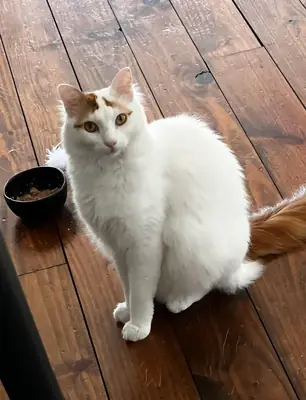
Haven't found the pet you're looking for? Let people who want to find a new home for their pet reach out to you.
Create your free pet adoption request listing now and be seen by thousands of pet owners.
Quick Information
Other listings in your area
Birman cat used to quiet homes
Beautiful British shorthair kittens for adoption available
Adorable British Shorthair Kittens Looking for Loving Homes
Russian blue cat raised indoors
Stunning Sphynx Kittens – Ready Now
Russian Blue kittens ready
Popular Searches
Free Turkish Van cat adoption London
Free Turkish Van cat adoption in London should be checked with care because this is a rare, active and highly noticeable cat breed. A Turkish Van may be affectionate and loyal, but it is also athletic, curious, clever and often more demanding than a calm lap cat.
A strong listing on Petopic should explain age, microchip transfer, neutering, vaccination status, FIV and FeLV test history, coat condition, grooming, litter habits, climbing behaviour, indoor or outdoor history, water curiosity, children, cats, dogs, vet notes and the reason for rehoming.
Turkish Van cat adoption London
Turkish Van cat adoption in London attracts people who want a rare-looking cat with a strong personality. The mistake is choosing only by colour pattern and ignoring behaviour, activity level and home safety.
Ask whether the cat climbs onto high furniture, opens cupboards, plays with water, tolerates handling, uses the litter tray reliably and copes with London flat life, traffic noise and visitors.
Turkish Van cats for adoption Greater London
Turkish Van cats for adoption across Greater London may appear around Camden, Hackney, Islington, Croydon, Greenwich, Lewisham, Ealing, Hounslow, Enfield, Wembley, Barking, Romford and Bromley.
Because genuine Turkish Van rehomes are not common, widening the search can help. Still, do not let distance beat quality: check identity, health records, microchip transfer, neutering, temperament and the rehoming reason before agreeing.
Turkish Van rehoming London
Turkish Van rehoming in London needs a clear explanation. A move, allergy or family change is very different from rehoming caused by spraying, stress, aggression, poor litter habits, expensive vet needs or conflict with other pets.
Before collection, understand the cat’s normal day: feeding routine, litter tray setup, favourite rooms, climbing spots, water play, grooming tolerance, sleeping places and whether the current owner can provide vet and microchip details.
Turkish Van rescue London
Turkish Van rescue in London can be a better route when the cat needs careful assessment before adoption. A rescue or rehomed Turkish Van may need a home that understands confidence, activity, routine and safe indoor enrichment.
Look for detail on handling, noise tolerance, other cats, dogs, children, indoor or outdoor history, litter habits, scratching, climbing, vet records and whether the cat needs a quiet home or a more interactive household.
Free to good home Turkish Van London
Free to good home Turkish Van listings in London can be genuine, but the phrase should not make you skip checks. A free cat still needs a safe handover, clear ownership and honest health history.
Ask for proof that the cat belongs to the person rehoming it, microchip transfer, vaccination record, neutering status, FIV and FeLV test history, current photos or video, vet notes and the exact reason for rehoming.
Rare Turkish Van cat adoption London
Rare Turkish Van cat adoption in London should be treated carefully because “rare breed” wording can make weak listings look more valuable than they are. A rare label does not prove the cat is healthy, purebred or suitable for your home.
Ask for breed background if available, but prioritise the actual cat: temperament, vet history, coat, weight, litter habits, microchip, neutering, vaccinations and compatibility with your home.
Turkish Van kitten adoption London
Turkish Van kitten adoption in London gets attention because kittens look easier to shape, but this breed can mature into a strong, active and confident cat that needs play, climbing and routine.
Ask about age, microchip, vaccinations, worming, flea treatment, litter training, diet, socialisation, parent information where known and whether the kitten is ready to leave safely.
Adult Turkish Van adoption London
Adult Turkish Van adoption in London can be smarter than looking only for kittens because the cat’s real personality, size, coat, litter habits and social confidence are already visible.
Ask whether the adult cat is neutered, microchipped, vaccinated, calm with visitors, good with children, safe with other pets, happy indoors and whether any behaviour or health issue explains the rehome.
Senior Turkish Van adoption London
Senior Turkish Van adoption in London can suit a calmer home, but older cats still need honest checks around teeth, joints, kidneys, weight, grooming and stress tolerance.
Ask about appetite, drinking, urination, dental work, blood tests, arthritis, medication, grooming tolerance, litter tray height and whether the cat can manage stairs or high furniture safely.
White Turkish Van cat adoption London
White Turkish Van cat adoption in London is often searched by people who like the breed’s clean, bright look. Be careful: not every mostly white cat with coloured patches is a Turkish Van.
Ask whether the cat has breed papers, known parentage or simply a Van-style pattern. Even without papers, the adoption decision should be based on health, temperament and home suitability.
Van pattern cat adoption London
Van pattern cat adoption in London usually means a mostly white cat with colour mainly on the head and tail. That pattern can appear in cats that are not true Turkish Vans.
Ask whether the listing is about a Turkish Van breed cat or a domestic cat with Van markings. The pattern is useful for search, but behaviour, health and documents matter more.
Turkish Van Vankedisi adoption London
Turkish Van and Vankedisi listings should be read carefully because the terms are sometimes confused. A Turkish Van is typically known for the Van pattern, while Vankedisi is often used for all-white Turkish cats.
Ask exactly what the owner means, whether there are papers, whether the cat has any hearing concern, and whether the adoption is based on clear records rather than loose breed wording.
Water loving Turkish Van cat London
Water loving Turkish Van cat searches are popular because the breed is famous for curiosity around water. That does not mean every Turkish Van wants to swim or should be forced near water.
Ask whether the cat plays with taps, bowls, showers or sinks, whether water behaviour is safe and whether the home can manage spills, bathrooms and kitchen areas without creating risk.
Swimming cat adoption London
Swimming cat adoption in London usually points to Turkish Van interest, but the phrase can mislead adopters. A Turkish Van may like water more than many cats, but adoption should not be based on novelty.
Ask about temperament, handling, litter habits, microchip transfer, neutering, vet history and whether the cat’s water curiosity is playful, safe and manageable in a London home.
Active Turkish Van cat London
Active Turkish Van cat adoption in London should be matched with a home that can offer vertical space, play, puzzle feeding, scratching posts and safe movement. This is not the best match for someone who wants a decorative, sleepy cat.
Ask how much the cat plays, whether it climbs doors or shelves, whether it knocks things over, whether it needs evening play and whether it becomes frustrated indoors without enrichment.
Turkish Van temperament London
Turkish Van temperament is often described as intelligent, affectionate and playful, but the individual cat may still be independent, selective with touch or too energetic for a quiet home.
Ask whether the cat enjoys being picked up, follows people around, sits near rather than on laps, plays roughly, hides from guests or chooses one favourite person.
Affectionate Turkish Van adoption London
Affectionate Turkish Van adoption in London should be understood properly. Affectionate does not always mean cuddly, silent or easy to carry around.
Ask how the cat shows affection: following people, sleeping nearby, head bumps, play, talking, lap time or choosing one person. The right match depends on the kind of affection the adopter wants.
Turkish Van lap cat London
Turkish Van lap cat searches need realism because many active cats prefer interaction, play and nearby company rather than being held for long periods.
Ask whether the cat sits on laps, dislikes restraint, accepts grooming, chooses contact on its own terms and becomes irritated if touched too much. A confident cat can still have clear boundaries.
Turkish Van with children London
A Turkish Van with children can work when the cat is confident and the children understand boundaries. This breed’s active style may suit playful homes, but rough handling can still cause stress.
Ask what ages the cat has lived with, whether it scratches when overstimulated, whether it hides from noise, whether it enjoys play and whether children can respect rest, food and litter areas.
Turkish Van family cat adoption London
Turkish Van family cat adoption in London can be a strong match for homes that want an interactive, confident and playful cat. The family still needs to provide safe climbing, scratching, quiet rest and consistent litter setup.
Ask whether the cat has lived in a busy household, reacts well to visitors, plays gently, guards food, scratches furniture or becomes stressed by loud rooms.
Turkish Van with dogs London
A Turkish Van with dogs can work if the cat has already lived calmly with dogs and has safe escape routes. A bold cat may still be stressed by chasing, barking or blocked exits.
Ask whether the cat has lived with dogs, whether it hides, swats, chases or sleeps near them, and whether the dog in the new home can respect cat spaces.
Turkish Van with other cats London
A Turkish Van with other cats should be checked by history, not breed optimism. Some are social, while others prefer to control space, food, windowsills or high spots.
Ask whether the cat has lived with cats, fights, chases, shares litter trays, guards food, sprays, or needs to be the only cat. Slow introductions are safer than quick promises.
Only cat Turkish Van adoption London
Only cat Turkish Van adoption in London may be the right choice if the cat guards space, dislikes sharing attention, bullies other cats or becomes stressed around animals.
Ask whether the cat has ever lived with other pets, whether fights happened, whether spraying was linked to another animal and whether the cat relaxes more when alone.
Indoor Turkish Van adoption London
Indoor Turkish Van adoption in London can work when the home provides climbing, play, scratching, window views and daily stimulation. A bored active cat can become noisy, destructive or frustrated indoors.
Ask whether the cat has always been indoor, whether it tries to door-dash, whether windows are secured, whether it needs a catio or balcony access and whether it has enough vertical space.
Turkish Van cat in flat London
Turkish Van cat in flat London searches need honest space planning. A flat can work, but the cat needs safe windows, secure balcony rules, scratching options, high resting places and enough activity.
Ask whether the cat is used to flats, lifts, hallway noise, no garden, balcony restrictions and being entertained indoors. A rare active cat in a bare flat will not magically stay satisfied.
Turkish Van balcony safety London
Turkish Van balcony safety in London matters because this cat can be bold, athletic and curious. A high-rise balcony, tilt window or open sash window can become dangerous quickly.
Ask whether the cat has lived with balcony access, whether it climbs rails, whether windows are screened and whether the adopter can secure every risky opening before the cat arrives.
Outdoor Turkish Van adoption London
Outdoor Turkish Van adoption in London should be approached carefully because roads, foxes, theft risk, unfamiliar territory and breed rarity all matter. Outdoor history does not mean the cat should be released immediately after adoption.
Ask whether the cat has outdoor experience, whether it comes when called, whether it has been missing before, whether it fights with neighbourhood cats and whether a secure garden, catio or supervised transition is safer.
Turkish Van grooming London
Turkish Van grooming in London is usually manageable compared with heavier-coated longhair cats, but the semi-long coat still needs regular checks, especially during shedding periods.
Ask whether the cat accepts brushing, whether mats form behind the ears or trousers, whether the coat changes seasonally and whether grooming stress causes scratching or biting.
Turkish Van shedding London
Turkish Van shedding in London matters for flats, rental homes and people who dislike cat hair. The coat may be easier than some longhair breeds, but shedding still happens.
Ask about brushing routine, seasonal shedding, hairballs, grooming tolerance and whether the cat has skin flakes, bald patches or overgrooming signs.
Turkish Van litter trained London
Turkish Van litter trained listings should explain the actual routine. A cat that uses a tray in one home may have accidents after stress, tray changes, territory conflict or medical issues.
Ask what litter is used, how many trays the cat has, whether accidents ever happen, whether spraying has occurred and whether any urinary issue has been checked by a vet.
Turkish Van scratching furniture London
Turkish Van scratching furniture problems should be discussed before adoption because active cats need proper outlets. Scratching is normal; uncontrolled furniture damage usually means the setup is weak.
Ask what scratching posts the cat uses, whether it prefers vertical or horizontal scratchers, whether sofas are targeted and whether stress or lack of stimulation makes the behaviour worse.
Microchipped Turkish Van adoption London
Microchipped Turkish Van adoption in London should include correct keeper detail transfer. This matters even for indoor cats because windows, doors, balconies and moving stress can lead to escapes.
Ask for the microchip number, database transfer process and proof that the chip matches the Turkish Van being adopted. Identity should be clear before handover.
Vaccinated Turkish Van adoption London
Vaccinated Turkish Van adoption in London should come with clear dates and records, not verbal reassurance. Ask what has been given, what is due next and whether the record matches the cat.
Also check flea treatment, worming, neutering, FIV and FeLV test history, dental care, weight, appetite, medication and any recent illness.
Neutered Turkish Van adoption London
Neutered Turkish Van adoption is especially important for adult cats. Neutering can reduce breeding risk, roaming, spraying and some conflict behaviours, but it does not erase stress or poor introductions.
Ask whether the cat is neutered, when it was done, whether recovery was normal and whether behaviour changed afterwards. If not neutered, understand the plan before adoption.
FIV FeLV tested Turkish Van London
FIV and FeLV tested Turkish Van listings are stronger when the result date and paperwork are clear. Testing matters more if the cat has been outdoors, lived with unknown cats or is joining a multi-cat home.
Ask whether the cat has been tested, when the test was done, whether it has mixed with untested cats and whether any result affects indoor-only or multi-cat placement.
Turkish Van dental care London
Turkish Van dental care should be checked before adoption because dental pain can hide behind normal eating. Cats may keep eating even when their mouth is uncomfortable.
Ask when the cat last had a dental check, whether teeth have been removed, whether breath is strong, whether gums are red and whether wet or dry food is difficult to eat.
Turkish Van weight control London
Turkish Van weight control matters because this is an athletic cat that should not become heavy and inactive. Extra weight can affect jumping, grooming, joints and long-term comfort.
Ask current weight, body condition, food amount, treat habits, activity level and whether a vet has recommended weight loss or diet management.
Private Turkish Van rehoming London
Private Turkish Van rehoming in London can be genuine, but private handovers need caution. Some owners may minimise spraying, stress, pet conflict, scratching, missing vet care or unclear breed background.
Ask for proof of ownership, microchip transfer, vet history, current photos or video, behaviour details, litter routine, pet compatibility and the exact rehoming reason. A responsible owner should care about the match, not just fast collection.
Turkish Van adoption scams London
Turkish Van adoption scams in London can use copied photos, rare-breed pressure, fake rescue stories, urgent deposits, delivery-only offers, vague ownership claims and no microchip or vet records.
Ask for current photos or video, proof of ownership, microchip information, safe viewing or collection and a clear reason for rehoming. If payment pressure comes before proof, walk away.
London Essex Surrey Turkish Van adoption
Turkish Van adoption around London, Essex, Surrey, Hertfordshire, Kent, Watford, Croydon, Bromley, Romford, Enfield, Dartford and Reading gives adopters more chances to find a genuine rare-cat rehome.
Regional convenience only helps when the match is strong. Check microchip transfer, vet notes, neutering, vaccination, litter habits, indoor safety, temperament and the real reason for rehoming before collection.
Frequently Asked Questions
What should I check before adopting a Turkish Van cat in London?
Check microchip transfer, vaccination status, neutering, FIV and FeLV test history, age, weight, dental health, coat condition, grooming routine, litter habits, scratching behaviour, indoor or outdoor history, behaviour with children, dogs and other cats, vet records and the reason for rehoming.
A Turkish Van is an active, intelligent cat breed, so adoption should be based on real health, temperament and home-suitability information, not only coat pattern.
Can I adopt a Turkish Van cat for free in London?
Yes, free Turkish Van adoption can happen through genuine rehoming, but the cat should still come with clear ownership, health and behaviour information.
Ask for proof of ownership, microchip details, vaccination record, neutering status, vet notes and the real reason the cat is being rehomed.
Is a Turkish Van a good adoption cat?
A Turkish Van can be a good adoption cat for a home that wants an active, affectionate and intelligent companion.
It may not suit someone who wants a very quiet, low-energy cat that never climbs, plays strongly or asks for attention.
Are Turkish Van cats rare in London?
Turkish Van cats are not as common as many other cat breeds, so genuine rehoming listings may be limited.
Be careful with listings that call any white cat with coloured patches a Turkish Van without clear background or honest description.
How can I tell if a cat is a Turkish Van?
A Turkish Van is typically associated with a mostly white coat and colour mainly on the head and tail, but pattern alone does not prove breed.
Ask whether there are breed papers, known parentage, rescue notes or vet records, and judge the cat’s health and temperament first.
What is a Van pattern cat?
A Van pattern cat is usually mostly white with colour mainly on the head and tail.
Some cats have Van-style markings without being Turkish Van breed cats, so the listing should be clear about breed certainty.
Are Turkish Van cats the same as Turkish Angora cats?
No, Turkish Van and Turkish Angora cats are different breeds, although people sometimes confuse them because both names include Turkish.
Ask the owner to describe the cat clearly and provide any breed background if the breed label matters to you.
What is the difference between Turkish Van and Vankedisi?
Turkish Van is commonly associated with the Van pattern, while Vankedisi is often used for all-white Turkish cats.
Ask exactly what the listing means and whether there are papers, identity details or rescue notes confirming the background.
Do Turkish Van cats like water?
Some Turkish Van cats are curious around water and may enjoy taps, sinks, showers or water games.
Do not assume every Turkish Van wants to swim, and never force a cat into water for novelty.
Are Turkish Van cats active?
Yes, Turkish Van cats are often active, playful and athletic.
They usually need climbing places, scratching options, play sessions and enrichment to stay settled indoors.
Are Turkish Van cats affectionate?
Turkish Van cats can be affectionate and loyal, but the style of affection depends on the individual cat.
Ask whether the cat likes laps, follows people, enjoys play, accepts handling or prefers contact on its own terms.
Are Turkish Van cats lap cats?
Some Turkish Van cats may sit on laps, but many are more active and interactive than permanently cuddly.
Ask whether the cat likes being picked up, held, stroked for long periods or simply staying near people.
Are Turkish Van cats good with children?
Turkish Van cats can be good with children when the cat is confident and the children respect boundaries.
Ask what ages the cat has lived with, whether it scratches when overstimulated and whether it has quiet places to rest.
Are Turkish Van cats good family cats?
A Turkish Van can be a good family cat for a household that wants an interactive and playful companion.
The home should provide safe climbing, scratching, rest areas, litter tray privacy and consistent handling rules.
Can Turkish Van cats live with dogs?
Some Turkish Van cats can live with dogs if they have safe escape routes and the dog is calm around cats.
Ask whether the cat has lived with dogs before and whether it hides, swats, chases or relaxes near them.
Can Turkish Van cats live with other cats?
Some Turkish Van cats can live with other cats, but others prefer to control their space or be the only cat.
Ask whether the cat has lived with cats, fights, sprays, shares litter trays or guards food and favourite spaces.
Should a Turkish Van be the only cat?
A Turkish Van may need to be the only cat if it dislikes sharing territory, food, attention or litter areas.
Ask whether the cat has previously lived with other cats and whether stress, spraying or fighting occurred.
Can a Turkish Van live indoors?
A Turkish Van can live indoors if the home provides enough play, climbing, scratching, window views and enrichment.
Ask whether the cat has always been indoor, whether it tries to escape and whether the home can keep windows and balconies secure.
Can a Turkish Van live in a London flat?
A Turkish Van can live in a flat if the flat is safe, enriched and suitable for an active cat.
Ask about window safety, balcony access, hallway noise, litter tray placement, scratching posts and high resting spaces.
Are balconies safe for Turkish Van cats?
Balconies are only safe when properly secured. Athletic cats can jump, climb or slip through gaps.
Before adoption, make sure balcony doors, rails, windows and tilt openings are secured for a curious cat.
Can Turkish Van cats go outside in London?
Outdoor access in London should be assessed carefully because of roads, theft risk, unfamiliar territory and other animals.
Ask whether the cat has outdoor experience and consider a secure garden, catio or supervised transition instead of immediate free roaming.
Do Turkish Van cats need much grooming?
Turkish Van cats have a semi-long coat that usually needs regular brushing and coat checks.
Ask whether the cat accepts grooming, sheds seasonally, gets mats behind the ears or trousers and has any skin irritation.
Do Turkish Van cats shed?
Yes, Turkish Van cats can shed, especially around seasonal coat changes.
Ask about brushing routine, hairballs, coat condition, skin flakes and whether the cat overgrooms.
Are Turkish Van cats litter trained?
Many adult cats are litter trained, but the routine should be checked before adoption.
Ask what litter is used, how many trays the cat has, whether accidents happen and whether spraying or urinary problems have occurred.
Why would a Turkish Van stop using the litter tray?
Litter problems can be linked with stress, tray setup, dirty trays, territory conflict, pain or urinary illness.
Ask whether a vet has checked the cat if accidents, straining, blood in urine or frequent urination have happened.
Do Turkish Van cats scratch furniture?
Scratching is normal cat behaviour, but furniture damage can increase when the cat lacks suitable scratching options.
Ask what scratching posts the cat uses and whether it prefers vertical posts, horizontal scratchers or cardboard surfaces.
Should an adopted Turkish Van cat be microchipped?
Yes, the cat should be microchipped and the keeper details should be transferred correctly after adoption.
Ask for the microchip number, database process and proof that the chip matches the Turkish Van being adopted.
Should a Turkish Van cat be vaccinated before adoption?
Vaccination status should be clear before adoption. Ask what has been given, what is due next and whether a vet record is available.
Also ask about flea treatment, worming, neutering, FIV and FeLV testing, dental care, appetite and any recent illness.
Should a Turkish Van cat be neutered before rehoming?
Many adult cats are neutered before rehoming, but not all private rehomes are.
Ask whether the cat is neutered, when it was done and whether any spraying, roaming or mating behaviour has occurred.
Should a Turkish Van cat be FIV and FeLV tested?
FIV and FeLV testing is useful, especially if the cat has been outdoors, lived with unknown cats or will join a multi-cat home.
Ask whether testing was done, when it was done and whether the results affect placement or indoor-only advice.
What health problems should I ask about in a Turkish Van cat?
Ask about dental disease, weight, kidney history, urinary issues, heart concerns, arthritis, skin problems, allergies, parasites, appetite changes, vomiting, diarrhoea, medication and recent vet records.
A Turkish Van does not need perfect health to be adoptable, but the adopter needs honest information before handover.
Do Turkish Van cats need dental care?
Yes, dental care should be checked because cats can hide mouth pain.
Ask when the cat last had a dental check, whether teeth have been removed, whether breath is strong and whether eating has changed.
Can Turkish Van cats become overweight?
Yes, any cat can become overweight if food, treats and activity are not managed.
Ask current weight, body condition, food amount, treat habits and whether the cat gets enough play and movement.
What diet does a Turkish Van cat need?
A Turkish Van needs a balanced cat diet suitable for its age, weight, activity level and health.
Ask what food the cat eats now, whether diet changes cause stomach upset and whether a vet has recommended any special food.
What should come with a Turkish Van cat at handover?
Useful handover details include microchip transfer, vaccination record, neutering status, vet notes, diet, litter routine, grooming routine, behaviour history, pet compatibility and any medication.
The current owner should also explain indoor or outdoor history, stress triggers, scratching habits and the real reason for rehoming.
How do I avoid Turkish Van adoption scams?
Watch for copied photos, rare-breed pressure, urgent deposits, delivery-only offers, vague ownership stories, missing microchip details and no vet records.
Ask for current photos or video, proof of ownership, microchip information, safe viewing or collection and a clear reason for rehoming.