Lublin Cat Breeding
There's 1 Cat listing live right now, last updated 16 Oct 2025. Browse Lublin cat breeding listings ... There's 1 Cat listing live right now, last updated 16 Oct 2025. Browse Lublin cat breeding listings with a responsible, welfare-first approach to finding transparent catteries, stud cats, breeding que... There's 1 Cat listing live right now, last updated 16 Oct 2025. Browse Lublin cat breeding listings with a responsible, welfare-first approach to finding transparent catteries, stud cats, breeding queens, planned litters and pedigree kitten information. Petopic helps you review cat breeding adverts in Lublin by breed, pedigree background, microchip details, vaccination records, health book information, genetic testing, inherited disease risks, temperament, mating suitability, kitten socialisation, contract terms and handover conditions, so every breeding decision is based on traceability, health and long-term welfare rather than appearance, colour or rushed kitten demand.
Popular Searches
Cat breeding listings in Lublin
Cat breeding listings in Lublin should never be judged by kitten photos, rare colours or breed popularity alone. A serious listing should explain the cat’s breed, age, pedigree background, microchip status, vaccination records, health book information, genetic testing, temperament, previous breeding history and whether the mating is genuinely suitable.
On Petopic, Lublin cat breeding adverts should help users separate responsible breeding from vague kitten production. A strong listing shows traceability, health evidence, parent-cat details, kitten socialisation, living conditions and contract expectations. If the advert only says “beautiful kittens soon” or “stud available”, it is not giving enough information for a responsible decision.
Cat breeding Lublin
Cat breeding in Lublin should be treated as a welfare decision, not a casual pairing between two cats. Before any mating, both cats should be mature, healthy, temperamentally stable, properly identified and screened for breed-specific risks. The question is not “can they produce kittens?” but “should these two cats be bred?”
A useful cat breeding listing should explain why the pairing makes sense, what health tests are available, whether the cats have pedigree documentation, how kittens will be raised and what kind of homes will be accepted. Breeding without this information is not serious; it is guesswork with living animals.
Cat breeders in Lublin
People searching for cat breeders in Lublin usually want trust before they contact anyone. They need to know whether the breeder is registered, whether the kittens are raised in a clean home environment, whether parent cats are visible, whether health tests are available and whether the breeder can explain the breed honestly.
A credible breeder listing should include breed focus, cattery background, pedigree information, parent health, kitten socialisation, microchip and vaccination plans, health book details, contract terms and aftercare. A breeder who avoids questions about parents, documents or kitten age is not offering the level of transparency users should expect.
Registered cattery Lublin
Registered cattery searches in Lublin are usually made by users who want to avoid unclear, backyard-style breeding. A serious cattery listing should show the breeding name, association or registration context where relevant, parent cats, pedigree documents, health tests, kitten care standards and the handover process.
Registration should not be used as a decorative word. It must be supported by visible details: traceable parentage, real records, health book information, microchip status, vaccination schedule and a proper contract. Without these details, the word “registered” does not carry enough weight.
Pedigree cat breeding Lublin
Pedigree cat breeding in Lublin can give useful traceability, but pedigree papers alone do not prove a responsible breeding decision. Users should still look for genetic testing, disease screening, temperament notes, parent-cat health, socialisation practices and honest breed-specific risk information.
A strong pedigree breeding listing should explain the parents, their lines, health status, documents, kitten care and placement conditions. Pedigree is evidence, not a magic shield. If the listing treats pedigree as the only quality signal, it is missing the welfare side of the decision.
Stud cat Lublin
Stud cat listings in Lublin should present more than a male cat’s appearance. A serious advert should describe the stud’s age, breed, pedigree background, microchip status, vaccination records, health tests, blood type where relevant, temperament, previous mating history and conditions for accepting a queen.
A good stud cat listing also explains expectations: what documents are required, whether the queen must have health checks, how introductions are handled, what happens if mating fails and whether the pairing is suitable for the breed. “Proven male” is not enough unless the advert supports it with responsible details.
Breeding queen Lublin
A breeding queen in Lublin should be evaluated with far more care than a casual advert usually shows. Pregnancy, birth and nursing place the main physical burden on the female cat, so the listing should explain age, weight, health history, previous litters, recovery time, temperament and veterinary support.
It is not enough to say a queen is “ready”. A responsible listing should make clear that she is mature, healthy, not overbred and kept in a calm, clean environment. If the advert ignores the queen’s welfare and jumps straight to kitten demand, that is a serious weakness.
Health tested cat breeding Lublin
Health tested cat breeding in Lublin is one of the strongest trust signals in a listing. Depending on the breed, users may need to look for screening related to heart disease, kidney disease, eye issues, skeletal problems, blood type compatibility or specific genetic disorders.
A proper advert should not simply say “parents are healthy”. It should say what was tested, when it was tested, which cats were tested and whether results can be shown. Vague health claims are weak; documented testing gives users something real to evaluate.
Kitten breeding Lublin
Kitten breeding in Lublin should be planned around the kittens’ first weeks, not around quick availability. A strong listing should describe where kittens are raised, how they are socialised, when veterinary checks happen, whether they will be microchipped, vaccinated, dewormed and handed over at an appropriate age.
Weak listings sell kittens before proving care. Strong listings talk about mother-cat welfare, clean indoor housing, litter training, gradual weaning, early handling, health book records and the type of home expected. Kittens are not inventory; their first environment shapes future health and behaviour.
Maine Coon breeder Lublin
Maine Coon breeder listings in Lublin should focus on health, temperament and long-term care, not only size and dramatic photos. Maine Coons are large, slow-maturing cats, so responsible breeding should consider heart screening, genetic risks, coat care, socialisation and suitable indoor living conditions.
A useful listing should mention parent health, pedigree information, kitten socialisation, vaccination, microchip, health book details and whether the breeder explains the breed’s real needs. “Big kittens” and “giant lines” are not enough if health transparency is missing.
British Shorthair breeder Lublin
British Shorthair breeder listings in Lublin should not rely only on round-face photos, blue coat colour or calm breed reputation. Users need details about parent cats, health tests, pedigree background, weight, temperament, kitten socialisation, microchip and vaccination planning.
A serious British Shorthair advert explains the actual cats, not just the stereotype. This breed can be excellent for indoor homes, but breeding decisions still require records, health awareness and careful matching. Popularity does not replace responsibility.
Siberian cat breeder Lublin
Siberian cat breeder listings in Lublin often attract users looking for a strong, family-friendly and semi-longhaired breed. But a responsible listing must go beyond the breed image and explain health testing, parent temperament, grooming needs, socialisation, pedigree documents and kitten readiness.
Users should be cautious with claims that focus only on “hypoallergenic” language. Individual reactions vary, and a responsible breeder should encourage realistic expectations. The advert should describe the cats’ environment, not sell the breed as a guaranteed solution to every household need.
Ragdoll breeder Lublin
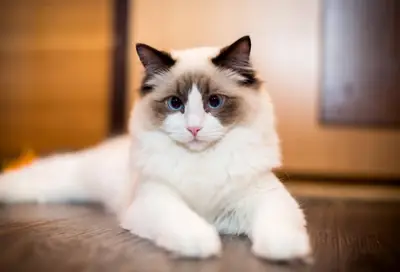
Ragdoll breeder listings in Lublin should describe temperament, health and indoor suitability with precision. Many users search for Ragdolls because they expect a calm, affectionate cat, but every kitten still needs proper socialisation, health records and honest parent information.
A strong Ragdoll listing should include parent health, pedigree, vaccination, microchip plan, kitten handling, litter training and the type of home the breeder prefers. Blue eyes and soft temperament claims are not enough. The advert must prove the kittens are being raised responsibly.
Verified cat breeding listings Lublin
Verified cat breeding listings in Lublin should give users more than a trust label. Verification should support real comparison: accurate photos, clear breeder identity, parent-cat information, health records, microchip details, vaccination status, pedigree documents, genetic testing and handover conditions.
A listing becomes trustworthy when the details are consistent and checkable. If photos look generic, the breeder avoids questions, health claims are vague or kitten handover feels rushed, the advert should not be treated as safe just because it appears online.
Frequently Asked Questions
What should I check in Lublin cat breeding listings?
Check the cat’s breed, age, pedigree background, microchip details, vaccination records, health book information, genetic testing, inherited disease risks, temperament, previous breeding history and living conditions.
A strong listing should explain why the breeding decision is responsible. If the advert relies only on colour, cuteness, rarity or expected kitten demand, it is not strong enough.
What makes a cat breeder responsible?
A responsible cat breeder prioritises health, temperament, genetic screening, clean living conditions, proper socialisation, veterinary care, microchipping, vaccination and careful placement of kittens.
They should not pressure users into fast decisions or hide parent-cat information. They should answer difficult questions clearly and support their claims with real records.
Is pedigree enough when choosing a breeding cat?
No. Pedigree can help with traceability, but it does not prove that a breeding decision is healthy or ethical. Health testing, genetic diversity, temperament, veterinary care and welfare risks still matter.
A listing that says only “pedigree cat available” is incomplete. Users need evidence that the cat is suitable for breeding, not just documented ancestry.
What health tests matter before cat breeding?
The right tests depend on the breed. They may include screening for heart disease, kidney disease, genetic disorders, blood type compatibility, eye conditions, skeletal issues or other inherited risks.
Ask what was tested, when it was tested, who performed the test and whether results can be reviewed. A vague “healthy” claim is not the same as evidence.
Why is microchip information important in cat breeding?
Microchip information helps with identification, traceability and responsible transfer of ownership. It is especially important when kittens move to new homes or when parent cats’ identity needs to be verified.
A listing should state whether cats and kittens are microchipped or will be microchipped before handover. Private chip numbers should not be posted publicly, but the status should be clear.
What records should kittens have before handover?
Kitten handover should be supported by clear health information, vaccination records, deworming details, microchip status, pedigree documents where relevant, health book information and a written agreement.
A good listing should make the handover process visible before contact. If the breeder cannot explain what documents the kitten will leave with, the advert is weak.
What are red flags in cat breeding adverts?
Red flags include no health testing, no veterinary records, vague parent information, generic photos, pressure to reserve quickly, focus on rare colours, no microchip details and refusal to answer welfare questions.
If the advert avoids basic information about health, temperament, living conditions or kitten care, treat it as high risk. Weak details usually mean weak responsibility.
At what age should a female cat be bred?
A female cat should not be bred simply because she has reached sexual maturity. Her age, body condition, health, breed risks, temperament and veterinary assessment must all be considered.
Breeding too early, too often or without proper health checks can harm the queen and kittens. A responsible listing should never make breeding sound casual or automatic.
Why is temperament important in cat breeding?
Temperament matters because kittens may inherit behavioural tendencies and also learn from their early environment. Cats used for breeding should be stable, manageable and not chronically fearful or aggressive.
A responsible listing should describe the parent cats honestly. Appearance alone is never enough for a breeding decision.
What should kitten welfare include in a breeding listing?
Kitten welfare should include safe indoor housing, hygiene, veterinary checks, parasite care, vaccination planning, microchipping, litter training, gradual weaning, socialisation and an appropriate handover age.
The listing should show how kittens are raised, not just when they are available. Good early care shapes health, behaviour and confidence.
Should I trust a breeder who only shows kitten photos?
No. Kitten photos are not enough. A serious breeder should also show parent-cat information, health testing, pedigree background, care conditions, socialisation details and handover documents.
If the listing hides everything except cute photos and availability, it is built to trigger emotion rather than trust. That is a weak basis for a breeding or kitten decision.
What is the biggest mistake in cat breeding decisions?
The biggest mistake is choosing a mating based on appearance, popularity, rare colour or expected kitten demand. That ignores health, temperament, genetic risk and long-term welfare.
A responsible breeding decision starts with evidence. If the cats are not genuinely suitable, the correct decision is not to breed them.