African Grey Parrots for Sale in Manchester
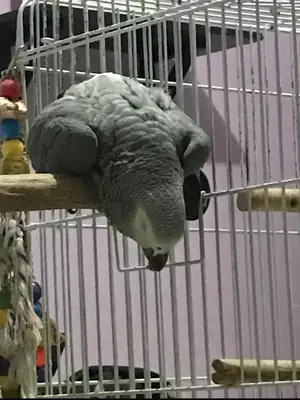
There's 1 African Grey Parrot listing live right now, last updated 18 Mar 2026. Find African Grey pa... There's 1 African Grey Parrot listing live right now, last updated 18 Mar 2026. Find African Grey parrots for sale in Manchester with the details serious buyers need before making contact: exact speci... There's 1 African Grey Parrot listing live right now, last updated 18 Mar 2026. Find African Grey parrots for sale in Manchester with the details serious buyers need before making contact: exact species, age, Article 10 certificate, closed ring or microchip identification, DNA sexing where claimed, seller status, legal-origin evidence, hand-reared or parent-reared background, tameness, talking ability, noise level, biting history, feather condition, plucking history, diet, cage routine, out-of-cage time, sleep pattern, avian-vet records, transport plan and whether the bird can live safely around children, dogs, cats or other birds. African Grey parrots are highly intelligent, sensitive and long-lived birds with complex social, behavioural and welfare needs, so the right purchase should focus on verified paperwork, honest behaviour notes, stable handling, balanced feeding, enrichment, secure housing and realistic Manchester home fit rather than choosing only because the parrot talks, looks impressive, is young, cheap or described as hand tame.
Haven't found the pet you're looking for? Let people who want to find a new home for their pet reach out to you.
Create your free pet adoption request listing now and be seen by thousands of pet owners.
Quick Information

Popular Searches
African Grey parrots for sale Manchester
African Grey parrots for sale in Manchester should be checked by paperwork, identity, health, behaviour and long-term care needs before price. This is not a simple talking bird purchase; an African Grey is a highly intelligent parrot that can become stressed, noisy, bonded, fearful or destructive if the home is wrong.
A serious listing should include exact species, age, Article 10 certificate details, closed ring or microchip identification, sexing status, current diet, handling level, talking ability, feather condition, avian-vet history, cage routine and the real reason the bird is being sold.
African Grey parrot Manchester
African Grey parrot Manchester searches usually come from buyers who want a clever, talkative companion bird. The problem is that intelligence cuts both ways: the same bird that learns words can also learn screaming patterns, fear responses, cage guarding and attention-demanding behaviour.
Ask how the parrot reacts to strangers, whether it steps up, whether it bites, whether it plucks, whether it screams when ignored and whether it has a predictable routine with enough sleep, enrichment and out-of-cage time.
African Grey for sale Greater Manchester
African Grey for sale Greater Manchester searches should include Manchester, Salford, Stockport, Bolton, Bury, Rochdale, Oldham, Trafford, Wigan and Tameside, but location should never beat legal and welfare checks.
Compare every listing by Article 10 certificate, ring or microchip match, seller credibility, diet, tameness, feather condition, noise history, biting history, vet records and whether the buyer can provide the space, time and routine the bird needs.
Congo African Grey for sale Manchester
Congo African Grey for sale Manchester is a strong buyer intent because many people specifically want the larger, classic grey parrot with a red tail. The listing should still prove identity rather than relying on a photo and a breed label.
Ask for exact species, Article 10 certificate, ring or microchip number, age, sexing status, current videos, diet, handling history and whether the paperwork details match the bird being sold.
Timneh African Grey for sale Manchester
Timneh African Grey for sale Manchester should be handled with the same paperwork and welfare checks as any African Grey. Timneh parrots may be smaller and have different colouring, but they are still serious long-term companion parrots.
Ask whether the bird is definitely Timneh, whether the Article 10 certificate and identification match, whether it is tame, whether it talks, whether it plucks and whether the seller can explain its full care history clearly.
Baby African Grey for sale Manchester
Baby African Grey for sale Manchester searches attract quick attention, but young parrots are where buyers make expensive mistakes. A baby African Grey should be fully weaned, eating independently, properly identified and sold with matching legal paperwork.
Ask exact age, weaning date, current diet, weight history, Article 10 certificate, closed ring or microchip details, socialisation, handling routine and whether the bird can already spend calm time alone without panic or constant attention-seeking.
Hand reared African Grey for sale Manchester
Hand reared African Grey for sale Manchester should not automatically mean easy. Hand-reared parrots can be confident with people, but they can also become clingy, over-bonded, jealous, noisy or nippy if the buyer has no structure.
Ask who hand-reared the bird, how it was socialised, whether it accepts more than one handler, whether it plays independently, whether it screams when attention stops and whether it has been raised with normal household sounds.
Hand tame African Grey for sale Manchester
Hand tame African Grey for sale Manchester needs proof, not a phrase. A bird may step up for its current keeper but bite strangers, guard the cage, panic during transport or refuse handling after a home move.
Ask for a current video showing step-up, calm hands, cage exit, return to cage, shoulder behaviour and handling by more than one person if possible. Real tameness is consistent, not a single calm clip.
Tame African Grey parrot for sale Manchester
Tame African Grey parrot for sale Manchester should describe exactly what the bird allows. Does it step up, accept head scratches, tolerate visitors, come out of the cage calmly and return without chasing?
Ask who can handle the bird, whether it favours men or women, whether it bites children, whether it screams when its preferred person leaves and whether it becomes territorial around the cage.
Talking African Grey for sale Manchester
Talking African Grey for sale Manchester is a powerful search intent, but talking ability should not be the main purchase filter. A bird that talks well can still scream, bite, pluck, fear hands or struggle badly with change.
Ask for current talking videos if speech matters, but also check paperwork, diet, sleep, feather condition, handling, cage routine, vet records and whether the bird’s vocal habits would suit your home and neighbours.
African Grey parrot that talks Manchester
An African Grey parrot that talks in Manchester may sound like the ideal companion, but speech is only one part of ownership. The same intelligent parrot may also copy alarms, swear words, household noises or attention-seeking sounds.
Ask what words and sounds the bird uses, whether it screams when ignored, whether it calls at morning or evening, whether it becomes louder when alone and whether the buyer can live with the full sound profile, not only the cute phrases.
African Grey with Article 10 certificate
African Grey with Article 10 certificate should be treated as a core requirement for a sale, not a bonus. The certificate should match the exact bird through ring or microchip identification.
Ask to see the certificate before payment, check the species, identification details and seller information, and avoid any listing that makes excuses about paperwork arriving later or not being needed for a commercial sale.
African Grey CITES paperwork Manchester
African Grey CITES paperwork Manchester searches show the buyer is thinking properly. The bird’s identity, legal origin and sale eligibility must be clear before money changes hands.
Ask for Article 10 certificate details, ring or microchip number, proof that the certificate matches the bird, hatch or ownership history where available and a handover that does not rely on vague promises.
African Grey without papers for sale
African Grey without papers for sale is a major warning query. Missing paperwork, vague origin, unreadable ring details or pressure to buy quickly can create legal and welfare risk.
Do not let a seller turn the problem into your problem after payment. Ask for proper documentation before collection, and walk away from excuses about lost certificates, inherited birds or paperwork being unnecessary.
Closed ring African Grey for sale Manchester
Closed ring African Grey for sale Manchester searches matter because a seamless ring can support traceability, age and certificate matching. The ring must be readable and connected to the bird’s paperwork.
Ask for clear photos of the ring, the full ring number, matching Article 10 certificate details and confirmation that the bird’s identification is not guessed or borrowed from another bird.
Microchipped African Grey for sale Manchester
Microchipped African Grey for sale Manchester listings should explain the chip number, paperwork match and ownership transfer clearly. Microchip identification is especially useful when a ring is missing, damaged or unsuitable.
Ask whether an avian vet placed or checked the chip, whether the chip number appears on the Article 10 certificate and whether the seller can prove the chip belongs to the bird being sold.
DNA sexed African Grey for sale Manchester
DNA sexed African Grey for sale Manchester should include proof, not just “male” or “female” in the advert. Sexing can matter for records, naming, pairing history and hormonal behaviour expectations.
Ask for the DNA certificate and check that the certificate links to the same ring or microchip details. A sexing certificate that cannot be connected to the bird is weak evidence.
Male African Grey for sale Manchester
Male African Grey for sale Manchester should be treated as a claim that needs evidence if sex matters to the buyer. Behaviour alone is not reliable enough.
Ask for DNA proof, ring or microchip match, age, hormonal behaviour notes, biting history, cage guarding and whether the bird has bonded strongly to one person before.
Female African Grey for sale Manchester
Female African Grey for sale Manchester should include DNA proof if the sex is important. Also ask about egg laying, hormonal behaviour, nesting triggers and any history of health problems related to reproduction.
The real decision should still include certificate match, identification, diet, feather condition, handling, noise, biting and whether the bird’s routine suits your home.
African Grey pair for sale Manchester
African Grey pair for sale Manchester needs extra caution. A bonded pair, breeding pair and two birds sharing a room are not the same thing, and separating bonded parrots can cause severe stress.
Ask whether each bird has its own Article 10 certificate and identification, whether they are related, whether they are DNA sexed, whether they have bred, whether they are tame separately and whether they must stay together.
African Grey breeding pair for sale Manchester
African Grey breeding pair for sale Manchester is not a casual purchase. Breeding adds legal, welfare, housing, diet, veterinary and chick-rearing responsibilities that many buyers underestimate.
Ask for paperwork for both birds, breeding history, health records, parent behaviour, nest aggression, chick history, diet, housing setup and whether the sale is appropriate for someone without specialist breeding experience.
Rehomed African Grey for sale Manchester
Rehomed African Grey for sale Manchester should explain how many homes the bird has had and why it is moving again. Repeated rehoming can create fear, screaming, plucking, biting and trust problems.
Ask the exact reason for sale, how long the keeper has owned the bird, whether the bird changed behaviour after previous moves and whether the buyer can handle a slow settling period without forcing contact.
Adult African Grey for sale Manchester
Adult African Grey for sale Manchester can be a better option than a baby if the buyer wants known behaviour. With an adult bird, you can ask about actual speech, handling, biting, screaming, plucking, diet and preferred people.
Ask whether the bird accepts strangers, whether it has a favourite person, whether it has lived with children or pets and whether the current behaviour is stable or linked to one specific home routine.
Older African Grey for sale Manchester
Older African Grey for sale Manchester can suit experienced keepers who value a known personality, but age brings extra checks around arthritis, beak condition, feet, liver health, diet history, feather quality and long-term vet planning.
Ask for age evidence, vet records, weight, appetite, droppings, mobility, feather condition, sleep pattern and whether the bird has had years of seed-heavy diet, low enrichment or poor housing.
African Grey price Manchester
African Grey price in Manchester can vary by age, paperwork, tameness, talking ability, sexing, identification, health records and included setup. Price alone is a poor quality signal.
Compare the total cost: purchase price, proper cage, toys, perches, diet, carrier, avian-vet care, insurance where used, heating, lighting, cleaning and long-term enrichment. A cheap bird with weak paperwork or health issues can become the most expensive option.
Cheap African Grey for sale Manchester
Cheap African Grey for sale Manchester is a risky search if the buyer focuses only on price. A low price may hide missing Article 10 paperwork, poor diet, plucking, screaming, biting, illness, a scam listing or a rushed sale.
Do not let a bargain override evidence. Ask for matching documents, current videos, avian-vet history, identification details and a clear reason for sale before discussing collection.
African Grey with cage for sale Manchester
African Grey with cage for sale Manchester can look convenient, but the included cage may be too small, rusty, unsafe or linked to poor routine. Do not assume the setup is good because it comes with the bird.
Ask cage dimensions, bar condition, perch quality, toy variety, cleaning history, sleep routine and how many hours the bird spends outside the cage daily. A bad cage can make a clever parrot frustrated fast.
African Grey cage size Manchester
African Grey cage size matters because this parrot needs room to climb, stretch, play, forage, rest and move safely. A small decorative cage is not a serious long-term setup.
Ask what cage the bird currently uses, how often it is out, whether it bar-chews, whether it has multiple perches and whether your Manchester home has a safe area for supervised out-of-cage time.
African Grey diet Manchester
African Grey diet should be checked before purchase because poor feeding can affect feather quality, liver health, weight, behaviour and long-term condition. A seed-only diet is a serious weakness.
Ask what the bird eats daily, whether it accepts pellets, vegetables, safe fruit, foraging foods and clean water, and whether the seller will provide a transition plan instead of leaving the buyer to guess.
African Grey feather condition Manchester
African Grey feather condition should be visible in current full-body photos and videos. Dull feathers, bald patches, broken tail feathers, stress bars or plucked areas need explanation.
Ask whether the bird has ever plucked, over-preened, damaged feathers, had skin irritation or been checked by an avian vet. Do not accept only head shots or old photos.
African Grey feather plucking sale Manchester
African Grey feather plucking in a sale listing should never be hidden or softened. Plucking can be linked to stress, diet, boredom, illness, hormones, lack of sleep, poor housing or repeated rehoming.
Ask when it started, whether an avian vet checked the bird, whether feathers regrow, whether the bird damages skin and whether the current home routine makes the problem better or worse.
Healthy African Grey for sale Manchester
Healthy African Grey for sale Manchester should mean more than “eats well and talks”. A serious listing should mention weight, appetite, droppings, feather condition, breathing, feet, beak, nails, activity and avian-vet history.
Ask whether the bird has had respiratory symptoms, abnormal droppings, weight loss, feather loss, seizures, injuries, egg issues, medication or any previous veterinary treatment.
African Grey avian vet Manchester
African Grey avian vet Manchester searches show the buyer understands the bird needs specialist care. A normal “looks fine” check is weaker than records from a bird-experienced vet.
Ask for vet records where available, current weight, droppings history, feather notes, previous illness, bloodwork where relevant and whether the seller can recommend a proper avian vet after purchase.
African Grey screaming Manchester
African Grey screaming should be discussed directly before purchase. Screaming can come from boredom, fear, attention-seeking, poor sleep, over-bonding or a routine that rewards noise.
Ask what time it happens, how long it lasts, what triggers it, whether neighbours have complained and whether the bird screams when left alone, covered, ignored or separated from a favourite person.
Quiet African Grey for sale Manchester
Quiet African Grey for sale Manchester is a dangerous expectation if taken literally. African Greys may be less shrill than some parrots, but they can be vocal, repetitive and loud when stressed or attention-seeking.
Ask for realistic sound videos from morning, evening and busy household moments. If noise could threaten your tenancy, neighbours or home life, do not rely on a seller saying “usually quiet”.
African Grey for flat Manchester
African Grey for flat Manchester searches need realism. A Grey may physically fit in a flat, but the real issues are noise, cage size, ventilation, routine, neighbours, sleep, enrichment and safe out-of-cage time.
Ask whether the bird has lived in a flat, whether it contact-calls when people leave the room, whether it reacts to hallway sounds and whether the home can provide quiet sleep and daily supervised freedom.
African Grey biting history Manchester
African Grey biting history should be asked about before purchase because bites from a larger parrot are not minor. Biting may come from fear, hormones, cage guarding, poor handling, overstimulation or one-person bonding.
Ask when the bird bites, how hard, who gets bitten, whether it breaks skin and whether biting happens during step-up, cage cleaning, shoulder time, food handling or return to the cage.
African Grey cage aggressive Manchester
African Grey cage aggression can become a daily problem if the buyer expects easy access to the cage, bowls and perches. Some birds guard their cage strongly, especially after years of poor handling or over-bonding.
Ask whether the bird lunges at hands, bites through bars, guards food bowls, refuses to come out or becomes worse during hormonal periods. A current video of cage exit and cage return is useful.
African Grey one person bird
African Grey one person bird is a common issue. A Grey may bond strongly to one keeper and reject, bite or scream at other people in the home.
Ask whether the bird accepts multiple handlers, whether it attacks partners, children or visitors, whether it becomes jealous and whether the buyer’s household can manage a slow, fair training plan without forcing contact.
African Grey behaviour problems Manchester
African Grey behaviour problems should be described plainly in a listing. Screaming, plucking, biting, fear of hands, over-bonding, cage guarding, destructive chewing and panic around strangers all change the suitability of the sale.
Ask what the problem is, when it started, what has been tried, whether an avian vet has ruled out health causes and whether the seller is being honest or just trying to move the bird quickly.
African Grey enrichment Manchester
African Grey enrichment should be central to the purchase decision. This bird needs chewing, shredding, foraging, training, problem-solving, safe social contact and predictable routine.
Ask what toys the bird uses, whether it forages, whether it plays independently, whether it destroys wood or paper safely and what behaviour appears when stimulation is too low.
African Grey out of cage time Manchester
African Grey out-of-cage time matters because long hours locked in a cage can damage welfare and behaviour. A clever parrot needs supervised freedom, movement, social contact and safe exploration.
Ask how many hours the bird is out daily, whether it flies, whether wings are clipped, whether it chews furniture and whether the home has safe windows, doors, kitchen boundaries and no dangerous fumes.
African Grey clipped wings sale
African Grey clipped wings sale listings should be questioned carefully. Wing clipping can affect confidence, balance, exercise and safety, and a clipped bird can still fall or escape outdoors.
Ask when the wings were clipped, who did it, whether the bird can glide safely, whether it has crash injuries and whether you are prepared to manage flight regrowth and safe indoor flying.
African Grey sleep routine Manchester
African Grey sleep routine is not a small detail. Poor sleep can worsen screaming, biting, stress, hormonal behaviour and feather problems.
Ask where the bird sleeps, how many hours of quiet darkness it gets, whether it is disturbed by television, lights, household noise or late-night routines, and whether it has a consistent bedtime.
African Grey with children Manchester
African Grey with children in Manchester needs strict realism. A Grey can be fascinating for children, but it has a powerful beak, sensitive temperament and low tolerance for rough or unpredictable handling.
Ask whether the bird has lived around children, whether it bites quick hands, whether it screams at noise and whether children can follow calm rules around the cage, food, sleep and out-of-cage time.
African Grey with dogs Manchester
African Grey with dogs needs serious safety planning. A friendly dog can injure a parrot quickly, and a confident Grey can also bite a dog.
Ask whether the bird has lived around dogs, whether it panics, flies toward them or screams, and whether the home can provide full separation during out-of-cage time.
African Grey with cats Manchester
African Grey with cats should be handled with strong caution. Predator-prey risk does not disappear because the cat seems calm or the parrot seems confident.
Ask whether the bird has lived around cats, whether the cat stalks, whether the bird flies toward animals and whether doors, rooms and out-of-cage sessions can be controlled every time.
African Grey with other birds Manchester
African Grey with other birds can be possible, but compatibility depends on species, cage distance, personality, hormones, territory and supervision.
Ask whether the Grey has lived with birds before, whether it bites through bars, whether it is bonded to another bird and whether separate cages and separate out-of-cage sessions are needed.
African Grey transport Manchester
African Grey transport in Manchester should be planned before payment. The bird needs a secure carrier, calm timing, safe temperature and a direct route home without chasing, grabbing or chaotic handover.
Ask whether the bird has travelled before, whether it panics in a carrier, whether a familiar perch or cover helps and whether the seller can prepare the bird calmly for collection.
African Grey delivery Manchester
African Grey delivery Manchester should be treated with caution. Delivery-only offers, rushed deposits and excuses for not showing current videos or paperwork can be signs of a weak or fake listing.
For a protected, high-value parrot, confirm identity, certificate, condition, seller details, care history and transport plan before money changes hands. Delivery should never hide a sick bird, stressed bird or non-existent bird.
African Grey sale scam Manchester
African Grey sale scams in Manchester can use stolen photos, fake talking videos, fake paperwork claims, urgent deposits, delivery-only offers and copied descriptions. High-value parrots attract scammers because buyers get emotional fast.
Ask for current videos with a specific requested action, proof of identity, Article 10 certificate, ring or microchip details, seller information, exact species and a safe viewing or handover plan before sending money.
Private African Grey sale Manchester
Private African Grey sale Manchester can be genuine, but it needs careful checking. Some keepers are honest; others may minimise screaming, biting, plucking, missing paperwork, poor diet or the real reason they cannot keep the bird.
Ask for current videos, Article 10 certificate, identification details, diet notes, cage routine, avian-vet history, handover plan and the exact reason for sale. A responsible keeper should care where the bird goes, not just how quickly it leaves.
Licensed African Grey seller Manchester
Licensed African Grey seller Manchester searches matter because commercial pet sellers may need proper authorisation, and African Grey sales also require correct protected-species paperwork.
Ask whether the seller is private or commercial, whether a licence applies, whether the bird was bred by them, whether Article 10 paperwork matches the bird and whether they provide serious care guidance rather than a rushed sale pitch.
African Grey for beginners Manchester
African Grey for beginners Manchester is usually a bad idea unless the buyer has done serious preparation. This bird is intelligent, sensitive, long-lived and demanding.
Beginners should be cautious with any listing that hides paperwork, plucking, screaming, biting, poor diet, cage aggression or weak handling. A Grey is not a starter bird just because it is popular.
Manchester African Grey sale areas
Useful Manchester African Grey sale searches include Salford, Stockport, Bolton, Bury, Rochdale, Oldham, Trafford, Wigan, Tameside, Sale, Altrincham, Stretford, Eccles, Ashton-under-Lyne, Chorlton and Didsbury.
Use location as a filter, not the decision. Compare Article 10 certificate, identification, seller credibility, tameness, noise, diet, feather condition, avian-vet history, behaviour notes and transport safety before arranging purchase.
Frequently Asked Questions
What should I check before buying an African Grey parrot in Manchester?
Check the exact species, age, Article 10 certificate, closed ring or microchip identification, DNA sexing where claimed, seller status, legal-origin evidence, diet, tameness, talking ability, noise level, biting history, feather condition and avian-vet records.
Also ask about cage routine, out-of-cage time, sleep pattern, plucking history, screaming triggers, transport plan and whether the bird can live safely around children, dogs, cats or other birds.
Does an African Grey need an Article 10 certificate for sale?
For a sale, the buyer should expect correct Article 10 documentation and identification that matches the bird.
Ask to see the certificate before payment and check that the ring or microchip details connect to the same African Grey being sold.
Should I buy an African Grey without paperwork?
No. Missing paperwork, vague origin, unreadable identification or excuses about certificates are serious warning signs.
Do not buy first and hope to fix documents later. Ask for proper paperwork and matching identification before arranging collection.
What is the difference between Congo African Grey and Timneh African Grey?
Congo African Grey and Timneh African Grey are different African Grey types with different appearance and size traits.
For buying, the important point is exact species clarity, matching paperwork, identification, health, temperament and whether the bird suits your home.
Is an African Grey a good pet?
An African Grey can be a remarkable companion for an experienced, patient and consistent home.
It is not a low-effort pet. The bird needs daily interaction, enrichment, safe housing, balanced diet, specialist vet care and a routine that supports emotional stability.
Are African Greys good for beginners?
African Greys are usually a poor choice for unprepared beginners because they are intelligent, sensitive, long-lived and behaviourally complex.
A beginner should not buy one without understanding noise, biting, plucking, diet, sleep, enrichment, handling and legal paperwork.
Can African Grey parrots talk?
Many African Greys can learn words, sounds and household noises, but speech is not guaranteed in every bird.
Do not buy only for talking. Check health, behaviour, paperwork, feather condition, diet and noise level just as carefully.
Should I pay more for a talking African Grey?
Talking ability can affect interest, but it should not override paperwork, health and behaviour checks.
A parrot that talks well can still scream, bite, pluck or struggle with change. Ask for current videos and full care history before judging value.
What does hand tame African Grey mean?
Hand tame should mean the bird steps up calmly, accepts normal handling and does not panic around hands.
Ask for current handling videos showing cage exit, step-up, calm touch and return to cage. The phrase can be used loosely in adverts.
What does hand reared African Grey mean?
Hand reared means the bird was raised with human feeding or handling, but it does not automatically mean the bird is easy or well behaved.
Ask how the bird was socialised, whether it accepts several people and whether it can play independently without screaming for attention.
Should I buy an unweaned baby African Grey?
No. An African Grey should be fully weaned, eating independently and stable before moving home.
Ask exact age, weaning date, current diet, weight history and proof that the bird is feeding reliably without hand-feeding risk.
How old should a baby African Grey be before sale?
The bird should be fully weaned, eating independently, maintaining weight and ready for a move without feeding dependency.
Ask for age, weaning date, diet, weight history, Article 10 certificate and identification details before purchase.
Should an African Grey be closed rung?
A closed ring can support identity, traceability and paperwork matching.
Ask for the ring number, clear photos and confirmation that it matches the Article 10 certificate or other records.
Should an African Grey be microchipped?
A microchip can be used for permanent identification and can help match the bird to records.
Ask whether the chip number appears on the Article 10 certificate and whether it was placed or checked by a suitable vet.
Should an African Grey be DNA sexed?
DNA sexing can be useful, but it should be proven with a certificate.
Ask whether the DNA result matches the bird’s ring or microchip details. A certificate that cannot be linked to the bird is weak evidence.
Does a Manchester African Grey seller need a licence?
If the seller is operating commercially, a pet-selling licence may apply, and the bird still needs correct sale paperwork.
Ask whether the seller is private or commercial, whether they bred the bird and whether they can provide proper records and care guidance.
Are African Greys noisy?
African Greys can be noisy, especially when stressed, bored, over-bonded or seeking attention.
Ask when the bird calls, how loud it is, whether it screams, whether neighbours have complained and whether noise increases when the bird is left alone.
Can an African Grey live in a flat?
An African Grey can live in a flat only if noise, cage space, ventilation, safe flight, routine and neighbours are considered carefully.
Ask whether the bird has lived in a flat before, whether it contact-calls when alone and whether the home can provide quiet sleep and daily out-of-cage time.
Do African Greys bite?
African Greys can bite when scared, territorial, hormonal, overstimulated, poorly handled or over-bonded to one person.
Ask when biting happens, how hard, who gets bitten and whether it occurs during step-up, cage cleaning, shoulder time or return to cage.
What is cage aggression in an African Grey?
Cage aggression means the bird guards its cage, bowls, perches or doorway and may lunge or bite when someone reaches in.
Ask whether the bird exits calmly, allows bowl changes and returns to the cage without chasing or grabbing.
Do African Greys bond to one person?
Some African Greys bond strongly to one person and may reject or bite others.
Ask whether the bird accepts multiple handlers, whether it becomes jealous and whether it has attacked partners, children or visitors before.
Why do African Greys pluck feathers?
Feather plucking can be linked to stress, boredom, diet, illness, hormones, poor sleep, lack of enrichment or repeated rehoming.
Ask when it started, whether an avian vet checked the bird and whether current full-body photos show the true feather condition.
What should an African Grey eat?
An African Grey should have a balanced parrot diet with suitable pellets, vegetables, safe fruit, controlled treats and clean water.
Ask what the bird currently eats every day and avoid relying on a seed-heavy diet without a safe transition plan.
What foods are unsafe for African Grey parrots?
African Greys should not be given unsafe foods such as avocado, chocolate, caffeine, alcohol or very salty, sugary or greasy foods.
Ask the seller what the bird is used to eating and change diet carefully instead of switching everything suddenly.
How much cage space does an African Grey need?
An African Grey needs a secure, spacious cage with room to move, climb, stretch, flap, play and use different perches.
The bird also needs safe supervised out-of-cage time. A small decorative cage is not enough for long-term welfare.
How much out-of-cage time does an African Grey need?
An African Grey needs regular supervised time outside the cage for movement, enrichment, social contact and training.
Ask how many hours the bird currently gets out, whether it flies, whether it chews furniture and whether it returns to the cage calmly.
Do African Greys need toys and enrichment?
Yes. African Greys need chewing, shredding, foraging, training, problem-solving and safe social interaction.
Without enrichment, they may scream, pluck, bite, chew objects or become withdrawn.
How much sleep does an African Grey need?
An African Grey needs a consistent quiet sleep routine with enough darkness and minimal disturbance.
Ask where the bird sleeps, whether late-night household noise affects it and whether poor sleep has worsened screaming, biting or hormonal behaviour.
Should I ask for an avian vet check before buying an African Grey?
Yes. A bird-experienced vet check is stronger than a vague claim that the parrot is healthy.
Ask about weight, droppings, feathers, beak, nails, breathing, previous illness, medication and any treatment history.
What are warning signs of a sick African Grey?
Warning signs include fluffed posture, poor appetite, weight loss, abnormal droppings, wheezing, tail bobbing, dull feathers, weakness, dirty vent or unusual quietness.
Do not buy first and hope problems are minor. Ask for vet records and current videos before purchase.
Can African Greys live with children?
An African Grey can live around calm, respectful children only with strict supervision and clear rules.
Ask whether the bird has lived around children, whether it bites quick hands and whether the household can protect sleep, routine and cage boundaries.
Can African Greys live with dogs or cats?
African Greys should be kept safe from dogs and cats unless there is controlled separation and careful supervision.
Even a friendly dog or cat can injure a bird, and a parrot can also injure another pet with its beak.
Can African Greys live with other birds?
Some African Greys can live near or with other birds, but compatibility depends on species, personality, cage setup, bonding, hormones and supervision.
Ask whether the bird has lived with other birds before and whether separate cages or separate out-of-cage sessions are needed.
Can African Greys be left alone during work hours?
Some African Greys cope with predictable routine, but many become stressed, noisy or destructive without enough interaction and enrichment.
Ask how long the bird is usually left, whether it screams, plucks, chews, refuses food or becomes frantic when people return.
How should I transport an African Grey after purchase?
Use a secure bird carrier, calm timing, safe temperature and a direct route home.
Ask whether the bird has travelled before, whether it panics in a carrier and whether a familiar perch or cover can reduce stress.
How do I avoid African Grey sale scams in Manchester?
Watch for stolen photos, fake talking videos, delivery-only offers, urgent deposits, missing Article 10 paperwork, vague ID details and pressure to decide quickly.
Ask for current videos, proof of ownership, identification details, Article 10 certificate, exact species, diet notes, seller information and a safe viewing or handover plan before sending money.
What should I prepare before bringing an African Grey home?
Prepare a secure large cage, safe carrier, suitable perches, balanced diet, food bowls, foraging toys, chewing toys, cleaning supplies, avian-vet contact and a safe out-of-cage area.
Do not bring the bird home before paperwork, identification, transport planning and the housing setup are ready.
Which areas near Manchester should I search for African Greys for sale?
Useful nearby searches can include Salford, Stockport, Bolton, Bury, Rochdale, Oldham, Trafford, Wigan, Tameside, Sale, Altrincham, Stretford, Eccles, Ashton-under-Lyne, Chorlton and Didsbury.
Distance should not beat Article 10 paperwork, identification, seller credibility, health, tameness, noise level and legal-origin evidence. The closest African Grey is not automatically the right African Grey.