Free Bengal Cat Adoption in Manchester
There's 1 Bengal listing live right now, last updated 18 Mar 2026. Find free Bengal cat adoption lis... There's 1 Bengal listing live right now, last updated 18 Mar 2026. Find free Bengal cat adoption listings in Manchester for people who want a striking, intelligent and energetic cat but understand tha... There's 1 Bengal listing live right now, last updated 18 Mar 2026. Find free Bengal cat adoption listings in Manchester for people who want a striking, intelligent and energetic cat but understand that this breed needs far more than admiration for its wild-looking coat. Bengal cats can be vocal, athletic, curious and highly interactive, so adopters should check microchip transfer, vaccination status, neutering, FIV and FeLV test history, age, weight, dental health, HCM or heart screening notes, PRA or eyesight concerns, PK deficiency history, pedigree or Bengal mix background, indoor or outdoor routine, secure garden or catio use, balcony and window safety, litter habits, spraying, scratching, climbing needs, cat wheel use, water play, noise level, behaviour with children, dogs and other cats, stress signs, diet, insurance notes, vet records and the real reason for rehoming across Manchester, Salford, Stockport, Trafford, Didsbury, Chorlton, Ancoats, Northern Quarter, Fallowfield, Withington, Oldham, Rochdale, Bury, Bolton, Wigan, Tameside, Warrington and Greater Manchester.
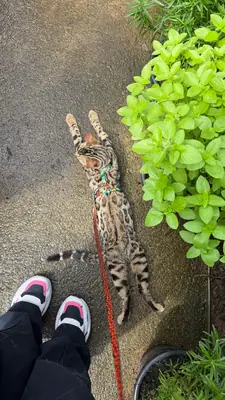
Haven't found the pet you're looking for? Let people who want to find a new home for their pet reach out to you.
Create your free pet adoption request listing now and be seen by thousands of pet owners.
Other listings in your area
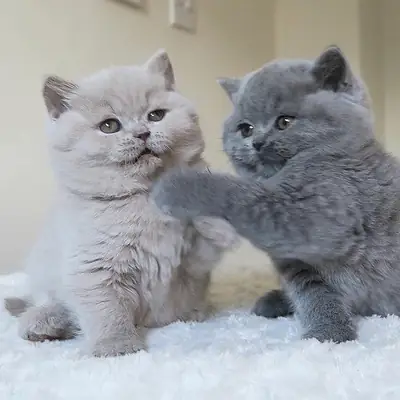
we have nice and cute british short hair kittes for good failly
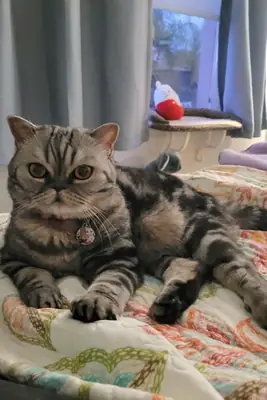
Scottish Fold cats are quiet and reserved.
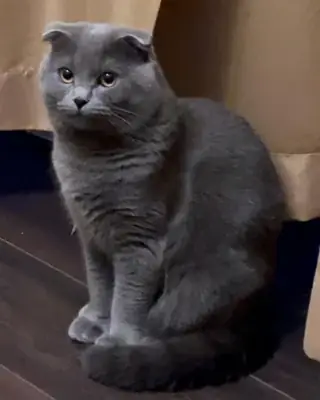
Scottish fold cat from a quiet home
Beautiful Purebred Persian kittens available!
Rescue Cat Looking for a Calm Home | Free Adoption | Very Affectionate
Egyptian Mau for Adoption | Alert, Loyal | Needs a Stable Home
Popular Searches
Free Bengal cat adoption Manchester
Free Bengal cat adoption in Manchester should be checked carefully because this is not a low-effort house cat. A Bengal may look spectacular, but the real match depends on energy level, noise, enrichment, safety and whether the adopter can handle a clever cat that gets bored quickly.
A strong listing on Petopic should explain age, microchip transfer, neutering, vaccination status, FIV and FeLV test history, HCM or heart notes, eyesight concerns, litter habits, spraying, climbing, diet, indoor safety, pet compatibility and the exact reason for rehoming.
Bengal cat adoption Manchester
Bengal cat adoption in Manchester attracts people who want an active, confident and visually striking cat. The weak move is choosing only by spots or coat colour and ignoring whether the cat is loud, restless, destructive, stressed indoors or difficult with other pets.
Ask whether the Bengal uses a cat tree, plays daily, accepts handling, uses the litter tray reliably, scratches furniture, demands outdoor access, opens doors, climbs kitchen units or becomes frustrated in a quiet flat.
Bengal cat rehoming Manchester
Bengal cat rehoming in Manchester needs a clear reason. Moving home or owner illness is very different from rehoming caused by spraying, biting, constant vocalising, pet conflict, escape attempts, boredom or expensive vet needs.
Before collection, understand the cat’s normal routine: feeding, play, litter setup, favourite high places, door-dashing, water play, grooming, sleep, noise, handling and whether the current home has managed the Bengal properly.
Bengal rescue Manchester
Bengal rescue in Manchester can be a better route when the cat needs assessment before adoption. Bengals are often rehomed when owners underestimate their energy, noise, intelligence or need for structured enrichment.
Look for detail on indoor safety, outdoor history, litter habits, spraying, stress, children, dogs, other cats, bite history, scratching behaviour, vet notes and whether the Bengal needs an experienced home.
Free to good home Bengal cat Manchester
Free to good home Bengal cat listings in Manchester can be genuine, but this wording should not make you rush. A free Bengal may come with behaviour challenges, missing documents, no vet history or a home setup that has failed the cat.
Ask for proof of ownership, microchip details, vaccination record, neutering status, current photos or video, litter history, health notes, diet, pet compatibility and the exact reason the cat is being rehomed.
Bengal cats for adoption Greater Manchester
Bengal cats for adoption across Greater Manchester may appear around Manchester, Salford, Stockport, Trafford, Didsbury, Chorlton, Ancoats, Fallowfield, Oldham, Rochdale, Bury, Bolton, Wigan and Tameside.
Widening the search helps, but the right Bengal match depends on health history, behaviour, indoor safety, enrichment, noise level, other pets and whether the new home can keep up with the cat’s energy.
Adult Bengal cat adoption Manchester
Adult Bengal cat adoption in Manchester can be smarter than chasing kittens because the cat’s real personality, voice, activity level, litter habits and pet compatibility are already visible.
Ask whether the adult Bengal is neutered, microchipped, vaccinated, settled indoors, calm with visitors, good with children, safe with pets and whether any behaviour issue explains the rehome.
Bengal kitten adoption Manchester
Bengal kitten adoption in Manchester gets attention fast because kittens look easier to shape, but Bengal kittens can become intense, demanding adults without proper play, boundaries and stimulation.
Ask about age, microchip, vaccinations, worming, flea treatment, litter training, parent information where known, socialisation, diet, energy level and whether the kitten is ready to leave safely.
Senior Bengal cat adoption Manchester
Senior Bengal cat adoption in Manchester can suit a calmer home, but older Bengals still need checks around teeth, joints, heart, kidneys, weight, thyroid signs, eyesight, mobility and stress tolerance.
Ask about appetite, drinking, urination, dental work, blood tests, medication, arthritis, jumping ability, litter tray access and whether the cat can cope with stairs, children or other pets.
Bengal mix adoption Manchester
Bengal mix adoption in Manchester can be a good option when the cat has Bengal looks or energy without clear pedigree proof. The label should be honest, not used to make a normal tabby sound more valuable.
Ask whether there are papers, known parentage or rescue notes. Then judge the actual cat: temperament, activity, noise, health, litter habits, outdoor history and whether your home fits its needs.
Pedigree Bengal cat adoption Manchester
Pedigree Bengal cat adoption in Manchester should come with clearer background than a vague “pure Bengal” claim. Papers can help, but documents do not replace health and behaviour checks.
Ask for registration details if available, microchip match, neutering proof, vet records, heart screening notes where known, PRA or PK deficiency information and why the cat is being rehomed.
Spotted Bengal cat adoption Manchester
Spotted Bengal cat adoption in Manchester is one of the strongest colour-pattern searches. Spots may get the click, but behaviour decides whether the adoption works.
Ask whether the spotted Bengal is vocal, playful, destructive when bored, settled with litter trays, safe indoors, used to children and whether it has any health or stress history.
Rosetted Bengal cat adoption Manchester
Rosetted Bengal cat adoption in Manchester often attracts people because the coat looks wild and high-value. That coat pattern means nothing if the cat is anxious, undersocialised or rehomed because of behaviour problems.
Ask for current videos, not only polished photos. Watch movement, confidence, handling, voice, play style and how the cat reacts around people and other pets.
Marbled Bengal cat adoption Manchester
Marbled Bengal cat adoption in Manchester is a coat-pattern search that should still lead to welfare checks. Marbled Bengals can be just as active, vocal and demanding as spotted Bengals.
Ask about daily play, scratching, climbing, litter habits, outdoor access, microchip transfer, neutering, vet history and whether the cat has lived calmly in a home like yours.
Brown Bengal cat adoption Manchester
Brown Bengal cat adoption in Manchester is a common search because the classic coat is easy to recognise. Colour is useful for filtering photos, but it should not decide adoption.
Ask whether the cat is neutered, microchipped, vaccinated, litter trained, settled indoors, used to other pets and whether the coat is healthy with no bald patches or overgrooming.
Snow Bengal cat adoption Manchester
Snow Bengal cat adoption in Manchester attracts rare-colour interest, but rare colour should not overpower health and temperament. A snow Bengal still needs the same enrichment, safety and vet-history checks.
Ask about eyesight, coat condition, pedigree background if available, litter routine, stress, indoor safety and whether the listing gives real care detail rather than just colour appeal.
Silver Bengal cat adoption Manchester
Silver Bengal cat adoption in Manchester is another high-click colour search. The problem is that colour-led listings often skip the information that matters most.
Ask about age, neutering, microchip, diet, vet records, activity level, voice, litter habits, pet compatibility, HCM notes and whether the cat can live safely in your home setup.
Blue Bengal cat adoption Manchester
Blue Bengal cat adoption in Manchester should be treated cautiously because unusual colour wording can be used to create urgency. A rare colour does not prove a good rehome.
Ask for current photos, honest breed background, microchip details, health records and behaviour notes before caring about the colour label.
Indoor Bengal cat adoption Manchester
Indoor Bengal cat adoption in Manchester can work only when the home provides real stimulation. A bored Bengal in a plain flat can become loud, destructive, stressed or obsessed with escaping.
Ask whether the cat is already indoor-only, whether it uses a cat wheel, climbing shelves, puzzle feeders, window perches, daily play and whether it tries to door-dash or open windows.
Bengal cat in flat Manchester
Bengal cat in flat Manchester searches need realism. A flat can work for the right Bengal, but not if the cat needs outdoor territory, constant stimulation or loud vocal release all day.
Ask about hallway noise, balcony access, window safety, play routine, cat tree height, scratching setup, neighbour sensitivity and whether the cat has ever lived successfully in a flat.
Bengal cat balcony safety Manchester
Bengal cat balcony safety in Manchester matters because Bengals are athletic, curious and quick. A high-rise balcony, tilt window or open sash window can become dangerous fast.
Ask whether the cat has lived with balcony access, whether it climbs rails, whether windows are screened and whether every risky opening can be secured before adoption.
Outdoor Bengal cat adoption Manchester
Outdoor Bengal cat adoption in Manchester should be judged carefully because roads, theft risk, territory fights and escape behaviour can be serious. Outdoor history does not mean immediate free roaming is safe after adoption.
Ask whether the Bengal has road sense, returns when called, has gone missing before, fights with cats, wears a tracker or would be safer with a secure garden, catio or supervised harness routine.
Bengal cat secure garden Manchester
Bengal cat secure garden searches show the right instinct. Many Bengals benefit from controlled outdoor enrichment, but “secure” must mean escape-resistant, not just a normal fence.
Ask whether the cat has used a catio, enclosed garden, harness or tracker, and whether the new home can prevent climbing, squeezing through gaps or jumping out.
Bengal cat catio Manchester
Bengal cat catio Manchester is a strong adoption angle because a catio can give a high-energy cat fresh air, climbing and bird-watching without road risk.
Ask whether the Bengal already uses a catio, whether it tries to escape, whether it becomes calmer after outdoor time and whether the adopter can provide enough enrichment if no catio exists.
Harness trained Bengal cat Manchester
Harness trained Bengal cat adoption in Manchester can be useful for safe outdoor enrichment, but a harness label should be proven by behaviour, not wishful thinking.
Ask whether the cat walks calmly, freezes, bolts, rolls, escapes the harness, handles traffic noise and whether the adopter can continue training slowly and safely.
High energy Bengal cat adoption Manchester
High energy Bengal cat adoption in Manchester is not a warning by itself; it is a compatibility filter. The wrong home will call the same cat naughty, destructive or impossible.
Ask how many play sessions the cat needs, whether it uses a wheel, climbs furniture, opens cupboards, steals food, wakes people at night or becomes loud when bored.
Vocal Bengal cat adoption Manchester
Vocal Bengal cat adoption in Manchester matters because Bengals can be talkative and demanding. In flats, shared houses or thin-walled terraces, that voice can become a real issue.
Ask when the cat vocalises, whether it yowls at doors, shouts for food, calls at night, complains when bored or becomes louder when left alone.
Bengal cat wheel Manchester
Bengal cat wheel searches are common because some Bengals need more movement than standard toys provide. A wheel can help, but it does not replace play, training, climbing and interaction.
Ask whether the Bengal already uses a wheel, whether it needs one daily, whether it becomes restless without exercise and whether the adopter has space for one in the home.
Bengal cat climbing needs Manchester
Bengal cat climbing needs should be taken seriously. A Bengal without vertical space may climb curtains, kitchen units, wardrobes, door frames and shelves anyway.
Ask whether the cat uses tall trees, wall shelves, window perches and high sleeping spots, and whether destructive climbing is part of the rehoming reason.
Bengal cat water play Manchester
Bengal cat water play is a common search because many Bengals are curious around taps, sinks, showers and bowls. That can be fun, but it can also create mess or risk around bathrooms and kitchens.
Ask whether the cat plays with water, tips bowls, joins showers, opens taps or needs a water fountain to stay satisfied and hydrated.
Bengal cat with children Manchester
A Bengal cat with children can work when the cat is confident and the children understand boundaries. The breed’s playful style can suit active homes, but rough handling and chaotic noise can create stress.
Ask what ages the cat has lived with, whether it scratches when overstimulated, whether it hides from noise and whether children can respect food, sleep, litter and high-resting areas.
Bengal family cat adoption Manchester
Bengal family cat adoption in Manchester can be a strong match for households that want an interactive cat, not a quiet ornament. Families must provide play, safe spaces and consistent rules.
Ask whether the Bengal has lived in a busy home, tolerates visitors, plays gently, guards food, bites during excitement or needs a calmer, more experienced household.
Bengal cat with dogs Manchester
A Bengal cat with dogs can work if the cat is confident and the dog is calm, cat-safe and respectful. A chasey dog can ruin the match immediately.
Ask whether the Bengal has lived with dogs, whether it hides, swats, chases back, sleeps near them and whether the new dog can give the cat safe escape routes.
Bengal cat with other cats Manchester
A Bengal cat with other cats should be judged by history, not assumptions. Some Bengals are social; others are dominant, territorial or too intense for quiet cats.
Ask whether the Bengal has lived with cats, fights, chases, guards food, sprays, shares litter trays or needs a slow introduction with plenty of space.
Only cat Bengal adoption Manchester
Only cat Bengal adoption in Manchester may be the right choice when the cat guards territory, bullies other cats, sprays around animals or becomes overstimulated in multi-pet homes.
Ask whether fights, chasing, blocking, litter conflict or stress behaviours happened before. A Bengal needing to be the only cat is not bad; it just needs the right home.
Bengal cat litter trained Manchester
Bengal cat litter trained listings should explain the actual routine. A cat that uses one tray in one home may have accidents after stress, territory conflict, litter change or illness.
Ask what litter is used, how many trays are available, whether accidents happen, whether spraying has occurred and whether urinary problems have been checked by a vet.
Bengal cat spraying Manchester
Bengal cat spraying in Manchester rehoming listings should never be hidden. Spraying may be linked with stress, hormones, territory, other cats, outdoor frustration or medical problems.
Ask whether the cat is neutered, where spraying happens, how often, whether it started after another pet, whether urine issues were checked and whether the behaviour is part of the rehoming reason.
Bengal cat scratching furniture Manchester
Bengal cat scratching furniture problems usually mean the cat needs better outlets, more play, taller scratchers or different textures. Punishing the cat is not a plan.
Ask what scratching posts the cat uses, whether sofas or carpets are targeted, whether boredom makes it worse and whether the adopter can provide proper vertical and horizontal scratchers.
Bengal cat biting Manchester
Bengal cat biting should be described clearly before adoption. Biting can come from overstimulation, rough play, fear, pain, poor handling or frustration from not getting enough activity.
Ask who the cat bites, when it happens, whether it breaks skin, whether warning signs appear and whether the behaviour improves after structured play or quieter handling.
Microchipped Bengal cat adoption Manchester
Microchipped Bengal cat adoption in Manchester should include correct keeper detail transfer. This matters even for indoor Bengals because athletic, curious cats can escape through doors, windows and balconies.
Ask for the microchip number, database transfer process and proof that the chip matches the Bengal being adopted.
Neutered Bengal cat adoption Manchester
Neutered Bengal cat adoption is especially important for adult rehomes. Neutering can reduce roaming, spraying and breeding risk, but it does not automatically fix stress or territory problems.
Ask whether the Bengal is neutered, when it was done, whether spraying continued afterwards and whether any behaviour changed after surgery.
Vaccinated Bengal cat adoption Manchester
Vaccinated Bengal cat adoption in Manchester should come with clear dates and records. Verbal reassurance is not enough when the cat may be joining a home with other pets.
Ask what vaccines were given, what is due next, whether the record matches the cat, and whether flea treatment, worming, neutering and FIV or FeLV testing are also documented.
FIV FeLV tested Bengal cat Manchester
FIV and FeLV tested Bengal listings are stronger when the result date and paperwork are clear. Testing matters more if the cat has been outdoors, lived with unknown cats or is joining a multi-cat home.
Ask whether the Bengal has been tested, when the test was done, whether it has mixed with untested cats and whether any result affects indoor-only or multi-cat placement.
Bengal cat HCM Manchester
Bengal cat HCM checks matter because heart disease can be hard to spot from photos or normal-looking behaviour. A healthy-looking Bengal can still need proper vet monitoring.
Ask whether there is any heart murmur, scan history, breeder screening information, fainting, breathing changes, medication, insurance exclusion or family history of heart disease.
Bengal cat PRA eyesight Manchester
Bengal cat PRA and eyesight questions should be asked when adopting a Bengal, especially if the cat bumps into things, hesitates in dim light or has unclear background.
Ask whether any eye issue, vision change, genetic test, vet note or breeder information exists. A cat with reduced vision can still live well, but the home setup must be safe.
Bengal cat PK deficiency Manchester
Bengal cat PK deficiency checks are relevant when breed health background is unclear. The adopter does not need a lecture; they need to know whether the current cat has any test history or symptoms.
Ask about genetic testing where available, anaemia signs, weakness, lethargy, pale gums, vet notes and whether the cat has ever needed investigation for blood-related issues.
Bengal cat dental care Manchester
Bengal cat dental care should be checked because cats often hide mouth pain. A Bengal that still eats may still have sore gums or teeth.
Ask when the last dental check happened, whether teeth have been removed, whether breath is strong, whether gums are red and whether wet or dry food is difficult to eat.
Bengal cat weight control Manchester
Bengal cat weight control matters because this is an athletic breed that should stay lean enough to jump, climb and play comfortably.
Ask current weight, body condition, food amount, treat habits, activity level, wheel use and whether a vet has recommended weight loss or diet management.
Private Bengal rehoming Manchester
Private Bengal rehoming in Manchester can be genuine, but private handovers need caution. Some owners minimise spraying, biting, escape attempts, noise, pet conflict or missing documents because they want a fast rehome.
Ask for proof of ownership, microchip transfer, vet history, current photos or video, litter routine, behaviour details, pet compatibility and the exact rehoming reason.
Bengal cat adoption scams Manchester
Bengal cat adoption scams in Manchester can use copied photos, rare-colour pressure, fake rescue stories, urgent deposits, delivery-only offers, vague ownership claims and no microchip or vet records.
Ask for current photos or video, proof of ownership, microchip information, safe viewing or collection and a clear reason for rehoming. If payment pressure comes before proof, walk away.
Manchester Salford Stockport Bengal adoption
Bengal adoption around Manchester, Salford, Stockport, Trafford, Didsbury, Chorlton, Oldham, Rochdale, Bury, Bolton, Wigan, Tameside and Warrington gives adopters more chances to find a genuine rehome.
Regional convenience only helps when the match is strong. Check microchip transfer, neutering, vet notes, activity level, indoor safety, litter habits, health history and the real reason for rehoming before collection.
Frequently Asked Questions
What should I check before adopting a Bengal cat in Manchester?
Check microchip transfer, vaccination status, neutering, FIV and FeLV test history, age, weight, dental health, HCM or heart notes, PRA or eyesight concerns, PK deficiency history, indoor or outdoor routine, litter habits, spraying, scratching, climbing needs, behaviour with children, dogs and other cats, vet records and the reason for rehoming.
A Bengal is an energetic and intelligent cat breed, so adoption should be based on real health, behaviour and home-suitability information, not only coat pattern.
Can I adopt a Bengal cat for free in Manchester?
Yes, free Bengal cat adoption can happen through genuine rehoming, but the cat should still come with clear ownership, health and behaviour information.
Ask for proof of ownership, microchip details, vaccination record, neutering status, vet notes and the real reason the cat is being rehomed.
Is a Bengal cat a good adoption cat?
A Bengal can be a good adoption cat for a home that wants an active, clever, vocal and interactive companion.
It may not suit someone who wants a very quiet, low-energy cat that never climbs, demands play or challenges the home setup.
Are Bengal cats good for first time owners?
Bengals are not the easiest choice for many first time owners because they can be vocal, energetic, intelligent and demanding.
A first time owner should be ready for daily play, strong enrichment, secure windows, litter monitoring, scratching outlets and realistic vet costs.
Are Bengal cats high maintenance?
Bengals can be high maintenance because they need activity, mental stimulation, safe space, routine and attention.
The coat may be easy to manage, but the behaviour and enrichment needs are usually the real work.
Can a Bengal cat live in a Manchester flat?
A Bengal can live in a flat if the flat is secure, enriched and suitable for an energetic cat.
Ask about window safety, balcony access, hallway noise, cat trees, scratching posts, daily play and whether the cat has lived successfully in a flat before.
Can Bengal cats be indoor cats?
Bengals can be indoor cats when they have enough enrichment, climbing space, play, puzzle feeding and safe views.
An under-stimulated indoor Bengal may become loud, destructive, stressed or obsessed with escaping.
Do Bengal cats need outdoor access?
Some Bengals enjoy outdoor access, but it should be managed safely because of roads, theft risk, territory fights and escape behaviour.
A secure garden, catio, harness routine or enclosed outdoor space can be safer than unrestricted roaming.
Are balconies safe for Bengal cats?
Balconies are only safe when properly secured. Bengals are athletic and may climb, jump or squeeze through gaps.
Before adoption, secure balcony doors, rails, tilt windows, sash windows and any risky opening.
Do Bengal cats need a catio?
A catio is not always required, but it can be very useful for a Bengal that needs safe outdoor stimulation.
Ask whether the cat has used a catio, secure garden, harness or tracker before adoption.
Can Bengal cats be harness trained?
Some Bengals can be harness trained, but it depends on the individual cat and the training history.
Ask whether the cat walks calmly, freezes, bolts, escapes the harness or handles traffic noise safely.
Are Bengal cats vocal?
Bengals can be very vocal and may call for food, play, doors, attention or routine changes.
Ask when the cat is loudest and whether the noise is suitable for your flat, terrace, shared house or neighbours.
Do Bengal cats need a lot of play?
Yes, Bengals usually need daily play and mental stimulation.
Ask what toys the cat uses, whether it needs a wheel, whether it becomes destructive when bored and how much interaction it expects.
Do Bengal cats need a cat wheel?
Not every Bengal needs a cat wheel, but some benefit from one because of their high energy.
Ask whether the cat already uses a wheel and whether the adopter has enough space and routine to continue that outlet.
Why do Bengal cats climb so much?
Bengals are athletic cats that often enjoy high vantage points and vertical movement.
Provide tall cat trees, shelves, window perches and safe climbing areas to reduce unwanted climbing on furniture or curtains.
Do Bengal cats like water?
Some Bengals are curious around taps, sinks, showers, water bowls or fountains.
Ask whether the cat tips bowls, opens taps, joins showers or needs a water fountain to stay satisfied.
Are Bengal cats good with children?
Bengals can be good with children when the cat is confident and the children respect boundaries.
Ask what ages the cat has lived with, whether it scratches when overstimulated and whether it needs quiet places away from noise.
Are Bengal cats good family cats?
A Bengal can be a good family cat for a household that wants an active and interactive companion.
The home should provide play, climbing, safe spaces, litter privacy and consistent handling rules.
Can Bengal cats live with dogs?
Some Bengals can live with dogs if the dog is calm, cat-safe and respectful.
Ask whether the Bengal has lived with dogs before and whether it hides, swats, chases back or relaxes around them.
Can Bengal cats live with other cats?
Some Bengals can live with other cats, but others are dominant, territorial or too intense for quiet cats.
Ask whether the Bengal has lived with cats, fights, chases, sprays, shares litter trays or guards resources.
Should a Bengal cat be the only cat?
A Bengal may need to be the only cat if it guards territory, bullies other cats, sprays around animals or becomes stressed in multi-cat homes.
Ask whether pet conflict is part of the rehoming reason.
Are Bengal cats litter trained?
Many Bengals are litter trained, but the exact routine should be checked before adoption.
Ask what litter is used, how many trays are available, whether accidents happen and whether spraying or urinary problems have occurred.
Why do Bengal cats spray?
Spraying can be linked with stress, territory, hormones, other cats, outdoor frustration or medical problems.
Ask whether the cat is neutered, where spraying happens and whether a vet has checked for urinary issues.
Do Bengal cats scratch furniture?
Bengals may scratch furniture if they lack enough suitable scratchers, climbing areas, play or stimulation.
Ask what scratching posts the cat uses and whether boredom makes furniture damage worse.
Do Bengal cats bite?
Bengals can bite from overstimulation, rough play, fear, pain, poor handling or frustration.
Ask when biting happens, who it happens to, whether warning signs appear and whether structured play reduces it.
Should an adopted Bengal cat be microchipped?
Yes, the cat should be microchipped and the keeper details should be transferred correctly after adoption.
Ask for the microchip number, database process and proof that the chip matches the Bengal being adopted.
Should a Bengal cat be neutered before rehoming?
Many adult Bengals are neutered before rehoming, but not all private rehomes are.
Ask whether the cat is neutered, when it was done and whether spraying, roaming or mating behaviour has occurred.
Should a Bengal cat be vaccinated before adoption?
Vaccination status should be clear before adoption. Ask what has been given, what is due next and whether a vet record is available.
Also ask about flea treatment, worming, neutering, FIV and FeLV testing, dental care, appetite and any recent illness.
Should a Bengal cat be FIV and FeLV tested?
FIV and FeLV testing is useful, especially if the cat has been outdoors, lived with unknown cats or will join a multi-cat home.
Ask whether testing was done, when it was done and whether the results affect placement or indoor-only advice.
What health problems should I ask about in a Bengal cat?
Ask about heart disease, HCM screening, PRA or eyesight issues, PK deficiency testing where known, dental disease, kidney history, urinary issues, allergies, parasites, appetite changes, vomiting, diarrhoea, medication and recent vet records.
A Bengal does not need perfect health to be adoptable, but the adopter needs honest information before handover.
What is HCM in Bengal cats?
HCM is a heart disease concern that can affect cats, including Bengals.
Ask whether the cat has a heart murmur, scan history, medication, breeder screening information or family history of heart disease.
What is PRA in Bengal cats?
PRA is an eyesight concern that can affect some Bengals.
Ask whether the cat has had any eye issues, vision changes, genetic testing or vet notes related to eyesight.
What is PK deficiency in Bengal cats?
PK deficiency is a blood-related genetic concern that may be relevant in Bengal breed background checks.
Ask whether testing was done and whether the cat has ever shown weakness, lethargy, pale gums or anaemia-related signs.
Do Bengal cats need dental care?
Yes, dental care should be checked because cats can hide mouth pain.
Ask when the cat last had a dental check, whether teeth have been removed, whether breath is strong and whether eating has changed.
Can Bengal cats become overweight?
Yes, Bengals can become overweight if food, treats and activity are not managed.
Ask current weight, body condition, food amount, treat habits and whether the cat gets enough play and movement.
What diet does a Bengal cat need?
A Bengal needs a balanced cat diet suitable for its age, weight, activity level and health.
Ask what food the cat eats now, whether diet changes cause stomach upset and whether a vet has recommended any special food.
What should come with a Bengal cat at handover?
Useful handover details include microchip transfer, vaccination record, neutering status, vet notes, diet, litter routine, behaviour history, pet compatibility, insurance notes and any medication.
The current owner should also explain indoor or outdoor history, stress triggers, scratching habits, spraying, noise level and the real reason for rehoming.
How do I avoid Bengal cat adoption scams?
Watch for copied photos, rare-colour pressure, urgent deposits, delivery-only offers, vague ownership stories, missing microchip details and no vet records.
Ask for current photos or video, proof of ownership, microchip information, safe viewing or collection and a clear reason for rehoming.