Free Adoption of Leghorn Chickens in Moscow
There are 2 Leghorn listings live right now, last updated 13 Jan 2026. Find Leghorn chickens for fre... There are 2 Leghorn listings live right now, last updated 13 Jan 2026. Find Leghorn chickens for free adoption in Moscow with the practical details serious keepers need before taking birds into a back... There are 2 Leghorn listings live right now, last updated 13 Jan 2026. Find Leghorn chickens for free adoption in Moscow with the practical details serious keepers need before taking birds into a backyard, dacha plot or small flock: age, sex, laying history, vaccination or veterinary notes, quarantine needs, comb condition, frostbite history, feather health, parasite treatment, temperament, flightiness, noise level, rooster status, flock compatibility, coop setup, winter housing, predator protection, feed routine, egg production, transport safety and the real reason for rehoming. Leghorns are light, active, sharp, high-energy chickens best known for white egg laying, strong foraging and quick movement, so the right adoption match should focus on secure housing, dry ventilation, cold-weather planning, legal suitability, flock biosecurity and realistic daily care rather than choosing only because the bird is free, productive-looking, easy to feed or described as a simple backyard hen.
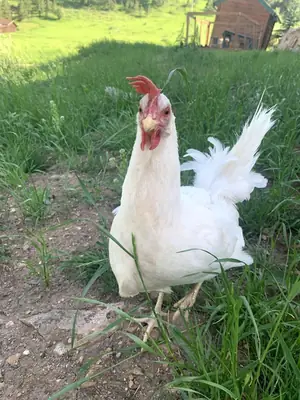
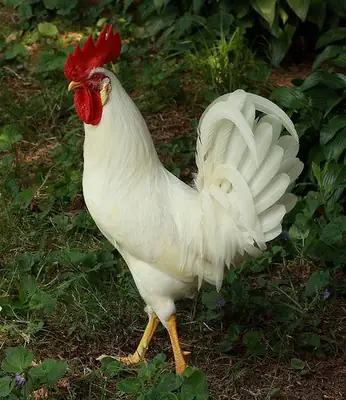
Haven't found the pet you're looking for? Let people who want to find a new home for their pet reach out to you.
Create your free pet adoption request listing now and be seen by thousands of pet owners.
Popular Searches
Free Leghorn chicken adoption Moscow
Free Leghorn chicken adoption in Moscow should be treated as a livestock decision, not a casual pet handover. A no-fee listing still needs clear details about the bird’s age, sex, laying history, health, parasite treatment, flock background, quarantine needs, winter tolerance and the real reason for rehoming.
Leghorns are active, alert and productive chickens, but they need secure housing, dry bedding, good ventilation, predator protection and enough space to move. The right keeper should already have a legal, safe and winter-ready setup before collection.
Leghorn chickens for adoption Moscow
Leghorn chickens for adoption in Moscow attract people who want reliable white egg layers. The listing should explain the chicken’s real condition and flock history, not just say it is active, healthy or laying well.
Ask whether the Leghorn is a hen or rooster, how often it lays, whether laying has slowed, whether it has frostbite damage, whether it flies over fencing, whether it mixes well with other hens and whether it needs quarantine before joining an existing flock.
Leghorn hen adoption Moscow
Leghorn hen adoption in Moscow should focus on laying history, health and safe flock integration. A good laying hen may still need careful quarantine, parasite checks, frostbite monitoring and a proper coop before joining other birds.
Ask the hen’s age, current laying rate, egg shell quality, appetite, weight, feather condition, comb health, molting stage and whether she has been exposed to respiratory illness, mites or aggressive flock bullying.
White Leghorn adoption Moscow
White Leghorn adoption in Moscow usually means people are looking for a classic white egg layer. Colour alone is not enough to judge the bird; health, temperament, laying pattern and winter housing suitability matter more.
Ask whether the White Leghorn is flighty, noisy, calm in a coop, used to confinement, tolerant of handling and whether the current keeper can show recent photos of comb, feet, feathers and droppings condition.
Brown Leghorn adoption Moscow
Brown Leghorn adoption in Moscow should still be judged by the same practical checks as a White Leghorn. The bird may be active, alert and excellent at foraging, but it still needs secure fencing and a dry winter coop.
Ask about laying history, feather quality, comb condition, flock behaviour, flightiness, predator exposure, feed routine and whether the bird has lived in a mixed flock or only with other Leghorns.
Leghorn rooster adoption Moscow
Leghorn rooster adoption in Moscow needs extra caution because noise, aggression, neighbour complaints and legal suitability can become immediate problems. A free rooster is not a free solution if the setup is not suitable.
Ask whether the rooster attacks people, overbreeds hens, crows early, fights other males, protects the flock aggressively or has frostbite on the comb and wattles from previous winters.
Free laying hens Moscow
Free laying hens in Moscow should be checked for actual productivity and health. A hen described as “laying” may be young and productive, slowing down with age, molting, stressed, or being rehomed because egg output has dropped.
Ask how many eggs the Leghorn lays per week, whether eggshells are strong, whether the hen has stopped laying, whether diet is balanced and whether there are signs of reproductive problems, parasites or illness.
White egg laying chickens Moscow
White egg laying chickens in Moscow often lead people to Leghorns because the breed is strongly associated with efficient white egg production. Egg colour should not distract from welfare, housing and flock safety.
Ask whether the bird is currently laying, whether lighting changes affected production, whether winter laying drops, whether feed includes enough calcium and whether the hen has been kept in clean, dry conditions.
Backyard chicken adoption Moscow
Backyard chicken adoption in Moscow should start with whether the location is suitable. Chickens need a legal place to live, a secure coop, proper waste handling, predator protection, winter water access and enough space to prevent stress.
Before taking a Leghorn, confirm local rules, neighbour tolerance, rooster restrictions, veterinary requirements, quarantine space and whether the bird can be kept safely during Moscow’s cold months.
Dacha chickens adoption Moscow
Dacha chickens adoption near Moscow can work well when the coop is secure, insulated without trapping moisture, protected from predators and checked daily. A Leghorn should not be left as a low-maintenance weekend animal.
Ask whether someone is present every day for feeding, water, egg collection, predator checks, snow clearing, ventilation, health monitoring and winter emergency care.
Small flock chicken adoption Moscow
Small flock chicken adoption in Moscow should include quarantine planning. A new Leghorn may look healthy but still carry mites, respiratory illness, worms or stress-related issues that can affect existing birds.
Ask whether the bird came from a clean flock, whether any birds recently died, whether there has been coughing, sneezing, swelling, diarrhea, feather loss or egg problems, and whether the adopter can isolate the bird before mixing.
Leghorn chicken rehoming Moscow
Leghorn chicken rehoming in Moscow should always explain the real reason. Moving house, flock downsizing and winter housing problems are very different from rehoming because of aggression, noise, illness, poor laying or escape behaviour.
Ask how long the keeper has had the bird, whether it has changed flocks before, whether it has been bullied, whether it attacks other birds and whether the rehoming is urgent because the current setup is unsafe.
Leghorn chicken free to good home Moscow
Leghorn chicken free to good home Moscow searches need a strict filter. “Good home” should mean proper coop space, predator-proof run, dry ventilation, winter water, balanced feed, dust bath, parasite control, quarantine area and daily care.
Before adopting, ask about laying history, comb health, frostbite, mites, lice, worms, respiratory signs, flock aggression, flightiness and whether the bird has been handled enough for safe transport.
Leghorn chicks adoption Moscow
Leghorn chicks adoption in Moscow should be checked carefully because chicks need warmth, brooder management, clean bedding, starter feed and protection from drafts before they can handle outdoor conditions.
Ask exact age, hatch date, parent background, heat requirements, feed routine, vaccination or treatment notes, sexing reliability and whether the adopter is ready if a chick turns out to be a rooster.
Adult Leghorn chicken adoption Moscow
Adult Leghorn chicken adoption in Moscow can be more predictable than taking chicks because laying pattern, temperament, flightiness and flock behaviour are already visible.
Ask whether the adult bird is laying, molting, aggressive, bullied, easy to catch, good with mixed breeds and whether it has handled winter conditions before without comb damage or respiratory problems.
Older Leghorn hen adoption Moscow
Older Leghorn hen adoption in Moscow can suit a keeper who values companionship, pest control and flock balance rather than maximum egg output. Older hens may lay less and need closer health monitoring.
Ask about age, egg frequency, appetite, weight, mobility, comb colour, breathing, droppings, parasites, previous illness and whether the hen needs a quieter flock with less competition.
Leghorn adoption near me Moscow
Leghorn adoption near me in Moscow may include Moscow city edges, Moscow Oblast, Khimki, Mytishchi, Balashikha, Odintsovo, Krasnogorsk, Podolsk, Lyubertsy and nearby dacha areas.
Nearby helps reduce transport stress, but location is not the decision. A local Leghorn with unclear health, no flock history, frostbite damage or hidden rooster noise issues is still a weak adoption option.
Moscow Oblast chicken adoption
Moscow Oblast chicken adoption searches often fit Leghorns better than dense city homes because adopters may have more outdoor space, dacha plots or existing coops. Space still needs to be secure and managed daily.
Ask whether the coop is close enough for daily care, whether winter visits are reliable, whether predators are common and whether the bird will be kept legally and safely year-round.
Winter hardy Leghorn adoption Moscow
Winter hardy Leghorn adoption in Moscow needs honest wording. Leghorns can be managed in cold regions, but large combs, moisture, drafts and poor coop design can create frostbite risk.
Ask whether the bird has wintered in Moscow before, whether comb tips were damaged, whether the coop stayed dry, whether water froze and whether the current keeper used safe ventilation rather than sealing the coop tightly.
Leghorn frostbite comb Moscow
Leghorn frostbite comb checks matter in Moscow because the breed often has a prominent comb. Frostbite can show as pale, dark, dry or damaged comb tips, especially after cold nights in damp or poorly ventilated housing.
Ask for close photos of comb and wattles, whether damage happened before, whether a vet saw the bird and whether the new coop has dry bedding, protected roosts and ventilation that removes moisture without direct drafts.
Chicken coop winter Moscow
Chicken coop winter Moscow searches are central for Leghorn adoption. A winter coop should protect birds from wind, moisture, predators and frozen water while still allowing controlled ventilation.
Before adopting, check roost height, bedding depth, ventilation, snow access, water management, feeder placement, cleaning routine and whether the coop can be monitored daily in severe cold.
Predator proof chicken coop Moscow
Predator proof chicken coop Moscow searches should be taken seriously before adopting a Leghorn. A light, active bird can still be vulnerable at night, during transport or in a weak outdoor run.
Ask whether the coop has secure latches, buried or protected wire, covered run space, strong doors, safe roosting, protection from dogs and a routine for locking birds in before dark.
Leghorn flighty chicken adoption
Leghorn flighty chicken adoption checks matter because many Leghorns are quick, alert and capable of flying higher than expected. This affects fencing, catching, transport and mixing with calmer breeds.
Ask whether the bird flies over fences, roosts high, panics when handled, escapes during feeding or needs a covered run rather than an open low fence.
Active chicken adoption Moscow
Active chicken adoption in Moscow fits the Leghorn well, but activity means the bird needs enrichment, scratching space, dust bathing, secure ranging and a coop that does not trap it in boredom.
Ask whether the Leghorn paces in confinement, feather pecks, escapes, bullies weaker birds or becomes stressed when kept in too small a space.
Leghorn noisy chicken adoption
Leghorn noisy chicken adoption checks matter in Moscow because neighbour tolerance can be low, especially near residential homes. Hens can be vocal, and roosters can create serious problems.
Ask whether the bird is a hen or rooster, whether it makes loud egg songs, whether it alarms often, whether neighbours complained and whether the adopter’s location allows poultry noise.
Quiet laying hen adoption Moscow
Quiet laying hen adoption in Moscow should be checked with real history. A Leghorn hen may be quieter than a rooster, but she can still vocalise after laying, during stress or when alarmed.
Ask whether the hen is calm in the morning, whether she alarms at dogs, people or wild birds, and whether the current keeper has had neighbour complaints.
No rooster chicken adoption Moscow
No rooster chicken adoption in Moscow is a common intent because many keepers want eggs without crowing, aggression or neighbour trouble. The listing should confirm sex clearly.
Ask whether the bird is definitely a hen, whether it has laid eggs, whether it crows, whether it has spurs and whether the current keeper can show recent photos if the bird is young or sexing is uncertain.
Leghorn flock compatibility Moscow
Leghorn flock compatibility in Moscow should be checked before adoption because active birds can be bullied by heavier breeds or become pushy in small spaces.
Ask whether the Leghorn is dominant, timid, feather pecked, aggressive at feeders, bullied on roosts or used to living with calm heavy breeds, bantams, mixed hens or roosters.
Introduce new chicken to flock Moscow
Introducing a new chicken to a flock in Moscow should start with quarantine, observation and slow visual introduction. Dropping a Leghorn directly into an established flock can cause bullying, stress or disease spread.
Ask whether the adopter has a separate pen, whether the bird can be watched for coughing, mites, lice, diarrhea and weight loss, and whether the existing flock has enough space to reduce fighting.
Chicken quarantine adoption Moscow
Chicken quarantine adoption in Moscow is not optional if the adopter already has birds. A new Leghorn should be observed separately before mixing to reduce the risk of bringing parasites or respiratory disease into the flock.
Ask for recent flock health, any deaths, coughing, swelling, mites, lice, worms, unusual droppings and whether the adopter has a clean isolation area with separate tools and feed containers.
Healthy Leghorn chicken adoption Moscow
Healthy Leghorn chicken adoption in Moscow should be supported by real signs: bright eyes, active movement, clean vent, healthy feathers, steady appetite, normal droppings, good posture and a comb that matches the bird’s age and season.
Ask whether the bird has had coughing, sneezing, swelling, limping, pale comb, weight loss, mites, lice, worms, egg problems, frostbite or sudden laying changes.
Chicken mites adoption Moscow
Chicken mites adoption checks matter because parasites can spread quickly through a coop and make birds weak, restless or stop laying. A free Leghorn with mites can cost more in treatment than expected.
Ask whether the bird has been checked at the vent, under wings and around the neck, whether the coop had mites, whether treatment was done and whether the adopter can quarantine and inspect before mixing.
Chicken lice adoption Moscow
Chicken lice adoption in Moscow should be checked before transport. Lice can cause feather damage, irritation, weight loss and poor laying if ignored.
Ask whether the bird has visible eggs on feather shafts, whether the flock was treated, whether dust bathing is available and whether the adopter can inspect the bird before placing it near other chickens.
Chicken respiratory symptoms adoption Moscow
Chicken respiratory symptoms adoption in Moscow should stop the handover until the issue is understood. Sneezing, coughing, swollen eyes, nasal discharge, rattly breathing or lethargy can signal a problem that affects the whole flock.
Ask whether any birds in the current flock are sick, whether a vet saw them, whether treatment is ongoing and whether the bird should remain isolated before any adoption decision.
Leghorn feed routine Moscow
Leghorn feed routine in Moscow should be clear before adoption because laying hens need balanced layer feed, grit, calcium access and clean water. Kitchen scraps alone are not a proper diet.
Ask what feed the bird currently eats, whether it gets oyster shell or calcium, whether egg shells are thin, whether water freezes in winter and whether the adopter can keep feed dry and protected from pests.
Chicken dust bath Moscow
Chicken dust bath Moscow searches matter because Leghorns are active birds that need dust bathing for comfort, feather condition and parasite control. Snow, mud and wet runs can reduce access during winter.
Ask whether the new setup has a dry dust bath area, whether the bird has had parasite problems and whether the coop run stays dry enough for normal grooming behaviour.
Free range Leghorn Moscow
Free range Leghorn Moscow searches need a reality check. Leghorns are active foragers, but free ranging must fit local rules, predator risk, neighbour boundaries, disease prevention and secure return to the coop.
Ask whether the bird is used to ranging, whether it flies over fences, whether wild birds have access to feed and water, whether the run can be isolated if needed and whether legal or veterinary requirements allow the setup.
Confined Leghorn chicken adoption
Confined Leghorn chicken adoption should be approached carefully because Leghorns can become stressed or bored if kept in too small a space. Confinement can work only with enough room, enrichment, dust bath access and clean air.
Ask whether the bird paces, feather pecks, screams, escapes, loses feathers or becomes aggressive when confined, and whether the adopter’s run is covered, dry and large enough for active movement.
Legal backyard chickens Moscow
Legal backyard chickens Moscow checks should happen before adopting a Leghorn. Urban rules, land use, veterinary requirements, neighbour complaints, waste control and rooster noise can all affect whether chickens can be kept safely.
Do not rely on a seller or current keeper saying “it is fine”. Check the property type, local authority expectations, sanitation duties, flock registration needs and whether poultry can be kept at that address.
Chicken transport adoption Moscow
Chicken transport adoption in Moscow should be calm, short and safe. Leghorns can panic easily, so transport must prevent escape, overheating, injury and stress.
Use a secure ventilated carrier, avoid loose transport in a car, keep the bird away from dogs and loud handling, and move directly into a prepared quarantine space after arrival.
Private chicken rehoming Moscow
Private chicken rehoming in Moscow can be genuine, but it needs careful checks. Some keepers minimise illness, poor laying, rooster behaviour, noise, parasites, frostbite, aggression or the fact that the bird does not fit their setup.
Ask for recent photos, flock health history, laying details, parasite treatment, reason for rehoming, sex confirmation and whether the adopter can inspect the bird before collection.
Chicken adoption scam Moscow
Chicken adoption scams in Moscow can use fake photos, unclear pickup locations, pressure for transport fees, wrong bird sex, hidden rooster handovers or birds presented as healthy without real inspection.
Ask for current photos, short videos, flock details, exact location, health notes and a safe handover plan. If the bird is supposedly free but payment pressure appears before inspection, stop.
Moscow Leghorn adoption areas
Useful Moscow Leghorn adoption searches include Moscow Oblast, Khimki, Mytishchi, Balashikha, Odintsovo, Krasnogorsk, Podolsk, Lyubertsy, Domodedovo, Pushkino and nearby dacha settlements.
Use location as a filter, not the decision. Compare legal suitability, coop readiness, winter housing, bird sex, laying history, parasite checks, flock health, frostbite risk, transport safety and the reason for rehoming before arranging collection.
Frequently Asked Questions
What should I check before adopting a free Leghorn chicken in Moscow?
Check the bird’s age, sex, laying history, health, parasite treatment, comb condition, frostbite history, feather quality, flock background, noise level, flightiness, quarantine needs and the real reason for rehoming.
Also check whether your Moscow property can legally and safely keep chickens, whether you have a winter-ready coop, predator protection, dry bedding, ventilation, unfrozen water access and a separate space for quarantine.
Is a Leghorn a good adoption chicken?
Yes, a Leghorn can be a good adoption chicken for keepers who want an active white egg layer and already have proper housing.
It is a poor match for someone who wants a calm lap-style pet chicken, a bird for a tiny run, or poultry kept without daily care and winter planning.
Can I adopt a Leghorn chicken for free in Moscow?
Free Leghorn adoption listings may appear in Moscow or nearby dacha areas, but the lack of a fee should not reduce your checks.
Ask about sex, age, laying history, health, parasites, frostbite, flock illness, housing background and whether the bird is being rehomed because of noise, escape behaviour, poor laying or rooster issues.
Are Leghorn chickens good egg layers?
Leghorns are widely valued as productive white egg layers, especially when kept with good feed, clean water, safe housing and low stress.
Ask how often the hen currently lays, whether production has changed, whether she is molting, whether eggshells are strong and whether diet includes proper layer feed and calcium access.
Do Leghorn chickens lay white eggs?
Yes, Leghorns are strongly associated with white eggs.
Egg colour should not be the only reason to adopt. Check the bird’s health, laying history, flock compatibility, housing needs and winter suitability before making a decision.
Are Leghorn chickens friendly?
Some Leghorns become comfortable around people, but many are alert, quick and less cuddly than heavier, calmer breeds.
Ask whether the bird can be handled, whether it panics when caught, whether it escapes during feeding and whether it has been kept around people regularly.
Are Leghorns flighty chickens?
Many Leghorns are quick, alert and capable of flying higher than expected.
Ask whether the bird flies over fences, roosts in trees, panics when handled or needs a covered run instead of an open low-fenced area.
Can Leghorns live in a small backyard?
A Leghorn can live in a small backyard only if there is enough legal, secure and enriched space for movement, dust bathing, feeding, roosting and shelter.
If the run is too small, the bird may become stressed, loud, flighty, destructive or aggressive toward weaker flock members.
Can Leghorns be kept in Moscow winters?
Leghorns can be managed in cold regions, but Moscow winters require serious housing preparation.
The coop should be dry, protected from drafts, ventilated enough to remove moisture, predator-proof and managed so water does not freeze. Large combs should be checked for frostbite risk.
Are Leghorns prone to frostbite?
Leghorns with large combs can be vulnerable to frostbite in cold, damp or poorly ventilated coops.
Ask whether the bird has had comb or wattle damage before and check whether the new housing stays dry while still allowing controlled airflow.
Should I heat a chicken coop in Moscow?
Heating should not be treated as the first solution. Dry bedding, draft control, safe ventilation, proper roosts and unfrozen water are usually more important than making the coop warm like a house.
If any heating is considered, it must be safe, fire-conscious and suitable for poultry. A badly heated or damp coop can create more risk than a cold but dry and well-managed one.
Do Leghorns need a covered run?
A covered run is strongly useful for Leghorns because they can be active, flighty and good at escaping low fencing.
A covered run also helps with predator protection, snow control, wild bird contact reduction and safer confinement when free ranging is not suitable.
Can Leghorns free range in Moscow?
Free ranging should only happen if local rules, disease control, predator risk, fencing, neighbour boundaries and recall-to-coop routine make it safe.
Leghorns enjoy foraging, but they may fly over fences or range farther than expected. A secure run is safer for many keepers.
Are backyard chickens legal in Moscow?
Do not assume chickens are allowed at every Moscow address. Suitability can depend on property type, land use, local rules, veterinary requirements, sanitation duties and neighbour impact.
Before adopting a Leghorn, check whether poultry can be kept legally at that location and whether rooster noise, waste, smell or flock size could create problems.
Can I keep a Leghorn rooster in Moscow?
A Leghorn rooster needs extra caution because crowing, aggression, neighbour complaints and local restrictions can become immediate problems.
Ask whether the bird is definitely a rooster, whether it attacks people, whether it overbreeds hens and whether your property can legally and practically keep a rooster.
How do I know if a Leghorn is a hen or rooster?
Adult hens usually have laying history, while roosters may crow, show stronger male behaviour and develop more obvious male features.
For young birds, sexing can be uncertain. Ask for age, recent photos, behaviour details and whether the bird has laid eggs or crowed.
Can Leghorns live with other chickens?
Leghorns can live with other chickens, but introductions should be slow and controlled.
Ask whether the bird is dominant, timid, bullied, aggressive at feeders or used to living with heavier breeds, bantams, mixed hens or roosters.
Should I quarantine a newly adopted Leghorn?
Yes, quarantine is strongly recommended before adding a new bird to an existing flock.
Observe for coughing, sneezing, swelling, mites, lice, worms, unusual droppings, weight loss and poor appetite before any direct contact with other chickens.
How should I introduce a Leghorn to my flock?
After quarantine, use slow visual introduction before full mixing. Let birds see each other safely before sharing feed, water and roosting space.
Watch for bullying, feather pulling, food guarding, chasing and stress. Leghorns are active, so enough space and multiple feeding points help reduce conflict.
What health signs should I check before adopting a Leghorn?
Check bright eyes, active movement, clean vent, healthy feathers, steady appetite, normal droppings, good posture, clear breathing and a comb that does not show severe damage.
Ask about coughing, sneezing, swelling, limping, pale comb, weight loss, mites, lice, worms, egg problems, frostbite and recent flock illness.
Should I ask about mites and lice before adopting a chicken?
Yes. Mites and lice can spread quickly through a coop and affect feather condition, laying, weight and comfort.
Ask whether the bird and current coop were checked, whether treatment was given and whether the adopter can inspect and quarantine before mixing with other birds.
Should I adopt a chicken with respiratory symptoms?
Do not rush adoption if the bird has coughing, sneezing, swollen eyes, nasal discharge, rattly breathing or lethargy.
Ask whether a vet has checked the bird, whether other flock members are sick and whether the bird should stay isolated until the issue is understood.
What should I feed a Leghorn hen?
A laying Leghorn hen needs balanced layer feed, clean water, grit and calcium access. Kitchen scraps alone are not a complete diet.
Ask what feed the bird currently eats, whether egg shells are strong and whether the adopter can keep feed dry, clean and protected from pests.
Do Leghorns need dust baths?
Yes, dust bathing is important for comfort, feather condition and parasite management.
In Moscow winters, snow, mud and wet runs can reduce dust bath access, so the coop or covered run should provide a dry dust bathing area.
Can Leghorns be kept with ducks or other poultry?
Mixed poultry setups need careful planning because different birds have different water, bedding, disease, space and behaviour needs.
Ask whether the Leghorn has lived with other poultry before and whether separate feeding, dry roosting, quarantine and clean water management are possible.
Can a Leghorn live as a single chicken?
Chickens are flock animals, so a single Leghorn may become stressed without suitable companions.
If adopting one bird, plan careful integration with compatible hens after quarantine rather than keeping it alone long term.
How should I transport an adopted Leghorn?
Use a secure ventilated carrier that prevents escape, injury and overheating. Do not transport a loose chicken in a car.
Keep the journey calm and move the bird directly into a prepared quarantine space with feed, water and bedding after arrival.
Is an older Leghorn hen worth adopting?
An older Leghorn hen can be worth adopting if the keeper understands that egg production may be lower than in a young bird.
Ask about age, current laying rate, appetite, mobility, comb condition, breathing, parasites and whether the hen needs a quieter flock.
How do I avoid chicken adoption scams in Moscow?
Watch for fake photos, vague pickup locations, payment pressure, wrong sex claims, hidden rooster handovers and birds described as healthy without inspection.
Ask for current photos, short videos, flock health details, exact location, sex confirmation, laying history and a safe handover plan before arranging transport.
What should I prepare before bringing a Leghorn home?
Prepare a legal and secure coop, covered run, roosts, nest box, dry bedding, ventilation, predator protection, feed, grit, calcium, water setup, dust bath and quarantine area.
In Moscow, also prepare for freezing water, snow access, comb frostbite monitoring, daily winter checks and safe transport from the previous keeper.
Which areas near Moscow should I search for Leghorn chicken adoption?
Useful nearby searches can include Moscow Oblast, Khimki, Mytishchi, Balashikha, Odintsovo, Krasnogorsk, Podolsk, Lyubertsy, Domodedovo, Pushkino and nearby dacha settlements.
Distance should not beat legal suitability, coop readiness, winter housing, health, quarantine safety and keeper transparency. The closest Leghorn is not automatically the right Leghorn.