Lost Rosella Parrots in New York
There's 1 Rosella listing live right now, last updated 7 Oct 2025. Find urgent lost Rosella parrot a... There's 1 Rosella listing live right now, last updated 7 Oct 2025. Find urgent lost Rosella parrot alerts in New York with clear details on last seen location, borough, cross streets, colour pattern, ... There's 1 Rosella listing live right now, last updated 7 Oct 2025. Find urgent lost Rosella parrot alerts in New York with clear details on last seen location, borough, cross streets, colour pattern, wing condition, leg band, microchip status, call sounds, favourite foods and safe recovery steps. Whether a Crimson Rosella, Eastern Rosella, Golden-mantled Rosella or another colourful pet parrot has escaped in Manhattan, Brooklyn, Queens, the Bronx or Staten Island, use this page to connect sightings, found bird reports and owner information before the bird moves farther, becomes stressed, or faces traffic, predators and cold city weather.
Other listings in your area
Popular Searches
Lost Rosella parrot in New York
A lost Rosella parrot in New York needs fast, location-specific visibility because these colourful pet birds can move from one block to another quickly once startled. The first useful details are the borough, nearest cross streets, time last seen, flight direction, colour pattern, leg band, microchip status and whether the bird responds to a name or familiar whistle.
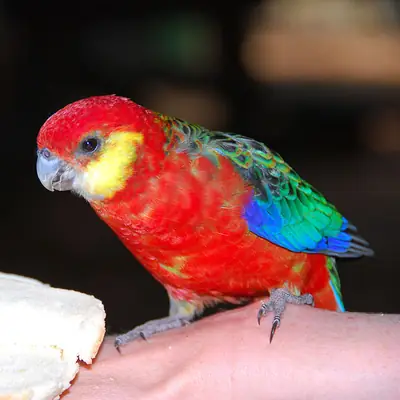
Rosellas are not ordinary street birds in New York. A red, yellow, blue or green parrot seen on a fire escape, street tree, rooftop, park fence or balcony is very likely someone’s escaped companion bird and should be reported carefully instead of chased.
Missing Rosella parrot NYC
Missing Rosella parrot NYC searches usually come from owners in panic after a window, balcony door, carrier, cage or harness mistake. The bird may stay close during the first hours, especially if it is calling, hungry, confused or trying to find a familiar person.
The strongest recovery message includes a clear photo, last seen intersection, apartment height if relevant, name, call words, reward note if offered, safe contact method and a warning not to grab or scare the bird. New York density helps if the alert spreads fast enough.
Found Rosella parrot in New York
A found Rosella parrot in New York should be handled as a likely lost pet, not as a wild bird to keep. The safest first move is to contain the bird indoors only if it can be done calmly, then protect it from cats, dogs, open windows, ceiling fans, smoke, cold drafts and unsafe foods.
Do not publish every identifying detail at once. Keep back proof details such as leg band numbers, exact phrases, unusual markings or microchip information so the real owner can confirm the bird.
Escaped Rosella parrot New York
An escaped Rosella parrot in New York may land higher than expected: window ledges, tree branches, rooftops, balcony rails, scaffolding, park lamps or building signs. The bird may be able to see the owner but still not know how to fly down safely.
Stand where the bird can see a familiar person, use calm voice cues, show the travel cage or favourite food, and avoid a crowd underneath. Loud shouting, waving towels, climbing suddenly or throwing objects can push the bird farther away.
Lost parrot New York
Lost parrot New York is a broader search that can still lead people to a Rosella alert when the finder does not know the species. Many bystanders will describe a Rosella as a colourful parrot, red parakeet, rainbow bird, Australian parrot or bright bird in a tree.
That is why the page should include plain descriptions as well as the breed name. A person who saw a red-and-blue bird in Brooklyn may not search “Rosella”, but they may search “lost colorful parrot NYC”.
Lost bird New York City
Lost bird New York City searches are time-sensitive because pet birds can disappear into building courtyards, parks, elevated train structures, street trees and rooftop spaces. The first day matters heavily, especially before bad weather or nightfall.
A useful lost bird alert should mention whether the bird is tame, hand-fed, clipped, fully flighted, scared of hands, responsive to calls or likely to step up. These details change how people should approach the bird if they see it.
Colorful parrot sighting New York
A colourful parrot sighting in New York can easily be a Rosella, especially if the bird has intense red, yellow, blue, green, white cheek patches or patterned wings. People may notice the colour before they know the species.
Good sighting reports include the exact block, side of street, nearest park entrance, height of the bird, whether it was calling, whether it flew north, south, east or west, and whether photos or videos were taken from a distance.
Red and blue parrot found NYC
Red and blue parrot found NYC is exactly the type of non-expert search a Rosella page needs to catch. A Crimson Rosella or similar Rosella may be described by colour rather than breed name.
The found report should avoid guessing too aggressively. Use both simple colour wording and species wording: red and blue parrot, colourful parakeet, Rosella-type parrot, possible escaped pet bird. This helps the real owner find the alert even if the finder is unsure.
Yellow green parrot found New York
Yellow green parrot found New York may match certain Rosella colour forms or be confused with other pet parrots. The important part is to preserve the sighting details before the bird moves.
Photos from a safe distance help more than a rushed capture attempt. If the bird is perched safely, keep visual contact, reduce noise, offer familiar-looking food nearby only if safe, and alert the owner or local recovery contacts quickly.
Crimson Rosella lost New York
Crimson Rosella lost New York searches should focus on bright red body colour, blue cheek or wing areas, loud calls and fast movement between trees. A Crimson Rosella can stand out visually, but it can still be hard to recover once it reaches high branches or park areas.
Owners should place the cage or carrier outside only where supervised and safe, use familiar calls, keep food visible and ask neighbors to report sightings instead of chasing. The bird may circle back if it hears a familiar voice and sees a known cage.
Eastern Rosella missing NYC
Eastern Rosella missing NYC searches often involve a bird with a red head, white cheek patches, yellow or greenish body areas and patterned wings. These details should be included because many people will only remember one or two colours.
The best alert does not just say “lost parrot”. It says what the bird looks like from below, what it sounds like, whether it answers a name, and whether it is likely to land on a hand, shoulder, cage or food bowl.
Rosella parakeet lost Manhattan
Rosella parakeet lost Manhattan alerts need cross-street precision because blocks are dense, vertical and noisy. The bird may perch on window ledges, rooftop edges, street trees, balcony rails, fire escapes or park branches.
Include neighborhood names such as Upper West Side, Harlem, East Village, Chelsea, Midtown, Washington Heights, Lower East Side or Financial District when relevant. Local wording helps the right residents notice the alert.
Lost Rosella parrot Brooklyn
Lost Rosella parrot Brooklyn searches should include neighborhood and landmark detail because the bird may cross from a residential block into a park, schoolyard, backyard, cemetery, waterfront area or elevated train corridor.
Useful alert phrases include Park Slope, Williamsburg, Bushwick, Bay Ridge, Flatbush, Crown Heights, Greenpoint, Bensonhurst, Brooklyn Heights and Prospect Park if the sighting is nearby. The more local the wording, the faster the right eyes are reached.
Missing Rosella parrot Queens
Missing Rosella parrot Queens alerts should account for wide travel paths, backyards, apartment balconies, street trees, cemeteries, parks and transit corridors. A bird seen in Astoria may be reported by someone who does not know it escaped only a few blocks away.
Add neighborhood wording such as Astoria, Flushing, Jackson Heights, Forest Hills, Jamaica, Sunnyside, Long Island City, Ridgewood or Bayside when relevant. Queens searches need both borough-level and neighborhood-level language.
Lost Rosella parrot Bronx
Lost Rosella parrot Bronx searches should mention parks, apartment courtyards, elevated tracks, schoolyards and tree-lined streets. A Rosella may stay near a known home at first, then drift toward greener spaces as it looks for shelter.
Use location phrases such as Riverdale, Fordham, Pelham Bay, Soundview, Morris Park, Kingsbridge, Throgs Neck or near Bronx Park if accurate. A bystander searching after seeing a bright parrot needs to land on the right alert quickly.
Rosella parrot lost Staten Island
Rosella parrot lost Staten Island alerts should cover backyards, wooded edges, parks, waterfront spots and quieter residential streets where a frightened pet bird may perch without being noticed immediately.
Include precise area wording such as St. George, Tottenville, Great Kills, New Dorp, Port Richmond or near a specific park only when true. Exact local details beat generic city-wide alerts.
Rosella parrot sighting Central Park
A Rosella parrot sighting in Central Park should be treated as urgent because the bird can move between trees, lawns, rocks, playground edges and busy pedestrian paths. Park sightings need map-like detail, not just “seen in the park”.
Report the closest entrance, landmark, path, field, bench area, bridge, playground or street side. A photo from a distance and a flight direction can help more than trying to catch the bird in a crowded area.
Rosella parrot on fire escape New York
A Rosella parrot on a fire escape in New York is often close to recovery if people stay calm. The bird may be tired, hungry or trying to approach buildings because it recognises windows and human spaces.
Do not open multiple windows, shout or crowd the area. Keep cats and dogs away, speak softly, offer safe familiar foods if available and contact the owner with exact floor, side of building and photo evidence.
Rosella parrot on balcony NYC
A Rosella parrot on a balcony in NYC should be approached like a frightened pet, not a pigeon. Sudden movement can send it back into open air, while a calm room with closed windows may create a safe containment chance.
If the bird enters, close the room quietly, turn off fans, remove pets and avoid grabbing unless necessary for safety. A towel capture should be a last resort and done gently by someone who can protect the bird’s wings and chest.
How to catch a lost Rosella parrot
Catching a lost Rosella parrot is usually about patience, not speed. The bird may be scared but still recognise voice, cage, food bowl, carrier, favourite treat or another familiar bird sound from home.
Use calm speech, keep visual contact, avoid direct chasing and create a safe landing target. The safest recovery is when the bird chooses to come down or step onto a familiar object, not when a crowd forces it to flee.
Lost Rosella parrot reward New York
A reward note for a lost Rosella parrot in New York can increase attention, but it must be written safely. Ask people to report sightings, send photos and avoid chasing the bird.
Do not hand over money without proof and do not share every ownership detail publicly. A real recovery should confirm leg band, microchip, unique behaviour, phrases, old photos or veterinary records before the bird is released to anyone.
Rosella parrot leg band New York
A Rosella parrot leg band in New York can help confirm ownership, but the full number should not be posted openly in a found bird alert. It is better to mention that the bird has a band and ask the owner to provide the number privately.
Band colour, side of leg, partial visible characters and owner-provided documents can all help verify the match. This protects the bird from false claims.
Microchipped Rosella parrot NYC
A microchipped Rosella parrot in NYC should be scanned by a qualified professional if found. Not every bird has a microchip, but checking can reunite a bird with the owner when visible identification is missing.
Founders should avoid giving the bird to the first person who responds online. Proof of ownership matters, especially with rare or colourful parrots that attract attention quickly.
Lost Rosella parrot cold weather NYC
Lost Rosella parrot cold weather NYC searches are urgent because pet parrots can become stressed, weak or disoriented in harsh wind, rain or low temperatures. New York weather can change quickly, and a bird that seems active in daylight may struggle overnight.
When temperatures drop, sightings near warm vents, building entrances, balconies, courtyards or sheltered tree areas matter. Fast reporting can be the difference between recovery and the bird disappearing before morning.
Lost Rosella parrot after window escape
A Rosella parrot lost after a window escape may stay near the building at first, especially if it is not used to outdoor flight. The owner should search upward as much as outward: ledges, roofs, trees, wires, awnings and neighbouring windows.
Place the cage or carrier where it is visible but supervised, keep the home area quiet, use familiar calls and ask neighbours to check balconies and courtyards. The bird may be closer than it seems.
Lost Rosella parrot after carrier escape
A Rosella parrot lost after a carrier escape may be near the exact exit point because sudden outdoor exposure can freeze the bird into a nearby perch. Search parked cars, low trees, fences, stoops, scaffolding and building edges before widening the radius.
The alert should mention whether the bird escaped near a vet, subway station, apartment lobby, taxi, rideshare stop, park entrance or street corner. New York recovery often depends on exact starting point detail.
Found colorful bird in New York apartment building
A colourful bird found in a New York apartment building may belong to someone upstairs, downstairs or across the street. Birds can enter hallways, stairwells, laundry rooms, roof access spaces and lobbies when scared.
Contain the bird safely if possible, notify building staff, check nearby apartments, post a found alert with a photo that does not reveal all proof details, and keep the bird away from kitchens, pets, open windows and toxic fumes.
Rosella parrot owner proof New York
Rosella parrot owner proof in New York should include old photos, videos, leg band number, microchip information, vet records, cage photos, known phrases, favourite foods, unusual markings or behaviour only the owner would know.
This protects found birds from false claims. A rare-looking parrot can attract people who want to keep it, so proof should be required before any handover.
Rosella parrot recovery New York
Rosella parrot recovery in New York works best when sightings are connected quickly. One person may see the bird in a tree, another may hear it calling two blocks away, and a third may photograph it near a balcony.
Petopic should make that chain easy to follow: last seen point, new sighting point, time, direction, behaviour, photo evidence and owner contact. Lost bird recovery is not one post; it is a moving map.
Frequently Asked Questions
What should I do first if my Rosella parrot is lost in New York?
Start searching immediately near the escape point, especially upward toward trees, roofs, ledges, balconies, wires and fire escapes.
Use a clear photo, exact cross streets, last seen time, flight direction, colour details, name, call sounds and contact information in your alert.
Are Rosella parrots wild in New York?
Rosellas are not ordinary native street birds in New York.
A Rosella seen loose in the city is very likely an escaped or lost pet bird and should be reported carefully.
How can I identify a lost Rosella parrot?
Rosellas are colourful parrots that may show red, blue, yellow, green, white cheek patches or patterned wings depending on the type.
Photos from a safe distance help more than guessing the exact species from memory.
Where do escaped Rosella parrots usually go first?
They often land on high nearby places such as trees, window ledges, roof edges, balconies, fire escapes, fences or utility lines.
Many lost birds remain close during the first hours but may move farther if chased, scared or ignored.
Should I chase a Rosella parrot if I see one outside?
No. Chasing, shouting, climbing suddenly or waving objects can push the bird farther away.
Keep visual contact, take a photo if safe, note the exact location and report the sighting quickly.
How do I safely approach a lost Rosella parrot?
Move slowly, speak softly and avoid direct pressure.
If the bird is tame, familiar food, a travel cage, a perch or the owner’s voice may help more than grabbing.
What details should a lost Rosella alert include?
Include the bird’s photo, colour pattern, name, borough, neighborhood, cross streets, last seen time, flight direction, leg band or microchip status and owner contact method.
Also mention whether the bird is tame, scared of hands, clipped, fully flighted or responsive to certain sounds.
What should I do if I found a Rosella parrot in New York?
Contain the bird safely indoors if possible without chasing or injuring it.
Keep it away from cats, dogs, open windows, ceiling fans, smoke, kitchens, toxic fumes and unsafe foods while you look for the owner.
Should I post a full leg band number online?
No. Mention that the bird has a leg band, but keep the full number private.
The real owner can provide the band details privately as proof of ownership.
Can a Rosella parrot be microchipped?
Some pet birds may be microchipped, although not every Rosella will have one.
A qualified professional can scan a found bird and help confirm ownership if a chip is present.
What proof should someone show before claiming a found Rosella?
Ask for old photos, videos, leg band number, microchip information, vet records, known phrases, favourite foods or unusual markings.
Do not hand over a rare-looking bird to someone who cannot prove ownership.
Can a Rosella parrot survive outside in New York?
A lost Rosella may survive for a while, but city weather, predators, traffic, hunger, stress and cold nights can become dangerous quickly.
Every sighting should be treated as urgent, especially before bad weather or evening.
What should I feed a found Rosella parrot temporarily?
Offer fresh water and safe bird-appropriate food if available, such as suitable seed mix or familiar parrot food.
Do not give avocado, alcohol, chocolate, caffeine, salty snacks or unknown human foods.
Should I use parrot sounds to call a lost Rosella?
Familiar owner voice, known whistles and household sounds may help more than random loud bird calls.
Use sound carefully and avoid creating a crowd or scaring the bird into flying farther.
Should I put the cage outside for a lost Rosella?
A familiar cage or carrier can help if it is placed safely and supervised.
Do not leave the cage in a dangerous location where the bird could be attacked, stolen, overheated, chilled or frightened.
Why does exact location matter for lost Rosella sightings?
New York is dense and vertical, so “seen in Brooklyn” or “seen in Manhattan” is too vague.
Cross streets, building side, park entrance, floor height, flight direction and time seen can help connect sightings into a useful search path.
What if the Rosella is high in a tree?
Stay calm, keep visual contact and avoid forcing the bird down.
Use the owner’s voice, familiar food, a cage or a known perch as a safe landing target while reducing noise and crowding below.
What if the Rosella enters an apartment or building hallway?
Close doors and windows calmly, turn off fans, remove pets and keep the room quiet.
Do not grab the bird unless necessary for immediate safety. A calm contained room is already a strong recovery step.
Can a lost Rosella return home by itself?
Some birds stay nearby or try to return, but many become disoriented outdoors.
Owners should not wait passively. Search immediately, alert neighbors and track every sighting.
How far can a lost Rosella parrot fly?
A fully flighted bird can travel beyond the original block, especially if frightened by traffic, people, dogs or loud noise.
Start close, then widen the alert radius as new sightings appear.
What New York places should owners check first?
Check nearby trees, roofs, fire escapes, balconies, courtyards, parks, schoolyards, rooftops, scaffolding, utility lines and building entrances.
Ask neighbors to check window ledges and outdoor spaces without scaring the bird.
Should I offer a reward for a lost Rosella parrot?
A reward can help people pay attention, but the alert should still ask for calm sightings, photos and exact location details rather than risky capture attempts.
Confirm the bird and the finder carefully before any handover or payment.
What are red flags in a found Rosella claim?
Red flags include refusing proof, guessing the bird’s details, demanding reward money first, avoiding photos or trying to rush a meeting.
Use ownership verification before releasing the bird to anyone.
How can Petopic help with a lost Rosella in New York?
Petopic can help keep lost, found and sighting details in one focused place with photos, last seen information and owner contact details.
The most useful alerts are specific, local, updated quickly and written so both bird owners and ordinary bystanders can understand them.