Free Burmese Cat Adoption in Newcastle
There's 1 Burmese listing live right now, last updated 19 Mar 2026. Find free Burmese cat adoption i... There's 1 Burmese listing live right now, last updated 19 Mar 2026. Find free Burmese cat adoption in Newcastle with clear details on age, microchip transfer, vaccination status, neutering, temperamen... There's 1 Burmese listing live right now, last updated 19 Mar 2026. Find free Burmese cat adoption in Newcastle with clear details on age, microchip transfer, vaccination status, neutering, temperament, indoor routine, litter habits, diet and health history. Compare Burmese kittens, adult cats and rescue listings across Newcastle and the North East before choosing a people-loving, playful cat that needs daily attention, safe settling, weight control and honest long-term care.
Haven't found the pet you're looking for? Let people who want to find a new home for their pet reach out to you.
Create your free pet adoption request listing now and be seen by thousands of pet owners.
Other listings in your area
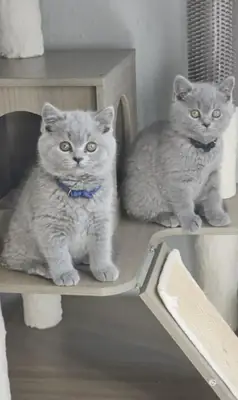
Gorgeous British Shorthair Kittens Available
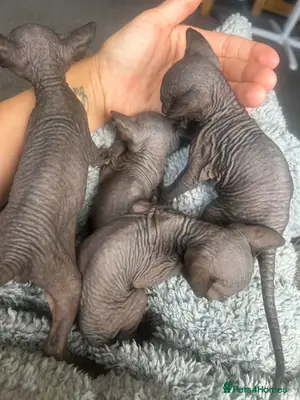
Pure grey Canadian sphynx
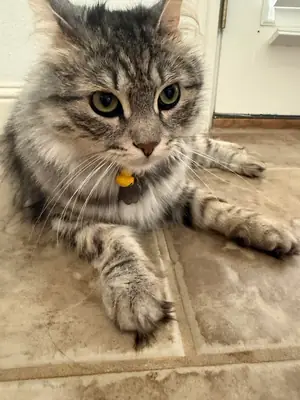
cat that does its own thing
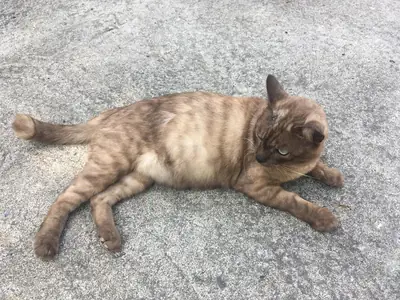
quiet cat, low effort, just there
Popular Searches
Free Burmese cat adoption Newcastle
Free Burmese cat adoption in Newcastle should be checked by temperament, health history and daily routine, not only by the fact that there is no adoption fee. A strong listing should state the cat’s age, microchip transfer, vaccination status, neutering, litter habits, diet, vet records and the real reason for rehoming.
Burmese cats are usually affectionate, people-focused and active. Ask whether the cat follows people around, dislikes being left alone, becomes vocal for attention, has lived with children or pets and has any history of diabetes, low potassium weakness, dental issues, weight change or stress-related behaviour.
Burmese cat rescue Newcastle
Burmese cat rescue in Newcastle should focus on how the cat behaves in a real home. This breed often wants company, play and involvement, so a quiet advert saying “friendly cat” is not enough.
Ask whether the cat is confident with visitors, clingy with one person, noisy when ignored, settled around normal home sounds and reliable with the litter tray. A rescue Burmese can be a brilliant companion when the personality and routine are described honestly.
Burmese cat rehoming Newcastle
Burmese cat rehoming in Newcastle needs a clear reason. Allergy, work hours, landlord rules, moving home, another pet conflict, litter issues, cost, owner illness or separation stress all mean different things for the adopter.
Ask how long the current keeper has had the cat, whether it has changed homes before, whether vet records exist and whether the cat becomes unsettled when the home routine changes. A vague reason should slow the adoption down.
Adopt a Burmese cat in Newcastle
To adopt a Burmese cat in Newcastle, choose by actual behaviour instead of coat colour alone. Burmese cats are often social and playful, so the right home should offer attention, toys, climbing spaces, safe windows and a predictable routine.
Ask whether the cat wants constant company, whether it copes with being left, whether it scratches furniture when bored and whether it prefers a busy or quiet household. A Burmese is not the best choice for a home that wants an independent background cat.
Burmese cats for adoption near me
Burmese cats for adoption near me searches around Newcastle often include Gateshead, Jesmond, Gosforth, Heaton, Byker, Wallsend, North Shields, South Shields, Tynemouth, Whitley Bay, Sunderland and Durham.
Local viewing helps because you can meet the cat, check microchip details, see body condition, ask for vet records and understand the cat’s real personality before handover. Nearby does not mean safe if the listing has missing history.
Burmese adoption North East
Burmese adoption across the North East can give adopters more realistic options because genuine free Burmese listings may not appear in Newcastle every day. Widening the area can help, but standards should not drop.
Compare each cat by microchip transfer, vaccination status, neutering, litter habits, temperament, indoor history, diet, body condition and health records. A rare listing is still weak if the owner cannot answer basic care questions.
Free Burmese kittens Newcastle
Free Burmese kittens in Newcastle should trigger caution. Genuine rehoming can happen, but desirable kitten listings can also attract stolen photos, rushed deposits, vague ownership and hidden health problems.
Ask the kitten’s exact age, whether it eats independently, whether vaccination has started, whether microchip timing is clear, whether the mother is known and why the kitten is being rehomed for free. A cute Burmese kitten photo is not enough proof.
Burmese kitten adoption Newcastle
Burmese kitten adoption in Newcastle needs planning because this kitten can grow into a bold, playful and attention-seeking adult cat. Early litter habits, handling, play boundaries and short periods alone matter.
Ask about age, diet, worming, flea treatment, vaccination plan, microchip, mother’s temperament, household exposure and whether the kitten is used to people. A Burmese kitten without routine can become demanding quickly.
Adult Burmese cat adoption Newcastle
Adult Burmese cat adoption in Newcastle can be a strong choice because personality, voice level, body condition, litter habits and social needs are already visible. You can ask direct questions instead of guessing future behaviour.
Check microchip transfer, vaccination status, neutering, dental history, weight, appetite, diabetes checks, muscle weakness history and how the cat behaves when left alone. Adult Burmese cats can be excellent companions when the history is honest.
Senior Burmese cat adoption Newcastle
Senior Burmese cat adoption in Newcastle can suit a calm home that wants an affectionate companion with an established routine. Older Burmese cats may need closer checks for teeth, weight, appetite, kidneys, diabetes, mobility and medication.
Ask about drinking, urination, appetite, weight loss, dental work, blood tests, litter tray use and whether the cat still enjoys play. A senior Burmese needs stability and monitoring, not another careless move.
Brown Burmese cat adoption Newcastle
Brown Burmese cat adoption in Newcastle is a common colour-led search because the warm sable coat is strongly associated with the breed. Colour is useful for describing the cat, but it should not replace health and identity checks.
Ask whether the cat is registered, mixed or described by appearance, then focus on microchip transfer, vet records, temperament, weight, dental care and home fit. A rich brown coat does not prove a safe adoption.
Blue Burmese cat adoption Newcastle
Blue Burmese cat adoption in Newcastle attracts people looking for the softer grey-blue coat. The colour may be appealing, but the adopter still needs clear records and a realistic understanding of the cat’s needs.
Ask about microchip details, vaccination status, neutering, dental history, diabetes checks, weight, litter habits and whether the cat has lived indoors. A blue Burmese with vague history still needs proper checking.
Chocolate Burmese cat adoption Newcastle
Chocolate Burmese cat adoption in Newcastle is searched by people who want a warmer, lighter brown Burmese look. The coat colour should not make adopters rush past the important questions.
Ask whether the cat is confident, playful, vocal, clingy, litter trained, microchipped and supported by vet records. Colour helps users find the listing; care history decides whether the adoption is strong.
Lilac Burmese cat adoption Newcastle
Lilac Burmese cat adoption in Newcastle can attract fast attention because the pale coat looks distinctive. That attention can make weak listings feel better than they are.
Ask for proof of ownership, microchip details, health records, neutering status and a clear rehoming reason. A rare-looking colour is not a substitute for evidence.
Indoor Burmese cat adoption Newcastle
Indoor Burmese cat adoption in Newcastle can work well when the home is secure and stimulating. Burmese cats often want activity, people, climbing, toys, warm resting spots and daily interaction.
Ask whether the cat has always lived indoors, whether it tries to escape, whether it becomes bored and whether windows, balconies and doors can be secured. Indoor should mean safe and enriched, not lonely and underused.
Burmese cat for flat living Newcastle
A Burmese cat can live in a Newcastle flat if the home has enough play, secure windows, clean litter trays, scratching posts and daily company. The bigger issue is not space alone; it is whether the cat gets enough attention and stimulation.
Ask whether the cat calls at doors, scratches furniture, reacts to corridor noise, becomes restless when left or tries to escape. A flat can work when routine is strong.
Burmese cat separation anxiety adoption
Burmese cat separation anxiety should be checked before adoption because this breed can become strongly attached to people. Stress may show as calling, overgrooming, clinginess, reduced appetite, destructive scratching or litter issues.
Ask how the cat behaves during workdays, whether it follows people constantly, whether another pet helps and whether the current owner has tried gradual alone-time training. A Burmese is a poor match for a home that is empty most of the day.
Burmese cat with children Newcastle
A Burmese cat with children can be a good match when the cat is confident and children are respectful. Burmese cats may enjoy household activity, but they still need choice, quiet spaces and protection from rough handling.
Ask whether the cat has lived with children, what ages, whether it hides from noise, whether it scratches when overstimulated and whether it dislikes being picked up. Family-friendly should mean proven behaviour, not a breed assumption.
Burmese cat with dogs Newcastle
A Burmese cat with dogs may settle well if the dog is calm and introductions are controlled. A confident Burmese can still become stressed if chased, blocked, barked at or forced into contact.
Ask whether the cat has lived with dogs, whether it hides, swats, approaches calmly or needs dog-free rooms. Controlled introductions matter more than hoping the animals will work it out.
Burmese cat with other cats Newcastle
A Burmese cat with other cats can work if personalities match and resources are not too tight. Some Burmese cats enjoy company; others guard food, beds, litter areas or favourite people.
Ask whether the cat has lived with cats, whether it shares space, whether it bullies or gets bullied and whether separate litter trays, feeding points and resting spots are available.
Burmese cat vocal adoption Newcastle
Burmese cat vocal adoption checks matter because some Burmese cats use their voice often, especially when they want company, food, access or attention. This can be charming in the right home and frustrating in the wrong one.
Ask when the cat vocalises, whether it calls at night, whether it cries behind closed doors and whether noise has caused problems before. Do not assume short-haired means quiet.
Burmese cat litter problems adoption
Burmese cat litter problems should be discussed honestly before adoption. Stress, illness, dirty trays, territorial conflict, pain, diabetes or sudden household change can all affect litter habits.
Ask whether the cat has ever toileted outside the tray, whether it prefers covered or open trays, what litter it uses and whether a vet has checked for medical causes. Litter history is not a small detail during rehoming.
Burmese cat diabetes adoption
Burmese cat diabetes adoption checks are important because weight, appetite, thirst and urination changes can affect long-term care. A Burmese that is overweight or drinking more than usual should be discussed clearly.
Ask whether the cat has had blood glucose checks, increased thirst, increased urination, weight loss, appetite changes, insulin, diet advice or recent vet tests. A cat with diabetes can still be loved, but the adopter needs the truth.
Burmese cat hypokalaemia adoption
Burmese cat hypokalaemia adoption checks matter because low potassium-related muscle weakness is a known inherited concern in the breed. Weakness, neck bending, abnormal walking or sudden tiredness should not be ignored.
Ask whether the cat has had genetic testing, muscle weakness, collapse episodes, blood tests, medication, supplements or known family history. A free adoption should still come with clear health context where available.
Burmese head defect adoption
Burmese head defect adoption searches usually come from people checking breed-specific genetic risks, especially around kittens and breeding background. In adoption, the useful question is whether the cat has any craniofacial, jaw, eye, eating or breathing history.
Ask whether the cat has had any birth defects, dental alignment issues, eye abnormalities, feeding problems or vet notes from kittenhood. Do not use breed labels as decoration while ignoring genetic health questions.
Burmese cat dental care adoption
Burmese cat dental care should be checked before adoption because mouth pain can change appetite, mood, grooming and litter habits. Bad breath, drooling, red gums or chewing on one side should not be dismissed.
Ask whether the cat has had dental checks, tooth extractions, gum disease, recent vet visits or difficulty eating. A friendly Burmese can still hide mouth pain well.
Burmese cat weight adoption Newcastle
Burmese cat weight should be discussed before adoption because this breed can look compact and solid, making weight changes easy to miss. Extra weight can increase health risk and reduce activity.
Ask the cat’s current weight, body condition, food amount, appetite, activity level and whether a vet has advised weight control. A healthy Burmese should be energetic, not simply heavy and sleepy.
Burmese cat grooming Newcastle
Burmese cat grooming is usually easier than long-haired breeds, but the short coat still needs normal care. Coat shine, skin condition and shedding can reveal diet, stress or health changes.
Ask whether the cat has skin irritation, bald patches, overgrooming, dandruff, flea issues or excessive shedding. Short-haired does not mean maintenance-free.
Microchipped Burmese cat adoption Newcastle
Microchipped Burmese cat adoption in Newcastle should include clear transfer details. The chip should match the cat, and keeper information should be updated correctly after adoption.
This matters even for indoor cats because a newly adopted Burmese can panic, slip through a door or get lost before it understands the new home. Identity details should be correct from day one.
Vaccinated Burmese cat rehoming Newcastle
Vaccinated Burmese cat rehoming in Newcastle should include what has been given, what is due next and whether a vet record is available. “Healthy” is too vague for a cat changing homes.
Ask about boosters, flea and worm treatment, dental care, weight, appetite, diabetes checks, muscle weakness history, medication and recent illness. A proper health picture protects both the cat and adopter.
Neutered Burmese cat adoption Newcastle
Neutered Burmese cat adoption in Newcastle can make home management clearer, especially with adult cats. Neutering does not solve stress, vocal behaviour, litter issues or poor introductions, but it is still an important ownership detail.
Ask whether the cat is neutered, when it was done, whether recovery was normal and whether behaviour or weight changed afterwards. If not neutered, ask what a vet has advised.
Burmese cat adoption fee Newcastle
Burmese cat adoption fee Newcastle searches usually compare free rehoming, private adoption and rescue-style processes. Free does not automatically mean cheaper if dental care, diabetes checks, behaviour support, insurance or vet testing is needed.
A no-fee Burmese with missing records, unclear ownership and rushed collection can cost more than expected. Judge the adoption by evidence, not by the absence of a fee.
Burmese cat adoption scam Newcastle
Burmese cat adoption scams in Newcastle can use stolen photos, fake rescue stories, delivery-only offers, urgent deposits, missing microchip details and vague health claims. Pedigree-type cats can make people act too quickly.
Ask for current videos, proof of ownership, microchip details, vet records, a clear reason for rehoming and a safe viewing or collection plan. If the person avoids proof but pushes speed, walk away.
Frequently Asked Questions
What should I check before adopting a free Burmese cat in Newcastle?
Check the cat’s age, microchip, vaccination status, neutering, vet records, litter habits, diet, temperament, indoor or outdoor history and reason for rehoming.
For a Burmese cat, also ask about diabetes, hypokalaemia, dental care, weight, appetite, separation stress, vocal behaviour and whether the cat has lived with children, dogs or other cats.
Is a Burmese cat a good adoption cat?
A Burmese cat can be a very good adoption cat for a home that wants an affectionate, playful and people-focused companion.
It is not the best match for someone who wants a distant, low-attention cat that can be ignored for long hours every day.
Are Burmese cats rare in free adoption listings?
Burmese cats are less common than everyday domestic cats in free adoption listings, so genuine opportunities may be limited.
Rarity should not make you rush. Always check ownership proof, microchip details, vet records and the reason for rehoming.
Can Burmese cats live indoors?
Burmese cats can live indoors when the home is secure, enriched and social enough for their personality.
Provide climbing spaces, scratching posts, daily play, window views, puzzle feeding, clean litter trays and enough human contact.
Can a Burmese cat live in a flat?
A Burmese cat can live in a flat if the home has safe windows, enough enrichment, regular play and a predictable routine.
Ask whether the cat becomes restless, vocal, destructive or stressed when left alone or when doors are closed.
Can Burmese cats be left alone?
Some Burmese cats cope with normal alone time, but many prefer company and may struggle if left for long hours without stimulation.
Ask whether the cat cries, overgrooms, scratches, stops eating, follows people constantly or has litter issues when alone.
Are Burmese cats clingy?
Many Burmese cats are strongly people-orientated and like being involved in household life.
Ask whether the cat follows people, dislikes closed doors, wants lap time, sleeps near people or becomes anxious when ignored.
Are Burmese cats vocal?
Some Burmese cats are vocal, especially when they want attention, food, access or company.
Ask when the cat calls, whether it cries at night, whether it dislikes closed doors and whether noise has been an issue before.
Are Burmese cats good with children?
Some Burmese cats are good with children, especially when children are calm and respectful.
Ask whether the cat has lived with children, what ages, whether it hides from noise and whether it scratches when overstimulated.
Can Burmese cats live with dogs?
A Burmese cat may live with dogs if the dog is calm and introductions are slow.
Ask whether the cat has lived with dogs before, whether it hides, freezes, swats or approaches calmly, and whether dog-free rooms are available.
Can Burmese cats live with other cats?
Burmese cats can live with other cats when personalities match and introductions are careful.
Ask whether the cat shares food, litter areas, beds and attention calmly or becomes jealous, territorial or bullied.
Do Burmese cats need a lot of grooming?
Burmese cats have short coats, so coat care is usually easier than long-haired breeds.
They still need normal care such as nail checks, dental care, parasite prevention and monitoring for skin, shedding or overgrooming changes.
What colours do Burmese cats come in?
Burmese cats can be described in colours such as brown, blue, chocolate, lilac and other related shades depending on registry and wording.
Colour helps describe the cat, but adoption should still be based on health records, microchip transfer, temperament and home fit.
What health problems should I ask about in a Burmese cat?
Ask about diabetes, hypokalaemia, dental disease, weight change, appetite change, muscle weakness, breathing, eye or jaw history, medication and recent vet visits.
A Burmese cat does not need a perfect health history to be adoptable, but the history must be honest enough for proper care planning.
Are Burmese cats prone to diabetes?
Burmese cats can be associated with diabetes risk, so appetite, weight, drinking and urination history should be checked.
Ask whether the cat has had blood glucose checks, increased thirst, increased urination, weight loss, insulin or diet advice from a vet.
What is hypokalaemia in Burmese cats?
Hypokalaemia means low potassium, and in Burmese cats it can be linked with muscle weakness.
Ask whether the cat has had genetic testing, weakness episodes, neck bending, collapse, blood tests, supplements or known family history.
What is Burmese head defect?
Burmese head defect refers to a serious craniofacial developmental problem associated with the breed.
In adoption, ask whether the cat has any jaw, eye, skull, feeding, breathing or birth-defect history, especially when considering kittens.
Do Burmese cats have dental problems?
Burmese cats can have dental issues like any cat, and mouth pain can affect appetite, mood and grooming.
Ask whether the cat has had dental checks, tooth extractions, gum disease, bad breath, drooling or difficulty eating.
How can I tell if a Burmese cat is overweight?
A Burmese cat can look compact and solid, so weight should be checked by body condition rather than appearance alone.
Ask the current weight, food amount, appetite, activity level and whether a vet has advised weight control.
Should a Burmese cat be microchipped before adoption?
Yes, the cat should be microchipped where required, and keeper details should be transferred correctly after adoption.
Ask for the microchip number, database process and proof that the cat matches the listing.
Should a Burmese cat be vaccinated before rehoming?
Vaccination status should be clear before rehoming. Ask what has been given, what is due next and whether a vet record is available.
Also ask about flea treatment, worming, dental care, weight, diabetes checks, muscle weakness history and any current medication.
Should a Burmese cat be neutered before adoption?
Neutering can make home life clearer and helps avoid unwanted breeding.
Ask whether the cat is neutered, when it was done, whether recovery was normal and whether a vet has advised anything further.
Is an adult Burmese cat better than a kitten?
An adult Burmese cat can be easier to assess because personality, voice level, litter habits, social needs and home routine are already visible.
A kitten gives more time to shape habits, but it also needs socialisation, handling, safe routine and patient training from the beginning.
How do I avoid Burmese cat adoption scams in Newcastle?
Watch for stolen photos, fake rescue stories, delivery-only offers, urgent deposits, missing microchip details, no vet records and vague rehoming claims.
Ask for current videos, proof of ownership, microchip details, vet history, a safe viewing or collection plan and a clear reason for rehoming.
What should I prepare before bringing a Burmese cat home?
Prepare a sturdy carrier, clean litter trays, familiar food, bowls, scratching posts, climbing areas, toys, quiet resting spaces, secure windows and vet registration.
Keep the first week calm and predictable while the cat learns the new home, feeding routine, litter area, safe hiding spots and daily attention pattern.