Norwich Molly Fish Adoption
There's 1 Molly listing live right now, last updated 15 Feb 2026. Find Molly fish for adoption in No... There's 1 Molly listing live right now, last updated 15 Feb 2026. Find Molly fish for adoption in Norwich on Petopic and compare local listings for active, colourful livebearer aquarium fish that need... There's 1 Molly listing live right now, last updated 15 Feb 2026. Find Molly fish for adoption in Norwich on Petopic and compare local listings for active, colourful livebearer aquarium fish that need a cycled tank, stable warm water and a compatible community setup. Browse Molly Fish adoption options across Norwich, Great Yarmouth, Dereham, Wymondham, Thetford, Lowestoft, King’s Lynn, Cromer and wider Norfolk by variety, group size, sex ratio, health, water parameters, tank size, current diet, breeding status, tank mates, transport distance and reason for rehoming, so you can adopt mollies into a suitable aquarium instead of taking on fish your setup cannot safely support.
Haven't found the pet you're looking for? Let people who want to find a new home for their pet reach out to you.
Create your free pet adoption request listing now and be seen by thousands of pet owners.
Popular Searches
Molly fish adoption Norwich
Molly fish adoption in Norwich should start with your aquarium, not the colour of the fish. Mollies are active livebearers that need stable water, enough swimming space, suitable hardness, good filtration and tank mates that can live in the same conditions.
On Petopic, Molly Fish listings should help you compare variety, group size, sex ratio, health, tank history, current water temperature, pH range, diet, breeding status, tank mates and reason for rehoming. A good listing does not just say “healthy mollies available”; it explains whether your tank can actually keep them well.
Adopt a Molly Fish in Norwich
To adopt a Molly Fish in Norwich responsibly, check whether your tank is fully cycled, heated, filtered and large enough before arranging collection. Mollies can look easy because they are common aquarium fish, but unstable water, overcrowding and poor acclimation can quickly cause stress and disease.
Before contacting the current keeper, ask how many mollies are being rehomed, whether they are male or female, whether any are pregnant, what food they eat, what tank mates they live with and whether there have been recent losses or illness. The right adoption is a smooth transfer into a ready tank, not a rushed bag of fish with no plan.
Molly fish rehoming Norwich
Molly fish rehoming in Norwich often happens because a tank has become overstocked, mollies have bred too quickly, the keeper is closing an aquarium, the water setup is wrong or tank mates are no longer compatible. The reason matters because it tells you what problem you may inherit.
A strong rehoming listing should state the number of fish, sex ratio, approximate age, size, variety, current tank size, water conditions, diet and whether fry are present. If the reason for rehoming is “too many babies”, the adopter must be ready to manage future breeding.
Tropical fish adoption Norwich
Tropical fish adoption in Norwich is not the same as taking home a spare decoration. Molly Fish need heated, oxygenated, clean and stable water. A tank that has just been filled is not ready, even if it looks clear.
A useful listing should mention whether the fish come from a mature aquarium, what temperature they are kept at, whether the tank has had ammonia or nitrite issues and how the fish will be transported. Good tropical fish adoption protects the fish during the move and after the move.
Livebearer fish adoption Norfolk
Molly Fish are livebearers, which means females give birth to live fry rather than laying eggs. That makes them interesting to keep, but it also creates a real stocking problem if the tank is not planned properly.
When reviewing a Norfolk livebearer adoption listing, check whether the mollies include females, whether any are already pregnant, whether fry are included, and whether the current keeper has separated males and females. Taking “just a few mollies” can become a breeding colony faster than a beginner expects.
Black Molly fish adoption Norwich
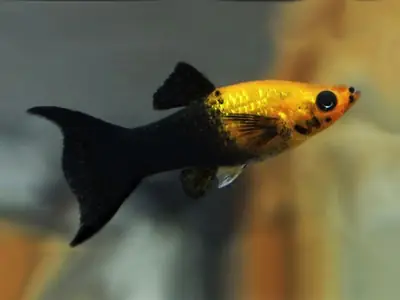
Black Molly fish adoption in Norwich attracts people because the fish are bold, clean-looking and easy to spot in a planted aquarium. Colour should not be the deciding point. The important checks are health, water stability, fin condition, activity level and whether the fish are eating normally.
A Black Molly listing should say whether the fish show clamped fins, shimmying, white spots, fungus, bloating, fin damage or unusual hiding. A dark fish can hide some visual issues in photos, so clear behaviour and health notes matter more than a nice picture.
Dalmatian Molly fish adoption Norwich
Dalmatian Molly fish are popular because their spotted pattern stands out in community tanks, but they still need the same serious setup as other mollies. Stable warm water, suitable hardness, room to swim and peaceful tank mates matter more than pattern.
A Dalmatian Molly adoption listing should include group size, sex ratio, current water conditions, tank mates, diet and whether the fish have bred before. If the listing only focuses on markings and gives no care information, it is too weak for a safe adoption.
Balloon Molly fish adoption Norwich
Balloon Molly fish adoption needs extra caution because their rounded body shape can make them look cute while also making health and mobility checks more important. Do not choose a Balloon Molly just because it looks different.
The listing should explain whether the fish swims normally, eats well, keeps balance, has any bloating, clamped fins, spinal curve, breathing difficulty or trouble competing for food. A responsible adopter should watch the fish move before taking it home.
Molly fish tank size adoption
Molly fish need more space than a tiny starter tank. They are active swimmers, produce waste and often do better in groups, so a cramped aquarium quickly becomes a water-quality and stress problem.
A good adoption listing should mention the current tank size and how many mollies are being rehomed. If you are adding them to an existing community tank, calculate the full stocking level first. A tank that already looks busy is usually not ready for more livebearers.
Molly fish water parameters
Molly fish generally need warm, stable and suitably hard water. Sudden changes are a bigger danger than many new keepers realise. Clear water does not prove safe water; ammonia, nitrite, nitrate, pH, hardness and temperature all matter.
Before adopting mollies, ask what water they currently live in and compare it with your own tank. A slow acclimation plan is especially important if the fish are moving from a different pH, hardness or temperature. Guessing with water conditions is where many Molly adoptions fail.
Molly fish tank mates Norwich
Molly fish can work in peaceful community tanks, but tank mates must share similar water needs and temperament. Putting mollies with aggressive fin nippers, soft-water specialists or overcrowded groups creates stress quickly.
A useful listing should say what fish the mollies currently live with and whether there has been chasing, fin damage, bullying or breeding pressure. The right tank mate match is not “anything peaceful”; it is fish that can thrive in the same water and space.
Molly fish male female ratio
Male and female ratio matters in Molly Fish adoption. Too many males can harass females constantly, while mixed groups can produce fry repeatedly. A listing that does not mention sex is missing one of the most important livebearer details.
Ask whether the fish are male, female or mixed, and whether females have recently given birth. If you do not want breeding, do not take an unknown mixed group casually. If you do want a group, plan space and future fry management before adoption.
Pregnant Molly fish adoption
Pregnant Molly fish adoption can create instant stocking pressure. A single female may give birth after moving, and fry survival can be high in planted or sheltered tanks. That sounds exciting until the tank becomes overcrowded.
If a listing says a female is pregnant or may be pregnant, ask when she last gave birth, how many fry are usually produced, whether males are still present and whether the adopter must take fry as well. Do not adopt pregnant mollies unless you are prepared for the next stage.
Molly fish transport Norwich
Transport is a real welfare issue for Molly Fish. They should not be kept too long in a small bag, exposed to cold, shaken around or moved without a plan for acclimation. A short local trip still needs care.
A good listing should explain collection timing, bagging, water volume, temperature protection and whether the fish have been fasted before transport. When you get home, lights should be low, the tank should be ready and acclimation should be calm rather than rushed.
Molly fish adoption near Norwich
The right Molly Fish may be in Norwich, Great Yarmouth, Dereham, Wymondham, Thetford, Lowestoft, King’s Lynn, Cromer, Diss or another nearby part of Norfolk. A close location helps reduce transport stress, but it should not matter more than health and tank compatibility.
A better-matched Molly group slightly outside Norwich is worth more than a rushed local adoption with weak information. Compare health, water conditions, tank mates, sex ratio, breeding status, transport plan and reason for rehoming before deciding.
Frequently Asked Questions
How do I adopt a Molly Fish in Norwich?
Start by checking that your aquarium is cycled, heated, filtered and large enough for Molly Fish. Then read the listing carefully for variety, group size, sex ratio, health, current water conditions, diet, tank mates and reason for rehoming.
Before collection, ask whether the fish have shown illness, whether any females are pregnant, how they will be transported and how long the journey will take. A safe adoption starts before the fish leave the old tank.
What kind of fish is a Molly Fish?
A Molly Fish is a small tropical livebearer aquarium fish. Mollies are active, social and commonly kept in community tanks, but they still need suitable water, space, filtration and compatible tank mates.
They are not a fish to add casually to any bowl or uncycled tank. The listing should describe the real fish being rehomed, including variety, behaviour, health and current setup.
What tank size do Molly Fish need?
Molly Fish need enough room to swim and stable water quality. A small bowl or tiny starter tank is not suitable. Larger, filtered and heated aquariums are safer, especially for groups or larger Molly varieties.
Before adopting, check how many fish are being rehomed and whether your current stocking level can handle them. Overstocking quickly leads to stress, waste build-up and health problems.
What water conditions do Molly Fish need?
Molly Fish generally do best in warm, stable and suitably hard water. They should not be moved into a tank with unstable ammonia, nitrite, temperature or pH. Clear water is not enough; test results matter.
Ask the current keeper about temperature, pH, hardness, nitrate levels and recent water changes. If your tank is very different, acclimation must be slow and careful.
Can Molly Fish live with other fish?
Molly Fish can live with peaceful tank mates that share similar water needs, but they should not be placed with aggressive fish, fin nippers or species that need very different water conditions.
Before adopting, ask what fish they currently live with and whether there has been chasing, fin damage or stress. Compatibility depends on water, behaviour and space, not just whether the fish look peaceful.
Should Molly Fish be kept alone or in groups?
Molly Fish are usually better kept with suitable companions of their own kind or in a compatible community tank. A single Molly may be stressed depending on the setup, but adding a group without planning can create overstocking or breeding problems.
Ask whether the fish are male, female or mixed, and whether they are already part of a stable group. Group planning is especially important because mollies are livebearers and can breed quickly.
Do Molly Fish breed easily?
Yes, Molly Fish can breed easily when males and females are kept together. Females may also be pregnant when rehomed, so an adopter may suddenly have fry even if they only expected adult fish.
If you do not want breeding, ask about sex ratio and whether females have recently given birth. If you do want breeding, prepare separate space, fry food and a plan for future stocking before adoption.
What should Molly Fish eat?
Molly Fish are omnivorous and usually do best with a varied diet that includes quality flakes or pellets and suitable vegetable-based foods. Overfeeding should be avoided because it can damage water quality quickly.
Ask the current keeper what food the fish already eat, how often they are fed and whether any fish fail to compete for food. A sudden diet change after transport can add more stress.
How should Molly Fish be transported after adoption?
Molly Fish should be transported in clean bags or containers with enough water, protected from temperature swings and moved as calmly and quickly as possible. The receiving aquarium should already be ready before collection.
After arrival, acclimate the fish slowly and keep the lights low. Do not pour unknown transport water into your main tank if there is a disease or water-quality concern.
What makes a Norwich Molly Fish adoption listing trustworthy?
A trustworthy listing includes real photos or video, location, variety, number of fish, sex ratio, health notes, current tank size, water conditions, diet, tank mates, breeding status, transport expectations and reason for rehoming.
A weak listing only says “mollies available”, “free fish” or “need gone today” without explaining health and setup. With aquarium fish, missing water and tank details are not minor; they can decide whether the adoption succeeds or fails.