Pomeranian Dogs for Sale in Oxford
There are 2 Pomeranian listings live right now, last updated 7 Mar 2026. Find Pomeranian dogs for sa... There are 2 Pomeranian listings live right now, last updated 7 Mar 2026. Find Pomeranian dogs for sale in Oxford with clear details on age, microchip status, vaccination record, breeder background, co... There are 2 Pomeranian listings live right now, last updated 7 Mar 2026. Find Pomeranian dogs for sale in Oxford with clear details on age, microchip status, vaccination record, breeder background, coat type, temperament, barking level, house training and health history. Compare Pomeranian puppies, adult dogs and trusted local listings across Oxford and Oxfordshire before choosing a small Spitz dog that needs gentle handling, regular grooming, dental care, safe walks and a home ready for toy-breed responsibility.
Haven't found the pet you're looking for? Let people who want to find a new home for their pet reach out to you.
Create your free pet adoption request listing now and be seen by thousands of pet owners.
Quick Information
Other listings in your area
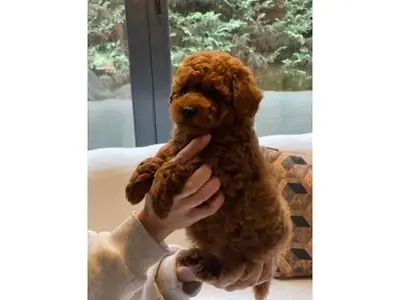
Gorgeous Deep Red Toy Poodle Boy - Hypoallergenic & Super Smart!

Sweet Chocolate Brown Miniature Poodle Girl - Fully Vaccinated & Leash Trained

Pomeranian female puppy with gentle and affectionate nature

White Pomeranian puppy raised with constant human contact
Popular Searches
Pomeranian dogs for sale in Oxford
Pomeranian dogs for sale in Oxford should be compared by health, age, temperament, coat care and seller transparency, not only by size or fluffy photos. A strong listing should clearly show microchip status, vaccination record, worming, flea treatment, vet checks, parent information, current diet, toilet training and the dog’s real daily behaviour.
Pomeranians are small Spitz dogs with big personalities. Ask whether the dog barks at noises, walks safely on a harness, accepts grooming, has dental history, coughs when excited, has kneecap issues or has been handled around children. A tiny dog can still be a serious long-term responsibility.
Pomeranian puppies for sale Oxford
Pomeranian puppies for sale in Oxford should be old enough, microchipped, eating independently and raised in a clean, social home environment. A good puppy listing should include age, vaccination plan, worming, parent details, coat colour, expected size, current food and early toilet routine.
Ask to see the puppy moving, playing, eating and interacting normally. Be careful with sellers who only send polished photos, avoid parent questions, push fast deposits or describe every tiny puppy as “teacup” without explaining health and maturity.
Pomeranian puppies near me Oxfordshire
Pomeranian puppies near me searches around Oxford often include Headington, Cowley, Botley, Kidlington, Abingdon, Witney, Didcot, Bicester, Banbury, Wallingford, Thame and wider Oxfordshire.
Local viewing matters because you can check the puppy’s real size, coat condition, breathing, bite, movement, confidence and home environment before paying. A nearby puppy with vague details is still a weak listing.
Buy a Pomeranian in Oxford
Buy a Pomeranian in Oxford only after checking the dog’s documents, health record, seller background and temperament. This breed’s appeal can make buyers act too quickly, especially when the puppy is tiny, fluffy and photogenic.
Ask whether the dog is microchipped, vaccinated, vet checked, used to grooming, comfortable with handling and free from obvious coughing, limping, eye irritation or dental concerns. A pretty coat does not prove a healthy Pomeranian.
Pomeranian breeders Oxford
Pomeranian breeders in Oxford should be judged by transparency, health knowledge and the condition of their dogs. A trustworthy seller can explain age, parent size, coat care, eye checks, dental risks, kneecap concerns, breathing signs and how the puppy has been socialised.
Ask to see where the puppy lives, how it reacts to normal home sounds and whether the seller asks you questions too. If the seller treats the puppy like a fast product rather than a living dog, walk away.
Pomeranian breeders Oxfordshire
Pomeranian breeders across Oxfordshire give buyers more options than searching Oxford city alone. The wider area may include smaller home breeders, adult rehoming listings and puppy litters, but every listing still needs proper checks.
Compare sellers by health evidence, parent visibility, microchip details, puppy contract, vaccination record, socialisation, coat condition and whether the dog’s size is described honestly. Convenience should never beat proof.
KC registered Pomeranian puppies Oxford
KC registered Pomeranian puppies in Oxford should come with registration details that match the puppy and seller. Registration can help with traceability, but it does not remove the need to check health, temperament and how the puppy has been raised.
Ask for registration information, parent details, health checks, microchip number, vaccination record and current home routine. Papers are useful only when the dog in front of you is also healthy, confident and properly cared for.
Pomeranian puppies with papers Oxford
Pomeranian puppies with papers in Oxford should still be checked in person. Documents should match the puppy’s identity, microchip and seller details, and they should not be used to distract from poor conditions or rushed handover.
Ask what the papers prove, whether the parents are known, whether the puppy has had a vet check and whether there are any restrictions or health notes. A document is not a substitute for a healthy puppy.
Microchipped Pomeranian puppy Oxford
A microchipped Pomeranian puppy in Oxford should have chip details that match the dog and can be transferred correctly to the new keeper. Microchip wording in an advert is not enough; the seller should explain the transfer process clearly.
Ask for the microchip number, database information, vaccination record and proof that the puppy is old enough for sale. A puppy without clear identity details is a risk, no matter how cute it looks.
Vaccinated Pomeranian puppies Oxford
Vaccinated Pomeranian puppies in Oxford should come with a clear record showing what has been given and what is due next. A seller saying “all done” without paperwork is not enough.
Ask about first vaccination, second vaccination timing, worming, flea treatment, vet check, appetite, stool quality and any reaction after vaccination. Small puppies can become unwell quickly, so records matter.
Pomeranian price Oxford
Pomeranian price in Oxford can vary by age, colour, registration, breeder quality, health checks, socialisation and whether the dog is a puppy or adult. The sale price is only one part of the cost.
Budget for grooming tools, dental care, harnesses, vet checks, insurance, vaccinations, parasite treatment, training and possible toy-breed health issues. A cheap Pomeranian with poor history can become the expensive option.
Cheap Pomeranian puppies Oxford
Cheap Pomeranian puppies in Oxford should be checked with extra care. A low price may be genuine, but it can also hide poor breeding, missing documents, illness, weak socialisation, fake photos or a seller trying to move puppies quickly.
Ask why the puppy is cheap, whether it is microchipped, whether vaccination is started, whether parents are known and whether a vet has checked the puppy. A bargain puppy with hidden issues is not a bargain.
Teacup Pomeranian for sale Oxford
Teacup Pomeranian for sale in Oxford is a high-risk search term because “teacup” is often used to make very tiny puppies seem more desirable. Extreme small size can mean feeding risk, injury risk, weak bones, low blood sugar concerns and higher care demands.
Ask the puppy’s exact age, weight, parent size, feeding schedule, vet check and whether the seller is using “teacup” as marketing rather than a responsible description. Tiny should never be the main reason to buy.
Mini Pomeranian puppies Oxford
Mini Pomeranian puppies in Oxford should be assessed carefully because many adverts use “mini” loosely. Pomeranians are already toy dogs, so extra-small wording should raise questions about age, health and maturity.
Ask for current weight, expected adult size, parent size, feeding routine, vet record and whether the puppy has any weakness, poor appetite or delayed development. Do not reward sellers who make fragility sound premium.
Teddy bear Pomeranian Oxford
Teddy bear Pomeranian in Oxford is usually a look-based search, often describing a rounded face, fluffy coat and compact appearance. The phrase should not replace proper breed and health checks.
Ask whether the dog is a true Pomeranian, what grooming style has been used, whether the coat is healthy and whether the dog has any breathing, dental, eye, kneecap or trachea concerns. A haircut or face shape is not a health certificate.
Orange Pomeranian for sale Oxford
Orange Pomeranian for sale in Oxford is one of the strongest colour-led searches because the classic orange coat is closely associated with the breed. Colour can help users find the right listing, but it should not drive the whole decision.
Ask about microchip, vaccination, parent information, coat condition, grooming routine, dental history, barking and movement. A bright orange coat does not prove the dog has been raised well.
Cream Pomeranian for sale Oxford
Cream Pomeranian for sale in Oxford attracts buyers looking for a softer, lighter coat. Cream puppies can change shade as they mature, so ask for honest age, parent colour and updated photos.
Check the puppy’s eyes, teeth, movement, coat density, skin condition and temperament. Pale colour can make a listing look delicate and premium, but care history matters more than shade.
White Pomeranian for sale Oxford
White Pomeranian for sale in Oxford can attract fast interest because the colour photographs well. Do not let a rare-looking coat hide weak paperwork, poor socialisation or health concerns.
Ask whether the coat is truly white or cream, whether tear staining is present, whether the eyes are healthy and whether the seller can show current videos. A white Pomeranian still needs the same strict checks as any other colour.
Black Pomeranian for sale Oxford
Black Pomeranian for sale in Oxford is a colour search where coat shine and density can make the dog look impressive. Still, black coat quality should not distract from the puppy’s movement, teeth, eyes, breathing and social confidence.
Ask whether the coat is healthy, whether there are bald patches, whether grooming is accepted and whether the dog has any skin, dental or trachea history. Colour is a detail; care is the decision.
Sable Pomeranian for sale Oxford
Sable Pomeranian for sale in Oxford appeals to buyers looking for shaded coat patterns that can change as the dog grows. Ask for recent photos and parent information rather than relying on one puppy picture.
Check age, registration, microchip, vaccination, grooming routine, coat condition, teeth, knees and temperament. A sable coat may be beautiful, but it does not remove the need for serious checks.
Merle Pomeranian for sale Oxford
Merle Pomeranian for sale in Oxford should be approached carefully because pattern-led listings can create urgency and higher pricing. Before considering any merle Pomeranian, check health, hearing, vision, registration details and seller knowledge.
Ask for parent information, vet checks, eye history, ear history, microchip details and whether the seller understands colour genetics. Pattern should describe the dog, not pressure you into a fast payment.
Adult Pomeranian for sale Oxford
Adult Pomeranian for sale in Oxford can be a good choice because size, coat, barking, house training and temperament are already visible. You can ask direct questions instead of guessing how a puppy will mature.
Check microchip transfer, vaccination status, neutering, dental history, trachea signs, patella history, grooming tolerance, separation behaviour and whether the dog has lived with children, cats or other dogs. Adult Poms can be excellent when the history is honest.
Female Pomeranian for sale Oxford
Female Pomeranian for sale in Oxford searches often come from buyers wanting a specific temperament, breeding history or household match. Sex alone does not guarantee behaviour.
Ask whether she is spayed, whether she has had a season, whether she has had puppies, whether there were any birth complications and whether she guards food, toys or people. The useful answer is history, not just “female available”.
Male Pomeranian for sale Oxford
Male Pomeranian for sale in Oxford should still be judged by individual temperament, training and health. Some males are easy and affectionate; others may mark indoors, bark at dogs, guard attention or need clearer boundaries.
Ask whether he is neutered, whether he marks, whether he lives with other dogs, whether he pulls on lead and whether he has any dental, kneecap or trachea history. Sex is only one small part of the buying decision.
Pomeranian for flat living Oxford
A Pomeranian can live in an Oxford flat if barking, toilet routine, stairs, neighbour noise and daily exercise are managed properly. Small size helps with space, but it does not automatically make the dog easy.
Ask whether the dog barks at hallway sounds, reacts to visitors, uses puppy pads or outdoor toileting, manages stairs safely and settles when left. A flat can work when training is serious.
Pomeranian with children Oxford
A Pomeranian with children can work only when the dog is confident and children understand gentle handling. Pomeranians are small and can be injured by rough play, being dropped or being grabbed suddenly.
Ask whether the dog has lived with children, what ages, whether it snaps when scared, whether it guards toys and whether it dislikes being picked up. A tiny dog is not a soft toy.
Pomeranian with cats Oxford
A Pomeranian with cats may settle well if introductions are controlled and the cat has escape space. Some Pomeranians chase, bark or try to play too intensely despite their small size.
Ask whether the dog has lived with cats, whether it chases moving animals, whether it barks at cats and whether it can be redirected calmly. Cat-safe should mean proven behaviour, not a guess.
Pomeranian with other dogs Oxford
A Pomeranian with other dogs needs careful matching because toy dogs can be bold, vocal or defensive around larger dogs. Small size does not mean the dog will be passive.
Ask whether the dog has lived with dogs, whether it barks on lead, guards food, gets bullied, starts arguments or becomes frightened around bigger dogs. Compatibility matters more than cuteness.
Pomeranian barking Oxford
Pomeranian barking in Oxford homes should be discussed before purchase. This breed can be alert, reactive and quick to sound off at doors, neighbours, dogs, bikes, visitors or unfamiliar noises.
Ask when the dog barks, whether it stops when redirected, whether it barks when left alone and whether flat or terrace living has caused complaints before. Small dog barking can become a big household problem.
Pomeranian toilet training Oxford
Pomeranian toilet training should be checked before buying because toy breeds can be slower to fully house train if routines are inconsistent. Puppy pads, outdoor access and crate or pen routine should be explained clearly.
Ask how often the puppy toilets, whether it uses pads, whether it goes outside, whether accidents happen at night and whether the seller has started a real routine. “Almost trained” needs proof.
Pomeranian grooming Oxford
Pomeranian grooming in Oxford should be part of the buying decision from the start. The double coat needs regular brushing, especially around the chest, behind the ears, trousers, tail and armpits where tangles can form.
Ask whether the dog accepts brushing, nail trimming, bathing and drying. A fluffy puppy that has never been groomed properly can become difficult, matted and stressed as the coat matures.
Pomeranian shedding Oxford
Pomeranian shedding should be expected because the breed has a dense double coat. Hair on clothes, sofas, carpets and bedding is normal, especially during seasonal coat changes.
Ask how often the dog is brushed, whether the coat has ever matted and whether there are bald patches or skin issues. Anyone wanting a low-hair dog should be realistic before buying a Pom.
Pomeranian coat clipping Oxford
Pomeranian coat clipping should be handled carefully because the double coat is not the same as a simple haircut breed. Over-shaving or poor coat care can affect appearance, protection and regrowth.
Ask whether the dog has been clipped short before, whether the coat grew back normally, whether there are bald patches and what grooming routine the seller uses. A fashionable trim should not hide coat damage.
Pomeranian dental care Oxford
Pomeranian dental care should be discussed before purchase because toy breeds often need serious mouth care. Bad breath, retained baby teeth, tartar, gum redness or chewing difficulty should not be ignored.
Ask whether the dog has had dental checks, tooth extractions, retained puppy teeth, gum disease or difficulty eating. A tiny mouth can create big vet bills if neglected.
Pomeranian tracheal collapse Oxford
Pomeranian tracheal collapse checks matter because coughing, honking sounds, wheezing or breathing difficulty can affect daily life. A seller should not dismiss repeated coughing as “just excitement”.
Ask whether the dog coughs on a collar, after play, when excited or in warm weather. Use a harness-friendly routine and get vet history before buying any Pomeranian with breathing or coughing signs.
Pomeranian luxating patella Oxford
Pomeranian luxating patella checks are important because kneecap problems can cause skipping, limping, pain or reluctance to jump. Small dogs may hide discomfort until the issue becomes obvious.
Ask whether the puppy or adult dog skips on a back leg, avoids stairs, has had vet grading, X-rays, surgery or pain relief. A bouncy little dog still needs sound movement.
Pomeranian eye problems Oxford
Pomeranian eye problems should be checked before buying because watery eyes, cloudiness, redness, rubbing, squinting or inward-turning eyelids can mean discomfort or treatment needs.
Ask whether the dog has had eye checks, cataracts, entropion, tear staining, ulcers, discharge or surgery. Bright eyes in a photo do not replace a close look and clear history.
Pomeranian alopecia X Oxford
Pomeranian alopecia X searches often come from owners worried about coat loss. Bald patches, thinning coat or poor regrowth after clipping should be discussed before buying an adult Pom.
Ask whether the dog has lost coat, been shaved, had skin tests, seen a vet or changed coat condition over time. A full puppy coat does not guarantee no coat issues later, but current baldness should never be hidden.
Pomeranian separation anxiety Oxford
Pomeranian separation anxiety should be checked before buying because small companion dogs can become very attached. Stress may show as barking, whining, pacing, scratching doors, toileting indoors or refusing to eat when left.
Ask how long the dog can be left, whether it has used a crate or pen, whether it sleeps alone and whether it barks when people leave. A Pom is not a good fit for a home that is empty all day with no plan.
Pomeranian sale scam Oxford
Pomeranian sale scams in Oxford can use stolen photos, fake “teacup” wording, delivery-only offers, urgent deposits, no viewing, vague microchip details and copied descriptions. Tiny fluffy puppies are easy to use as emotional bait.
Ask for current videos, safe viewing, proof of ownership, microchip details, vet records and parent information. If the seller avoids proof but pushes fast payment, walk away.
Frequently Asked Questions
What should I check before buying a Pomeranian in Oxford?
Check the dog’s age, microchip, vaccination record, worming, flea treatment, vet check, parent details, diet, toilet training, grooming routine and seller background.
For a Pomeranian, also ask about tracheal collapse signs, luxating patella, dental problems, eye issues, coat loss, barking, separation anxiety and whether the dog has lived with children, cats or other dogs.
Are Pomeranians good dogs to buy?
Pomeranians can be excellent dogs for homes that want a small, lively, affectionate companion and can manage grooming, barking and toy-breed care.
They are not the best choice for someone who wants a silent, low-maintenance dog or a dog that can be handled roughly by young children.
How much do Pomeranians cost in Oxford?
Pomeranian prices in Oxford can vary by age, breeder quality, registration, colour, health checks, socialisation and whether the dog is a puppy or adult.
Do not judge by price alone. Also budget for grooming, dental care, insurance, vet checks, training, harnesses and ongoing toy-breed health needs.
Are cheap Pomeranian puppies risky?
Cheap Pomeranian puppies can be risky if the low price comes with missing documents, poor breeding, illness, weak socialisation or unclear ownership.
Ask why the puppy is cheap, whether it is microchipped, vaccinated, vet checked and whether you can see current videos and the puppy’s living environment.
What does teacup Pomeranian mean?
“Teacup Pomeranian” is often a marketing phrase for a very tiny Pomeranian, not a separate responsible breed type.
Ask the puppy’s age, weight, parent size, feeding routine and vet history before considering any very small puppy.
Should I buy a teacup Pomeranian?
Be very careful with teacup Pomeranian adverts because extreme small size can mean higher fragility and care demands.
Do not buy because the puppy is tiny. Buy only if the seller is transparent, the puppy is old enough, vet checked, eating well and properly documented.
Are Pomeranians good for flats?
Pomeranians can live in flats if barking, toilet training, exercise and neighbour noise are managed properly.
Ask whether the dog barks at doors, hallway sounds, visitors or other dogs before buying for flat living.
Do Pomeranians bark a lot?
Many Pomeranians are alert and vocal, so barking can become an issue if training and routine are weak.
Ask when the dog barks, whether it stops when redirected and whether it barks when left alone.
Are Pomeranians easy to toilet train?
Pomeranians can be toilet trained, but toy breeds often need consistent routines and patience.
Ask whether the puppy uses pads, goes outside, has night accidents and how often it is taken out.
Are Pomeranians good with children?
Pomeranians can live with children when the dog is confident and children are calm and gentle.
Because they are small and fragile, they should not be grabbed, dropped, chased or treated like toys.
Can Pomeranians live with cats?
A Pomeranian may live with cats if introductions are slow and the dog does not chase or bark intensely.
Ask whether the dog has lived with cats, whether it can be redirected and whether the cat will have safe spaces.
Can Pomeranians live with other dogs?
Pomeranians can live with other dogs when personalities and size differences are managed safely.
Ask whether the dog barks on lead, guards food, gets bullied, starts arguments or is frightened around larger dogs.
Do Pomeranians need a lot of grooming?
Yes, Pomeranians need regular grooming because they have a dense double coat that can tangle and shed.
Ask whether the dog accepts brushing, bathing, drying, nail trimming and coat maintenance.
Do Pomeranians shed?
Yes, Pomeranians shed, especially during coat changes.
Regular brushing helps control loose hair and reduces tangles, but this is not a low-shedding breed.
Should a Pomeranian be shaved?
Pomeranian coats should not be clipped short casually because the double coat needs careful handling.
Ask whether the dog has been shaved before, whether the coat grew back normally and whether there are bald patches or coat damage.
What health problems should I ask about in a Pomeranian?
Ask about tracheal collapse, luxating patella, dental problems, eye issues, hydrocephalus, CM/SM, coat loss, hypothyroidism, coughing, limping and current medication.
A Pomeranian does not need a perfect health history to be loved, but the seller must be honest enough for proper care planning.
What is tracheal collapse in Pomeranians?
Tracheal collapse is a windpipe problem that can cause coughing, honking sounds, wheezing or breathing difficulty.
Ask whether the dog coughs on a collar, after play, when excited or in warm weather, and use a suitable harness routine.
What is luxating patella in Pomeranians?
Luxating patella means the kneecap can slip out of place, causing skipping, limping or discomfort.
Ask whether the dog has had back-leg skipping, stairs difficulty, vet grading, X-rays, surgery or pain relief.
Do Pomeranians have dental problems?
Pomeranians can be prone to dental problems because of their small mouths.
Ask about retained puppy teeth, bad breath, tartar, gum disease, tooth extractions and whether the dog accepts tooth care.
Do Pomeranians have eye problems?
Pomeranians can have eye concerns such as cataracts, entropion, irritation, tear staining or injury.
Ask whether the dog has had eye checks, redness, cloudiness, discharge, squinting or surgery.
What is alopecia X in Pomeranians?
Alopecia X is a coat-loss condition often discussed in Pomeranians.
Ask whether the dog has bald patches, poor coat regrowth after clipping, skin changes or any vet diagnosis related to coat loss.
Can Pomeranians be left alone?
Some Pomeranians cope with normal alone time, but many become attached and may bark or stress if left too long.
Ask whether the dog whines, barks, scratches doors, toilets indoors or refuses food when alone.
Should a Pomeranian puppy be microchipped before sale?
Yes, a Pomeranian puppy should be microchipped and the keeper details should be transferred correctly after purchase.
Ask for the microchip number, database process and proof that the puppy matches the listing.
Should a Pomeranian puppy be vaccinated before sale?
Vaccination status should be clear before sale. Ask what has been given, what is due next and whether a vet record is available.
Also ask about worming, flea treatment, appetite, stool quality and any recent illness.
Is an adult Pomeranian better than a puppy?
An adult Pomeranian can be easier to assess because barking, toilet habits, coat care, size, temperament and health history are already visible.
A puppy gives more time to shape habits, but it needs socialisation, toilet training, grooming practice and careful handling from the beginning.
What are red flags in a Pomeranian sale listing?
Red flags include delivery-only pressure, stolen-looking photos, vague age, missing microchip details, no vet record, no parent information and urgent deposit demands.
Be careful with adverts that overuse “teacup”, “rare”, “tiny” or “premium” while avoiding health and care questions.
How do I avoid Pomeranian puppy scams in Oxford?
Ask for current videos, safe viewing, proof of ownership, microchip details, vet records, parent information and a clear handover process.
Avoid delivery-only sellers, rushed deposits, copied descriptions and anyone who refuses basic questions about health, age and where the puppy was raised.
What should I prepare before bringing a Pomeranian home?
Prepare a small harness, lead, ID tag, carrier, bed, bowls, familiar food, grooming brush, comb, safe toys, puppy pads if needed and vet registration.
Keep the first week calm and predictable while the dog learns the home, toilet routine, sleep area, feeding schedule and gentle handling rules.