Free Adoption of Mixed Breed Dogs in Peterborough
There's 1 Mixed Breed Dog listing live right now, last updated 12 Apr 2026. Free adoption of mixed b... There's 1 Mixed Breed Dog listing live right now, last updated 12 Apr 2026. Free adoption of mixed breed dogs in Peterborough is for people who want a real companion dog without being locked into one ... There's 1 Mixed Breed Dog listing live right now, last updated 12 Apr 2026. Free adoption of mixed breed dogs in Peterborough is for people who want a real companion dog without being locked into one breed label, but a safe match depends on size, temperament, training, health history and daily routine rather than guesswork from appearance. Browse mixed breed dogs and puppies around Peterborough, Hampton, Werrington, Bretton, Orton, Stanground, Yaxley, Whittlesey, Stamford, Spalding, Wisbech, Huntingdon, March, Ely and nearby Cambridgeshire areas with care for microchip details, vaccination history, neutering status, age, expected adult size, known breed mix, rescue background, house training, recall, lead manners, children, cats, other dogs, separation anxiety, barking, chewing, prey drive, reactivity, grooming needs, coat shedding, joint movement, skin issues, weight, appetite and whether the dog’s actual behaviour fits your home before any adoption handover.
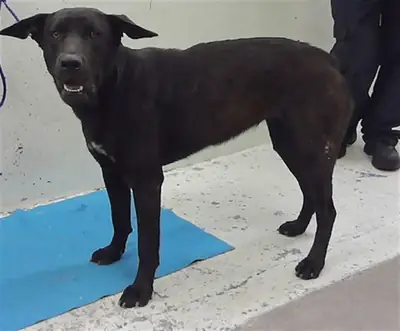
Haven't found the pet you're looking for? Let people who want to find a new home for their pet reach out to you.
Create your free pet adoption request listing now and be seen by thousands of pet owners.
Other listings in your area

Gift a poodle puppies

small dog, but not low-maintenance
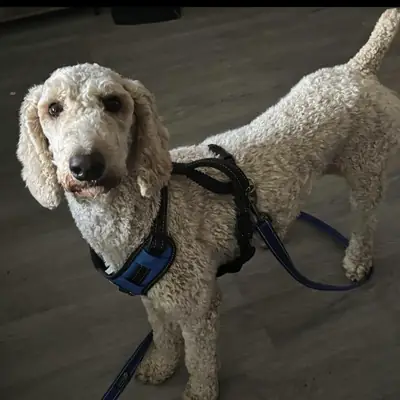
poodle, needs more time than I can give

good dog, just not the right timing for us

Friendly brown Poodle male seeking a new home

Outstanding Pomeranian Puppies or adoption
Popular Searches
Free mixed breed dog adoption Peterborough
Free mixed breed dog adoption in Peterborough should be judged by the individual dog, not by a vague “mixed” label. A mixed breed dog may be small, large, calm, energetic, easy-going, anxious, confident, strong, sensitive or still developing depending on its background.
A strong adoption listing should explain age, microchip status, vaccination record, neutering, known breed mix where possible, expected size, house training, recall, lead manners, behaviour with children, cats and other dogs, separation anxiety, barking, chewing, reactivity, health notes and the real reason for rehoming.
Mixed breed dogs for adoption Peterborough
Mixed breed dogs for adoption in Peterborough can be brilliant family companions, but the best match comes from behaviour details rather than guessing from looks. Coat, colour and face shape do not tell the full story.
Ask how the dog behaves at home, on walks, around visitors, around other dogs, around cats, around children and when left alone. A mixed breed adoption works when the dog’s actual daily behaviour matches the home, not when the photo looks sweet.
Mixed breed rescue dog Peterborough
Mixed breed rescue dog searches in Peterborough usually come from adopters who want a dog with personality, not a strict breed standard. That is fine, but rescue history should be discussed clearly.
Ask whether the dog was surrendered, found, imported, fostered or previously adopted. Also ask about fear, reactivity, handling, food guarding, toilet training, settling indoors and how long the dog has been observed in a normal home environment.
Crossbreed dog adoption Peterborough
Crossbreed dog adoption in Peterborough should focus on the traits the dog actually shows. A crossbreed may inherit size, coat, drive, barking, guarding, energy or grooming needs from more than one type of dog.
Ask what mix is known, what is only a guess and what behaviour has been seen directly. If the dog is described as a Labrador cross, Terrier cross, Collie cross, Spaniel cross or Shepherd cross, ask which traits are visible in daily life.
Mongrel dog adoption Peterborough
Mongrel dog adoption in Peterborough is often searched by people who want a one-of-a-kind dog rather than a pedigree. That can be a great route, but the dog still needs normal adoption checks.
Ask about size, weight, exercise needs, coat type, training, recall, lead manners, health history, neutering and home behaviour. “Mongrel” does not mean problem-free; it means the individual dog matters more than a breed profile.
Mixed breed puppies for adoption Peterborough
Mixed breed puppies for adoption in Peterborough need careful questions because adult size, coat, temperament and energy level may be uncertain. A small puppy photo does not prove the dog will stay small.
Ask about age, microchip details or timing, vaccination history, flea and worm treatment, parent size where known, litter behaviour, toilet routine, socialisation, diet and current videos of the puppy walking, eating, playing and interacting normally.
Adult mixed breed dog adoption Peterborough
Adult mixed breed dog adoption in Peterborough can be a safer choice for many homes because size, coat, energy, temperament and training needs are already visible.
Ask whether the dog is house-trained, neutered, microchipped, vaccinated, calm indoors, safe with visitors, good on lead and able to be left. Adult adoption works best when the normal day is described honestly.
Senior mixed breed dog adoption Peterborough
Senior mixed breed dog adoption in Peterborough can suit people who want a calmer companion, but older dogs still need honest health checks and realistic care planning.
Ask about stiffness, limping, dental care, lumps, medication, hearing, eyesight, toilet habits, appetite, weight, sleep routine and how far the dog can walk comfortably. A senior mixed breed can be an excellent match when the care needs are clear.
Small mixed breed dogs for adoption Peterborough
Small mixed breed dogs for adoption in Peterborough are popular with flat owners, older adopters and people wanting a manageable dog. Small does not automatically mean easy.
Ask about barking, house training, separation anxiety, handling, lead reactivity, dental care, kneecap movement, coat grooming and behaviour around children. A small dog can still have big needs if the match is wrong.
Medium mixed breed dogs for adoption Peterborough
Medium mixed breed dogs for adoption in Peterborough often suit homes that want a dog big enough for walks but not too large for daily handling. The challenge is that “medium” can cover very different energy levels.
Ask current weight, expected adult size if young, exercise needs, lead manners, recall, coat type and whether the dog settles after activity. A medium dog with Collie, Terrier, Spaniel or Shepherd traits may need more work than size suggests.
Large mixed breed dogs for adoption Peterborough
Large mixed breed dogs for adoption in Peterborough need serious checks on strength, lead manners, jumping, recall, space, food costs and joint health.
Ask whether the dog pulls, jumps up, guards food, knocks people over, struggles with stairs, has hip or elbow issues, and whether the adopter can safely manage the dog’s size every day.
Mixed breed dog adoption Cambridgeshire
Mixed breed dog adoption across Cambridgeshire may include Peterborough, Huntingdon, March, Ely, Wisbech and nearby villages. A wider search can help you compare better matches instead of settling for the nearest dog.
Use the wider search to compare proof: microchip transfer, vaccination record, neutering status, behaviour notes, health history, foster feedback and home suitability. Distance matters less than a safe fit.
Mixed breed dog adoption near me Peterborough
Mixed breed dog adoption near me searches around Peterborough often include Hampton, Werrington, Bretton, Orton, Stanground, Yaxley, Whittlesey, Stamford and Spalding.
Local distance helps with meetings, but it does not replace proper checks. Ask for current videos, microchip details, vaccination records, behaviour notes and the exact reason the dog needs a new home.
Dogs free to good home Peterborough
Dogs free to good home Peterborough searches should be handled carefully. A free dog can still need vet care, food, insurance, training, grooming, behaviour support and time to settle.
Ask why the dog is free, whether there are health or behaviour issues, whether the dog is microchipped, vaccinated and neutered, and whether the current keeper is choosing a suitable home rather than the fastest reply.
Private dog rehoming Peterborough
Private dog rehoming in Peterborough can be genuine, but it needs transparency. The current keeper should be able to explain daily routine, behaviour, records and why the dog is being rehomed.
Ask about microchip transfer, vaccination record, neutering, food, exercise, sleep routine, house training, separation anxiety, behaviour with visitors and whether the dog has ever bitten, guarded or escaped.
Family mixed breed dog Peterborough
A family mixed breed dog in Peterborough should be chosen by temperament, handling tolerance and household behaviour, not by a cute photo or “good with kids” claim.
Ask whether the dog has lived with children, what ages, whether it jumps up, mouths hands, steals toys, guards food, becomes overexcited or hides from noise. Family-safe should be proven by behaviour.
Mixed breed dog with children Peterborough
A mixed breed dog with children can work well when the dog is stable, patient and used to family life. The breed mix matters less than the individual dog’s reaction to noise, movement and handling.
Ask whether the dog has lived with children, whether it guards food, reacts to running, tolerates gentle touch and can settle when the house is busy. A child-friendly dog should have evidence, not just a label.
Mixed breed dog with cats Peterborough
A mixed breed dog with cats should be checked carefully because prey drive, chase behaviour and excitement can vary widely in mixed dogs.
Ask whether the dog has lived with cats, whether it chases outdoors, stares, barks, mouths, guards food or ignores cats calmly. A cat-safe home needs slow introductions and escape spaces.
Mixed breed dog with other dogs Peterborough
A mixed breed dog with other dogs can be sociable, selective, nervous, rough or reactive depending on its history and temperament.
Ask whether the dog has lived with dogs, reacts on lead, shares toys, guards food, plays too hard, avoids dogs or becomes overexcited. “Friendly” is too vague; the behaviour needs detail.
Mixed breed dog for first time owner Peterborough
A mixed breed dog can suit a first-time owner when the dog’s needs are clear and manageable. The best first dog is not always the smallest or cutest; it is the dog whose routine matches the adopter’s life.
Ask whether the dog is house-trained, calm indoors, easy on lead, comfortable being left, safe with visitors and predictable around other dogs. First-time adopters should avoid vague listings with hidden behaviour issues.
Mixed breed dog for flat Peterborough
A mixed breed dog can live in a flat if the size, noise level, exercise needs, toilet routine and alone-time behaviour fit the building. Flat suitability is not only about weight.
Ask whether the dog barks at neighbours, copes with stairs or lifts, walks calmly through shared entrances, settles indoors and can be left without distress. A flat can work when the dog’s daily routine is realistic.
Low shedding mixed breed dog adoption Peterborough
Low shedding mixed breed dog adoption in Peterborough should be approached carefully because coat type is not always predictable, especially in puppies and unknown mixes.
Ask whether the dog sheds now, whether the coat mats, whether grooming is needed, whether there are skin issues and whether anyone in the home has allergies. Low shedding should be observed, not assumed.
Hypoallergenic mixed breed dog Peterborough
Hypoallergenic mixed breed dog searches are risky because no dog should be treated as guaranteed allergy-safe. Mixed coats can be unpredictable, especially when one parent breed is unknown.
Spend time around the dog where possible and ask about shedding, grooming, dander, skin health and previous allergy reactions in the home. Do not adopt based only on a “hypoallergenic” label.
Calm mixed breed dog adoption Peterborough
Calm mixed breed dog adoption in Peterborough should be verified in real-life situations. A dog may look calm in a kennel, photo or tired video but behave differently in a home.
Ask whether the dog settles after walks, reacts to visitors, barks at noises, paces indoors, follows people constantly or becomes restless at night. Calm should mean stable behaviour across normal routines.
Active mixed breed dog adoption Peterborough
Active mixed breed dog adoption in Peterborough can suit walkers, runners and outdoorsy homes, but energy needs must be clear before adoption.
Ask how far the dog walks, whether it needs mental games, whether it pulls, whether it has recall, whether it can switch off indoors and whether its joints are sound enough for the activity you expect.
Mixed breed dog recall Peterborough
Mixed breed dog recall should be checked before adoption because unknown breed influence can mean strong chase drive, scent drive, herding drive or people excitement.
Ask whether the dog comes back around dogs, children, wildlife, traffic, food smells and open fields. Poor recall does not make the dog bad, but it changes how the adopter must manage walks.
Mixed breed dog lead pulling Peterborough
Mixed breed dog lead pulling can be a major issue if the dog is strong, young, frustrated or reactive. Size alone does not tell you how manageable the walk will be.
Ask whether the dog walks on a loose lead, pulls toward dogs, lunges at traffic, jumps at people or needs a harness. A dog that pulls hard may need training before busy Peterborough walks feel safe.
Mixed breed dog separation anxiety Peterborough
Mixed breed dog separation anxiety should be asked about before adoption because some rescue and rehomed dogs struggle when left alone after change.
Ask how long the dog can be left, whether it barks, howls, chews, scratches doors, toilets indoors, panics or refuses food when alone. Do not adopt a high-need dog into a home that is empty all day.
Mixed breed dog reactivity Peterborough
Mixed breed dog reactivity before adoption should be explained clearly. Reactivity can mean barking, lunging, freezing, growling, spinning, hiding or overexcitement around dogs, people, bikes or traffic.
Ask what triggers the dog, how close the trigger can be, whether the dog recovers quickly and what training has helped. Reactivity can be managed, but only when the adopter knows the reality before taking the dog home.
Mixed breed dog barking Peterborough
Mixed breed dog barking should be checked before adoption because barking can affect flats, terraces, neighbours and working-from-home routines.
Ask whether the dog barks at doors, windows, strangers, other dogs, traffic, garden sounds or when left alone. A quiet photo tells you nothing; the home behaviour matters.
Mixed breed dog chewing adoption
Mixed breed dog chewing should be discussed because chewing may come from puppy age, boredom, anxiety, teething, lack of outlets or previous habit.
Ask whether the dog chews furniture, shoes, bedding, toys, leads or doors, and whether chewing happens when left alone. A chewer needs management and training, not surprise after adoption.
Mixed breed dog house trained Peterborough
House trained mixed breed dog searches are practical because toilet habits can make or break an adoption in the first weeks. Rehoming stress can also cause temporary setbacks.
Ask whether the dog toilets outside, uses pads, has accidents overnight, marks indoors, signals to go out and how it handled previous home changes. A clean routine should be described clearly.
Microchipped mixed breed dog adoption Peterborough
A microchipped mixed breed dog adoption listing should explain keeper transfer clearly. The chip should match the dog, and the new keeper details should be updated after adoption.
Ask for the chip process, current keeper details and whether vet records match the same dog. Identity proof is basic, not optional.
Vaccinated mixed breed dog rehoming Peterborough
Vaccinated mixed breed dog rehoming should state what has been given, what is due next and whether a vet record is available. “Healthy” is not the same as documented care.
Ask about boosters, flea and worm treatment, previous illness, surgery, allergies, joint checks, weight, appetite and recent vet notes. A lively dog can still have hidden health questions.
Neutered mixed breed dog adoption Peterborough
Neutered mixed breed dog adoption in Peterborough can reduce accidental breeding risk and may help with some management issues, but it does not automatically fix anxiety, pulling, barking or reactivity.
Ask whether the dog is neutered, when it was done, whether recovery was normal and whether any weight, coat or behaviour changes followed. If not neutered, ask whether a vet has advised timing.
Mixed breed dog health history adoption
Mixed breed dog health history should not be ignored just because the dog is not pedigree. Mixed dogs can still have joint issues, dental problems, allergies, injuries, parasites, weight problems or inherited risks from parent breeds.
Ask about medication, surgery, limping, skin irritation, ear infections, stomach issues, dental care, appetite, weight and vet records. “Mixed breed” is not a health guarantee.
Mixed breed dog joint problems adoption
Mixed breed dog joint problems should be checked before adoption, especially with larger dogs, older dogs or dogs with unknown early-life care.
Ask whether the dog limps, avoids stairs, struggles after walks, bunny hops, has x-rays, needs pain relief or has exercise limits. A happy dog can still be hiding pain.
Mixed breed dog skin allergies adoption
Mixed breed dog skin allergies can show as itching, paw licking, ear infections, redness, hair loss, hot spots or repeated vet visits.
Ask whether the dog has food sensitivities, seasonal allergies, medicated shampoo, ear treatment, flea allergy, paw irritation or regular flare-ups. Coat photos do not prove comfortable skin.
Mixed breed dog weight problem adoption
Mixed breed dog weight problems can affect movement, stamina, joints, breathing, skin and long-term comfort. A dog’s ideal weight depends on body shape, not a generic number.
Ask current weight, body condition, feeding routine, treat habits, exercise level and whether a vet has advised weight loss or weight gain. Healthy weight should be part of the adoption plan.
Mixed breed rescue dog settling in
A mixed breed rescue dog may need time to settle after adoption, especially if it has changed homes, kennels, foster homes or routines. Early behaviour is not always the final version of the dog.
Ask what the dog is like in the first days, after a few weeks and in normal home life. Plan calm routines, predictable walks, quiet rest, gentle handling and gradual introductions instead of overwhelming the dog immediately.
Mixed breed dog adoption scam Peterborough
Mixed breed dog adoption scams in Peterborough can use copied photos, fake urgent rehoming stories, delivery-only offers, vague locations, missing microchip details and pressure to pay quickly.
Ask for current videos, proof the dog is in or near Peterborough, microchip information, vet records, safe meeting or collection and a clear reason for rehoming. If proof disappears but payment pressure appears, walk away.
Frequently Asked Questions
Can I adopt a mixed breed dog for free in Peterborough?
Yes, mixed breed dogs may be offered for free adoption in Peterborough, but every listing should be checked carefully before contact or collection.
Ask about microchip details, vaccination record, neutering status, age, size, temperament, training, health history, behaviour with children and pets, and the exact reason for rehoming.
Is a mixed breed dog a dog?
Yes, a mixed breed dog is a dog with ancestry from more than one breed or type of dog.
Because the background may be partly unknown, the individual dog’s size, temperament, training, health and daily behaviour matter more than a breed label.
What is the difference between a mixed breed, crossbreed and mongrel dog?
A crossbreed often means two known breed types are involved, while mixed breed or mongrel can mean the ancestry is broader or not fully known.
For adoption, the important part is not the label. The important part is the dog’s actual behaviour, size, health, training and suitability for your home.
Are mixed breed dogs good adoption pets?
Mixed breed dogs can be excellent adoption pets when the individual dog is well matched to the home.
Check temperament, size, exercise needs, training level, health history, behaviour with children and pets, and how the dog handles being left alone.
What should I check before adopting a mixed breed dog?
Check microchip details, vaccination history, neutering status, vet notes, age, current weight, expected adult size if young, house training, recall, lead manners, barking, chewing and separation anxiety.
Also ask about children, cats, other dogs, prey drive, reactivity, guarding, grooming needs, skin issues, joint movement and the reason for rehoming.
Should a mixed breed dog be microchipped before adoption?
Yes, microchip details should be clear before adoption, and keeper information should be updated correctly after the dog changes home.
Ask for the chip process, current keeper details and whether vet records match the same dog.
Should a mixed breed dog be vaccinated and neutered?
Vaccination and neutering status should be clear before adoption. Ask what vaccinations have been given, what is due next and whether the dog is neutered.
If the dog is not neutered, ask why and whether a vet has advised timing.
Are mixed breed puppies predictable?
Mixed breed puppies are less predictable than adult dogs because adult size, coat type, energy level and temperament may still be developing.
Ask about parent size where known, litter behaviour, socialisation, current weight, feeding routine, toilet training and any known breed background.
Is an adult mixed breed dog easier to adopt than a puppy?
An adult mixed breed dog can be easier to assess because size, coat, temperament, training and energy level are already visible.
Ask whether the dog is house-trained, calm indoors, good on lead, able to be left and comfortable around children, visitors and other pets.
Are senior mixed breed dogs good to adopt?
Senior mixed breed dogs can be excellent companions for homes that want a calmer dog and can handle age-related care.
Ask about stiffness, limping, dental care, lumps, medication, hearing, eyesight, toilet habits, appetite, weight and how far the dog can walk comfortably.
Are small mixed breed dogs easier to keep?
Small mixed breed dogs can be easier to handle physically, but they can still bark, guard, react on lead, suffer separation anxiety or need regular grooming.
Ask about toilet training, barking, handling, teeth, kneecap movement, coat care and behaviour around children and other pets.
Are large mixed breed dogs suitable for adoption?
Large mixed breed dogs can be suitable when the adopter can manage their size, strength, food cost, exercise needs and training.
Ask about lead pulling, jumping, recall, guarding, hip or elbow issues, stairs, space and whether the dog can settle calmly indoors.
Are mixed breed dogs good with children?
Some mixed breed dogs are excellent with children, but child suitability depends on the individual dog’s experience, patience, handling tolerance and arousal level.
Ask whether the dog has lived with children, what ages, whether it jumps up, mouths hands, guards food, steals toys or reacts to running and noise.
Can mixed breed dogs live with cats?
Some mixed breed dogs can live with cats, but prey drive and chase behaviour vary widely.
Ask whether the dog has lived with cats, whether it chases outdoors, barks, stares, mouths, guards food or ignores cats calmly.
Can mixed breed dogs live with other dogs?
Mixed breed dogs can live with other dogs when temperament, play style and introductions are suitable.
Ask whether the dog has lived with dogs, reacts on lead, shares toys, guards food, plays too roughly, avoids dogs or becomes overexcited.
Are mixed breed dogs good for first time owners?
Some mixed breed dogs are good for first time owners, but the match depends on behaviour, size, exercise needs and training level.
First-time owners should be cautious with dogs that have serious reactivity, separation anxiety, poor recall, strong pulling or unclear history.
Can a mixed breed dog live in a flat?
A mixed breed dog can live in a flat if the dog’s size, barking, exercise needs, toilet routine and alone-time behaviour fit the building.
Ask whether the dog barks at neighbours, copes with shared entrances, settles indoors and can be left without distress.
Do mixed breed dogs need much exercise?
Exercise needs vary widely in mixed breed dogs. Some need gentle walks, while others need serious activity, training games and mental stimulation.
Ask how far the dog currently walks, whether it settles after exercise, whether it pulls and whether it has any joint or stamina limits.
Do mixed breed dogs need good recall?
Yes, recall matters because mixed breed dogs may have chase drive, scent drive, herding instinct or strong social excitement depending on their background.
Ask whether the dog comes back around dogs, children, wildlife, traffic, food smells and open fields.
Do mixed breed dogs pull on the lead?
Some mixed breed dogs pull strongly, especially if young, excited, strong, under-trained or reactive.
Ask whether the dog walks on a loose lead, pulls toward dogs, lunges at traffic, jumps at people or needs a harness.
Do mixed breed dogs get separation anxiety?
Some mixed breed dogs struggle when left alone, especially after major home changes or unstable routines.
Ask how long the dog can be left, whether it barks, howls, chews, scratches doors, toilets indoors, panics or refuses food when alone.
What is dog reactivity in adoption?
Reactivity can include barking, lunging, freezing, growling, spinning, hiding or overexcitement around dogs, people, bikes, traffic or other triggers.
Ask what triggers the dog, how close the trigger can be, whether the dog recovers quickly and what training has helped.
Do mixed breed dogs bark a lot?
Some mixed breed dogs bark very little, while others bark at doors, windows, strangers, dogs, garden sounds or when left alone.
Ask when the dog barks, whether it stops when asked and whether barking has caused neighbour problems.
Do mixed breed dogs chew a lot?
Some mixed breed dogs chew because of age, boredom, anxiety, teething, under-stimulation or previous habit.
Ask whether the dog chews furniture, shoes, bedding, toys, leads or doors, and whether chewing happens when left alone.
Are mixed breed dogs house trained?
Some mixed breed dogs are fully house trained, while others need support after moving home.
Ask whether the dog toilets outside, uses pads, has accidents overnight, marks indoors, signals to go out and how it handled previous home changes.
Are mixed breed dogs low shedding?
Some mixed breed dogs shed very little, while others shed heavily. Coat type is not always predictable, especially in puppies.
Ask whether the dog sheds now, whether the coat mats, whether grooming is needed and whether anyone in the home has allergies.
Are mixed breed dogs hypoallergenic?
No dog should be treated as guaranteed hypoallergenic, and mixed breed dogs are not a safe assumption for allergy-sensitive homes.
Spend time around the dog where possible and ask about shedding, grooming, dander, skin health and previous allergy reactions.
Are mixed breed dogs healthier than pedigree dogs?
Mixed breed dogs may avoid some breed-specific inherited risks, but they are not automatically healthy.
Ask for vet records, medication history, surgery history, joint movement, skin issues, dental care, weight, appetite and any known parent breed concerns.
Do mixed breed dogs get joint problems?
Mixed breed dogs can still have joint problems, especially larger dogs, older dogs or dogs with unknown early-life care.
Ask whether the dog limps, avoids stairs, struggles after walks, has x-rays, needs pain relief or has exercise limits.
Do mixed breed dogs get skin allergies?
Mixed breed dogs can have skin allergies that show as itching, paw licking, redness, ear infections, hair loss or hot spots.
Ask about food sensitivities, seasonal allergies, medicated shampoo, flea allergy, ear treatment and repeat vet visits.
Why does weight matter for mixed breed dogs?
Weight matters because being overweight or underweight can affect movement, stamina, joints, skin, appetite and long-term health.
Ask current weight, body condition, feeding routine, treat habits, exercise level and whether a vet has advised weight change.
How long does a rescue dog take to settle?
A rescue or rehomed dog may need days, weeks or months to settle fully, depending on history, temperament and the new routine.
Use calm introductions, predictable feeding, quiet rest, gentle walks and patient training instead of overwhelming the dog immediately.
Why do mixed breed dogs get rehomed?
Mixed breed dogs may be rehomed because of owner illness, moving home, cost, allergies, lack of time, training gaps, behaviour issues, pet conflict or changes in family life.
The reason for rehoming should be explained clearly because it affects whether the dog will suit your home.
How can I avoid mixed breed dog adoption scams?
Be cautious with copied dog photos, urgent deposits, delivery-only offers, vague Peterborough locations, missing microchip details and no vet records.
Ask for current videos, proof the dog is local, safe meeting or collection, microchip details, vet history and a clear reason for rehoming before trusting any advert.