Plymouth Dog Adoption
There are 2 Dog listings live right now, last updated 23 Jul 2026. Find Plymouth dog adoption listin... There are 2 Dog listings live right now, last updated 23 Jul 2026. Find Plymouth dog adoption listings for puppies, adult dogs, senior dogs, rescue dogs and rehomed family dogs looking for a safe, per... There are 2 Dog listings live right now, last updated 23 Jul 2026. Find Plymouth dog adoption listings for puppies, adult dogs, senior dogs, rescue dogs and rehomed family dogs looking for a safe, permanent home in Plymouth, Plympton, Plymstock, Devonport, Mutley, Saltash, Tavistock, Ivybridge, Torpoint, Liskeard and the wider Devon and Cornwall area. Petopic helps you compare adoptable dogs by age, size, breed or mix, temperament, shelter or foster background, microchip and vaccination status, neutering information, child and pet compatibility, house training, lead manners, garden needs, coastal-walk suitability, alone-time tolerance, rehoming reason and adoption conditions, so you can adopt a dog in Plymouth with practical confidence instead of choosing from photos alone.
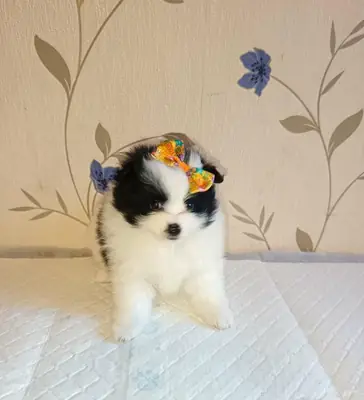
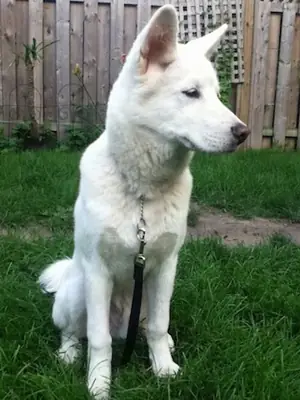
Haven't found the pet you're looking for? Let people who want to find a new home for their pet reach out to you.
Create your free pet adoption request listing now and be seen by thousands of pet owners.
Popular Searches
Dog adoption Plymouth
People searching for dog adoption in Plymouth usually want a local, trustworthy way to find a dog that can genuinely fit their home and lifestyle. A strong listing should show the dog’s age, size, breed or mix, current location, rescue or foster background, health notes, microchip status, vaccination details, temperament and the kind of home the dog needs.
Plymouth adoption decisions are shaped by real daily life: coastal walks, busy roads, flats, family homes, gardens, ferry links, rural edges, other pets, children and work schedules. The listing should help the adopter understand whether the dog can handle their routine before they apply, visit or arrange a meet-and-greet.
Adopt a dog in Plymouth
To adopt a dog in Plymouth responsibly, users need more than breed, age and a friendly photo. They need to know if the dog is comfortable with traffic, visitors, children, stairs, other dogs, cats, being left alone and normal household routines.
The best adoption listings explain daily rhythm, energy level, house training, lead behaviour, medical needs, confidence around people and whether the dog has been assessed in a kennel, foster home or previous family home. A dog may look calm online but still need an experienced adopter, quiet home or structured walking routine.
Dogs for adoption Plymouth
Dogs for adoption in Plymouth can include puppies, adult dogs, senior dogs, rescue dogs, foster dogs, bonded pairs, ex-family dogs and dogs needing a fresh start after a difficult situation. These dogs should not all be described with the same soft phrases. Each dog needs a practical, specific profile.
A useful listing should say whether the dog needs a quiet home, active owner, secure garden, older children only, no cats, another calm dog, ongoing training or someone home most of the day. Honest fit details reduce failed adoptions and protect the dog from being moved again.
Rescue dogs Plymouth
Rescue dogs in Plymouth may come from shelters, foster homes, owner surrender, stray backgrounds, emergency rehoming or welfare cases. The word “rescue” should not be used only to create emotion. The listing should explain what is known about the dog’s past, current behaviour, strengths, worries and ideal home.
Some rescue dogs settle quickly, while others need decompression, patient handling, quiet introductions and predictable routines. A strong rescue listing says if the dog is nervous, reactive, strong on lead, worried by traffic, unsuitable for first-time owners or better suited to a calmer home outside the busiest streets.
Dog rehoming Plymouth
Dog rehoming in Plymouth may happen because of moving, landlord rules, illness, family changes, work schedules, financial pressure, bereavement or behaviour challenges. A rehoming listing should protect the dog, not simply move the dog quickly.
Write the dog’s age, size, breed or mix, health status, microchip information, behaviour, house training, daily routine, triggers, strengths and the real reason for rehoming. If the dog cannot live with cats, needs older children, barks when left, pulls strongly on lead or struggles with visitors, say it clearly.
Puppies for adoption Plymouth
Puppies for adoption in Plymouth attract fast attention, but puppy adoption is not the easy route. A puppy needs house training, sleep structure, socialisation, chewing management, vet visits, vaccination planning, safe outdoor exposure and daily supervision.
A strong puppy listing should include approximate age, expected adult size if known, vaccination and microchip status, feeding routine, litter background, confidence level and whether the puppy has been exposed to normal household sounds. Cute puppy photos bring clicks; clear care details prevent bad matches.
Small dogs for adoption Plymouth
Small dogs for adoption in Plymouth are often searched by people living in flats, smaller homes, retirement households or busier city areas. But a small dog is not automatically easier. Some small dogs bark more, guard space, dislike handling, struggle with children or become anxious when left alone.
A useful small-dog listing should explain noise level, house training, handling comfort, walking needs, separation tolerance and whether the dog has lived with children, cats or other dogs. The real question is not whether the dog is small; it is whether the dog’s behaviour fits the adopter’s home and routine.
Large dogs for adoption Plymouth
Large dogs for adoption in Plymouth can be brilliant companions for the right home, but the listing must be direct about strength, exercise needs, lead behaviour, reactivity, garden safety and training level. Size should never be hidden or softened.
A large dog may live well in Plymouth if the adopter has time, structure, suitable walking routes and enough space for the dog to settle indoors. The listing should say whether the dog is calm at home, strong on lead, comfortable around traffic, reactive to dogs or better suited to a quieter home with a secure garden.
Senior dog adoption Plymouth
Senior dog adoption in Plymouth is a strong match for people who want a calmer companion, clearer personality and a more predictable routine. Older dogs should not be treated as a weaker choice. For many homes, a senior dog is more realistic than a puppy.
A good senior dog listing should be honest about mobility, medication, dental care, hearing or vision changes, stairs, sleep habits, toilet routine and walking pace. Age is not the problem; vague care information is. The right adopter will value clear details.
Family dogs for adoption Plymouth
Family dogs for adoption in Plymouth should be described with evidence, not vague promises. “Good with children” means little unless the listing explains the dog’s experience with kids, tolerance for noise, handling comfort, toy or food guarding, play style and ability to calm down in a busy home.
Some dogs suit homes with young children, some only suit older children, and some need adults only. A strong listing says this plainly. Making every dog sound family-friendly is lazy and dangerous because it creates poor matches.
Rescue puppies Plymouth
Rescue puppies in Plymouth need even clearer information than adult dogs because their adult size, temperament and training needs may not be fully known yet. A listing should explain the puppy’s estimated age, breed mix if known, current confidence, vet care, feeding and early socialisation.
Adopters should not assume a rescue puppy will arrive as a blank slate. Early stress, poor socialisation or unknown background can still shape behaviour. The listing should prepare the adopter for toilet training, handling practice, gradual exposure and ongoing support.
Foster dogs for adoption Plymouth
Foster dogs for adoption in Plymouth can give adopters better real-world information than kennel-only profiles. Foster homes can report house training, sleep routine, visitor behaviour, alone-time comfort, crate or bed habits, food manners and how the dog settles after walks.
The listing should use this advantage fully. If the dog is affectionate indoors but nervous outside, calm overnight but anxious when left, good with adults but unsure around children, or better with another steady dog, write it clearly. Foster insight is powerful only when it is specific.
Apartment friendly dogs Plymouth
Apartment friendly dogs in Plymouth should be judged by behaviour, not size alone. A dog may suit flat living if it can settle indoors, manage hallway sounds, handle stairs, tolerate neighbours and follow a predictable walking routine.
A listing that simply says “flat suitable” is too thin. It should explain barking, house training, separation comfort, energy level, lead manners, stair confidence and whether the dog has lived in a similar home. A calm medium-sized dog can be easier in a flat than a small dog that barks at every sound.
Dogs for adoption near Plymouth
Dogs for adoption near Plymouth can include listings from Plympton, Plymstock, Saltash, Tavistock, Ivybridge, Torpoint, Liskeard, Totnes, Launceston and the wider Devon and Cornwall area. Many adopters are willing to travel if the dog is the right match.
A listing should give a clear general location and explain whether meetings, home checks, foster visits, trial periods or transport arrangements are required. “Near Plymouth” should not be vague. Clear location helps serious adopters plan properly and reduces wasted enquiries.
Microchipped dogs for adoption Plymouth
Microchipped dogs for adoption in Plymouth appeal to users who want a safer, traceable adoption. In England, dogs over eight weeks old must be microchipped, and keeper details must be kept up to date. This is not a minor afterthought.
A good listing should mention whether the dog is microchipped and whether the adopter will need to update keeper details after adoption. Rehoming without clear identification creates risk if the dog goes missing or ownership details are disputed later.
Post a dog adoption listing in Plymouth
To post a dog adoption listing in Plymouth, write for the right adopter, not the highest number of messages. Include the dog’s age, size, breed or mix, general location, health notes, microchip and vaccination status, neutering information, temperament, house training, lead behaviour, child and pet compatibility, energy level and reason for rehoming.
Do not hide difficult details. If the dog needs an experienced handler, cannot live with cats, struggles with traffic, barks in flats, has separation anxiety, pulls strongly on lead or requires ongoing training, say it. Honest listings reduce failed adoptions and protect the dog’s future.
Frequently Asked Questions
How do I adopt a dog in Plymouth?
To adopt a dog in Plymouth, start by reviewing listings for age, size, temperament, health notes, location, home suitability and adoption conditions. Check whether the dog is in a shelter, foster home, rescue organisation or private rehoming situation, because the process may differ.
Before committing, ask about meet-and-greets, medical records, microchip details, vaccination status, behaviour with children or pets, walking needs, alone-time tolerance and whether the dog can handle your daily routine. The right adoption should confirm fit before the dog moves home.
What should I check in a Plymouth dog adoption listing?
A Plymouth dog adoption listing should include the dog’s age, breed or mix, size, sex, location, health notes, microchip and vaccination status where known, temperament, energy level, house training, lead behaviour and compatibility with children, cats or other dogs.
If the listing is vague, ask questions before applying or arranging a visit. A good listing should help you understand whether the dog fits your home, work schedule, experience and long-term commitment.
Do adopted dogs in Plymouth need to be microchipped?
Yes. In England, dogs over eight weeks old must be microchipped and registered with up-to-date keeper details. When adopting or rehoming a dog, the new keeper details should be updated correctly on the relevant database.
Microchip information matters because it helps reunite a lost dog with the right keeper and supports traceability after adoption. Do not treat it as optional paperwork.
Are puppies for adoption in Plymouth good for first-time owners?
Puppies can suit first-time owners only if the adopter has enough time, patience and structure. A puppy needs house training, socialisation, sleep routines, chewing management, vet care, lead training and daily supervision.
If you work long hours or want a dog that is already calmer and more predictable, an adult dog may be a better first adoption. Choose based on your real lifestyle, not on the puppy being cute.
What kind of dog is best for a flat in Plymouth?
The best dog for a flat in Plymouth is not automatically the smallest dog. A better match is a dog that can settle indoors, handle hallway noise, manage stairs, follow a regular walking routine and tolerate reasonable alone time.
Before adopting, check barking, house training, lead manners, energy level, separation worries and whether the dog has lived in a similar home. Behaviour matters more than size.
Can I adopt a rescue dog in Plymouth if I have children?
You can adopt a rescue dog if you have children, but the match must be based on the individual dog’s behaviour and history. Some dogs are suitable for young children, some only for older children, and some need an adult-only home.
Look for details about handling, noise tolerance, play style, food or toy guarding, previous child experience and ability to settle. “Good with children” should always be backed by real behaviour notes.
Is adopting a senior dog in Plymouth a good idea?
Adopting a senior dog can be a very good idea for people who want a calmer companion and a more predictable personality. Older dogs may already have house habits, walking routines and settled behaviour that make the transition easier.
You should still ask about mobility, medication, dental care, hearing or vision changes, stairs, sleep routine and exercise needs. Senior adoption is strongest when the care needs are clear from the start.
What makes a Plymouth dog adoption listing trustworthy?
A trustworthy Plymouth dog adoption listing is specific, current and honest. It includes clear photos, location, age, size, health notes, temperament, behaviour with people and animals, home suitability, microchip details, adoption requirements and any limitations or special needs.
Weak listings rely on vague phrases like “perfect dog” or “loving home wanted” without explaining behaviour. Trustworthy listings help the right adopter make a realistic decision, even if some details are difficult.
How far from Plymouth should I search for adoptable dogs?
It can make sense to search beyond Plymouth into nearby areas such as Plympton, Plymstock, Saltash, Tavistock, Ivybridge, Torpoint, Liskeard and wider Devon or Cornwall if you can travel for meetings and adoption steps.
Do not choose distance over fit. A dog slightly farther away may be a better match than a nearby dog whose needs do not suit your home. The listing should make the location and adoption process clear enough to plan properly.
How should I write a listing to rehome my dog in Plymouth?
To rehome your dog in Plymouth, write a complete and honest listing with age, breed or mix, size, location, health status, microchip and vaccination details where known, temperament, house training, lead behaviour, energy level, child and pet compatibility and the real reason for rehoming.
Do not hide difficult details. If the dog cannot live with cats, needs older children, struggles when left alone, pulls strongly on lead, reacts to traffic or needs an experienced adopter, say it clearly. Honest information protects the dog and attracts better enquiries.