Free Boxer Dog Adoption in Sheffield
There's 1 Boxer listing live right now, last updated 28 Mar 2026. Find Boxer dogs for free adoption ... There's 1 Boxer listing live right now, last updated 28 Mar 2026. Find Boxer dogs for free adoption in Sheffield with the checks this playful, muscular and people-loving dog genuinely needs before you... There's 1 Boxer listing live right now, last updated 28 Mar 2026. Find Boxer dogs for free adoption in Sheffield with the checks this playful, muscular and people-loving dog genuinely needs before you bring one home: compare Boxer puppies, adult Boxers, senior dogs, neutered Boxers, retired breeding dogs and Boxer crosses on Petopic by age, microchip transfer, vaccination history, vet records, breathing comfort, heat sensitivity, heart murmur notes, fainting or collapse history, lumps or tumour checks, eye ulcer history, skin allergies, ear problems, hip or knee issues, epilepsy, dental health, weight, exercise routine, lead walking, recall, jumping up, mouthing, crate routine, toilet training, separation anxiety, barking, resource guarding, children, cats, other dogs, flat or garden suitability, previous homes, rehoming reason and safe handover options across Sheffield city centre, Kelham Island, Hillsborough, Ecclesall, Crookes, Walkley, Nether Edge, Heeley, Woodseats, Darnall, Handsworth, Meadowhead, Rotherham, Barnsley, Chesterfield, Doncaster, South Yorkshire and nearby Derbyshire.
Haven't found the pet you're looking for? Let people who want to find a new home for their pet reach out to you.
Create your free pet adoption request listing now and be seen by thousands of pet owners.
Other listings in your area
not suitable for a casual owner
Gift male and female Labrador Retriever puppies
german shepherd, needs experienced handling

Brown Poodle used to long walks and daily interaction
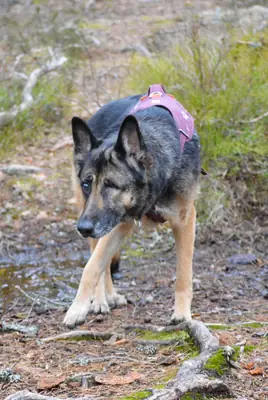
German shepherd needs a better setup
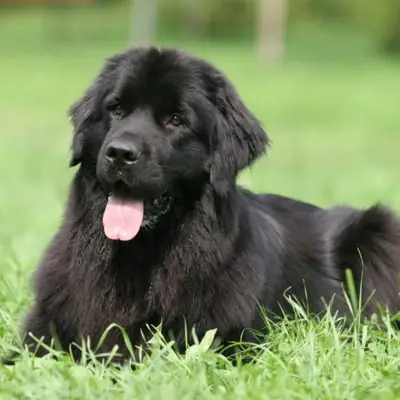
Gentle Newfoundland for Adoption
Popular Searches
Free Boxer adoption Sheffield
Free Boxer adoption in Sheffield should be judged by behaviour, breathing, heart history and daily manageability before the dog’s strong build or funny face wins you over. A Boxer is a dog with huge personality, but it needs structure, exercise, calm boundaries and health-aware care.
On Petopic, a serious Boxer adoption listing should explain age, microchip transfer, vaccination history, neutering, vet records, breathing comfort, heat sensitivity, heart murmur notes, fainting history, lumps, eye ulcers, skin allergies, ear problems, lead walking, jumping up, separation anxiety, children, cats, other dogs and the exact reason for rehoming.
Boxer dogs for free adoption in Sheffield
Boxer dogs for free adoption in Sheffield can include young dogs, adults, seniors, neutered dogs, retired breeding dogs and Boxer crosses. The right match depends on stamina, training, mouthiness, excitement level, health history and whether the home can manage a large, bouncy companion.
Check whether the dog settles indoors, pulls on lead, jumps on visitors, mouths hands, guards food, struggles in heat, coughs, wheezes, has fainted, has had lumps checked or needs ongoing medication. Boxer adoption is not just about finding a friendly dog; it is about finding one your home can actually handle.
Boxer rehoming Sheffield
Boxer rehoming in Sheffield often happens because of owner illness, work hours, landlord rules, relationship changes, pet conflict, separation anxiety, overexcitement, pulling, jumping, cost of vet care or the dog needing more routine than the current home can provide.
Ask how long the current keeper has had the dog, whether the Boxer has been rehomed before, what behaviour has been difficult, whether health costs are involved and whether the rehoming reason is being softened to move the dog quickly.
Boxer rescue Sheffield
Boxer rescue in Sheffield can be a good route for experienced adopters who understand the breed’s energy, emotional attachment and health risks. A rescue Boxer may be loving but still need work around lead manners, separation, dog reactivity, jumping up or confidence.
Ask about microchip transfer, neutering, vaccinations, vet notes, breathing comfort, heart checks, lumps, eye history, allergies, ear problems, previous homes, training, crate routine and whether the dog needs a calm adult-only home or can live with children.
Boxer free to good home Sheffield
Boxer free to good home listings can be genuine, but free adoption does not mean low responsibility. A Boxer can bring real costs through food, insurance, vet checks, allergy treatment, eye care, lump investigations, heart monitoring and behaviour support.
A responsible listing should include vet records, microchip transfer, vaccination history, neutering status, temperament, training level, health notes and a careful handover plan. If the dog must leave immediately with no questions, slow down.
Boxer puppy free adoption Sheffield
Boxer puppy free adoption in Sheffield should raise serious checks because Boxer puppies are high-energy, fast-growing and easy to mishandle if the home is unprepared. A free puppy can be genuine, but it can also hide weak paperwork, rushed rehoming or fake photos.
Ask exact age, microchip status, vaccination plan, worming, flea treatment, feeding routine, toilet training, socialisation, parent background if known, breathing, eye clarity, appetite, weight, confidence and why such a wanted puppy is being rehomed free.
Adult Boxer adoption Sheffield
Adult Boxer adoption in Sheffield can be smarter than chasing a puppy because the dog’s size, strength, excitement level, lead manners, separation behaviour and health history are easier to judge.
Ask whether the adult Boxer pulls, jumps up, mouths, barks when left, reacts to dogs, guards food, travels well, has heart notes, has had lumps checked, struggles in heat or has any eye, skin, ear, hip or knee history.
Senior Boxer adoption Sheffield
Senior Boxer adoption can suit a calm Sheffield home, but older Boxers need honest checks around lumps, heart rhythm, breathing, arthritis, weight, dental health, eyes, skin, ears, medication and stamina.
Ask whether the dog needs pain relief, heart medication, lump monitoring, shorter walks, softer bedding, help with stairs or regular vet reviews. A quiet senior Boxer may be peaceful, but it may also be hiding discomfort.
Neutered Boxer adoption Sheffield
Neutered Boxer adoption can reduce unwanted breeding and may help with some management, but it does not automatically fix jumping, pulling, separation anxiety, dog reactivity or guarding.
Ask whether the dog is neutered, when it was done, whether recovery was normal and whether behaviour, weight, roaming, marking or interactions with other dogs changed afterwards.
Microchipped Boxer adoption Sheffield
A microchipped Boxer adoption listing should explain how keeper details will be transferred. The chip should match the dog, and the handover should not rely on vague promises.
Ask for the microchip number, database transfer process and proof that the current keeper is allowed to rehome the dog. Identity matters even when the adoption is free.
Vaccinated Boxer adoption Sheffield
Vaccinated Boxer adoption should state what has been given, what is due next and whether vet records are available. “Healthy” is too weak for a breed where heart, breathing, eye, skin and lump history matters.
Ask about boosters, flea treatment, worming, vet checks, dental notes, ear treatment, allergy medication, lump checks, eye ulcers, previous illness and any ongoing care before agreeing to handover.
Boxer heart problems adoption Sheffield
Boxer heart problems should be discussed before adoption because some Boxers can have murmurs, rhythm issues, fainting episodes, collapse, coughing, poor stamina or exercise intolerance.
Ask whether the dog has had a heart murmur, ECG, scan, fainting, sudden weakness, coughing after exercise or medication. A bouncy Boxer can still have a serious heart history hidden behind excitement.
Boxer cardiomyopathy adoption Sheffield
Boxer cardiomyopathy history should be asked about when adopting an adult or senior Boxer, especially if the dog has fainted, collapsed, shown irregular heartbeat signs or struggled with exercise.
Ask whether a vet has mentioned rhythm problems, whether monitoring was done, whether medication is used and whether exercise limits exist. Do not accept “just gets tired” without detail.
Boxer breathing problems adoption Sheffield
Boxer breathing problems should be checked because Boxers have shorter muzzles than many working breeds and can struggle more with heat, hard exercise, stress or airway issues.
Ask whether the dog snores heavily, pants at rest, overheats quickly, coughs, gags, struggles after excitement or needs restricted exercise in warm weather. Breathing comfort should be visible in normal daily life.
Boxer heat sensitivity adoption Sheffield
Boxer heat sensitivity matters because a strong-looking dog can still overheat quickly. Warm weather, car travel, hard running and excitement can become risky if the dog pants heavily or struggles to cool down.
Ask how the dog copes in summer, whether walks are shortened, whether it has ever overheated, whether car journeys are managed carefully and whether exercise needs to stay calm in warm conditions.
Boxer lumps and tumours adoption Sheffield
Boxer lumps and tumours should be checked directly before adoption. Any lump should be described honestly, especially in adult and senior dogs, because “just a fatty lump” is not enough without vet context.
Ask whether lumps have been checked, measured, removed, tested or monitored, whether new lumps appear often and whether vet records are available. A responsible handover should not hide skin masses until after adoption.
Boxer eye ulcer adoption Sheffield
Boxer eye ulcer history should be asked about because eye discomfort can become painful quickly. Squinting, redness, rubbing, discharge, cloudiness or repeated drops should not be brushed off as minor.
Ask whether the dog has had corneal ulcers, eye surgery, ongoing drops, specialist checks or repeated irritation. A clear photo does not replace a proper eye history.
Boxer skin allergies adoption Sheffield
Boxer skin allergies can show as itching, paw licking, belly redness, ear infections, hot spots, hair loss, rashes or repeated vet visits. Short coats make some skin problems easier to see, but not always easier to solve.
Ask whether the dog needs allergy medication, special food, medicated shampoo, ear drops, skin checks or seasonal treatment. Allergy history affects cost and daily care.
Boxer ear problems adoption Sheffield
Boxer ear problems should be checked before adoption because repeated infections, itching, smell or head shaking can point to allergies, inflammation or ongoing discomfort.
Ask whether the dog has had ear drops, cleaning routines, allergy checks, yeast problems, bad smell, scratching or repeated vet visits. Ear problems are not just cosmetic.
Boxer hip dysplasia adoption Sheffield
Boxer hip dysplasia should be checked when a dog shows stiffness, bunny-hopping, reluctance to jump, difficulty rising, uneven movement or reduced stamina.
Ask whether x-rays, pain relief, physiotherapy, arthritis notes or exercise limits exist. A muscular dog can still have painful joints, especially as it ages.
Boxer epilepsy adoption Sheffield
Boxer epilepsy or seizure history should be discussed before adoption when known. Seizures can affect medication, insurance, home safety and emergency planning.
Ask whether the dog has had seizures, fainting, collapse, odd episodes, medication or vet investigations. If the background is unclear, ask what the current keeper has personally observed.
Boxer separation anxiety adoption Sheffield
Boxer separation anxiety should be checked before adoption because many Boxers are people-focused and can struggle when left alone. Anxiety may show as barking, crying, chewing, pacing, toileting indoors, scratching doors or destructive behaviour.
Ask how long the dog can be left, what happens during that time, whether crate training helps, whether neighbours complained and whether the dog settles better after exercise or with another calm dog.
Boxer jumping up adoption Sheffield
Boxer jumping up is not a small issue because this is a strong dog that can knock over children, older people or nervous visitors. Many Boxers greet with their whole body, not just their tail.
Ask whether the dog jumps at guests, mouths hands, grabs clothing, knocks people over or calms quickly after greeting. “Just excited” still needs training if the home is busy.
Boxer lead walking adoption Sheffield
Boxer lead walking should be checked because strength and excitement can make walks hard if the dog pulls, lunges, bounces or reacts to other dogs.
Ask whether the dog walks on a harness, pulls near traffic, barks at dogs, jumps at people or can settle on ordinary streets. Good lead manners should be shown, not just claimed.
Boxer recall adoption Sheffield
Boxer recall matters because a strong, playful dog with poor recall can become difficult in parks, open fields and busy paths. Friendly does not mean safe off lead.
Ask whether the dog recalls away from dogs, people, cyclists, food, wildlife and footballs, whether long-line training has been used and whether the dog can safely go off lead at all.
Boxer resource guarding adoption Sheffield
Boxer resource guarding should be discussed before adoption because a strong dog guarding food, toys, beds or stolen items can create real risk in a family home.
Ask whether the dog growls, freezes, runs away with items, snaps, guards bowls, guards people or becomes tense when approached. A funny “stubborn Boxer” story can hide a serious management issue.
Boxer with children Sheffield
A Boxer with children can be affectionate and playful, but the dog’s size, jumping, mouthing and excitement level must be realistic for the home. A loving Boxer can still be too much for toddlers or nervous children.
Ask whether the dog has lived with children, what ages, whether it jumps, mouths, guards toys, knocks people over, dislikes being disturbed or becomes frantic during play. Child-friendly must mean proven daily behaviour.
Boxer with cats Sheffield
A Boxer with cats can work only when the dog has proven cat experience and can stay calm around movement. Some Boxers are gentle with cats; others chase, bounce, bark or overwhelm them.
Ask whether the dog has lived with cats, whether it chases, whether it can be redirected, whether it guards food and whether the cat has safe escape space. Cat-safe needs history, not hope.
Boxer with other dogs Sheffield
A Boxer with other dogs can be sociable, but the match depends on play style, confidence, sex, neutering, resource guarding and lead behaviour. Boxer play can be physical and too much for calmer dogs.
Ask whether the dog has lived with dogs, whether fights happened, whether it guards food or toys, whether it barks on lead and whether it prefers calm dogs, playful dogs, males, females, small dogs or large dogs.
Boxer for first time owners Sheffield
Boxer adoption for first-time owners can work, but only when the adopter understands size, strength, excitement, training, heat sensitivity, heart checks and separation anxiety risk. A Boxer is not a low-effort beginner dog just because it is friendly.
First-time adopters should be cautious with severe pulling, poor recall, resource guarding, repeated rehoming, unclear vet history, strong separation anxiety, uncontrolled jumping or a dog that needs an experienced adult-only home.
Boxer for flats Sheffield
Boxer adoption for flats in Sheffield depends on exercise, noise, stairs, heat, alone-time behaviour and whether the dog settles indoors. Size alone does not rule it out, but a frustrated Boxer in a flat can become noisy and destructive.
Ask whether the dog barks at neighbours, settles when left, uses stairs or lifts calmly, toilets reliably, overheats easily and gets enough walks, training and quiet rest outside the flat.
Boxer for house with garden Sheffield
A Boxer in a house with a garden can do well, but the garden is not a substitute for walks, training and human attention. Boxers can bark at boundaries, jump, dig, chew or become overexcited outside.
Ask whether the dog is secure in gardens, whether it jumps fences, barks at neighbours, recalls from play and settles indoors after exercise. A garden helps only when the routine is stable.
Boxer cross free adoption Sheffield
Boxer cross free adoption in Sheffield still needs proper checks because size, strength, breathing, temperament, guarding, exercise needs and health risks can vary widely. A Boxer cross is not automatically easier or healthier.
Ask what the dog is crossed with, expected size, exercise routine, lead strength, separation behaviour, children, cats, other dogs, microchip transfer, vet records and whether heart, skin, eye, breathing or lump history is known.
Boxer adoption near Hillsborough Ecclesall Rotherham
Boxer adoption near Hillsborough, Ecclesall, Crookes, Walkley, Nether Edge, Heeley, Woodseats, Handsworth, Meadowhead, Rotherham, Barnsley, Chesterfield, Doncaster and wider South Yorkshire gives adopters more local options without rushing into the first free listing.
Short distance helps you meet properly, check paperwork, watch the dog walk, test calm greeting, discuss vet history and plan a safer journey home. Nearby is useful only when the dog’s story is clear.
Boxer adoption scam Sheffield
Boxer adoption scams in Sheffield can use stolen photos, fake urgent rehoming stories, delivery-only offers, missing microchip details, no vet records and pressure for transport or reservation fees.
Ask for current videos, proof of ownership, microchip information, vet history, normal walking footage and a safe viewing or collection plan. If the person avoids proof but pushes urgency, walk away.
Frequently Asked Questions
What should I check before adopting a Boxer in Sheffield?
Check the dog’s age, microchip transfer, vaccination history, neutering, vet records, breathing comfort, heat sensitivity, heart murmur notes, fainting or collapse history, lumps or tumour checks, eye ulcer history, skin allergies, ear problems, hip or knee issues, epilepsy, dental health, weight, exercise routine, lead walking, recall, jumping up, mouthing, crate routine, toilet training, separation anxiety, barking, resource guarding, children, cats, other dogs, previous homes and the exact reason for rehoming.
A Boxer is a strong, playful and people-focused dog, so adoption should be based on health clarity and daily manageability, not only friendliness.
Can I adopt a Boxer for free in Sheffield?
You may find free Boxer rehoming listings in Sheffield, but free adoption still needs proper checks.
Ask for microchip details, vet records, vaccination history, neutering status, behaviour detail, health history and a clear handover plan. Free does not mean low-cost care.
Is a Boxer a good adoption dog?
A Boxer can be a good adoption dog for a home that can manage size, strength, exercise, training, excitement and health monitoring.
The right match depends on the individual dog’s temperament, breathing comfort, heart history, separation behaviour, training level and compatibility with children or other pets.
Are Boxers good for first-time owners?
Boxers can suit first-time owners who are ready for strength, training, exercise, heat care and emotional attachment.
First-time adopters should be cautious with severe pulling, poor recall, uncontrolled jumping, resource guarding, strong separation anxiety, repeated rehoming or unclear vet history.
Are Boxers good with children?
Many Boxers are affectionate with children, but their strength and excitement can be too much for very young or nervous children.
Ask whether the dog has lived with children, what ages, whether it jumps up, mouths hands, guards toys, knocks people over or becomes frantic during play.
Can Boxers live with cats?
Some Boxers can live with cats, but the dog must have proven calm behaviour around them.
Ask whether the dog has lived with cats, whether it chases, barks, corners, guards food or can be redirected. Cat-safe needs real history, not hope.
Can Boxers live with other dogs?
Some Boxers live well with other dogs, but the match depends on play style, sex, confidence, neutering, resource guarding and lead behaviour.
Ask whether the dog has lived with dogs, whether fights happened, whether it guards food or toys and whether it prefers calm or playful companions.
Can a Boxer live in a Sheffield flat?
A Boxer may live in a flat if the individual dog has the right exercise routine, noise level, alone-time behaviour and ability to settle indoors.
Ask whether the dog barks at neighbours, settles when left, uses stairs or lifts calmly, toilets reliably and copes with warm indoor spaces.
Does a Boxer need a garden?
A garden can help, but it does not replace walks, training and attention.
Ask whether the dog is secure in gardens, jumps fences, barks at neighbours, digs, chews or becomes overexcited outside.
Should an adopted Boxer be microchipped?
Yes, the dog should be microchipped and keeper details should be transferred correctly after adoption.
Ask for the chip number, database process and proof that the dog matches the listing before completing the handover.
Should vaccination status be clear before Boxer adoption?
Yes, vaccination status should be clear before adopting a Boxer.
Ask what has been given, what is due next, whether a vet record is available and whether flea and worm treatment are up to date.
Should a Boxer be neutered before rehoming?
Many adult Boxers are neutered before rehoming, but not all.
Ask whether the dog is neutered, when it was done, whether recovery was normal and whether behaviour, weight, roaming, marking or interactions with other dogs changed afterwards.
Do Boxers have heart problems?
Some Boxers can have heart issues such as murmurs, rhythm problems, fainting, collapse, coughing, poor stamina or exercise intolerance.
Ask whether a vet has mentioned a murmur, ECG, scan, medication, fainting or collapse history before adoption.
What is Boxer cardiomyopathy?
Boxer cardiomyopathy is a heart rhythm condition associated with the breed.
Ask whether the dog has had fainting, collapse, irregular heartbeat signs, heart monitoring, medication or exercise restrictions.
Do Boxers have breathing problems?
Some Boxers can struggle with breathing comfort, especially in heat, stress, hard exercise or excitement.
Ask whether the dog snores heavily, pants at rest, overheats quickly, coughs, gags or struggles after excitement.
Are Boxers sensitive to heat?
Yes, many Boxers need careful management in warm weather.
Ask how the dog copes in summer, whether walks are shortened, whether it has ever overheated and whether car journeys are managed carefully.
Should I worry about lumps on a Boxer?
Any lump on a Boxer should be taken seriously and checked by a vet.
Ask whether lumps have been measured, tested, removed or monitored, and whether vet records are available before adoption.
Can Boxers get eye ulcers?
Boxers can have eye ulcer history, and eye pain can become serious quickly.
Ask whether the dog has had corneal ulcers, eye drops, surgery, specialist checks, squinting, redness, discharge or repeated irritation.
Do Boxers get skin allergies?
Boxers can have skin or allergy problems that show as itching, paw licking, belly redness, ear infections, hot spots, hair loss or rashes.
Ask whether the dog needs allergy medication, special food, medicated shampoo, ear drops or seasonal treatment.
Do Boxers get ear problems?
Some Boxers can have repeated ear problems, often linked with allergies or inflammation.
Ask whether the dog has had ear drops, cleaning routines, head shaking, bad smell, scratching or repeated vet visits.
Can Boxers have hip dysplasia?
Hip dysplasia can matter in Boxers, especially if the dog shows stiffness, bunny-hopping, reluctance to jump or difficulty rising.
Ask whether x-rays, pain relief, physiotherapy, arthritis notes or exercise limits exist.
Can Boxers have epilepsy?
Some Boxers may have seizure or collapse history.
Ask whether the dog has had seizures, fainting, odd episodes, medication or vet investigations before adoption.
Can Boxers have separation anxiety?
Yes, some Boxers struggle when left alone because they bond strongly with people.
Ask how long the dog can be left, whether it barks, cries, chews, toilets indoors, scratches doors or paces when alone.
Do Boxers jump up a lot?
Many Boxers greet people with excitement and may jump up if not trained.
Ask whether the dog jumps at guests, mouths hands, grabs clothing, knocks people over or calms quickly after greeting.
Are Boxers strong on the lead?
Some Boxers pull hard because they are strong, excited or reactive.
Ask whether the dog walks on a harness, pulls near traffic, barks at dogs, jumps at people or can settle on ordinary streets.
Do Boxers need good recall?
Yes, recall is important because a strong, playful Boxer with poor recall can be difficult in parks and open spaces.
Ask whether the dog recalls away from dogs, people, cyclists, food and wildlife, and whether long-line training has been used.
What is resource guarding in Boxers?
Resource guarding is when a dog becomes defensive around food, toys, beds, stolen items or people.
Ask whether the dog growls, freezes, runs away with items, snaps, guards bowls or becomes tense when approached.
Is an adult Boxer easier than a puppy?
An adult Boxer can be easier to assess because size, strength, excitement level, lead manners, separation behaviour and health history are already visible.
Ask why the adult dog is being rehomed and whether it has been rehomed before.
Is a senior Boxer a good adoption choice?
A senior Boxer can be a good match for a calm home, but older dogs need extra attention around lumps, heart, breathing, joints, teeth, eyes, skin and medication.
Ask about pain relief, heart checks, lump monitoring, shorter walks and whether stairs or heat are difficult.
Is a Boxer cross easier than a pure Boxer?
Not automatically. A Boxer cross may still be strong, bouncy, heat-sensitive, people-focused and health-sensitive.
Ask what the dog is crossed with, expected size, exercise routine, lead strength, separation behaviour, vet records and behaviour with children or other pets.
How do I avoid Boxer adoption scams in Sheffield?
Watch for stolen photos, fake urgent rehoming stories, delivery-only offers, missing microchip details, no vet records and pressure for transport or reservation fees.
Ask for current videos, proof of ownership, microchip information, vet history, normal walking footage and safe viewing or collection before paying anything.
What should I prepare before bringing a Boxer home?
Prepare a secure car restraint, strong lead, harness, ID tag, bed, bowls, suitable food, safe toys, quiet rest area, toilet routine, cooling plan for warm days, vet registration and insurance if possible.
Keep the first week calm. Watch eating, drinking, toileting, breathing, panting, coughing, limping, skin, eyes, lumps, barking, separation behaviour and energy level closely, and arrange a vet review if health history is unclear.