Sheffield Dog Adoption
There are 9 Dog listings live right now, last updated 23 Jul 2026. Find Sheffield dog adoption listi... There are 9 Dog listings live right now, last updated 23 Jul 2026. Find Sheffield dog adoption listings on Petopic for rescue dogs, shelter dogs, puppies, adult dogs, senior dogs, small dogs, large br... There are 9 Dog listings live right now, last updated 23 Jul 2026. Find Sheffield dog adoption listings on Petopic for rescue dogs, shelter dogs, puppies, adult dogs, senior dogs, small dogs, large breeds and family companions looking for responsible homes across Sheffield, Rotherham, Barnsley, Chesterfield, Doncaster and South Yorkshire. Compare adoption details such as age, size, breed or mixed-breed type, temperament, health, microchip status, vaccination history, neutering, lead behaviour, house training, exercise needs, separation tolerance and compatibility with children, cats or other dogs before making contact. Whether you want to adopt a dog in Sheffield, rehome a dog safely or find a rescue dog suited to city life, countryside walks or a quieter home, this page helps you choose by welfare, home fit and long-term responsibility instead of photo appeal alone.
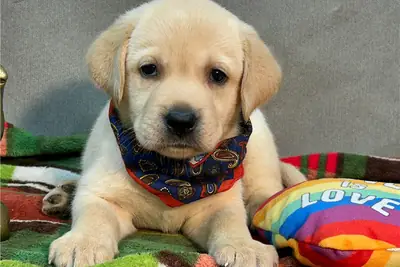
Gift male and female Labrador Retriever puppies
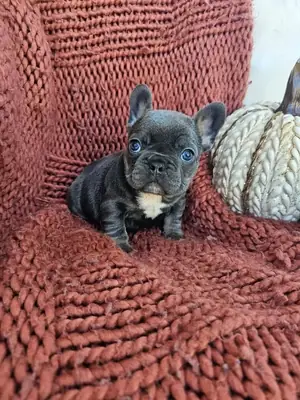
Gift male and female French Bulldog puppies
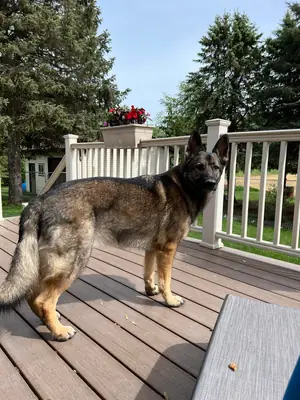
german shepherd, needs experienced handling
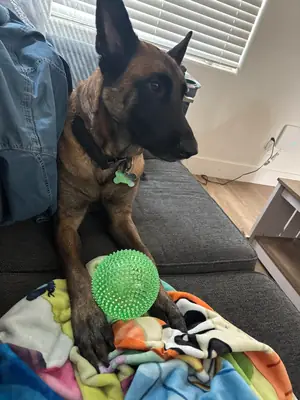
not suitable for a casual owner
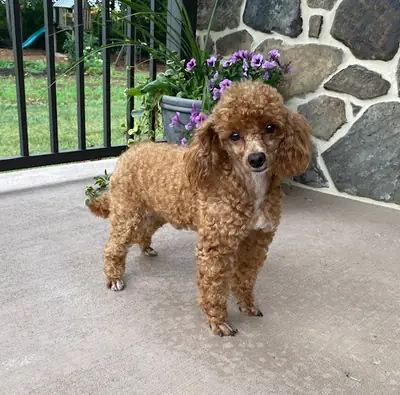
Brown Poodle used to long walks and daily interaction
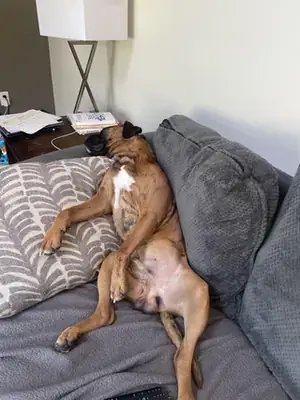
boxer with more energy than we expected
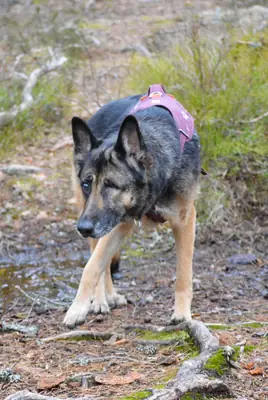
German shepherd needs a better setup
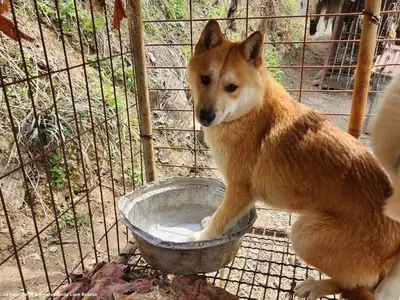
Loyal Nureongi for Adoption
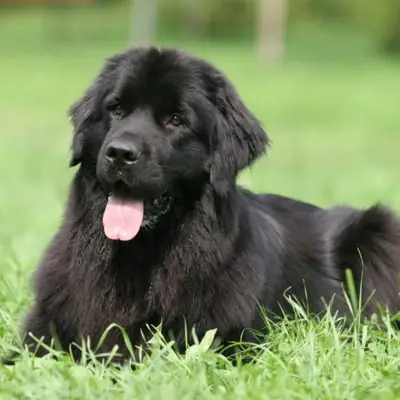
Gentle Newfoundland for Adoption
Haven't found the pet you're looking for? Let people who want to find a new home for their pet reach out to you.
Create your free pet adoption request listing now and be seen by thousands of pet owners.
Other listings in your area
Gift male and female French Bulldog puppies
Gentle Newfoundland for Adoption
Brown Poodle used to long walks and daily interaction
boxer with more energy than we expected
Loyal Nureongi for Adoption
german shepherd, needs experienced handling
Popular Searches
Dog adoption Sheffield
Dog adoption in Sheffield is usually searched by people who want a local rescue dog, shelter dog or privately rehomed dog they can meet before committing. A useful listing should show the dog’s age, size, breed or mixed-breed type, health, microchip status, vaccination history, neutering, temperament, lead behaviour, house training and the type of home that will actually suit the dog.
Sheffield has busy city areas, terraced streets, flats, family suburbs and easy access to countryside walks, so the right match depends on routine, not just location. A high-energy dog may love long walks around the Peaks but struggle in a small flat if left alone all day. A calmer adult dog may be a stronger match for a household that wants companionship without puppy chaos.
Adopt a dog in Sheffield
People searching to adopt a dog in Sheffield need more than a gallery of cute faces. They need to know whether the dog can live with children, cats or other dogs, whether it can be left alone, whether it is nervous in traffic, whether it pulls on lead and whether it has any medical or behavioural needs.
Adoption should feel like a matching process, not a quick pickup. The adopter must be ready for microchip transfer, vet costs, insurance, food, equipment, training, settling-in time and realistic exercise. A dog that has already lost a home needs structure, patience and a stable routine from day one.
Rescue dogs Sheffield
Rescue dogs in Sheffield can be affectionate, shy, energetic, anxious, reactive, calm, already trained or still under assessment. A strong rescue listing should not rely on emotional wording alone. It should explain what the dog is like in real life: around strangers, other dogs, traffic, children, cats, visitors, food, toys and time alone.
Some rescue dogs need an adult-only home, some need another dog, some must be the only pet, and some need a patient adopter who understands fear or reactivity. Honest detail does not put good adopters off. It filters out the wrong ones and gives the dog a better chance of staying in the next home permanently.
Dogs for adoption South Yorkshire
Dogs for adoption South Yorkshire expands the search beyond Sheffield into Rotherham, Barnsley, Doncaster, Worksop, Chesterfield and nearby areas. This matters because rescue availability changes quickly and the right dog may be slightly outside the city.
Distance should not beat compatibility. A dog five minutes away is a bad match if it cannot cope with your home, children, cats, work schedule or exercise routine. A dog a little further away may be the better adoption if its temperament, needs and history fit your life properly.
Sheffield dog rehoming
Sheffield dog rehoming can involve rescue centres, foster homes or private owners who can no longer keep a dog. A good rehoming listing must explain why the dog needs a new home and what kind of home will work. “No fault of his own” is not enough if the listing hides separation anxiety, dog reactivity, barking, health issues or landlord problems.
Rehoming should protect the dog from another failed placement. The listing should cover microchip details, vet history, behaviour, routines, diet, exercise, training, fears and compatibility. The goal is not to get the most enquiries; it is to find one home that can actually keep the dog safe and settled.
Puppies for adoption Sheffield
Puppies for adoption in Sheffield attract fast interest, but a puppy is not the easy option. Puppies need toilet training, bite inhibition, socialisation, sleep routines, vet visits, safe exposure to traffic and dogs, and gradual alone-time training. A user who is out all day with no support is usually a poor match.
A useful puppy listing should include age, expected adult size, vaccination plan, microchip status, current routine, temperament, litter background and whether the puppy has been assessed for a specific home type. Choosing a puppy just because it is cute is weak decision-making. The hard part starts after collection.
Adult dog adoption Sheffield
Adult dog adoption in Sheffield is often a better choice than chasing puppy listings. With an adult dog, size, energy level, behaviour, lead manners and home habits are usually clearer. For working adults, older families or first-time adopters, the right adult dog can be far more realistic.
The listing should say whether the dog is house-trained, how long it can be left, how it behaves on walks, whether it has lived with children or cats, and what training is still needed. Adult dogs are not second-best dogs. They are often the most honest match because you can see who they already are.
Small dogs for adoption Sheffield
Small dogs for adoption in Sheffield are popular with flat dwellers, older adopters and people who assume a smaller dog will be easier. That assumption is lazy. Small dogs can bark, guard resources, panic around children, dislike being left alone, pull on lead or need more grooming and training than expected.
A good small-dog listing should explain behaviour before size. Can the dog cope with visitors, stairs, traffic, other dogs and time alone? Is it toilet trained? Does it need a quiet home? Small does not automatically mean low-maintenance. The dog’s temperament matters more than its weight.
Large dogs for adoption Sheffield
Large dogs for adoption in Sheffield can be brilliant companions for active homes, but they need realistic handling. A large dog may need stronger lead skills, more space, larger transport, higher food costs, training commitment and careful introductions with children or other pets.
The listing should state whether the dog pulls, jumps up, reacts to other dogs, knows basic cues, travels well and can settle indoors. A gentle giant still needs management. If the adopter cannot physically handle the dog safely, the match is wrong no matter how loving the dog seems.
Family dog adoption Sheffield
Family dog adoption in Sheffield needs more detail than “good with kids”. The listing should say whether the dog has lived with children, what ages it knows, how it reacts to noise, food, toys, visitors, sudden movement and busy family routines.
A safe family dog still needs supervision, rest space and clear boundaries. Children must learn not to climb on the dog, disturb it while sleeping, take food or treat it like a toy. A family adoption works when the humans are trained too, not just the dog.
Apartment friendly dogs Sheffield
Apartment friendly dogs in Sheffield should be selected by behaviour, not size alone. A suitable flat dog can settle indoors, manage hallway noise, toilet outside reliably, avoid constant barking and handle time alone at a level that matches the adopter’s routine.
A listing should say whether the dog has lived in a flat before, whether it barks when left, reacts to neighbours, uses stairs or lifts, and how much exercise it needs. A dog can live well in a flat if its needs are met. A poor match will make the dog and neighbours miserable.
Adopt a dog with cats Sheffield
Adopting a dog when you already have cats requires evidence, not hope. The listing should say whether the dog has lived with cats, ignored cats, chased cats, shown prey drive or has unknown cat behaviour. “Friendly dog” does not mean “safe with cats”.
Introductions must be slow, controlled and separated at first. The cat needs escape routes, height and safe rooms. A dog can be wonderful with people and still be unsafe around cats. If cat compatibility is unknown, the listing should say it clearly instead of pretending.
Senior dog adoption Sheffield
Senior dog adoption in Sheffield deserves more attention. Older dogs can be calmer, more predictable and deeply rewarding for the right home. Many already have house manners, lower exercise demands and clearer personalities than young dogs.
A senior listing should be honest about mobility, medication, dental health, diet, vet needs, sleep routines and walking limits. Senior dogs are not charity cases to feel sorry for; they are real companions who need practical, kind and financially prepared adopters.
Dog adoption near Sheffield
Dog adoption near Sheffield often includes Rotherham, Barnsley, Chesterfield, Doncaster, Worksop, Dronfield and the wider South Yorkshire area. Expanding the radius can reveal more suitable dogs, especially if the adopter has specific needs around size, age, temperament or compatibility.
Still, distance is not the main filter. A dog nearby is not automatically a good match. The better question is whether the dog can live with your home, work schedule, children, pets, walking routine and experience level. Location helps arrange visits; it should not make the decision for you.
Rehome my dog Sheffield
Anyone trying to rehome a dog in Sheffield should write a listing that protects the dog, not one that hides problems to get quick messages. Include age, sex, size, breed or crossbreed type, microchip, vaccination, neutering, health, temperament, house training, lead behaviour, separation tolerance, compatibility and reason for rehoming.
Do not give the dog to the first interested person. Ask about home setup, landlord permission, work hours, children, other pets, garden security, walking routine and experience. Rehoming should reduce instability for the dog, not pass it to the next unprepared household.
Frequently Asked Questions
How do I adopt a dog in Sheffield responsibly?
Start by checking the dog’s age, size, health, microchip status, vaccination history, neutering, temperament, lead behaviour, house training, separation tolerance and compatibility with children, cats or other dogs. Do not choose only from photos.
Then compare those needs with your home, working hours, walking routine, budget and experience. A responsible adoption is a welfare match, not a quick collection. The dog should fit your real life, not your idealised version of it.
What should I ask before adopting a rescue dog?
Ask why the dog needs a new home, whether it is microchipped, vaccinated and neutered, whether it is house-trained, how it behaves on lead, how long it can be left and whether it can live with children, cats or other dogs.
Also ask about barking, anxiety, food guarding, reactivity, bite history, medical needs, travel behaviour and previous home experience. These questions are not excessive. They prevent failed adoptions.
Does an adopted dog need to be microchipped in the UK?
Yes. Dogs in the UK must be microchipped, and a dog should not be transferred to a new keeper without microchip details being properly handled. After adoption, the new keeper’s contact details should be updated on the relevant database.
Before taking the dog home, ask for the microchip number, database information and any transfer steps. If the microchip information is unclear, resolve it before completing the handover.
Can I adopt a dog if I live in a Sheffield flat?
Yes, if the dog is suited to flat living. Check barking, separation anxiety, house training, stairs or lifts, hallway noise, exercise needs and whether the dog has lived in a flat before.
Size alone is not enough. Some small dogs are noisy and anxious, while some larger dogs settle well indoors with proper exercise. The listing should describe actual behaviour, not just breed or weight.
Is adopting a puppy easier than adopting an adult dog?
No. Puppies need toilet training, socialisation, bite control, sleep routines, safe exposure, vet care and gradual alone-time training. They require time every day and can be hard for full-time workers without support.
Adult dogs can be easier to match because their size, energy and temperament are clearer. For many Sheffield homes, a well-matched adult dog is a smarter choice than a puppy chosen on emotion.
Can rescue dogs live with children or cats?
Some rescue dogs can live with children or cats, but only if their behaviour and history support it. Ask whether the dog has lived with children, what ages it knows, whether it has been tested with cats and how it reacts to fast movement, noise and handling.
Do not rely on vague labels like “friendly”. A safe match depends on evidence, supervision and gradual introductions. If cat or child compatibility is unknown, the listing should say that clearly.
What should I prepare before bringing an adopted dog home?
Prepare a bed, food and water bowls, lead, collar or harness, ID tag, food, toys, poo bags, safe resting space and a calm plan for the first week. Arrange vet registration and insurance early.
Keep the first days quiet. Avoid busy parks, off-lead walks, crowded family visits and overwhelming introductions. Let the dog learn the home, routine and people gradually.
What does an adoption fee usually cover?
An adoption fee may help cover rescue care, assessments, vaccinations, neutering, microchipping, food and other support before rehoming. The exact coverage depends on the rescue or rehoming organisation.
A fee does not replace proper checks. You still need clear health information, microchip details, adoption terms and a realistic understanding of the dog’s needs before taking it home.
How should I write a dog adoption listing in Sheffield?
Write the dog’s age, sex, size, breed or crossbreed type, microchip, vaccination status, neutering status, health, temperament, house training, lead behaviour, ability to be left alone, compatibility with children, cats and dogs, location and reason for rehoming.
Be honest about difficult points. If the dog reacts to other dogs, barks indoors, cannot live with cats, pulls strongly, has anxiety or needs an experienced home, say it clearly. A good listing attracts the right adopter, not the most messages.