Free Poodle Adoption in Sheffield
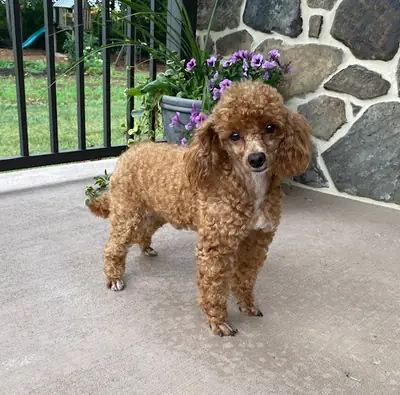
There's 1 Poodle listing live right now, last updated 31 Mar 2026. Find free Poodle adoption in Shef... There's 1 Poodle listing live right now, last updated 31 Mar 2026. Find free Poodle adoption in Sheffield with clear details on size, age, microchip transfer, vaccination status, neutering, grooming h... There's 1 Poodle listing live right now, last updated 31 Mar 2026. Find free Poodle adoption in Sheffield with clear details on size, age, microchip transfer, vaccination status, neutering, grooming history, temperament, training level, coat condition and health background. Compare Toy, Miniature and Standard Poodles across Sheffield and South Yorkshire before choosing an intelligent curly-coated dog that needs regular coat care, mental stimulation, gentle handling, ear checks and a home ready for long-term commitment.
Haven't found the pet you're looking for? Let people who want to find a new home for their pet reach out to you.
Create your free pet adoption request listing now and be seen by thousands of pet owners.
Other listings in your area
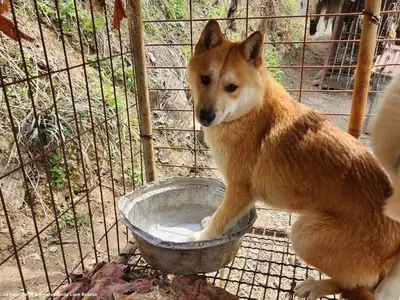
Loyal Nureongi for Adoption
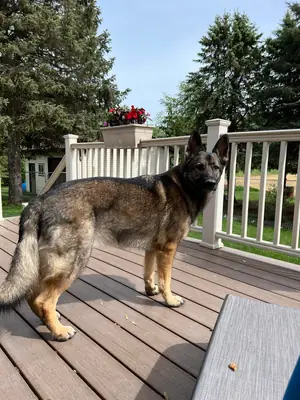
german shepherd, needs experienced handling
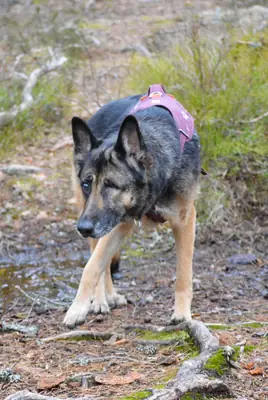
German shepherd needs a better setup
Gentle Newfoundland for Adoption
boxer with more energy than we expected
Gift male and female Labrador Retriever puppies
Popular Searches
Free Poodle adoption Sheffield
Free Poodle adoption in Sheffield should be checked by size, coat care, temperament and health history before anything else. Poodle can mean Toy, Miniature or Standard, and those sizes do not bring the same exercise needs, grooming pressure, handling risks or home requirements.
Ask for the dog’s exact size, age, microchip transfer, vaccination status, neutering, grooming schedule, coat condition, ear history, training level, separation behaviour and the real reason for rehoming. A free Poodle is not low-maintenance if the coat is matted, the dog panics when left alone or vet records are missing.
Poodle rescue Sheffield
Poodle rescue in Sheffield should focus on daily routine, grooming tolerance and emotional stability. Poodles are clever dogs; if they have been under-stimulated, over-handled, left alone too long or neglected in coat care, the new home needs patience and structure.
Ask whether the dog accepts brushing, clipping, bathing, drying, nail trimming and ear handling. A rescue Poodle may look elegant after grooming, but the real test is whether the dog can live calmly through normal home care.
Poodle rehoming Sheffield
Poodle rehoming in Sheffield needs a clear reason. Moving home, cost, grooming neglect, separation anxiety, barking, owner illness, landlord issues, child handling problems, another dog conflict or a young dog becoming too demanding all mean different adoption risks.
Ask how long the current keeper has had the dog, whether it has changed homes before, whether grooming has ever been skipped and whether behaviour issues are being softened. “Needs more time” is not enough detail for a sensitive, intelligent breed.
Adopt a Poodle in Sheffield
To adopt a Poodle in Sheffield, match the dog to your real routine. A Poodle needs more than a nice bed and short walks; it needs grooming appointments, training games, calm handling, ear checks, social contact and a home that understands clever dogs can become anxious or demanding when bored.
Ask whether the dog settles alone, enjoys training, barks at sounds, guards attention, tolerates grooming and has lived with children, cats or other dogs. The right Poodle is not just cute and curly; it is the dog whose needs you can meet every week.
Poodles for adoption near me
Poodles for adoption near me searches around Sheffield often include Rotherham, Barnsley, Chesterfield, Doncaster, Worksop, Dronfield, Hillsborough, Ecclesall, Woodseats, Crystal Peaks and wider South Yorkshire.
Local viewing helps because you can check coat condition, see movement, watch handling, hear barking, confirm microchip details and ask about grooming records before handover. Nearby is useful only when the listing gives real information.
Poodle adoption South Yorkshire
Poodle adoption across South Yorkshire gives adopters more options than searching Sheffield alone. Genuine free Poodle listings may not appear every day, especially when you need a specific size such as Toy, Miniature or Standard.
Compare each dog by size, grooming needs, coat condition, ear health, microchip transfer, vaccination status, neutering, training, separation behaviour and home history. Do not choose the closest Poodle if the answers are vague.
Toy Poodle adoption Sheffield
Toy Poodle adoption in Sheffield should be checked with toy-breed care in mind. A Toy Poodle may be small enough for flats and busy streets, but it still needs grooming, dental care, safe handling, confident socialisation and protection from rough play.
Ask whether the dog has dental history, luxating patella signs, delicate handling needs, barking issues, separation anxiety or fear around large dogs. Tiny does not mean simple; it means mistakes show faster.
Miniature Poodle adoption Sheffield
Miniature Poodle adoption in Sheffield often suits homes wanting an active, clever dog without the size of a Standard Poodle. The danger is assuming “medium-small” means low effort.
Ask about grooming tolerance, training response, barking, recall, lead manners, ear infections, eye checks and whether the dog has lived in a busy household. A Miniature Poodle needs structure and mental work, not just cuddles.
Standard Poodle adoption Sheffield
Standard Poodle adoption in Sheffield should be treated as a large-dog decision. Standard Poodles are elegant, athletic and intelligent, but they need space, exercise, coat care, training and health checks that match their size.
Ask about hip history, bloat risk, exercise routine, lead manners, grooming cost, ear care, separation behaviour and whether the dog can settle indoors. A Standard Poodle is not a decorative version of a small Poodle.
Poodle puppy adoption Sheffield
Poodle puppy adoption in Sheffield needs a home ready for toilet training, grooming practice, socialisation, bite inhibition, alone-time training and calm handling from day one. Poodle puppies learn fast, including bad habits.
Ask the puppy’s exact age, microchip status, vaccination plan, worming, diet, mother information, current coat care and why the puppy is being rehomed for free. A curly puppy photo is not proof of a safe adoption.
Free Poodle puppies Sheffield
Free Poodle puppies in Sheffield should trigger extra caution. Genuine rehoming can happen, but puppy listings can also hide stolen photos, unclear ownership, missing microchip details, early separation, poor coat care or weak socialisation.
Ask for current videos, proof of age, microchip details, vaccination record, vet check and a clear rehoming reason. If the seller pushes speed but avoids proof, the listing is not strong enough.
Adult Poodle adoption Sheffield
Adult Poodle adoption in Sheffield can be a strong choice because size, coat type, grooming tolerance, temperament and training are already visible. You can see whether the dog is calm, vocal, anxious, confident, bouncy or sensitive before deciding.
Check microchip transfer, vaccination status, neutering, grooming history, ear health, dental history, separation behaviour and whether the dog has lived with children, cats or other dogs. Adult Poodles are easier to match when the history is honest.
Senior Poodle adoption Sheffield
Senior Poodle adoption in Sheffield can suit a calmer home that understands grooming, dental care, eye checks, joint comfort and regular vet visits. Older Poodles may still be clever and lively, but they may need gentler routines and more medical attention.
Ask about arthritis, dental work, cataracts, hearing, lumps, medication, appetite, drinking, toilet habits and how the dog handles grooming now. A senior Poodle needs comfort and stability, not another rushed move.
Hypoallergenic Poodle adoption Sheffield
Hypoallergenic Poodle adoption in Sheffield is a common search, but no dog should be treated as guaranteed allergy-free for every person. Poodles may shed less loose hair than many breeds, yet allergies can still come from dander, saliva and home exposure.
Spend time with the specific dog before adoption if allergies matter. Ask about coat care, grooming products, skin issues and whether anyone in the current home has reacted to the dog.
Non shedding dog adoption Sheffield
Non shedding dog adoption in Sheffield often leads people to Poodles, but the trade-off is grooming. Less loose hair around the home does not mean less care; curly coats can mat tightly if brushing and clipping are skipped.
Ask when the dog was last groomed, whether the coat has ever matted, whether the dog accepts brushing and what the expected grooming schedule costs. A Poodle coat is work, not magic.
Curly coat dog adoption Sheffield
Curly coat dog adoption in Sheffield should include a serious coat check. Poodle curls can hide mats close to the skin, especially behind ears, under legs, around the collar, between toes and near the tail.
Ask to see the coat parted to the skin, not just brushed on top. A fresh haircut can hide a history of neglect, so ask whether the dog has ever needed shaving because of matting.
Poodle grooming Sheffield
Poodle grooming in Sheffield should be part of the adoption decision before the dog comes home. This breed needs regular brushing, clipping, ear checks, nail care and calm handling around grooming tools.
Ask whether the dog stands calmly, snaps at clippers, hates the dryer, guards paws or panics in the bath. A Poodle that fights grooming can turn routine coat care into a major expense and stress point.
Matted Poodle rescue Sheffield
Matted Poodle rescue in Sheffield needs careful handling because matting can pull the skin, hide sores, cover ear problems and make the dog defensive about touch. A neglected coat is not just an appearance problem.
Ask whether the dog has been shaved recently, whether skin was sore underneath, whether ears were infected and whether grooming behaviour changed after pain was removed. A matted Poodle may need patience, not just a haircut.
Poodle ear infections adoption
Poodle ear infections should be checked before adoption because curly-coated dogs can have ear canal issues, trapped moisture or recurring irritation. Head shaking, smell, scratching, redness or discharge should not be ignored.
Ask whether the dog has had ear drops, vet treatment, allergies, grooming-related plucking problems or repeated infections. Ear care is part of Poodle ownership, not a side detail.
Poodle separation anxiety Sheffield
Poodle separation anxiety should be checked before adoption because many Poodles bond closely and dislike being left without a routine. Stress may show as barking, pacing, chewing, toileting indoors, scratching doors or refusing to settle.
Ask how long the dog can be left, whether it has used a crate or pen, whether it follows people from room to room and whether neighbours have complained. A clever dog with no calm-alone training can become a daily problem.
Poodle barking Sheffield
Poodle barking in Sheffield homes should be discussed before adoption. Poodles may bark from alertness, frustration, boredom, anxiety, visitor excitement or poor boundaries.
Ask whether the dog barks at doors, windows, dogs, hallway noise, grooming, being left or food preparation. Small Poodles can be loud enough for flat or terrace problems, and Standard Poodles can make barking feel even bigger.
Poodle training Sheffield
Poodle training in Sheffield adoption should focus on mental work, not just obedience commands. Poodles learn quickly, but that also means they learn loopholes, routines and attention-seeking patterns quickly.
Ask whether the dog knows recall, settle, leave it, loose-lead walking, grooming handling and calm greetings. A bored Poodle can become noisy, clingy, destructive or bossy in the home.
Poodle with children Sheffield
A Poodle with children can be a good match when the individual dog is confident and children are gentle. Toy Poodles can be too delicate for rough play, while Standard Poodles can knock smaller children over if excitable.
Ask whether the dog has lived with children, what ages, whether it dislikes being grabbed, whether it guards toys and whether it can settle when the house is busy. Family-friendly should mean proven behaviour, not a breed label.
Poodle with cats Sheffield
A Poodle with cats may work if the dog has lived with cats before and can be redirected calmly. Some Poodles are gentle and curious; others chase, bark or play too intensely.
Ask whether the dog has shared a home with cats, whether it chases moving animals and whether the cat will have safe dog-free spaces. Friendly to people does not automatically mean cat-safe.
Poodle with other dogs Sheffield
A Poodle with other dogs should be assessed by size, confidence and play style. A Toy Poodle may be worried by rough larger dogs, while a Standard Poodle may be too energetic for small nervous dogs.
Ask whether the dog has lived with dogs, guards food or toys, barks on lead, plays politely and settles after excitement. Social does not always mean easy in a multi-dog home.
Poodle for flat living Sheffield
A Poodle can live in a Sheffield flat if size, barking, exercise, grooming and alone time are realistic. Toy and Miniature Poodles may fit the space better, but they can still be vocal and anxious if under-stimulated.
Ask whether the dog reacts to hallway noise, barks when left, toilets reliably, settles after walks and manages stairs or lifts. Flat living works only when the dog’s routine matches the environment.
Poodle exercise needs Sheffield
Poodle exercise needs depend heavily on size, age and personality. A Toy Poodle may need shorter safe walks and indoor games, while a Standard Poodle may need longer outings, training and more space to move properly.
Ask how far the dog currently walks, whether it pulls, whether it recalls, whether it enjoys fetch or scent games and whether any joint issue limits activity. A Poodle needs both movement and brain work.
Poodle recall adoption Sheffield
Poodle recall should be checked before adoption because intelligence does not automatically mean reliability. A Poodle may understand the command but still chase dogs, wildlife, balls or exciting people if practice is weak.
Ask whether the dog comes back in parks, around dogs, around traffic and when distracted. Use long-line work until the dog proves recall in the new home.
Poodle Addison’s disease adoption
Poodle Addison’s disease adoption checks matter because vague signs like tiredness, vomiting, poor appetite, weakness or collapse can be missed or misread. A known diagnosis changes medication, vet planning and insurance.
Ask whether the dog has had blood tests, Addison’s diagnosis, steroid or hormone medication, collapse episodes or stress-related illness. A calm-looking Poodle may still have medical history that needs clear disclosure.
Poodle hip dysplasia adoption
Poodle hip dysplasia adoption checks are especially important for larger Poodles, but movement should be assessed in every size. Hip discomfort can affect walking, stairs, jumping, play and long-term comfort.
Ask whether the dog limps, struggles to rise, avoids stairs, bunny-hops, has had X-rays, uses pain relief or has parent hip information. A graceful-looking Poodle can still have sore joints.
Poodle luxating patella adoption
Poodle luxating patella checks matter, especially in smaller Poodles. Kneecap problems can cause skipping, limping, pain, reluctance to jump or difficulty with stairs.
Ask whether the dog skips on a back leg, has vet grading, X-rays, surgery or pain relief. A small dog being carried everywhere may be hiding a movement problem.
Poodle PRA eye problems adoption
Poodle PRA and eye problem checks should be discussed before adoption because vision changes can affect confidence, stairs, night movement and behaviour. Cloudiness, bumping into things or fear in dim light should not be ignored.
Ask whether the dog has had eye testing, cataracts, PRA history, tear staining, eye medication or vision changes. Eye history is especially important when adopting an adult or senior Poodle.
Standard Poodle bloat adoption
Standard Poodle bloat risk should be discussed because large, deep-chested dogs need careful feeding and exercise routines. Sudden stomach swelling, distress, retching or collapse is an emergency.
Ask about feeding schedule, speed of eating, exercise after meals and any previous stomach emergency. The adopter should understand the signs before bringing a Standard Poodle home.
Poodle sebaceous adenitis adoption
Poodle sebaceous adenitis adoption checks matter when there is hair loss, scaling, dull coat, skin soreness or repeated skin treatment. Coat problems in Poodles should not be dismissed as only grooming issues.
Ask whether the dog has had skin biopsies, medicated baths, coat thinning, scaling, itching or veterinary diagnosis. A curly coat can hide skin trouble until it is advanced.
Poodle von Willebrand adoption
Poodle von Willebrand adoption questions matter when there is any history of unusual bleeding, bruising, surgery complications or nosebleeds. This is the kind of health detail that should be shared before adoption, not discovered later.
Ask whether the dog has had DNA testing where known, bleeding issues, dental surgery problems or vet warnings. Even if records are limited, the current keeper should answer honestly about past medical events.
Microchipped Poodle adoption Sheffield
Microchipped Poodle adoption in Sheffield should include clear transfer details. The chip should match the dog, and keeper information should be updated correctly after adoption.
This matters because a newly adopted Poodle can bolt, panic in a new street or slip away before it fully understands the new home. Identity details should be correct from day one.
Vaccinated Poodle rehoming Sheffield
Vaccinated Poodle rehoming in Sheffield should include what has been given, what is due next and whether a vet record is available. “Healthy” is too vague for a dog changing homes.
Ask about boosters, flea and worm treatment, dental care, ear infections, eye history, skin condition, joint history, medication and recent illness. A proper health picture protects both the dog and adopter.
Neutered Poodle adoption Sheffield
Neutered Poodle adoption in Sheffield can make home management clearer, especially with adult dogs. Neutering does not solve grooming anxiety, barking, separation stress or poor training, but it is still an important ownership and health detail.
Ask whether the dog is neutered, when it was done, whether recovery was normal and whether behaviour or weight changed afterwards. If not neutered, ask what a vet has advised.
Poodle adoption fee Sheffield
Poodle adoption fee Sheffield searches often compare free rehoming, private adoption and rescue-style processes. Free does not automatically mean low-cost if the dog needs grooming, dental work, ear treatment, training, vet checks, insurance or behaviour support.
A no-fee Poodle with matted coat, missing records or separation anxiety can cost more than expected. Judge the adoption by evidence, not by the absence of a fee.
Poodle adoption scam Sheffield
Poodle adoption scams in Sheffield can use stolen photos, fake urgent stories, delivery-only offers, sudden deposits, missing microchip details and vague health claims. Poodles are popular because of their coat and intelligence, so emotional listings can move fast.
Ask for current videos, proof of ownership, microchip details, vet records, grooming history, a clear reason for rehoming and a safe viewing or collection plan. If the person avoids proof but pushes speed, walk away.
Frequently Asked Questions
What should I check before adopting a free Poodle in Sheffield?
Check the dog’s size, age, microchip, vaccination status, neutering, vet records, grooming history, coat condition, ear health, training level, separation behaviour and reason for rehoming.
For a Poodle, also ask about eye problems, Addison’s disease, hip dysplasia, luxating patella, skin issues, dental care, bloat risk in Standard Poodles and whether the dog has lived with children, cats or other dogs.
Is a Poodle a good adoption dog?
A Poodle can be a great adoption dog for a home that wants an intelligent, trainable and people-focused companion.
The home must be ready for regular grooming, mental stimulation, ear checks, training and careful management of separation behaviour.
What type of Poodle should I adopt?
Choose by lifestyle, not by appearance. Toy Poodles need gentle handling, Miniature Poodles need active structure, and Standard Poodles need large-dog space, exercise and grooming commitment.
Ask the dog’s exact size, adult weight, exercise routine, grooming history and temperament before deciding.
Is a Toy Poodle good for adoption?
A Toy Poodle can be a good adoption dog for a gentle home that understands small-dog safety, grooming and dental care.
Ask about barking, separation anxiety, patella issues, tooth history and whether the dog is comfortable being handled.
Is a Miniature Poodle good for adoption?
A Miniature Poodle can suit many homes because it is active, clever and smaller than a Standard Poodle.
Ask about training, barking, grooming tolerance, eye checks, knee history, ear infections and how the dog behaves when left alone.
Is a Standard Poodle good for adoption?
A Standard Poodle can be a brilliant adoption dog for an active home that can manage a large, intelligent dog.
Ask about hip history, bloat risk, lead manners, exercise needs, grooming cost and whether the dog settles indoors.
Are Poodles good for first-time owners?
Poodles can suit first-time owners who are prepared for grooming, training and mental stimulation.
They are not ideal for someone who wants a low-effort dog or cannot manage coat care and alone-time training.
Are Poodles hypoallergenic?
Poodles are often searched as low-shedding dogs, but no dog is guaranteed allergy-free for every person.
If allergies matter, spend time with the specific dog before adoption and ask about grooming products, skin issues and home reactions.
Do Poodles shed?
Poodles usually shed less loose hair around the home than many breeds, but their coat still needs serious maintenance.
Loose hair can stay in the curls and create mats if the coat is not brushed and clipped properly.
Do Poodles need a lot of grooming?
Yes, Poodles need regular brushing, clipping, bathing, drying, nail care and ear checks.
Ask whether the dog accepts grooming, whether the coat has ever matted and when it was last professionally groomed.
Why is matted coat serious in Poodles?
Matted coat can pull the skin, hide sores, trap dirt and make grooming painful.
Ask whether the dog has ever been shaved because of matting and whether there were skin problems underneath.
Do Poodles get ear infections?
Poodles can get recurring ear irritation or infections, so ear history should be checked before adoption.
Ask about head shaking, smell, redness, discharge, ear drops, allergies and repeated vet visits.
Are Poodles good with children?
Poodles can be good with children when the dog is confident and children are respectful.
Ask whether the dog has lived with children, what ages, whether it dislikes rough handling and whether it guards toys or food.
Can Poodles live with cats?
A Poodle may live with cats if it has a calm chase response and introductions are controlled.
Ask whether the dog has lived with cats, whether it chases moving animals and whether the cat will have dog-free spaces.
Can Poodles live with other dogs?
Poodles can live with other dogs when size, play style and personality match.
Ask whether the dog has lived with dogs, guards resources, barks on lead, plays politely and settles after excitement.
Can a Poodle live in a flat?
A Poodle can live in a flat if size, exercise, barking, toilet routine and alone time are managed properly.
Ask whether the dog reacts to hallway noise, barks when left and settles after walks.
How much exercise does a Poodle need?
Poodle exercise needs depend on size, age and personality.
Ask how far the dog currently walks, whether it pulls, whether it recalls and whether any joint issue limits activity.
Do Poodles need mental stimulation?
Yes, Poodles are intelligent dogs and need training, games, enrichment and routine.
A bored Poodle may bark, chew, demand attention, become clingy or invent unwanted habits.
Can Poodles be left alone?
Some Poodles cope with normal alone time, but others become anxious if left too long or without training.
Ask whether the dog barks, paces, chews, toilets indoors, scratches doors or follows people constantly.
Do Poodles bark a lot?
Some Poodles bark when excited, bored, anxious or alerting to sounds.
Ask when the dog barks, whether it stops when redirected and whether neighbours have complained.
What health problems should I ask about in a Poodle?
Ask about eye problems, Addison’s disease, hip dysplasia, luxating patella, ear infections, dental disease, sebaceous adenitis, von Willebrand’s disease, seizures and skin problems.
For Standard Poodles, also ask about bloat risk and feeding routine.
What is Addison’s disease in Poodles?
Addison’s disease is a hormone-related condition that can cause weakness, vomiting, poor appetite, collapse or stress-related illness.
Ask whether the dog has had blood tests, a diagnosis, medication or previous collapse episodes.
What is hip dysplasia in Poodles?
Hip dysplasia is abnormal hip development that can cause pain, stiffness and arthritis.
Ask whether the dog limps, struggles to rise, avoids stairs, has had X-rays or needs pain relief.
What is luxating patella in Poodles?
Luxating patella means the kneecap can slip out of place, causing skipping, limping or discomfort.
Ask whether the dog skips on a back leg, avoids stairs, has vet grading, X-rays, surgery or pain relief.
Do Poodles have eye problems?
Poodles can have eye concerns, so vision and eye history should be checked before adoption.
Ask about cataracts, PRA history, eye testing, cloudiness, tear staining, eye medication or vision changes.
What is bloat risk in Standard Poodles?
Standard Poodles can be discussed in relation to bloat risk because they are larger, deep-chested dogs.
Ask about feeding routine, speed of eating, exercise after meals and any previous stomach emergency.
Should a Poodle be microchipped before adoption?
Yes, the dog should be microchipped and keeper details should be transferred correctly after adoption.
Ask for the microchip number, database process and proof that the dog matches the listing.
Should a Poodle be vaccinated before rehoming?
Vaccination status should be clear before rehoming. Ask what has been given, what is due next and whether a vet record is available.
Also ask about flea treatment, worming, grooming history, ear care, dental care, skin condition and any current medication.
Should a Poodle be neutered before adoption?
Neutering can be an important ownership and health detail, but it does not replace training, grooming care or behaviour management.
Ask whether the dog is neutered, when it was done, whether recovery was normal and whether a vet has advised anything further.
Is an adult Poodle better than a puppy?
An adult Poodle can be easier to assess because size, temperament, grooming tolerance, barking, training and health history are already visible.
A puppy gives more time to shape habits, but it needs toilet training, grooming practice, socialisation and calm-alone training from the beginning.
What are red flags in a Poodle adoption listing?
Red flags include vague rehoming reasons, no microchip details, no vet records, hidden matting, rushed collection, delivery-only offers and refusal to discuss grooming or behaviour.
Be careful with listings that only say “hypoallergenic” or “doesn’t shed” while avoiding coat condition and health history.
How do I avoid Poodle adoption scams in Sheffield?
Ask for current videos, proof of ownership, microchip details, vet history, grooming records, a safe viewing or collection plan and a clear reason for rehoming.
Avoid delivery-only pressure, urgent deposits, copied photos and anyone who refuses basic questions about health, grooming, behaviour and identity.
What should I prepare before bringing a Poodle home?
Prepare a suitable harness, lead, ID tag, bed, bowls, familiar food, grooming brush, comb, ear-care plan, enrichment toys, training treats and vet registration.
Keep the first week calm and predictable while the dog learns the new home, grooming routine, toilet routine, walking route, resting area and safe alone-time pattern.